
For many Singaporeans, body contouring is less about chasing a perfect shape and more about addressing stubborn areas that do not seem to respond to diet and exercise. Common concerns include a lower abdomen that stays soft after pregnancy, love handles that persist despite regular workouts, or fullness under the chin that becomes more noticeable with age. Non-invasive body contouring has become popular because it offers a way to target selected areas without surgery, general anaesthesia, or lengthy downtime, which suits busy working adults, parents, and caregivers in Singapore.
Still, body contouring is often misunderstood. It is not the same as weight loss, and it is not a substitute for healthy lifestyle habits. Instead, these treatments are designed to improve body proportions by reducing or tightening specific areas in people who are generally near their ideal body weight. In Singapore, where patients may want practical treatment options that fit around work, family responsibilities, and social commitments, it helps to understand what CoolSculpting actually does, how it compares with other non-invasive methods, and what realistic results look like.
Choosing the right option also requires a careful understanding of safety, suitability, and expectations. Different technologies work in different ways, and not every treatment is appropriate for every body type, concern, or skin condition. A sound decision starts with knowing the science behind each method and asking the right questions during a consultation.
What body contouring can and cannot do
Body contouring refers to procedures that reshape the body by reducing localised fat, tightening skin, or improving the appearance of selected areas. Non-invasive body contouring uses external devices, rather than surgery, to achieve these effects. The main appeal is that treatment typically involves little to no downtime, which is important for people balancing office work, caregiving, travel, and regular social or fitness routines.
It is important to distinguish body contouring from overall weight reduction. These treatments are usually intended for people who are close to their target weight but have specific pockets of fat or mild skin laxity. They do not replace calorie control, resistance training, cardiovascular exercise, or medical treatment for obesity. If a person has significant weight concerns, a doctor may discuss lifestyle management, medications where appropriate, or bariatric surgery instead of body contouring.
Another key point is that results vary. Some treatments reduce fat cells, while others temporarily shrink fat, stimulate collagen, or improve muscle tone. In practice, a good outcome depends on the person’s body composition, skin quality, treatment area, and adherence to aftercare recommendations. Realistic expectations are essential, because even the best non-invasive option produces gradual improvement rather than dramatic reshaping.
How CoolSculpting works and who it may suit
CoolSculpting is a branded form of cryolipolysis, which means controlled cooling of fat tissue. Fat cells are more vulnerable to cold injury than surrounding tissues such as skin, nerves, and muscle. During treatment, applicators cool the targeted area to a temperature that damages fat cells without surgical cutting. Over time, the body clears the affected fat cells through natural metabolic processes.
What happens during treatment
Before treatment, a clinician assesses the area and places a gel pad and applicator over the skin. Patients often feel suction, pressure, and intense cold at the start, but the area usually becomes numb after several minutes. A session may last from around 35 to 60 minutes per area, depending on the applicator used and the treatment plan. Many patients return to desk work or routine activities immediately after the session, which is one reason the treatment is popular with people in Singapore who prefer minimal disruption to their schedule.
After treatment, the area may look red, swollen, or firm for a short period. Some people experience bruising, tingling, tenderness, or temporary numbness. These effects usually improve over days to weeks. Visible change is not immediate, because the body needs time to eliminate the treated fat cells. Results are often assessed over several weeks to a few months.
Where it tends to work best
CoolSculpting is generally used for localised fat bulges in areas such as the abdomen, flanks, upper arms, back, thighs, and under the chin. It is often chosen by individuals who want a non-surgical option for a pinchable layer of fat. The treatment is usually less suitable for people with widespread obesity, significant loose skin, or very firm fat deposits that cannot be drawn into the applicator.
It is also important to know that body contouring does not change underlying habits. If weight increases after treatment, remaining fat cells can enlarge, which may reduce the visible benefit. For that reason, treatments work best when combined with sustainable nutrition, physical activity, adequate sleep, and stress management.
Benefits and limitations
The main benefit of cryolipolysis is its non-invasive nature. There are no surgical incisions, no general anaesthesia, and usually no major recovery period. For selected patients, it can modestly improve the contour of one or more problem areas. However, the results are not equivalent to liposuction, which removes fat more directly and can produce larger changes in volume. CoolSculpting is best viewed as a contouring procedure, not a body reshaping shortcut.
As with any treatment, there are limitations. Not everyone responds equally well, and some areas may need multiple sessions. Some patients may also be disappointed if they expect a slimmer overall figure rather than a more refined silhouette in a small zone. A good consultation should clarify which concern is most likely to improve and whether another technology would be more appropriate.
Other non-invasive body contouring options available
CoolSculpting is only one part of a wider field. Other non-invasive or minimally invasive technologies use heat, sound, radiofrequency, electrical stimulation, or mechanical massage to target fat, skin laxity, or muscle tone. Understanding the differences helps patients choose a method that matches their main concern.
Radiofrequency-based treatments
Radiofrequency, often abbreviated as RF, uses controlled energy to heat tissue beneath the skin. This heat can stimulate collagen remodelling, which may improve mild skin laxity and texture. Some RF systems are also designed to reduce small fat deposits or tighten the tissue envelope after fat reduction. Because RF can address both skin and contour in some cases, it is often considered when the main issue is mild looseness rather than only excess fat.
These treatments usually require a series of sessions. They may feel warm rather than painful, and downtime is often limited. However, results are typically subtle and gradual. RF is not a substitute for surgery when there is substantial excess skin.
High-intensity focused ultrasound
High-intensity focused ultrasound, or HIFU, delivers ultrasound energy to a precise depth. In body treatments, it can target fat layers or promote skin tightening depending on the device and protocol. HIFU is used for selected patients who want a non-surgical option for localised body contouring, particularly when mild tightening is also desired.
Some patients are attracted to HIFU because it is associated with minimal downtime. That said, the treatment experience can vary depending on the area and the energy delivered. It is best suited for smaller, well-defined concerns rather than large-volume fat reduction.
Laser-based fat reduction
Laser lipolysis systems used in non-invasive body contouring apply targeted laser energy to heat fat tissue. The purpose is to damage fat cells while preserving surrounding structures. Like other energy-based treatments, the overall effect is usually modest and often most suitable for small, localised areas. Some systems also offer a degree of skin tightening.
Patients considering laser-based treatment should ask whether the device is meant for fat reduction, tightening, or both. Different platforms have different strengths, and the same label can sometimes be used loosely in marketing materials. A clinician should explain the mechanism and likely outcome clearly.
Muscle stimulation devices
Some body contouring devices use high-intensity focused electromagnetic energy or similar technologies to induce repeated muscle contractions. These are designed to improve muscle tone and sometimes to support fat reduction in the treated area. They may be useful for people who are already close to their target weight but want to improve the appearance of the abdomen or buttocks.
It is important to remember that these treatments do not replace exercise. They may complement a fitness routine, but they are not equivalent to strength training, and they do not build long-term conditioning in the same way. Their role is best understood as an adjunct for selected individuals.
How to choose the right option in Singapore
The best body contouring treatment depends on the concern, the treatment area, the amount of fat present, skin quality, and the amount of downtime a person can tolerate. In Singapore, many patients want something that can fit around a full workday, family obligations, and travel, so practical scheduling matters. A method that requires several short sessions may suit some people better than a single longer procedure, while others may prioritise a one-off treatment with a longer wait for results.
Match the treatment to the problem
If the main issue is a small pocket of pinchable fat, cryolipolysis may be suitable. If the concern is mild loose skin, radiofrequency or a combination approach may be more useful. If muscle definition is part of the goal, muscle stimulation devices may be considered. If the problem is larger-volume fat or substantial excess skin, surgery may be more effective than any non-invasive option.
A thorough consultation should include body assessment, discussion of medical history, review of medications, and an explanation of expected outcomes. People with certain conditions, such as cold-related disorders, may not be suitable for cryolipolysis. Those who are pregnant, have active skin disease in the area, or have specific implanted devices may also need alternative approaches. Because device suitability depends on medical details, personalised assessment is essential.
Ask practical questions before treatment
Before deciding, patients can ask the following:
- What specific problem is this treatment meant to improve?
- How does the technology work in plain language?
- How many sessions are usually needed?
- What side effects are common and how long do they last?
- What results are realistic for my body type?
- Are there any reasons this treatment may not be suitable for me?
- What happens if I do not respond as expected?
These questions help reduce confusion and make the consultation more useful. They also support informed consent, which is a core part of safe aesthetic care.
Watch for marketing that overpromises
Patients should be cautious if a clinic promises dramatic slimming, permanent weight loss, or guaranteed transformation. Ethical body contouring should be described as a contouring aid, not a miracle solution. Reputable providers focus on assessment, informed decision-making, realistic goals, and follow-up. In Singapore, where aesthetic services are widely available, careful comparison is especially important because device quality, operator training, and treatment protocols may vary.
Safety, recovery, and realistic expectations
Non-invasive body contouring is generally considered lower risk than surgery, but it is not risk-free. Common short-term effects include redness, swelling, bruising, tenderness, and temporary numbness. Depending on the device and area treated, some patients may also notice firmness or sensitivity for a period after treatment. These effects usually resolve without intervention, although persistent or unexpected symptoms should be reviewed by a clinician.
Recovery is usually simple. Most people can resume routine activities soon after treatment, but they should still follow instructions on hydration, gentle activity, and skin care if given. Some patients feel that light movement, such as walking, helps them return to normal comfort more quickly. For Singaporeans who spend long hours at desks or commute on public transport, this minimal downtime can be a major practical advantage.
The most important expectation to hold is that results are gradual and moderate. Body contouring is designed for refinement, not drastic change. It may help clothes fit better or improve the line of a selected area, but it does not replace healthy habits or medical care when weight, metabolic health, or hormonal issues are the underlying concern. If body shape concerns are affecting confidence, it can be helpful to consider whether the issue is fat, skin laxity, muscle tone, posture, or a combination of factors, because each calls for a different approach.
For people who want a treatment plan, a realistic pathway might involve one technology for fat reduction, another for skin tightening, and a structured exercise and nutrition plan to maintain the outcome. The best plan is usually individualised rather than one-size-fits-all.
Body contouring can be a useful option for selected Singaporeans who want to address stubborn pockets of fat or mild laxity without surgery. CoolSculpting, which uses controlled cooling to reduce fat cells, remains one of the best-known approaches, but it is only one of several available tools. Radiofrequency, HIFU, laser-based systems, and muscle stimulation devices each have their own strengths and limitations. The right choice depends on the problem being treated, the person’s body type, and the amount of downtime they can accept.
If you are considering treatment, start with a medically informed consultation, ask direct questions, and focus on realistic improvement rather than dramatic promises. A safe and effective plan should be grounded in clear diagnosis, appropriate technology selection, and honest discussion of what non-invasive body contouring can reasonably achieve.
Medical information in this article is for general educational purposes and does not replace an individual consultation with a qualified doctor or licensed medical professional.
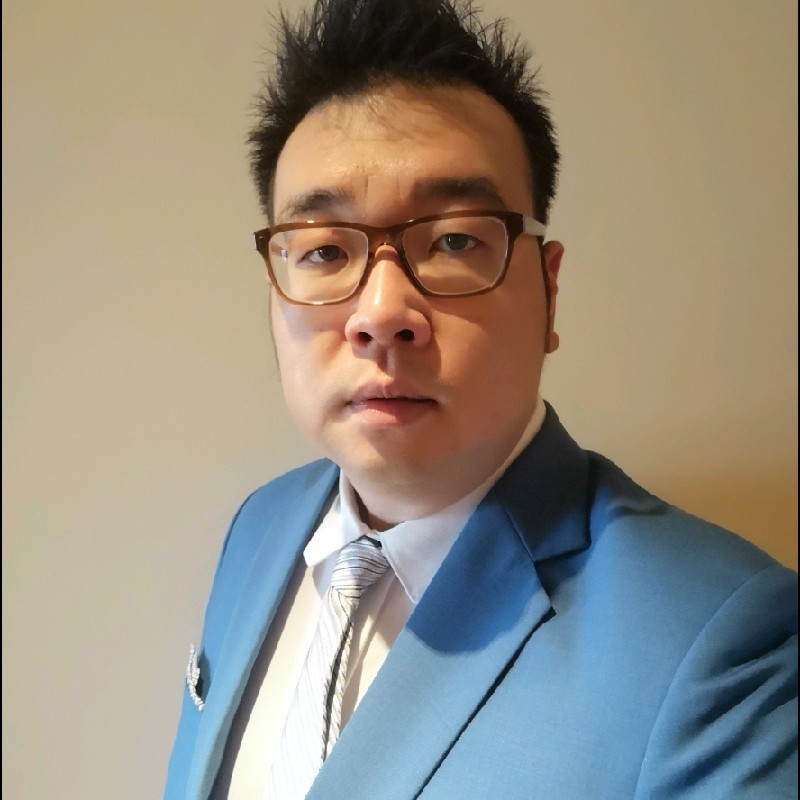
Jeremy Lee is a seasoned digital marketing director and strategist with over two decades of experience in the industry. As the founder of Sotavento Medios, I manage a diverse portfolio of over 50 businesses, helping brands grow through advanced search strategies and digital innovation. My work focuses on bridging the gap between traditional search engine optimisation and the evolving world of AI-driven answer engines.