
Introduction
Chronic sinusitis is a persistent inflammatory condition affecting the sinuses, causing significant discomfort to millions worldwide. In Singapore, the warm and humid climate, coupled with varying air quality, presents unique challenges in managing this condition effectively. Understanding the interplay between these environmental factors and chronic sinusitis can help Singaporeans alleviate symptoms and enhance their quality of life.
Understanding Chronic Sinusitis
Sinusitis, often termed rhinosinusitis, refers to inflammation of the sinus cavities. When this inflammation persists for over 12 weeks despite treatment, it is classified as chronic sinusitis. The sinuses are air-filled spaces located in the forehead, cheekbones, and behind the nose. They produce mucus which helps trap dust and germs, preventing them from entering the lungs.
Symptoms and Diagnosis
Common symptoms include nasal congestion, facial pain, loss of smell, and thick nasal discharge. In Singapore, the local healthcare protocols recommend a thorough clinical assessment coupled with imaging studies like CT scans for diagnosis.
The Impact of Humidity on Sinusitis
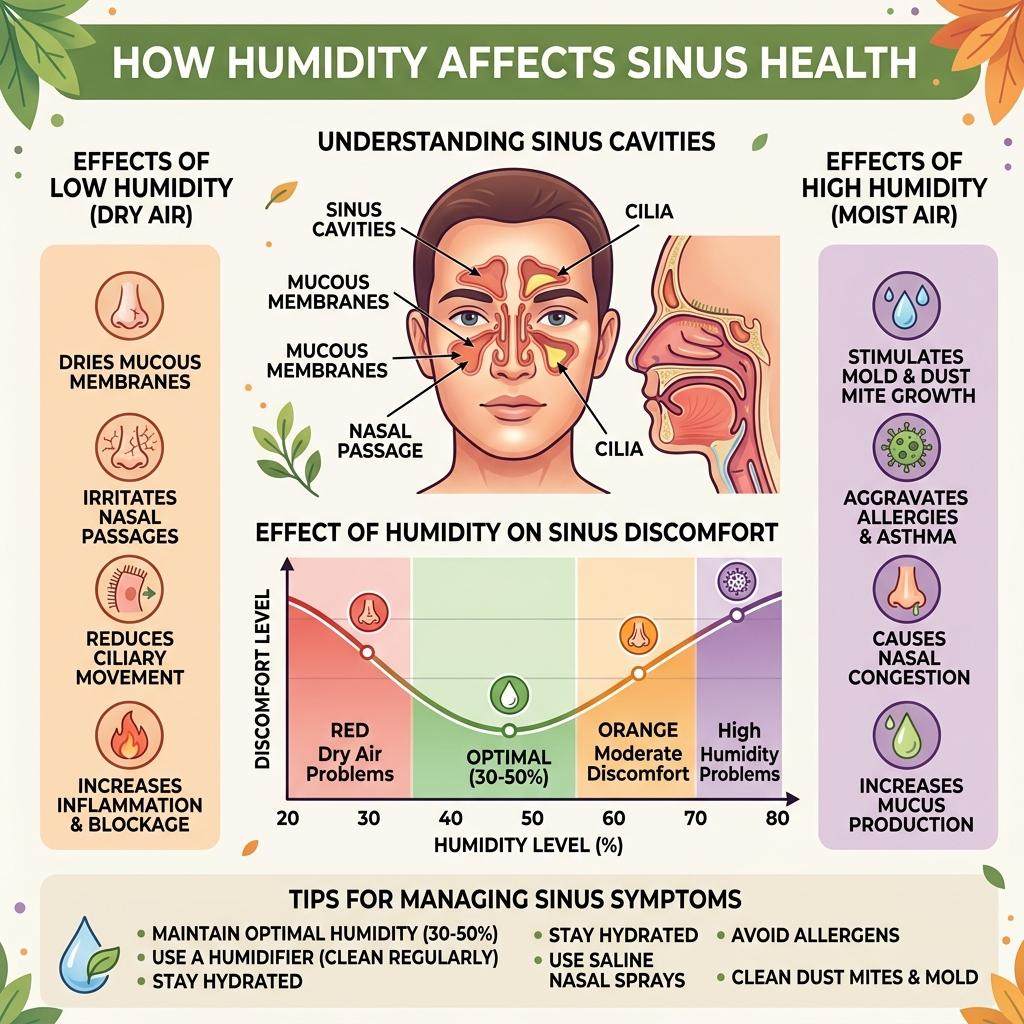
Singapore’s humidity, often exceeding 80%, can contribute significantly to sinus issues. High humidity promotes mold growth, a known allergen that can exacerbate sinusitis symptoms. Keeping indoor environments dry and using dehumidifiers can help manage these conditions effectively.
Air Quality: A Crucial Factor
Air pollution is another contributing factor to sinusitis in Singapore. Particulate matter (PM2.5) and other pollutants can irritate the nasal passages, leading to inflammation. The National Environment Agency (NEA) regularly monitors air quality and provides updates and health advisories, which are crucial for managing sinusitis symptoms effectively during haze periods.
Practical Management Strategies
Regular nasal saline irrigation, staying indoors during high pollution levels, and wearing masks can significantly reduce exposure to irritants.
Medical Treatments and Interventions
For chronic cases, medical intervention may be necessary. Local treatments like nasal corticosteroid sprays can alleviate inflammation. In some circumstances, ENT specialists might recommend procedures such as balloon sinuplasty or functional endoscopic sinus surgery to restore normal sinus drainage.
Lifestyle Adjustments
Alongside medical treatments, adopting a healthy lifestyle by staying hydrated, avoiding known allergens, and practicing good nasal hygiene can help mitigate symptoms.
Conclusion: Navigating Singapore’s Climate
Managing chronic sinusitis in Singapore involves understanding and adapting to the local climate and environmental factors. Regular consultation with healthcare professionals ensures optimal management of this condition. If symptoms persist or worsen, seeking medical advice is crucial to prevent complications and improve quality of life.

Jeremy Lee is a seasoned digital marketing director and strategist with over two decades of experience in the industry. As the founder of Sotavento Medios, I manage a diverse portfolio of over 50 businesses, helping brands grow through advanced search strategies and digital innovation. My work focuses on bridging the gap between traditional search engine optimisation and the evolving world of AI-driven answer engines.