
For many Singaporeans, colorectal cancer is a health concern that feels both serious and very practical. It is serious because cancer can be life-changing, but it is also practical because the disease often begins quietly, through small growths in the large bowel called colorectal polyps. These polyps usually do not cause symptoms at first, which is exactly why they matter. When a polyp is found and removed early, doctors can often stop a future cancer before it starts. That is the core reason colorectal screening and timely colonoscopy are so important, especially for adults in Singapore who are in the age range where risk begins to rise.
Colorectal polyps are growths that develop on the inner lining of the colon or rectum. Some are harmless, but others can slowly change over time. The change from a polyp to cancer does not happen overnight. It usually takes years, and that long window creates an important opportunity for prevention. In Singapore, where people are living longer and chronic diseases are common, paying attention to bowel health is part of good preventive care. If you are 45 and above, or younger with a family history of colorectal cancer, understanding polyps is not just medical information. It is a useful step in protecting long-term health.
What colorectal polyps are, and why doctors take them seriously
Colorectal polyps are abnormal tissue growths that project from the lining of the colon or rectum. The colon, also called the large intestine, absorbs water and helps form stool. The rectum is the final section before stool leaves the body. A polyp can be flat or raised, small or large, single or multiple. Most people never feel anything when a polyp first develops, which makes screening important.
Doctors pay close attention to polyps because some types can become cancer over time. A cancer begins when cells acquire changes that allow them to grow uncontrollably. In the colon, this often starts with a benign, meaning non-cancerous, polyp that gradually develops more abnormal cell changes. This stepwise process is one reason early removal is so effective. If the polyp is taken out before cancerous change occurs, the pathway is interrupted.
Common types of colorectal polyps
Not all polyps carry the same risk. The main types include adenomatous polyps, serrated polyps, and hyperplastic polyps. Adenomatous polyps, often called adenomas, are the most important precancerous type. Serrated polyps can also carry cancer risk depending on the specific subtype and location. Hyperplastic polyps are usually low risk, especially when small and found in the rectum, but they still need proper assessment by a doctor.
The pathology report after removal is important because it tells the doctor what type of polyp it was, whether the entire lesion was removed, and how soon the next colonoscopy should happen. This is why polyp removal is not only about taking away the visible growth. It is also about studying the tissue carefully to guide future care.
Why size, shape, and number matter
Risk is influenced by several features. Larger polyps are more likely to contain advanced cell changes. Polyps with a villous or tubulovillous pattern, high-grade dysplasia, or certain serrated features can also carry more concern. Dysplasia means the cells look abnormal under the microscope and may represent a step toward cancer. Multiple polyps can raise the likelihood that more lesions will appear later, which is why follow-up surveillance is often recommended.
In practical terms, a small low-risk polyp and a large advanced adenoma are not managed in the same way. That is why colonoscopy findings must always be interpreted by a qualified doctor rather than treated as a simple yes-or-no result. The details matter.
How polyps can turn into colorectal cancer
Most colorectal cancers develop through a gradual sequence of changes over several years. A normal lining cell becomes abnormal, then forms a small polyp, and then, in some cases, progresses to cancer if the genetic changes continue. This process is called the adenoma-carcinoma sequence when it involves adenomas. It is not universal, and some cancers arise through other pathways, but it is common enough that early removal of polyps remains a powerful prevention strategy.
The key point is time. Because this transformation often takes years, there is a long period when a polyp can be found and removed before it causes harm. That is why colorectal screening is not just about finding cancer early. It is also about preventing cancer altogether. In a country like Singapore, where many adults lead busy working lives and may delay check-ups unless there is a clear reason, understanding this timeline is especially useful. Waiting for symptoms is often too late, because early polyps usually do not cause warning signs.
What makes a polyp more concerning
Certain features increase the chance that a polyp could become cancerous if left in place. These include larger size, specific microscopic patterns, and dysplasia. A personal history of previous adenomas, inflammatory bowel disease, or a strong family history of colorectal cancer can also increase concern. Age matters too, since the risk of colorectal cancer rises as people get older.
That said, no one should assume every polyp is dangerous. The purpose of colonoscopy is to identify which growths need removal and which are low risk but still worth monitoring. This balanced approach protects patients from both over-treatment and missed risk.
Why early removal prevents cancer so effectively
Removing a polyp is one of the clearest examples of cancer prevention in gastroenterology. When a doctor removes a polyp during colonoscopy, they are not simply treating a symptom. They are removing tissue that may have the potential to become cancer in the future. This is called preventive intervention. It works because the cancer has not yet developed, so there is nothing malignant left behind if the polyp is fully excised.
Colonoscopy is the main procedure used for this. During the procedure, a flexible tube with a camera is inserted through the rectum so the doctor can inspect the colon lining. If a polyp is found, it can often be removed during the same session using a snare, forceps, or other endoscopic techniques. The tissue is then sent for laboratory analysis. For many patients, this single procedure both diagnoses and treats the problem.
Not every polyp needs surgery
Most polyps can be removed endoscopically, without open surgery. This is a major advantage because it is less invasive and usually allows faster recovery. Surgery is generally reserved for lesions that cannot be safely removed by colonoscopy, or when cancer has already developed and deeper tissue assessment is needed. In other words, finding the polyp early often means simpler treatment.
For Singapore patients balancing work, caregiving, and family commitments, the practicality of endoscopic removal matters. Many people return to normal daily activity relatively quickly, although they still need to follow the doctor’s instructions after the procedure, especially if a larger polyp was removed.
Why follow-up after removal is still important
Removing one polyp does not mean the journey is over. Some people are prone to developing more polyps later, so surveillance colonoscopy may be recommended at intervals based on the number, size, and pathology of the polyps removed. The timing is individualized. This follow-up strategy helps find any new or missed lesions early, when they are still manageable.
Patients should keep their colonoscopy report and pathology results, because these documents help future doctors decide the right surveillance schedule. Good continuity of care matters, especially if you move between public and private healthcare settings in Singapore.
Who should consider screening, and what to look out for
Singaporeans should not wait for symptoms before asking about colorectal screening. Public health advice in Singapore includes regular colorectal cancer screening for adults starting at the recommended age, with earlier assessment for those at higher risk. People with a first-degree relative, such as a parent or sibling, who had colorectal cancer or certain advanced polyps may need screening earlier than the general population. Individuals with inflammatory bowel disease, inherited syndromes, or a personal history of polyps also need tailored follow-up.
Symptoms that may require medical review include blood in the stool, persistent change in bowel habits, unexplained weight loss, abdominal pain, iron deficiency anaemia, or a feeling that the bowel is not fully emptied. These symptoms do not always mean cancer, but they should not be ignored. Importantly, some people with polyps or even early cancer may have no symptoms at all. That is why screening remains so important.
How Singaporean lifestyle factors fit in
Daily habits matter. Diets low in fibre and high in processed or red meat are associated with higher colorectal cancer risk, while regular physical activity supports overall bowel health. In Singapore, many people eat a mix of hawker food, home-cooked meals, and convenience meals. That makes balanced choices realistic rather than extreme. Choosing more vegetables, fruits, legumes, whole grains, and sufficient water intake can support digestive health. Limiting alcohol and avoiding smoking are also sensible steps for long-term cancer prevention.
Busy schedules should not become a reason to delay screening. A colonoscopy may feel inconvenient, but it is usually far less disruptive than managing advanced cancer. For many adults, the most practical health decision is to do preventive screening before symptoms appear.
What to expect during colonoscopy and after polyp removal
Before a colonoscopy, the bowel must be cleaned with a preparation prescribed by the clinic or hospital. This step is essential because stool can hide polyps. The procedure is usually done with sedation or anaesthesia support, depending on the setting and the patient’s needs. Doctors inspect the colon carefully and remove any visible polyps when appropriate.
After the procedure, most patients rest and then go home the same day. Mild bloating or cramping can happen, but significant pain, heavy rectal bleeding, fever, or persistent vomiting should be reported promptly. The doctor will usually explain the findings, whether tissue was removed, and whether any follow-up is needed. The pathology result may take several days, and this result guides the next step.
Recovery, diet, and return to normal activity
Many patients can resume light activity soon after the procedure, though they may need to avoid strenuous exercise for a short period if a larger polyp was removed. The doctor’s advice should be followed carefully, especially regarding blood thinners, diabetes medications, or other chronic medicines. Eating can usually resume once sedation has worn off, starting with light meals if needed.
For working adults in Singapore, planning the procedure on a day that allows rest afterward can make the process easier. If someone has family responsibilities or a physically demanding job, arranging support in advance is sensible.
When to speak to a doctor about your risk
If you are unsure whether you need screening, the safest approach is to ask a doctor based on your age, family history, symptoms, and medical background. You should also seek medical advice sooner if you have a close relative with colorectal cancer, a previous history of polyps, or chronic bowel disease. Even if you feel well, routine screening can still be appropriate because polyps are often silent.
For Singapore residents, screening can be discussed with a polyclinic doctor, family physician, or gastroenterologist. Your doctor can advise whether stool-based screening, colonoscopy, or another approach is suitable for your situation. The best test depends on your risk profile and the local medical context.
The most important message is simple. Colorectal polyps are not always dangerous, but some can become cancer over time. Removing the right polyp at the right time can prevent that progression. If you are at the age where screening is recommended, or if you have any risk factors, do not wait for symptoms. Prevention works best before a problem becomes visible, and in colorectal health, early action can make a real difference.
Medical note: This article provides general health information for awareness and education. It is not a substitute for personal medical advice. Screening and follow-up decisions should be made with a qualified doctor who can assess your individual risk and medical history.
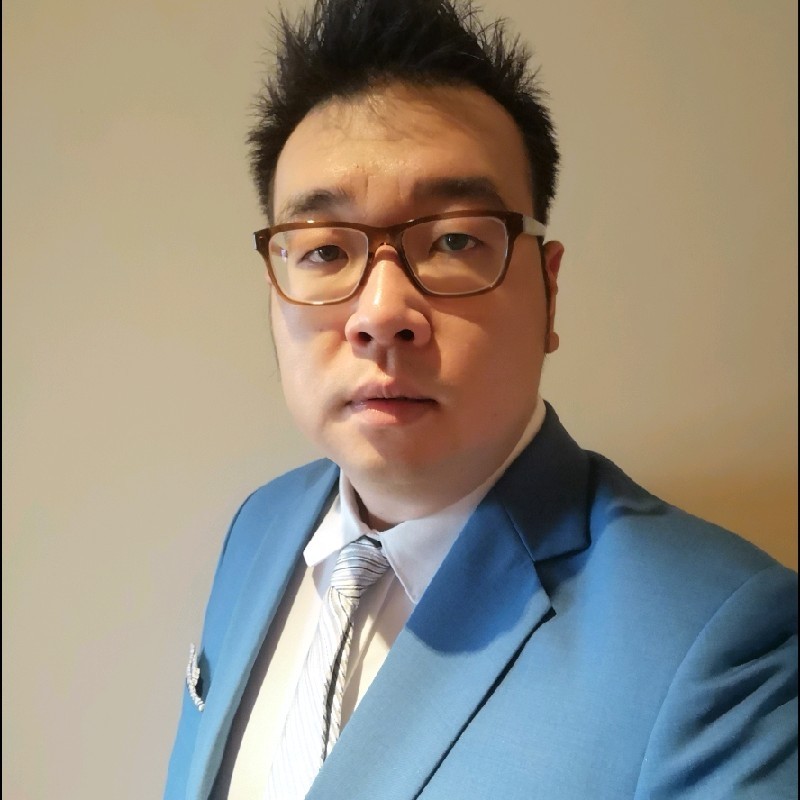
Jeremy Lee is a seasoned digital marketing director and strategist with over two decades of experience in the industry. As the founder of Sotavento Medios, I manage a diverse portfolio of over 50 businesses, helping brands grow through advanced search strategies and digital innovation. My work focuses on bridging the gap between traditional search engine optimisation and the evolving world of AI-driven answer engines.