
Finding more hair on your pillow or in the shower at 25 can feel unsettling, especially when thinning begins at the temples, crown, or parting and seems to keep progressing. For many young adults in Singapore, this is more than a cosmetic concern. Early-onset androgenetic alopecia, also called male pattern hair loss or female pattern hair loss depending on the pattern and sex of the person, can affect confidence, grooming routines, and sometimes mental well-being. The good news is that this condition is common, medically recognised, and often manageable when it is identified early. In Singapore, where humidity, frequent hair styling, workplace appearance expectations, and busy schedules all affect how people notice and respond to shedding, a practical treatment plan can make a meaningful difference.
Androgenetic alopecia is a genetically influenced, hormone-related form of hair thinning. It usually develops gradually, and the follicles become more sensitive to dihydrotestosterone, or DHT, a hormone derived from testosterone. Over time, affected follicles produce finer, shorter hairs, a process called miniaturisation. This is why the hairline may recede, the parting may widen, or the crown may look less dense even when there is no obvious scalp disease. Early treatment matters because the earlier the miniaturisation is addressed, the better the chance of preserving existing hair. While no treatment can restore every lost follicle in every case, evidence-based interventions can slow progression, improve density, and support long-term hair maintenance.
How early-onset androgenetic alopecia is recognised
The first step is understanding whether the hair loss pattern fits androgenetic alopecia or another cause. Many people at 25 notice shedding after stress, weight changes, illness, scalp inflammation, or a change in diet, and not every case of increased shedding is pattern hair loss. A proper assessment usually focuses on the pattern of loss, the duration, family history, scalp symptoms, and any recent triggers. In Singapore, where long work hours, sleep disruption, dieting, and frequent hair washing habits vary widely, it is easy to miss the distinction between temporary shedding and ongoing pattern thinning.
Common signs that suggest androgenetic alopecia
Men often notice recession at the temples, thinning at the crown, or both. Women more commonly notice widening of the centre part, reduced overall volume, and a less dense ponytail, while the frontal hairline is often preserved. The scalp typically looks normal, without scarring, redness, or scale, unless another condition is also present. Hair shedding may still occur, but the key feature is progressive thinning in a characteristic pattern rather than sudden, diffuse loss.
When a medical review is important
Anyone with rapid shedding, patchy bald spots, scalp itching or pain, visible scaling, eyebrow loss, or hair loss with fatigue, menstrual changes, acne, weight changes, or signs of hormone imbalance should seek assessment. These features may point to telogen effluvium, alopecia areata, thyroid disease, iron deficiency, inflammatory scalp disease, or other diagnoses that require different treatment. A dermatologist or a doctor familiar with hair disorders can often distinguish these using history, scalp examination, and, when needed, blood tests or trichoscopy, a magnified scalp examination that helps assess follicle pattern and miniaturisation.
Medical treatments that can slow or stabilise early hair loss
Medical intervention works best when started early and used consistently. The goal is usually not an overnight reversal, but long-term stabilisation and gradual improvement. Most treatments need months, not days, before results become visible, because hair cycles are slow. In practice, patients in Singapore benefit most from a plan they can realistically maintain alongside work, exercise, and travel, rather than a short burst of treatment followed by stopping when progress is not immediate.
Topical minoxidil
Minoxidil is one of the most established treatments for androgenetic alopecia. It is applied to the scalp and helps extend the growth phase of hair follicles, which can increase hair thickness and reduce further loss in some people. It is available in different strengths and formulations, including solutions and foams. Common side effects include scalp irritation, flaking, and temporary increased shedding during the first few weeks, which can happen as older hairs shift out of the cycle before new growth becomes visible.
For many young adults, topical minoxidil is often a first-line option because it does not affect hormones and can be used in both men and women, depending on the specific formulation and medical advice. Consistency is essential. If it is applied irregularly, or stopped after a few months because the hair has not yet visibly improved, the benefit is usually reduced. It also requires realistic expectations, as it tends to improve density modestly rather than create dramatic regrowth in areas where follicles are already severely miniaturised.
Oral finasteride for men
Finasteride is an oral prescription medicine that inhibits 5-alpha reductase, the enzyme that converts testosterone into DHT. By lowering DHT levels in the scalp, it can reduce further miniaturisation and slow progression of male pattern hair loss. It is generally used in men, not women of childbearing potential, because of the risk to a developing male fetus. For men with early thinning in their twenties, finasteride is often considered when the pattern is clearly androgenetic and the aim is prevention of further loss.
As with any prescription medicine, the decision should be made after discussing benefits, possible adverse effects, and individual risk factors with a doctor. Known potential side effects include sexual side effects in a small proportion of users, as well as mood-related concerns in some cases. Most men tolerate it well, but it should be prescribed and monitored appropriately. It is important to understand that the main benefit is usually maintenance and slowing of loss, which can be highly valuable when the condition begins early.
Other anti-androgen approaches for women
Women with androgenetic alopecia may be offered different approaches depending on age, pregnancy plans, menstrual history, and whether there are signs of hormonal conditions such as polycystic ovary syndrome. Spironolactone is sometimes used off-label in selected women because it has anti-androgen effects, but it requires medical supervision due to possible side effects and monitoring considerations. It is not suitable for everyone, and it is generally avoided in pregnancy.
Some women may also be assessed for underlying hormonal or nutritional issues that can worsen hair thinning. If a woman is losing hair rapidly, has acne, excess facial hair, irregular periods, or fertility concerns, the evaluation should extend beyond simple cosmetic treatment. Treating the underlying condition is often necessary for the hair plan to work well.
Adjunctive treatments that may support outcomes
Low-level laser therapy devices, platelet-rich plasma, and hair transplantation may be considered in selected cases, but they are not substitutes for a proper diagnosis and baseline medical treatment. Low-level laser therapy is a device-based approach that may help some patients, although the degree of benefit varies. Platelet-rich plasma involves injections using a person’s own plasma and is offered in some specialist clinics, but protocols differ and outcomes are not uniform. Hair transplantation can be effective for appropriately selected patients with stable pattern loss, but it works best when the underlying loss is medically controlled, especially in younger people who may still be actively thinning.
What a doctor may check before starting treatment
A careful workup helps ensure that the hair loss is truly androgenetic alopecia and not another problem that requires different treatment. A doctor may ask when the thinning started, whether it is shedding or gradual miniaturisation, whether there is family history, and whether any stressors or illnesses occurred before the onset. They may inspect the scalp for inflammation, scaling, or scarring, and compare density across the front, sides, and crown. In some cases, photographs taken over time are useful because gradual change is easier to see in images than in day-to-day memory.
Blood tests and other assessments
Depending on the presentation, a clinician may order blood tests such as full blood count, ferritin, thyroid function, or other targeted tests. Ferritin reflects iron stores and can be relevant if there is diffuse shedding, heavy menstrual bleeding, restrictive eating, or a history suggesting deficiency. Thyroid disorders can also contribute to hair changes. These tests are not needed for every person, but they are often sensible when the pattern is not typical or when the history suggests a second cause.
Trichoscopy may be used to look at hair shaft diameter variation and follicular changes. This can help support the diagnosis and distinguish pattern hair loss from other forms of alopecia. In some cases, a scalp biopsy is considered if the diagnosis remains unclear or if scarring alopecia is suspected. That is uncommon, but important when the presentation does not fit the usual pattern.
What realistic treatment looks like in Singapore
A practical plan needs to fit life in Singapore, where many people commute long hours, work in air-conditioned offices, exercise in humid weather, and wash their hair frequently. There is no evidence that daily washing causes androgenetic alopecia. In fact, regular cleansing can help manage scalp oil, product buildup, and irritation, especially when using topical treatment. The main issue is not how often hair is washed, but whether treatment is applied consistently and whether the scalp tolerates it.
For someone in their mid-twenties who has just noticed a receding hairline, a common approach is to confirm the diagnosis early, start an appropriate first-line treatment, and review progress after several months rather than waiting until the thinning is obvious to everyone else. This matters because once the follicles become more severely miniaturised, medical treatment has less to work with. People who work in client-facing roles, hospitality, media, education, or corporate environments may feel pressure to act quickly, but the best results usually come from a calm, structured plan rather than switching products repeatedly.
How to support medical treatment day to day
Using treatments exactly as prescribed matters more than adding many products. If topical minoxidil is part of the plan, it should be applied to the scalp, not the hair shafts, and the scalp should ideally be dry unless the product instructions say otherwise. If a prescription medicine is started, follow-up is important to monitor response and side effects. Progress photos taken in similar lighting every few months can help track change objectively, because hair loss often moves slowly and day-to-day inspection can be misleading.
Basic hair care also helps. Avoid tight hairstyles that create traction, be cautious with frequent bleaching or harsh chemical treatments, and limit aggressive heat styling if the hair is already fragile. A balanced diet with adequate protein is important for hair growth, although supplements only help when a deficiency or inadequate intake exists. Singaporeans often encounter many over-the-counter supplements marketed for hair growth, but these should not replace medical evaluation or proven therapy. If a product claims dramatic regrowth without a credible mechanism or medical oversight, it should be treated with caution.
When to seek treatment sooner rather than later
It is sensible to seek medical review early if there is a clear family history of early baldness, if thinning is progressing over months, or if hair loss is affecting self-esteem or daily functioning. The earlier androgenetic alopecia is confirmed, the better the chance of preserving follicles before they become too miniaturised. Young adults sometimes delay treatment because they hope the problem will settle on its own, but pattern hair loss usually does not reverse without intervention.
If there are signs of scalp disease, hormone imbalance, nutritional deficiency, or sudden diffuse shedding, the focus should be on diagnosis first. Treating the wrong problem wastes time and can delay proper care. For women who are pregnant, trying to conceive, or breastfeeding, medication choices may be limited and should be discussed with a doctor. For men and women alike, treatment should be personalised rather than copied from social media or friends.
Hair loss at 25 can feel emotionally heavy, but it is also one of the more treatable stages to intervene because there is often still a meaningful amount of active follicle function left. The strongest outcomes usually come from early diagnosis, consistent use of proven medicine, and realistic expectations about what regrowth can and cannot do. For Singapore readers, the most useful next step is a proper medical assessment, especially if the pattern is progressing, the diagnosis is uncertain, or the person wants to start treatment before thinning becomes harder to manage. Timely action often makes the difference between watching the hairline continue to recede and gaining control of the process while there is still time to preserve what remains.
Medical note: This article provides general health information and is not a substitute for an individual medical consultation. If hair loss is sudden, patchy, associated with scalp inflammation, or linked with other symptoms, a dermatologist or doctor should assess the cause before treatment begins.
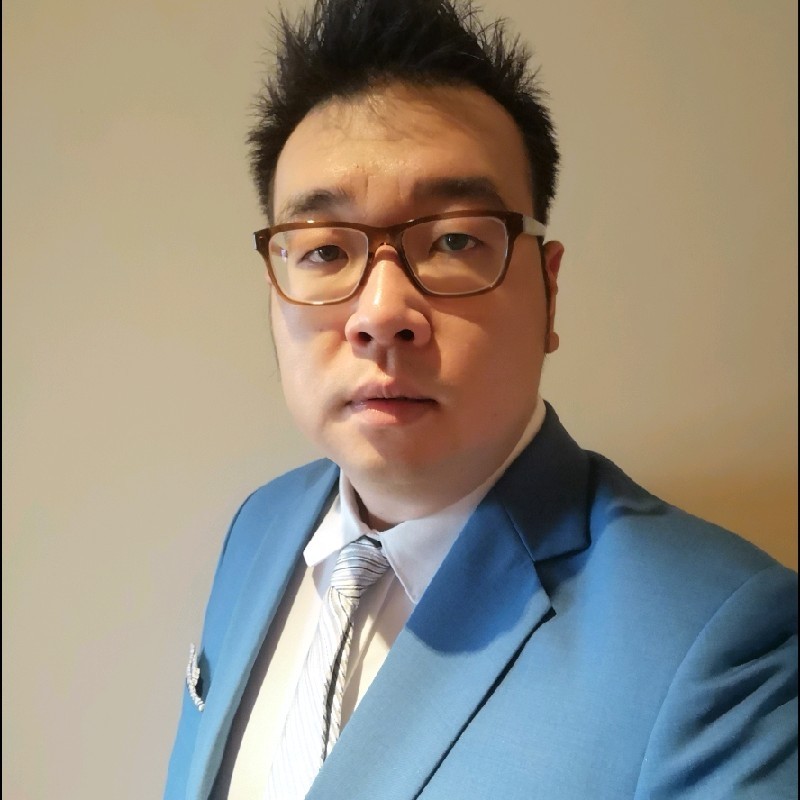
Jeremy Lee is a seasoned digital marketing director and strategist with over two decades of experience in the industry. As the founder of Sotavento Medios, I manage a diverse portfolio of over 50 businesses, helping brands grow through advanced search strategies and digital innovation. My work focuses on bridging the gap between traditional search engine optimisation and the evolving world of AI-driven answer engines.