
Urinary incontinence, which means the involuntary leakage of urine, is more common than many people in Singapore realise, especially among older adults. Yet because it is often linked with embarrassment, ageing, or the mistaken belief that nothing can be done, many seniors quietly adjust their daily routines instead of seeking help. They may reduce how much they drink, stay close to a toilet, avoid going out, or wear dark clothing to hide accidents. These coping strategies can make life smaller than it needs to be. In a society like Singapore, where active ageing, family life, social participation, and independent living are valued, incontinence deserves open, practical discussion.
Incontinence is not a disease on its own. It is a symptom, and the underlying cause may be related to the bladder, prostate, pelvic floor muscles, nerves, medication, mobility issues, constipation, or an existing medical condition. The good news is that many causes can be assessed and treated, and even when cure is not possible, symptoms can often be improved. For seniors and caregivers, understanding the type of incontinence, identifying triggers, and knowing when to seek medical review are the first steps toward better control and better quality of life.
What incontinence means, and why it becomes more common with age
Incontinence refers to the loss of bladder control. Some people leak a small amount when they cough or laugh. Others feel a sudden, strong urge to pass urine and cannot reach the toilet in time. Some do not sense the bladder filling properly and experience leakage before they realise they need to void. In older adults, more than one pattern may occur together, which is why a careful history is important.
Ageing itself can affect bladder storage and emptying, but ageing alone is not the whole explanation. The bladder muscle, called the detrusor muscle, may become more overactive or less coordinated. Pelvic floor muscles, which support the bladder and urethra, may weaken over time. Mobility limitations, arthritis, stroke, Parkinson’s disease, diabetes, chronic constipation, and cognitive impairment can also contribute. In men, benign prostatic hyperplasia, or BPH, which means non-cancerous enlargement of the prostate, may obstruct urine flow and lead to overflow leakage or urgency. In women, childbirth, menopause, and pelvic organ prolapse can play a major role.
In Singapore, where seniors may be managing several chronic conditions at once, incontinence often reflects a combination of factors rather than a single cause. That is why a broad assessment is more useful than assuming it is just “part of getting older.”
Common types of urinary incontinence
Stress incontinence happens when urine leaks during pressure on the bladder, such as coughing, sneezing, laughing, lifting, or brisk walking. It is often linked to pelvic floor weakness.
Urge incontinence occurs when a sudden, intense need to urinate is followed by leakage before reaching the toilet. It is often associated with an overactive bladder, a condition where the bladder contracts too early.
Overflow incontinence happens when the bladder does not empty properly, so urine dribbles out because the bladder becomes too full. This can occur in men with prostate enlargement or in people with nerve-related bladder dysfunction.
Functional incontinence is not due to a bladder problem alone. A person may have delayed access to the toilet because of slow mobility, poor vision, confusion, or environmental barriers such as a bathroom that is too far away.
Mixed incontinence means more than one type is present, and this is common in older adults.
Why the issue is often hidden, and why silence can make it worse
Many seniors do not volunteer symptoms unless asked directly. Shame is a major reason. Some fear being seen as weak, unclean, or dependent. Others believe incontinence is an inevitable part of ageing and that nothing can improve it. Caregivers may also hesitate to bring it up because they worry about offending a parent or older relative. In reality, respectful conversation often brings relief, because the person has been managing the problem alone for a long time.
Silence can lead to practical and medical consequences. Reduced fluid intake may cause constipation, dizziness, and dehydration. Avoiding movement or social activities may contribute to frailty and isolation. Prolonged exposure to urine can irritate the skin, increasing the risk of rash and breakdown, especially if a person is immobile. If leakage is caused by a urinary tract infection, prostate issue, high blood sugar, medication side effect, or urinary retention, the underlying problem may worsen if it is ignored.
For families in Singapore, the hidden burden may show up in subtle ways. A grandparent may stop joining hawker centre meals, religious activities, community events, or outings to East Coast Park or the neighbourhood park. A senior may insist on going to the toilet repeatedly before leaving home, or may wake up many times at night, affecting sleep quality. These are signs worth paying attention to.
How doctors assess incontinence in older adults
A proper medical review usually begins with a detailed history. The doctor will ask when the leakage occurs, how often it happens, whether there is urgency, pain, blood in the urine, difficulty starting urine, weak stream, dribbling, fever, or back pain. The doctor may also ask about fluid intake, bowel habits, mobility, falls, previous pregnancies and deliveries in women, prostate symptoms in men, and the use of medications such as diuretics, sedatives, antihistamines, or some blood pressure medicines. These drugs can affect urination or mobility.
A physical examination may include checking the abdomen, pelvis, prostate if appropriate, and pelvic floor function. Depending on the situation, urine tests may be done to look for infection, blood, or sugar. Blood tests may be considered if diabetes, kidney issues, or other conditions are suspected. Some people need assessment of post-void residual urine, which is the amount left in the bladder after urinating. This helps identify incomplete emptying. In selected cases, more specialised bladder tests, known as urodynamic studies, may be recommended by a specialist.
In Singapore, seniors can begin with a primary care doctor or a polyclinic, who can assess common causes and arrange referral if needed. Urology, gynaecology, geriatric medicine, and rehabilitation services may all be involved depending on the underlying issue.
Red flags that need prompt medical attention
Some symptoms should not be dismissed as simple incontinence. These include blood in the urine, fever, painful urination, sudden worsening, new weakness or numbness, inability to pass urine, severe lower abdominal pain, recurrent falls linked with rushing to the toilet, or a significant change in cognition. In men, weak stream, straining, and frequent night urination can suggest prostate-related urinary obstruction. In older adults with dementia or stroke, a sudden change in continence may signal infection, constipation, medication effects, or another acute problem.
Evidence-based ways to manage and reduce leakage
The right treatment depends on the type and cause of incontinence. The most important point is that management is usually multi-layered. Many people benefit from a combination of behavioural changes, pelvic floor training, bladder training, medications where appropriate, and practical environmental adjustments.
Bladder training and timed voiding
Bladder training helps people with urgency or overactive bladder gradually increase the interval between toilet visits. Instead of rushing every time the urge appears, the person learns to delay voiding a little at a time, with support from a schedule. Timed voiding is another useful method, especially for older adults with cognitive impairment or mobility issues. This means going to the toilet at planned intervals, such as every two to three hours during the day, before leakage occurs. These approaches require consistency, but they can improve control over time.
Pelvic floor muscle exercises
Pelvic floor muscle exercises, commonly called Kegel exercises, strengthen the muscles that support the bladder and urethra. They are especially helpful for stress incontinence and may also help urgency symptoms. The key is correct technique. The muscles should be tightened as if trying to stop urine or hold in gas, then released fully. Repeated contractions, done regularly over weeks to months, may improve symptoms. A physiotherapist with experience in pelvic floor rehabilitation can teach proper technique, which is useful because many people accidentally tighten the wrong muscles.
Medication and medical treatment
For overactive bladder, doctors may prescribe medicines that reduce bladder contractions. These are not suitable for everyone, and possible side effects need to be reviewed carefully, particularly in older adults who may be sensitive to dry mouth, constipation, dizziness, or cognitive effects depending on the specific drug. If incontinence is related to prostate enlargement, treatment may involve medication to relax the bladder outlet or reduce prostate size, and in some cases surgery may be considered. If a urinary tract infection, uncontrolled diabetes, constipation, or medication effect is contributing, treating the underlying cause is essential.
Some women with menopausal urogenital symptoms may benefit from local vaginal oestrogen if prescribed by a doctor, especially when dryness and recurrent urinary symptoms are present. This is not appropriate for everyone, so it should be discussed with a clinician.
Practical adjustments at home and outside
Simple environmental changes can make a real difference, particularly in Singapore homes where older adults may need quicker access and safer movement. Good lighting, clear walkways, bedside commodes for those with limited mobility, non-slip bathroom flooring, and grab bars can reduce rushing and falls. Clothing that is easy to remove, such as elastic-waist pants, may help seniors get to the toilet in time.
Fluid management should be sensible, not extreme. Many people try to drink less, but this can worsen constipation and concentrate urine, which may irritate the bladder. A better approach is to spread fluid intake through the day and reduce excess fluids close to bedtime if night-time urination is a problem. Caffeine and alcohol can worsen urgency in some people. For many Singaporeans, tea and coffee are part of daily life, so it may be more realistic to reduce quantity, change timing, or observe whether symptoms improve rather than stopping entirely without guidance.
For social outings, planning ahead helps. Identifying toilet locations in shopping centres, community clubs, or train stations can reduce anxiety. Using absorbent products is not a failure. Properly fitted pads or protective underwear can support confidence while other treatments take effect. The goal is dignity and participation, not unnecessary restriction.
How families and caregivers can support dignity and adherence
Family support matters, especially in multigenerational households common in Singapore. A calm, respectful approach works best. Speak about the symptom directly, using neutral language. For example, ask whether the person has been having trouble reaching the toilet in time, rather than joking about “old age.” That small change reduces shame and opens the door to practical help.
Caregivers can assist by keeping track of leakage patterns, helping with toileting schedules, ensuring prescribed exercises are followed, and watching for signs of infection, constipation, dehydration, or skin irritation. They can also encourage medical review when symptoms change. If the older person has memory problems, a visible toileting schedule, clear signage, and easy-to-remove clothing may reduce accidents.
It is also important to protect autonomy. Overhelping can reduce a senior’s confidence, while underhelping can lead to accidents. The aim is to support independence as much as possible. When incontinence is discussed early, families can plan for safer ageing at home and avoid crisis-driven decisions later.
When to seek help, and what Singaporeans should keep in mind
Anyone with ongoing leakage, frequent urgency, nocturnal urination that disrupts sleep, pain, blood in the urine, repeated urinary infections, or difficulty emptying the bladder should seek medical assessment. The same applies if incontinence is affecting mood, confidence, social life, sleep, or fall risk. If symptoms begin after a new medication is started, a doctor should review the drug list. Never stop prescribed medicine on your own without checking first, because the benefits may still outweigh the side effects, or a safer alternative may be available.
In Singapore, it is reasonable to start with a general practitioner or polyclinic for initial assessment, then seek referral if symptoms are persistent or complex. Older adults with multiple chronic conditions may benefit from coordinated care, because urinary symptoms often interact with diabetes, mobility, constipation, and sleep issues. Treating the bladder in isolation may help less than treating the whole person.
Incontinence should not be treated as a private embarrassment that must be endured in silence. With the right assessment, many seniors can reduce leakage, regain confidence, and stay active in daily life. The first step is often simply to ask the question, describe the symptoms clearly, and seek guidance early. That conversation can lead to real improvement, not just for the person affected, but for the family supporting them as well.
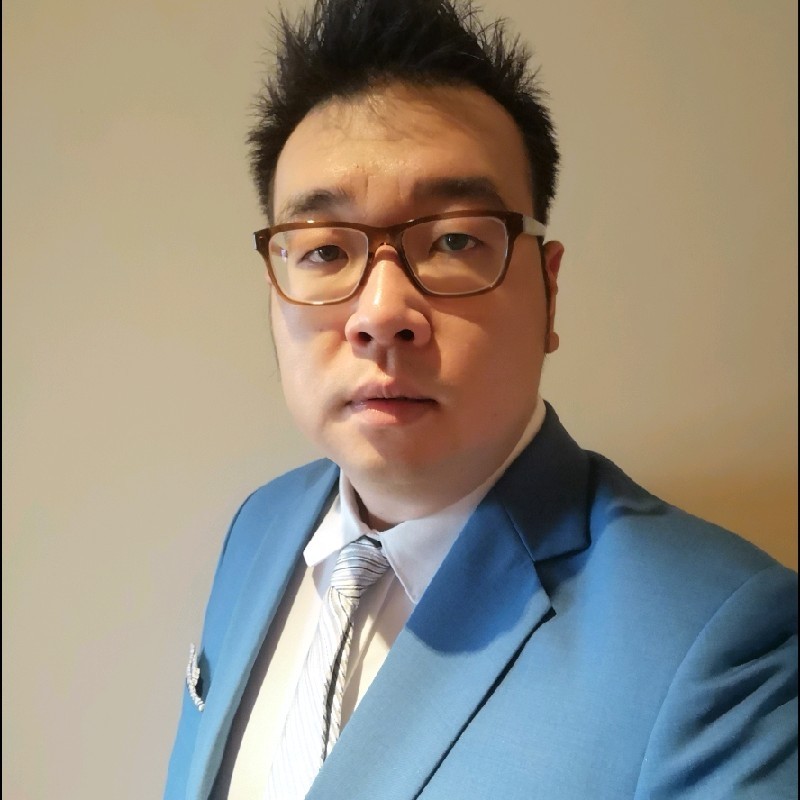
Jeremy Lee is a seasoned digital marketing director and strategist with over two decades of experience in the industry. As the founder of Sotavento Medios, I manage a diverse portfolio of over 50 businesses, helping brands grow through advanced search strategies and digital innovation. My work focuses on bridging the gap between traditional search engine optimisation and the evolving world of AI-driven answer engines.