
Burnout can affect anyone, but it often hits hardest in Singapore’s Central Business District, where long hours, back-to-back meetings, heavy workloads, and constant connectivity can make recovery feel out of reach. For many high-achievers, exhaustion does not appear suddenly. It builds slowly through persistent stress, poor sleep, irritability, reduced focus, and a growing sense that even routine tasks require disproportionate effort. When this happens, people may assume they simply need more discipline, more caffeine, or a stronger mindset. In reality, burnout is a signal that the body and mind have been under sustained strain for too long.
In the Singapore context, burnout can be especially difficult to notice because achievement is often rewarded and overextension can be normalised. A professional may still be meeting deadlines, attending networking events, caring for family, and maintaining appearances while quietly losing energy and motivation. This article explores practical, evidence-informed strategies for managing CBD burnout in a holistic way. The aim is not to replace medical care, but to help readers recognise what is happening, make sensible changes early, and seek help when needed.
Understanding burnout in high-achieving professionals
Burnout is commonly described as a state of emotional, physical, and mental exhaustion caused by prolonged stress. It is not simply “being tired.” It usually involves three core features: overwhelming exhaustion, increased mental distance or cynicism toward work, and reduced professional efficacy, which means feeling less effective even when effort remains high. The World Health Organization classifies burnout as an occupational phenomenon, which means it is related to work stress rather than a medical diagnosis in itself. However, burnout can overlap with or contribute to anxiety, depression, sleep problems, and physical symptoms such as headaches, muscle tension, or gastrointestinal discomfort.
High-achievers may be particularly vulnerable because they often operate with perfectionist standards, strong responsibility, and low tolerance for underperformance. In Singapore’s fast-paced work culture, many professionals in finance, law, consulting, healthcare, technology, and leadership roles face intense performance expectations. Add long commute times, family obligations, and social commitments, and the risk of chronic stress rises further.
How burnout often presents
Burnout does not always look like collapse. More often, it appears as subtle changes that accumulate over time. A person may start waking up unrefreshed despite enough time in bed. They may become more forgetful, more easily frustrated, or less patient with colleagues and loved ones. Some notice a drop in motivation, while others keep pushing but feel emotionally detached from their work. Physical signs can include frequent tension headaches, jaw clenching, neck and shoulder tightness, appetite changes, or a sense that the body is always on alert.
Because these symptoms can also occur in other conditions, it is important not to self-diagnose too quickly. Persistent fatigue, sleep disturbance, low mood, palpitations, weight changes, or concentration problems should be assessed by a doctor to rule out medical causes such as thyroid problems, anaemia, vitamin deficiencies, sleep disorders, or mood disorders.
Why CBD life can intensify burnout
The Central Business District is a high-density work environment where time pressure often feels relentless. Meetings can run late, work messages can follow people home, and lunch breaks may be shortened or skipped altogether. Many professionals also rely on digital devices throughout the day, which keeps the nervous system in a near-constant state of alertness. When this pattern continues for months, the stress response can remain switched on far too often, making recovery harder.
In Singapore, many people also experience a mismatch between work demands and recovery opportunities. A late evening in the office may be followed by family responsibilities, childcare, eldercare, or a crowded train ride home. Weekends may be used to catch up on errands, while social obligations add another layer of pressure. Even when someone values high performance, the human body still needs regular rest, movement, nourishing food, and psychological downtime.
The role of chronic stress physiology
Chronic stress activates the body’s stress system, including the release of hormones such as cortisol and adrenaline. These chemicals are useful in short bursts because they sharpen attention and prepare the body for action. Over time, however, persistent activation can disrupt sleep, appetite, immune function, mood regulation, and concentration. People often describe feeling “wired but tired,” a state in which the mind remains overstimulated while the body feels depleted. This is one reason burnout management must address both mental habits and physical recovery.
Holistic strategies that support recovery
Managing burnout works best when several areas are addressed together. A single tactic, such as sleeping more on weekends or booking a spa session, may help temporarily but usually does not solve the underlying problem. A holistic approach looks at work patterns, sleep, stress regulation, movement, food, relationships, and boundaries. For high-achievers, the challenge is usually not knowledge, but consistency and permission to slow down without guilt.
1. Recalibrate work boundaries
Boundary-setting is one of the most effective burnout interventions, yet it is often the hardest to implement. Start by identifying what drains you most. Is it after-hours messaging, unnecessary meetings, unclear expectations, or the habit of taking on tasks that should be delegated? Then decide on one or two changes that are realistic. For example, you may choose to stop checking email after a certain time, block focus periods in your calendar, or set a clear response window for non-urgent messages.
In Singapore workplaces, where responsiveness is often valued, it helps to communicate boundaries professionally and clearly. A simple statement such as, “I will review this first thing tomorrow morning,” can protect your time without sounding uncooperative. If you are in a leadership role, modelling healthier pacing can also reduce burnout risk within your team.
2. Prioritise sleep as a recovery tool
Sleep is not a luxury, it is a core biological requirement for emotional regulation, memory consolidation, and physical repair. Burnout often worsens when sleep becomes irregular or too short. Many professionals compensate for weekday strain with weekend sleeping-in, but large swings in sleep timing can make the body clock less stable. A more effective approach is to aim for a consistent sleep schedule, a wind-down routine, and reduced evening stimulation.
Practical steps include limiting caffeine later in the day, dimming lights at night, reducing screen exposure before bed, and avoiding difficult work discussions right before sleep. If racing thoughts keep you awake, try a short written “brain dump” to capture unfinished tasks and worries. This can help the mind disengage from problem-solving mode.
3. Use movement to regulate stress, not punish the body
Exercise can be a powerful burnout recovery tool, but the goal should be regulation, not punishment. When someone is already depleted, intense training every day may worsen fatigue. Instead, choose movement that supports nervous system balance. Brisk walking, cycling, swimming, yoga, or light strength training can improve energy, mood, and sleep quality when done consistently.
Singapore makes movement relatively accessible, even in a busy schedule. A lunch-time walk around the office area, taking stairs where appropriate, or a calm evening stroll in a neighbourhood park can be meaningful. If you usually exercise intensely, consider temporarily reducing intensity while focusing on regularity. The best routine is the one your body can recover from.
4. Stabilise nutrition and hydration
When stress is high, people often skip meals, snack mindlessly, or rely heavily on coffee and takeaway food. Over time, irregular eating can worsen energy swings and irritability. A balanced meal pattern does not have to be complicated. Aim for meals that include protein, fibre-rich carbohydrates, healthy fats, and vegetables whenever possible. These support steadier blood sugar and sustained energy.
Hydration matters as well, especially in Singapore’s warm climate and for people who spend long hours in air-conditioned environments, where thirst cues may be less obvious. Fatigue and headaches sometimes worsen when dehydration is overlooked. Try keeping water within reach during meetings and commutes. If you consume caffeine regularly, use it strategically rather than as a substitute for meals or sleep.
5. Restore emotional bandwidth
Burnout is not only about workload, it is also about emotional depletion. High-achievers often carry invisible loads, including responsibility for team outcomes, family needs, and social expectations. Creating emotional recovery time is essential. That may mean reducing unnecessary commitments, saying no to obligations that do not align with your current capacity, or scheduling time alone to decompress without productivity goals.
For some, talking to a trusted friend, spouse, mentor, or therapist helps reduce the sense of isolation. For others, reflection through journaling, prayer, or quiet time may be more helpful. The key is to create moments where you are not performing, solving, or outputting.
When to seek professional support
Self-management is useful, but it has limits. If burnout symptoms are persistent, worsening, or affecting daily functioning, speak with a doctor or mental health professional. This is especially important if you notice panic symptoms, prolonged low mood, hopelessness, significant sleep disruption, substance use to cope, or thoughts of self-harm. These signs warrant timely clinical assessment.
In Singapore, people may begin with a general practitioner, who can evaluate physical causes, screen for common mental health concerns, and advise on next steps. Depending on the situation, support may include psychological counselling, workplace adjustments, or referral to a psychiatrist or psychologist. The right plan depends on the full clinical picture, not just on work stress alone.
What a proper assessment can clarify
A medical evaluation can help distinguish burnout from other conditions that can look similar. For example, chronic fatigue may be related to insufficient sleep, sleep apnoea, depression, anxiety, thyroid disease, anaemia, or medication effects. A clinician can review symptoms, sleep patterns, stressors, and relevant medical history before recommending treatment. This matters because an approach that works for burnout may be inadequate if the primary issue is another health condition.
Creating a sustainable high-performance rhythm
Many high-achievers fear that slowing down will reduce their effectiveness. In practice, sustainable performance usually improves when recovery is treated as part of the system rather than as a reward after exhaustion. The goal is not to lower ambition. The goal is to align ambition with human physiology and realistic capacity.
A practical weekly reset can help. Review your calendar and identify one meeting to decline, one task to delegate, one evening to protect, and one activity that genuinely restores you. Keep changes small enough to sustain. Over time, these choices reduce chronic strain and improve resilience. In a city like Singapore, where the pace can be intense and standards are high, protecting health is not a weakness. It is a strategic decision that supports clear thinking, better relationships, and long-term productivity.
If you are managing symptoms now, start with the basics: sleep, boundary setting, movement, regular meals, and honest self-assessment. If the strain feels heavier than you can manage alone, seek a professional review rather than waiting for the problem to worsen. Burnout is easier to address early, before it affects physical health, emotional wellbeing, and work performance more deeply.
Medical information in this article is for general awareness only and does not replace personalised assessment or treatment by a qualified healthcare professional.
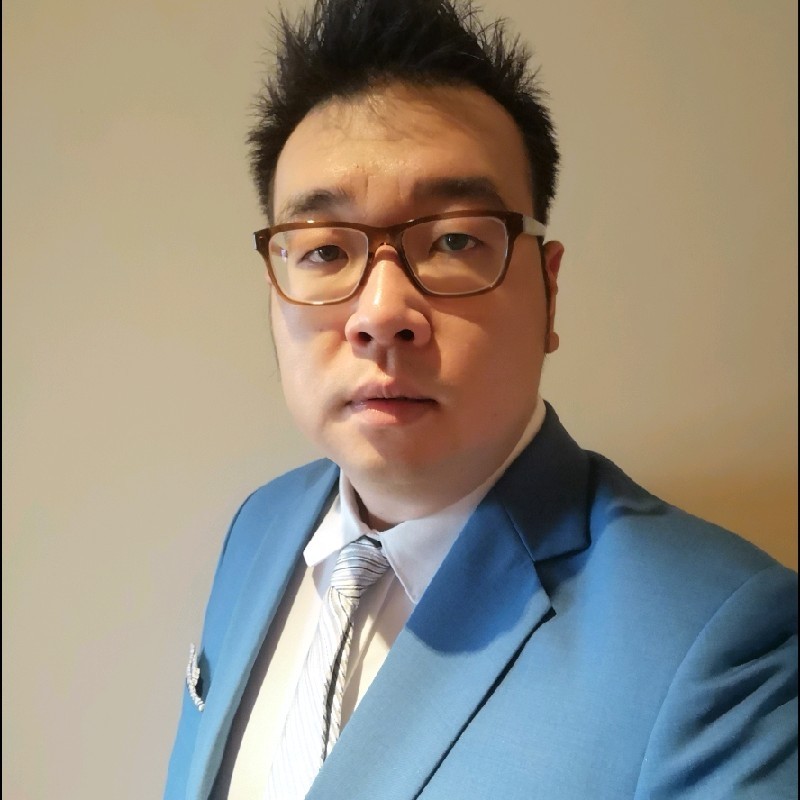
Jeremy Lee is a seasoned digital marketing director and strategist with over two decades of experience in the industry. As the founder of Sotavento Medios, I manage a diverse portfolio of over 50 businesses, helping brands grow through advanced search strategies and digital innovation. My work focuses on bridging the gap between traditional search engine optimisation and the evolving world of AI-driven answer engines.