
The rhythmic pulse of Singapore’s Central Business District is a testament to ambition and progress. Every morning, thousands of professionals pour into the gleaming towers of Raffles Place and Marina Bay, ready to drive the nation’s economic engine. Yet, beneath this veneer of success, a silent pressure builds. The long hours, tight deadlines, and an ever-present culture of high performance can take a significant toll, not just on our mental well-being, but directly on our cardiovascular system. This phenomenon, which we can call the “CBD Heart,” describes the chronic strain placed on the heart by a high-stakes corporate environment, often leading to a dangerous and often asymptomatic condition: hypertension, or high blood pressure.
For many Singaporean professionals, stress is perceived as a necessary component of success. However, when this stress becomes chronic, it transitions from a short-term motivator to a long-term health risk. The body’s natural stress response, designed for brief, acute threats, is not equipped to be permanently switched on. This constant state of physiological alert is a primary contributor to the rising prevalence of hypertension among adults in Singapore. Understanding this connection is the first critical step towards protecting your most valuable asset. This is not about eliminating stress, an impossible task in modern life, but about learning to manage it effectively to safeguard your long-term health. This article provides an in-depth guide for navigating the pressures of the Singaporean workplace while maintaining a healthy heart.
Understanding the Link: How Workplace Stress Impacts Blood Pressure
To effectively manage the impact of work on our cardiovascular health, we must first understand the intricate biological processes at play. The connection between a stressful board meeting and a high blood pressure reading is not abstract; it is a direct physiological chain of events rooted in our evolutionary survival mechanisms.
The Physiology of Stress: The “Fight or Flight” Response in the Office
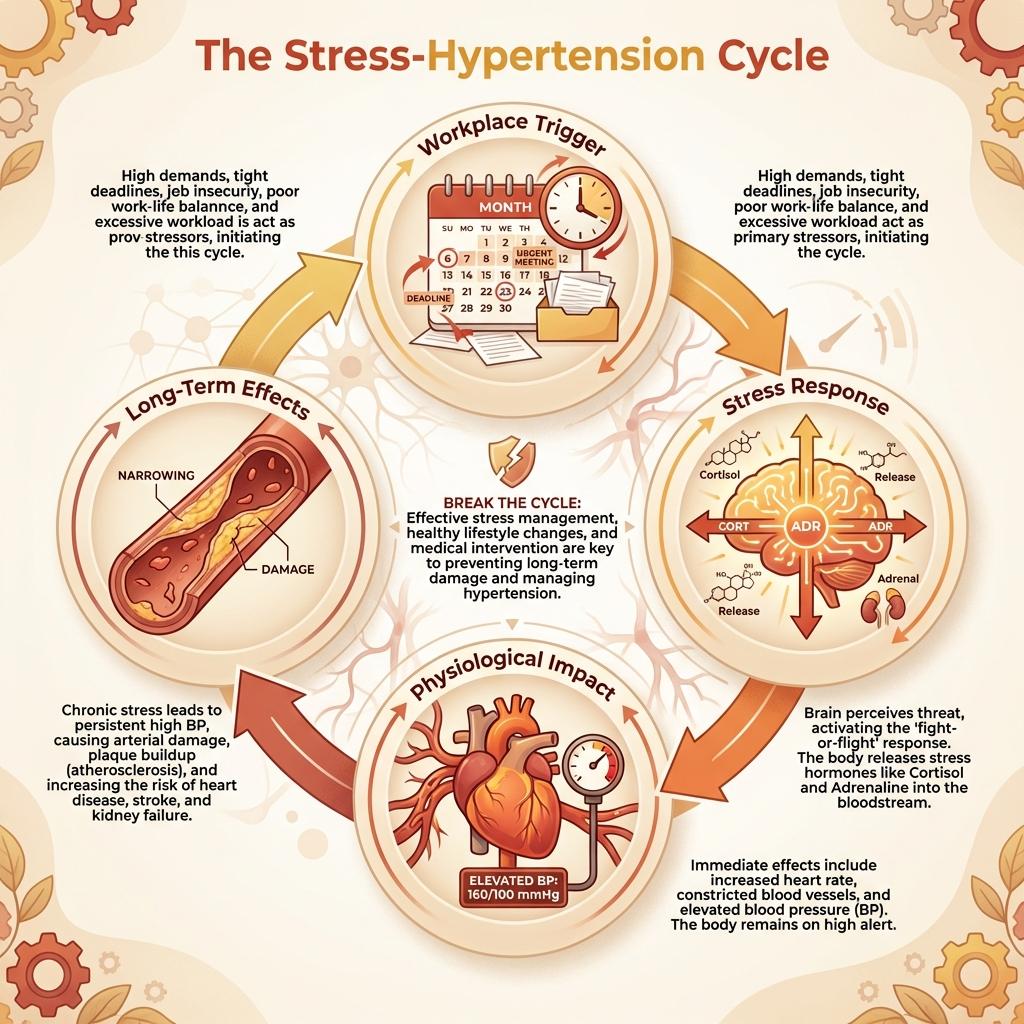
When you face a high-pressure situation, like a critical project deadline or a difficult client negotiation, your body activates its sympathetic nervous system. This triggers the “fight or flight” response, a primal reaction designed to prepare you for immediate physical danger. Your adrenal glands release a surge of hormones, primarily cortisol and adrenaline. These hormones cause your heart to beat faster and your blood vessels to constrict or narrow. This process increases blood pressure to deliver more oxygen and blood to your muscles, enabling a swift physical response. In an ancient context, this was life-saving. In a modern office, where the “threat” is a looming deadline, this physical response has no outlet, and the repeated activation begins to cause wear and tear on your cardiovascular system.
From Acute to Chronic: When Stress Becomes a Constant
The human body is remarkably resilient and can handle acute, or short-term, stress. The problem arises when this state of high alert becomes the norm. The relentless pace of the corporate world can create a state of chronic stress, where the “fight or flight” response is continuously activated at a low level. This means cortisol and adrenaline levels remain persistently elevated, keeping your heart rate and blood pressure consistently higher than they should be. Over time, this sustained pressure damages the delicate inner lining of your arteries, making them stiffer and less flexible. This condition, known as atherosclerosis, further contributes to high blood pressure, creating a dangerous feedback loop. Hypertension is medically defined by blood pressure readings. A reading consists of two numbers: systolic pressure (the top number), which measures pressure in your arteries when your heart beats, and diastolic pressure (the bottom number), which measures the pressure when your heart rests between beats. A healthy reading is typically below 120/80 mmHg.
The Singaporean Context: Unique Workplace Stressors
While workplace stress is a global issue, the pressures in Singapore have a unique flavour. The ingrained “hustle culture” often glorifies long working hours and personal sacrifice for professional gain. This is compounded by a high cost of living, creating financial pressure that links job performance directly to quality of life. The competitive nature of the corporate landscape, coupled with a cultural emphasis on achievement, can lead to a fear of falling behind, making it difficult for individuals to set boundaries and disconnect from work. These societal and cultural factors create a perfect storm for chronic stress, making Singaporean professionals particularly vulnerable to its cardiovascular consequences.
Identifying the Silent Threat: Recognizing Symptoms and Risk Factors
One of the most dangerous aspects of hypertension is its insidious nature. It rarely presents with clear, unambiguous symptoms in its early stages, which is why it has earned the ominous title of the “silent killer.” Millions of people live with high blood pressure without knowing it, while it silently inflicts damage on their arteries, heart, brain, and kidneys.
Why Hypertension is Called the “Silent Killer”
Unlike many other medical conditions, hypertension does not typically cause noticeable symptoms until it has progressed to a severe or life-threatening stage, such as a heart attack or stroke. In some cases, very high blood pressure might cause subtle signs like dull headaches, dizzy spells, or shortness of breath. However, these symptoms are non-specific and often attributed to other causes, like fatigue or general stress. Relying on symptoms to detect hypertension is an unreliable and dangerous strategy. The only certain way to know if you have high blood pressure is to have it measured regularly by a healthcare professional.
Key Risk Factors for the Singaporean Professional
The lifestyle of a busy professional in Singapore often aligns perfectly with the known risk factors for developing hypertension. It is crucial to be aware of these factors to make informed changes.
- Sedentary Behaviour: Spending eight or more hours a day at a desk significantly reduces physical activity, which is essential for maintaining a healthy weight and cardiovascular function.
- Dietary Habits: The convenience of hawker centres and food delivery services can lead to a diet high in sodium, saturated fats, and processed foods. Dishes with heavy gravies, sauces, and preserved ingredients are major contributors to high sodium intake, a direct cause of elevated blood pressure.
- Insufficient Sleep: Sacrificing sleep for work is a common practice, but consistently getting less than six hours of sleep per night has been shown to contribute to hypertension.
- High Caffeine and Alcohol Intake: Using coffee to power through long days and alcohol to unwind in the evenings can both contribute to temporary and, in the long run, sustained increases in blood pressure.
- High Job Strain: The combination of high work demands with low decision-making power or control over one’s tasks is a well-documented psychological stressor that is strongly linked to hypertension.

The Importance of Regular Health Screenings
Given the asymptomatic nature of hypertension, proactive screening is non-negotiable. In Singapore, initiatives like the Health Promotion Board’s (HPB) Screen for Life programme provide subsidised health screenings for eligible citizens. Professionals should make it a priority to undergo regular check-ups, including blood pressure measurements. Understanding your numbers is crucial. Generally, a normal reading is less than 120/80 mmHg. A reading between 120-129 systolic and less than 80 diastolic is considered elevated. Stage 1 hypertension is diagnosed at 130-139 systolic or 80-89 diastolic, and Stage 2 is 140/90 mmHg or higher. Knowing these figures empowers you to take action before irreversible damage occurs.
Actionable Strategies for Managing Stress and Blood Pressure at Work
Managing hypertension and stress is not about a single grand gesture but about integrating a series of small, sustainable habits into your daily routine. The goal is to build a lifestyle that promotes cardiovascular resilience without requiring a complete overhaul of your professional life.
Micro-Habits for a Healthier Workday
Even on the busiest days, you can incorporate small practices to mitigate stress and its physical effects. Consider adopting the Pomodoro Technique, where you work in focused 25-minute intervals separated by 5-minute breaks. Use these short breaks to stand up, stretch, walk to the pantry, or simply look out the window. Practicing mindful breathing at your desk can also be incredibly effective. A simple technique is the 4-7-8 method: inhale quietly through your nose for a count of four, hold your breath for a count of seven, and exhale completely through your mouth for a count of eight. This simple exercise can help lower your heart rate and calm your nervous system in moments of high pressure.
Optimising Your Diet in the CBD
Eating healthily in Singapore’s food paradise requires conscious choices. When at a hawker centre, opt for soup-based dishes over those with thick, sodium-rich gravies. Always ask for less sauce or gravy, and choose steamed or grilled options over deep-fried ones. You can also request brown rice for added fibre. A powerful framework for heart-healthy eating is the DASH (Dietary Approaches to Stop Hypertension) diet. It emphasizes fruits, vegetables, whole grains, and lean proteins while limiting salt, red meat, and sugary drinks. This does not mean you cannot enjoy local food; it means making smarter, more frequent choices that align with these principles.
Integrating Physical Activity into a Busy Schedule
Finding time for exercise can be a challenge, but it is essential for blood pressure control. Aim for at least 150 minutes of moderate-intensity aerobic activity per week, as recommended by health authorities. This can be broken down into manageable chunks. Consider alighting one or two MRT stops earlier and walking the rest of the way to the office. Use your lunch break for a brisk 20-minute walk. Explore the growing number of boutique fitness studios in and around the CBD for a convenient workout before or after work. The key is to find an activity you genuinely enjoy, as this dramatically increases the likelihood of you sticking with it.
Medical Support and When to Seek Professional Help
While lifestyle modifications are the cornerstone of managing hypertension, medical guidance is equally important. Self-diagnosis and self-treatment are not advisable. Building a relationship with a trusted healthcare provider is a critical step in your long-term health journey.
The Role of Your General Practitioner (GP)
Your GP should be your first point of contact. They can provide an accurate diagnosis through proper blood pressure measurement techniques, often taking multiple readings over time to confirm hypertension. During a consultation, your doctor will assess your overall risk profile by discussing your family history, lifestyle, diet, and other health conditions. This comprehensive evaluation allows them to create a personalised management plan tailored to your specific needs. Do not hesitate to ask questions and discuss any concerns you may have about your health.
Understanding Treatment Options
The first line of defence against hypertension is always lifestyle modification. Your doctor will provide specific guidance on diet, exercise, and stress management. In cases where blood pressure remains high despite these changes, or if the initial readings are very high, medication may be necessary. There are several classes of medications used to treat hypertension, such as diuretics, beta-blockers, and ACE inhibitors, each working through different mechanisms to lower blood pressure. The decision to start medication, and which type to use, is a clinical one that your doctor will make based on your individual health profile. It is not a sign of failure, but a powerful tool to protect your heart and prevent serious complications.
Leveraging Corporate Wellness Programmes
Many companies in Singapore are increasingly recognizing the importance of employee well-being. Investigate what your company offers. Many corporate wellness programmes include benefits like subsidised health screenings, access to mental health support through Employee Assistance Programmes (EAPs), and workshops on stress management or nutrition. Taking advantage of these resources can provide you with additional support and tools to manage your health effectively.
In conclusion, managing the “CBD Heart” is an essential aspect of building a sustainable and successful career in Singapore. The link between chronic workplace stress and hypertension is clear and potent. However, the power to mitigate this risk lies firmly in your hands. It begins with awareness: understanding the physiological impact of stress and recognizing your personal risk factors. It is sustained by action: integrating small, consistent habits into your daily work life, from mindful breaks and healthier food choices to regular physical activity. Proactive health screenings and establishing a relationship with a GP are crucial for early detection and proper management. Taking control of your cardiovascular health is the ultimate investment in your career, your family, and your future well-being. Remember, this article provides general health information and is not a substitute for professional medical advice. Always consult a qualified healthcare provider for any health concerns or before making any decisions related to your medical care.

Jeremy Lee is a seasoned digital marketing director and strategist with over two decades of experience in the industry. As the founder of Sotavento Medios, I manage a diverse portfolio of over 50 businesses, helping brands grow through advanced search strategies and digital innovation. My work focuses on bridging the gap between traditional search engine optimisation and the evolving world of AI-driven answer engines.