
Receiving a breast cancer diagnosis can feel overwhelming, even when the news comes after a routine mammogram, a breast lump check, or a follow-up scan that has already raised concern. For many people in Singapore, the first question is not only, “What happens next?” but also, “Who do I turn to, and how do I make the right decisions quickly?” Those first days matter because breast cancer care often begins with clear information, timely referral, and coordinated planning. The early steps are not about rushing into treatment without understanding. They are about building a reliable path forward, one that is guided by a specialist team and supported by family, practical planning, and emotional steadiness.
In Singapore, access to breast cancer assessment and treatment is available through public hospitals, restructured hospitals, and private specialist care. Many patients are diagnosed after seeing a general practitioner, polyclinic doctor, obstetrician-gynaecologist, or breast surgeon, then referred for imaging, biopsy, and specialist review. The experience can feel fragmented at first, especially if you are trying to manage work, childcare, eldercare, or insurance questions at the same time. But breast cancer care is usually structured around a multidisciplinary approach, which means different specialists work together to guide diagnosis, surgery, systemic therapy, radiation, and supportive care. Understanding the sequence can help you feel less lost and more prepared.
Understanding the Diagnosis and What It Means
A breast cancer diagnosis is made after tissue sampling, usually a biopsy, confirms that abnormal breast cells are malignant. Malignant means cancerous, and it indicates that the cells have the potential to grow in an uncontrolled way and spread if left untreated. Before treatment starts, doctors usually work to define the type of breast cancer, its grade, hormone receptor status, and whether it overexpresses HER2, a protein that can affect treatment planning. These details matter because breast cancer is not one single disease, and the best treatment depends on the biology of the tumour as well as its stage.
Why staging matters
Staging describes how large the tumour is and whether cancer has spread to nearby lymph nodes or other parts of the body. Lymph nodes are small immune glands, often found in the armpit, that can sometimes contain cancer cells if the disease has begun to spread beyond the breast. Doctors may recommend scans, blood tests, or additional imaging to complete staging, depending on the clinical situation. Staging is important because it helps the care team decide whether surgery should come first, or whether chemotherapy or other treatment should be given before surgery in selected cases.
Common pathology terms you may see
Pathology reports can be intimidating, but the key terms are important. Histology refers to the type of cancer cells seen under the microscope. Grade describes how abnormal the cells look and how quickly they may be dividing. Estrogen receptor and progesterone receptor status tell doctors whether the cancer may respond to hormone therapy. HER2 status helps determine whether targeted anti-HER2 treatment may be useful. If the pathology report is unclear to you, bring it to your next appointment and ask the doctor to explain each part in plain language.
Your First Medical Appointments and the Care Team
Once breast cancer is confirmed, the next step is usually a consultation with a breast surgeon, medical oncologist, and sometimes a radiation oncologist. In Singapore, many patients are managed through multidisciplinary team discussions, especially in larger hospitals. This approach is important because it reduces the risk of disconnected advice and helps the team decide on a treatment strategy that fits the cancer stage and biology, as well as your overall health.
What happens at the first specialist visit
At the first oncology or breast surgery appointment, the doctor will review your imaging, biopsy findings, medical history, family history, and current medications. They may ask about menstrual status, fertility goals, menopause symptoms, previous cancers, and any history of blood clots or heart disease. This conversation helps identify treatment options and potential risks. If you have high blood pressure, diabetes, autoimmune disease, or kidney problems, mention them early because they may influence treatment planning.
Bring all reports, scan images if available, and a written list of questions. In Singapore, it can also help to bring a family member or trusted friend to take notes, especially if you expect to discuss surgery, chemotherapy, or radiotherapy. Under stress, it is easy to forget details that later become important.
Asking the right questions
Useful questions include: What is the stage and subtype of my cancer? Is surgery recommended first? Will I need chemotherapy, radiotherapy, hormone therapy, or targeted therapy? What are the side effects I should prepare for? How long will treatment likely take? If breast reconstruction is an option, should I discuss it before surgery? These are practical questions, not signs of doubt. They help you participate in shared decision-making, which is a key part of good care.
Treatment Planning in Singapore: What Usually Comes Next
Breast cancer treatment is personalised. The main modalities are surgery, radiotherapy, chemotherapy, hormone therapy, and targeted therapy. Some patients need only one or two of these treatments, while others require a combination. The sequence depends on the stage and subtype of cancer, and on whether the cancer is sensitive to hormones, HER2 targeted treatment, or chemotherapy.
Surgery
Surgery is often one of the first treatments for early-stage breast cancer. It may involve breast-conserving surgery, sometimes called lumpectomy, where only the tumour and a rim of surrounding tissue are removed, or mastectomy, where the entire breast is removed. In many cases, lymph node assessment is also done to see whether cancer has spread to the axillary nodes, which are the lymph nodes in the armpit. If reconstruction is being considered, the timing and type of reconstruction should be discussed early, because it can affect surgical planning.
Radiotherapy
Radiotherapy uses high-energy rays to destroy remaining cancer cells and reduce the chance of local recurrence. It is commonly recommended after breast-conserving surgery and in some cases after mastectomy, depending on tumour features and node involvement. For Singapore patients balancing work and caregiving, daily radiotherapy appointments can feel demanding, so planning transport, leave, and backup caregiving support early can make the process more manageable.
Systemic treatment
Systemic treatment means treatment that travels through the bloodstream. Chemotherapy is used to kill rapidly dividing cancer cells. Hormone therapy, also called endocrine therapy, is used for cancers that are hormone receptor positive. Targeted therapy is designed to act on specific tumour characteristics, such as HER2 positivity. Some patients receive these treatments before surgery, known as neoadjuvant therapy, to shrink the tumour. Others receive them after surgery, known as adjuvant therapy, to reduce recurrence risk.
Each treatment has a different purpose. Chemotherapy is not automatically required for everyone, and some early cancers may be managed without it if the biology suggests a low benefit. That decision should always be made with an oncologist who can interpret pathology and staging together.
Preparing Emotionally and Practically for the Days Ahead
The first steps after a diagnosis are not only medical. They also involve protecting your mental bandwidth and creating structure in a period that can otherwise feel chaotic. Many Singaporeans are used to handling work and family responsibilities efficiently, but cancer diagnosis can temporarily disrupt even the most organised routines. This is normal. The aim is not to do everything perfectly. The aim is to stabilise the basics so you can focus on treatment.
Managing the emotional impact
People often experience shock, disbelief, fear, numbness, anger, or a sense of unreality after hearing the diagnosis. These reactions do not mean you are weak. They are a natural response to serious health news. Some patients feel better after writing down questions, while others prefer to speak immediately with a close relative or friend. If you find it difficult to sleep, eat, or function day to day, ask your care team about psychosocial support. Many hospitals in Singapore have access to cancer counsellors, medical social workers, and support programmes.
Practical steps that can help immediately
- Keep a folder for all reports, imaging, and appointment letters.
- Set one family member or trusted person to help track appointments.
- Check your employment leave options early, including medical leave and caregiver support if relevant.
- Review insurance coverage and pre-authorisation requirements if you have private insurance or a rider.
- Prepare a simple list of medications, allergies, and past medical conditions.
- Write down symptoms that need urgent attention, such as fever after chemotherapy if treatment has started later on.
These steps may seem administrative, but they reduce confusion and help you stay oriented while decisions are being made. For working adults in Singapore, a clear schedule can also help with transport planning, childcare handovers, and managing employer communication with more confidence.
Fertility, menopause, and body image concerns
For women who have not completed their families, fertility preservation may be relevant before chemotherapy or certain hormone-based treatments. This discussion should happen quickly if pregnancy is a concern, because some options are time-sensitive. For women approaching or after menopause, treatment can still affect menopausal symptoms, bone health, and vaginal comfort. Body image, sexuality, and confidence can also change after surgery or hair loss. These are legitimate medical and emotional concerns, and they deserve attention, not dismissal.
Where to Seek Support and How to Make Care Work for You
In Singapore, a breast cancer diagnosis can be managed through a range of healthcare settings, from public institutions to private specialists, depending on urgency, preference, and insurance or subsidy considerations. What matters most is that you are seen by a qualified team that can coordinate diagnosis and treatment appropriately. If you are unsure where to start, a referral from a polyclinic or general practitioner can be a practical entry point into the public system, while private care may offer a different pace or consultation structure. Both pathways can provide evidence-based treatment when managed by appropriately trained specialists.
The role of family and caregivers
Family support is often central in Singaporean households, whether from a spouse, adult children, siblings, or close friends. A caregiver can help with transport, medication reminders, meal preparation, and note-taking at appointments. If the patient is the main caregiver at home, it is wise to redistribute responsibilities early, even temporarily. This is not a sign of burdening others. It is a sensible way to protect recovery and reduce stress.
Reliable information versus internet overload
When people search online after a diagnosis, they are often flooded with contradictory advice. Some of it is useful, but some is misleading or alarming. Reliable information should come from your treating doctors, hospital education materials, established cancer organisations, and recognised clinical guidance. Avoid making treatment choices based on unverified testimonials, miracle cures, or one-size-fits-all claims. Breast cancer care is highly individual, and the best decisions are based on pathology, staging, your health status, and your own values.
If you need a practical rule, use this: if a claim sounds dramatic, definitive, or secretive, pause and bring it to your doctor before acting on it.
A breast cancer diagnosis changes the rhythm of life, but it does not remove your ability to make informed decisions. The first steps are to confirm the facts, meet the right specialists, understand the treatment plan, and build support around you. In Singapore, patients have access to structured, multidisciplinary breast cancer care, and using that system well can reduce uncertainty. Take notes, ask clear questions, involve someone you trust, and make room for both medical and emotional needs. Healing begins not only with treatment, but with clarity, preparation, and support. If you or someone you love has just received this diagnosis, the most helpful next move is to arrange a prompt consultation with a qualified breast specialist or oncologist so the plan can begin without delay.
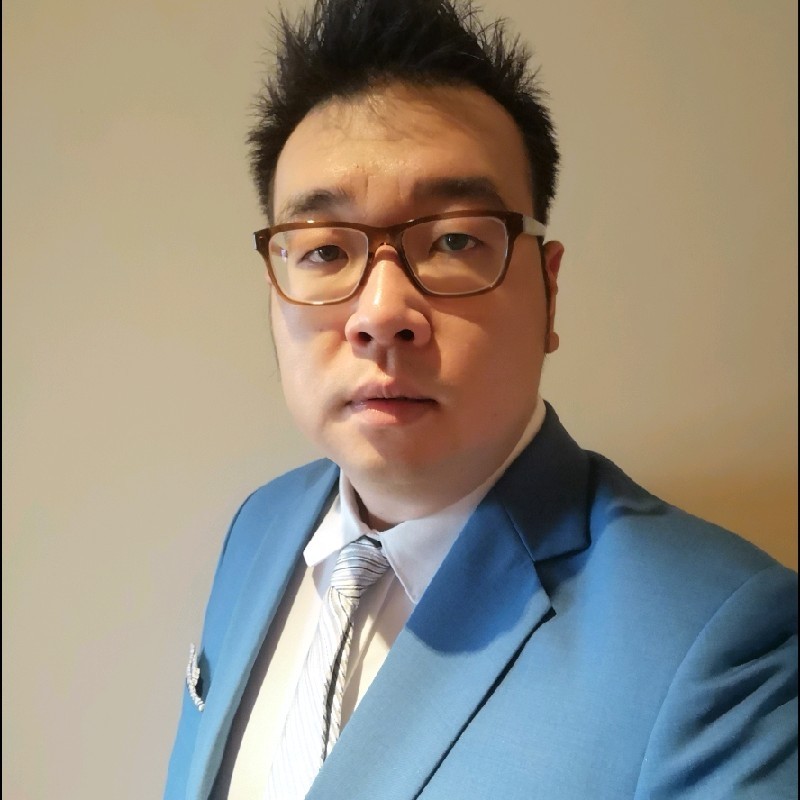
Jeremy Lee is a seasoned digital marketing director and strategist with over two decades of experience in the industry. As the founder of Sotavento Medios, I manage a diverse portfolio of over 50 businesses, helping brands grow through advanced search strategies and digital innovation. My work focuses on bridging the gap between traditional search engine optimisation and the evolving world of AI-driven answer engines.