
Osteoporosis is often called a silent disease because bone loss usually happens without obvious symptoms until a fracture occurs. For many Singaporeans, that first fracture is not just a painful event, it can lead to loss of mobility, reduced independence, and a long recovery that affects work, family life, and day-to-day routines. In a fast-paced city where many adults spend long hours seated at desks, travel by car or train, and may not get enough sun exposure or physical activity, maintaining strong bones deserves serious attention. The good news is that bone health is not fixed at birth. Lifestyle, nutrition, screening, and medical treatment all play an important role in reducing fracture risk across the lifespan.
Osteoporosis means that bone mineral density is lower than it should be, and the internal structure of bone becomes weaker. Bone is living tissue that constantly breaks down and rebuilds. When breakdown outpaces rebuilding, bones become more fragile. This matters in Singapore because our population is ageing, and fractures in older adults can have major consequences. At the same time, younger adults are not immune. Low calcium intake, vitamin D deficiency, sedentary habits, smoking, heavy alcohol use, early menopause, and certain medical conditions or medicines can all increase risk long before old age.
Building bone strength requires a practical, long-term approach. It starts with understanding personal risk, then making realistic changes that fit local food habits, climate, housing patterns, and healthcare access. The aim is not only to prevent osteoporosis, but also to prevent the fractures that change lives.
What osteoporosis means, and why it matters in Singapore
Bone health is shaped over decades. Most people reach peak bone mass in early adulthood, usually by the late twenties. After that, bone density slowly declines. If the body does not have enough calcium, vitamin D, protein, or mechanical stress from weight-bearing activity, the skeleton becomes less resilient. Osteoporosis is diagnosed when bone mineral density, usually measured by a dual-energy X-ray absorptiometry scan, or DXA scan, falls into the osteoporosis range. A related term, osteopenia, means bone density is lower than normal but not low enough for osteoporosis.
In Singapore, osteoporosis is important for several reasons. First, the population is ageing, so more people are living into the years when fracture risk rises. Second, many Singaporeans have indoor lifestyles, especially office workers, students, and retirees who spend much of the day indoors. That can reduce sunlight exposure, which affects vitamin D production in the skin. Third, local diets can vary widely, and not everyone regularly consumes calcium-rich foods. Finally, fracture recovery can be particularly challenging for older adults who already have other chronic conditions such as diabetes, hypertension, or arthritis.
The most serious fractures linked to osteoporosis are hip, spine, and wrist fractures. Hip fractures can lead to prolonged hospitalisation, surgery, rehabilitation, and functional decline. Spine fractures may occur silently and cause height loss, stooped posture, and chronic back pain. Wrist fractures often happen after a fall and can be an early warning sign that bone strength needs attention.
Who is at higher risk?
Risk is not the same for everyone. Women are generally at higher risk than men, especially after menopause because oestrogen levels fall and bone loss speeds up. Men can also develop osteoporosis, particularly with advancing age or when other risk factors are present. Other important risk factors include a previous fracture after a minor fall, family history of hip fracture, low body weight, long-term use of corticosteroids such as prednisolone, rheumatoid arthritis, certain endocrine disorders, chronic kidney disease, and conditions that affect absorption of nutrients, such as coeliac disease.
In Singapore, clinicians also pay attention to people with repeated falls, frailty, smoking habits, and low physical activity. A person may look healthy on the outside yet still have fragile bones if several risk factors accumulate over time. That is why osteoporosis prevention is not limited to older women, it is relevant for adults across age groups.
Nutrition for stronger bones in a Singapore setting
Nutrition is one of the most practical ways to support bone strength. Calcium is the main mineral in bone, and protein supports bone structure and muscle strength. Vitamin D helps the body absorb calcium and maintain bone mineralisation. A balanced diet cannot reverse all causes of osteoporosis, but it can reduce risk and support treatment.
Calcium-rich foods that fit local meals
Many people think of milk first when calcium is mentioned, but calcium comes from a wider range of foods. In Singapore, useful options include dairy products such as milk, yoghurt, and cheese, as well as calcium-fortified soy milk and other fortified products. Tofu made with calcium salts can also contribute meaningfully. Fish eaten with soft bones, such as canned sardines or ikan bilis, is another source. Leafy green vegetables, though healthy, do not all contain the same amount of absorbable calcium, so they are helpful but should not be assumed to be the only source.
A practical way to improve calcium intake is to spread calcium-rich foods across the day. For example, a breakfast with fortified soy milk, lunch with tofu and vegetables, and dinner with fish or dairy can be more effective than trying to load all calcium into one meal. For individuals who do not take enough calcium from food, a clinician may recommend supplements, but the dose should be guided by dietary intake and medical history rather than taken arbitrarily.
Vitamin D and sunlight exposure
Vitamin D deserves special attention in Singapore because of the urban indoor lifestyle. The body makes vitamin D when skin is exposed to ultraviolet B radiation from sunlight. However, sun exposure is not identical for everyone, and it must be balanced with skin protection and cancer prevention habits. Many people work indoors, commute in sheltered spaces, or avoid outdoor activity during the day. That can limit vitamin D synthesis.
Vitamin D can also be obtained from food, although natural sources are limited. Fatty fish, egg yolks, and fortified foods can help, but some people still need supplementation. Whether supplementation is appropriate depends on blood levels, diet, medical conditions, and the advice of a healthcare professional. The key point is that low vitamin D is common enough that it should be considered in people with low bone density, recurrent falls, or muscle weakness.
Protein, body weight, and bone support
Protein is often overlooked in bone health discussions. Bones contain collagen, a structural protein, and muscles help protect the skeleton by supporting posture and balance. Adequate protein intake helps maintain muscle mass, which lowers fall risk. Very low body weight can also increase fracture risk because there is less mechanical loading on the skeleton and less cushioning during falls. This is especially relevant for older adults and for people who have unintentionally lost weight.
For Singaporeans, practical protein sources include fish, eggs, tofu, soy products, chicken, lean meat, tempeh, beans, and dairy if tolerated. People with reduced appetite, dental issues, or difficulty chewing may need softer protein-rich options such as steamed fish, silken tofu, steamed egg, or porridge with minced meat and egg.
Exercise, balance, and fall prevention
Exercise is one of the most effective non-drug strategies for bone health. Bones respond to stress, especially impact and resistance. Weight-bearing activity helps stimulate bone maintenance, while resistance training strengthens the muscles that stabilise joints and protect against falls. For adults who already have osteoporosis, the right exercise programme can improve function and confidence, although the exercises should be selected carefully to reduce fracture risk.
Types of exercise that help
Weight-bearing exercise means activities performed while the body supports its own weight, such as brisk walking, stair climbing, dancing, and some forms of group fitness. Resistance exercise means training with weights, resistance bands, or body weight to strengthen muscles. Balance exercises such as tai chi, single-leg stands, or guided stability work are especially useful for older adults. Flexibility training can support posture and movement, but overly forceful twisting or repeated spinal flexion may be unsuitable for people with severe osteoporosis or spinal fractures.
In Singapore, exercise needs to fit real life. A person working in an office may use lunch breaks for brisk walking in a nearby park or mall. Older adults may join community exercise classes, supervised programmes, or simple home routines. The best programme is one that can be done safely and consistently. For someone with a history of falls, frailty, severe back pain, or known vertebral fractures, a physiotherapist or doctor should advise on suitable movements before starting a new routine.
Reducing falls at home and outside
Preventing falls is just as important as improving bone density, because a strong skeleton still benefits from good balance and a safe environment. In many Singapore homes, simple changes can reduce risk. Remove loose rugs, improve bathroom grip with non-slip mats or grab bars, ensure good lighting, keep walkways clear, and wear supportive footwear indoors. People who live in compact apartments should pay attention to clutter around beds, toilets, and kitchen areas where falls may happen.
Outside the home, older adults should be cautious on wet floors, uneven pavements, and crowded spaces. If vision is poor, regular eye checks are important because poor vision increases fall risk. Medication review is also critical. Some medicines can cause dizziness, drowsiness, or low blood pressure. A doctor or pharmacist can help identify whether medication timing or dosing needs review.
Screening, diagnosis, and treatment options
Not everyone needs a bone scan at the same age, but screening becomes important when risk is elevated. A DXA scan is the standard test used to measure bone mineral density. It is painless, quick, and uses a very low dose of radiation. Doctors also consider clinical risk factors, previous fractures, and in some cases fracture risk prediction tools to decide who needs further assessment or treatment.
When to seek medical assessment
Medical assessment is sensible if a person has had a low-trauma fracture, has persistent back pain with height loss, has several risk factors, is taking long-term steroids, or is an older adult with frequent falls. Women after menopause and men with significant risk factors should not wait for symptoms, because osteoporosis often progresses quietly. People with thyroid disorders, kidney disease, inflammatory conditions, or malabsorption problems should also discuss bone health with their doctor.
Treatment may involve lifestyle measures, calcium and vitamin D optimisation, and prescription medicines when fracture risk is sufficiently high. Common osteoporosis medicines include bisphosphonates, which slow bone loss, and in selected cases other agents such as denosumab or anabolic therapies that help build bone. Which treatment is appropriate depends on age, fracture history, bone density, kidney function, and other medical conditions. These medicines are prescribed based on individual risk, not simply on age alone.
Medication adherence matters
Osteoporosis treatment works best when taken correctly over time. Some medicines have specific instructions, such as taking them on an empty stomach with plain water and remaining upright for a period after dosing. That can be inconvenient, but it protects effectiveness and reduces side effects. Singaporeans who juggle work, caregiving, and commuting may find it helpful to link medication routines to a fixed morning habit. If a medicine is difficult to tolerate, the prescribing doctor can discuss alternatives rather than stopping treatment without guidance.
It is also important to treat the whole picture. A person with osteoporosis may need care for vitamin D deficiency, muscle weakness, poor balance, vision issues, or chronic illness. Fracture prevention becomes much stronger when all these factors are managed together.
Practical bone-strength habits for Singaporeans of different ages
Bone health should start early, but it is never too late to improve habits. Adults in their twenties and thirties can focus on building peak bone mass through regular exercise, adequate nutrition, and avoiding smoking. Middle-aged adults should pay attention to weight changes, menopause, steroid use, and reduced activity. Older adults benefit most from a combination of safe exercise, fall prevention, sufficient calcium and vitamin D, and timely screening.
For families, this also means modelling good habits at home. Children and teenagers who drink enough milk or fortified alternatives, eat varied protein sources, and stay physically active are more likely to enter adulthood with stronger bones. In a multigenerational Singapore household, simple shared routines can support everyone, such as evening walks, healthier cooking methods, and safer home layouts for grandparents.
People should also be cautious with popular health claims. Bone supplements, “detox” products, and unverified remedies are not substitutes for medical assessment. The safest approach is grounded in established care: adequate calcium and vitamin D, regular weight-bearing and resistance exercise, fall prevention, and appropriate use of medication when indicated.
Anyone with symptoms such as sudden back pain after minimal strain, loss of height, repeated fractures, or a fall with significant pain should seek medical evaluation. Bone health is not only about density, it is about function, independence, and quality of life. In Singapore’s context, where ageing, indoor routines, and busy schedules are common, protecting bone strength is a realistic and worthwhile part of healthy living. The earlier these habits begin, the better the long-term protection against osteoporosis and fractures.
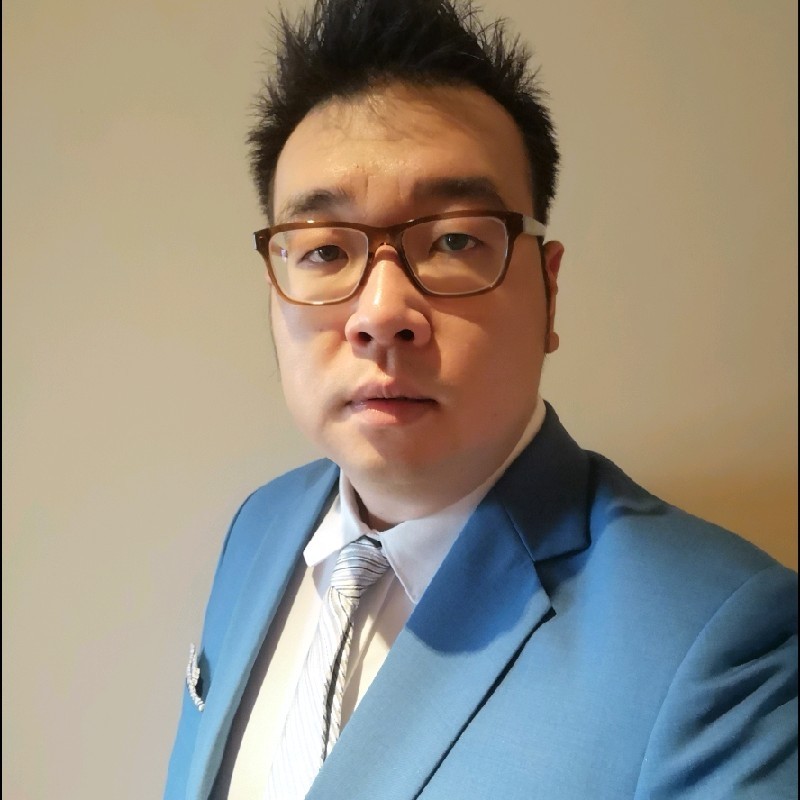
Jeremy Lee is a seasoned digital marketing director and strategist with over two decades of experience in the industry. As the founder of Sotavento Medios, I manage a diverse portfolio of over 50 businesses, helping brands grow through advanced search strategies and digital innovation. My work focuses on bridging the gap between traditional search engine optimisation and the evolving world of AI-driven answer engines.