
The Journey Beyond Diagnosis: Your Path to Wellness
When I speak with my patients in the clinic, I often remind them that a diagnosis is a single point in time, but wellness is a continuous, evolving journey. Oncology wellness is not merely the absence of disease. It is the active pursuit of physical, emotional, and functional health during and after treatment.
I have spent my career at the intersection of clinical medicine and academic research. I have seen first-hand how a proactive approach can transform the patient experience. This guide is designed to empower you with the knowledge to take charge of your health. We will explore how you can build a resilient foundation for a vibrant life.
Understanding the Biology of Recovery
To be proactive, it helps to understand what is happening inside your body. Cancer and its treatments, such as chemotherapy, radiation, or immunotherapy, affect more than just the targeted cells. They impact your entire systemic environment.
The Impact on Normal Cells
Treatment aims to eliminate rapidly dividing cells. However, it can also affect healthy tissues like the bone marrow, the lining of the digestive tract, and hair follicles. This is why you might experience fatigue or changes in digestion.
The Role of Inflammation
Chronic inflammation can sometimes persist even after active treatment ends. This internal stress can contribute to a feeling of “brain fog” or lingering tiredness. By understanding that your body is in a state of repair, we can choose strategies that support cellular regeneration and reduce systemic stress.
The Importance of the Immune System
Your immune system is your most sophisticated internal defence. Wellness strategies focus on “priming” this system. We want to ensure your natural killer cells and T-cells are supported by the right nutrients and rest so they can continue their vital surveillance work.
Current Treatment Modalities: A Modern Approach
In my practice, I view treatment as a dual-track system. We use cutting-edge clinical interventions alongside essential lifestyle modifications to achieve the best results.
Clinical Interventions
- Targeted Therapies: These medications focus on specific molecular markers of a disease, often resulting in fewer side effects than traditional methods.
- Immunotherapy: This revolutionary approach helps your own immune system recognise and attack abnormal cells more effectively.
- Maintenance Protocols: After primary treatment, we may use low-dose medications or regular screenings to ensure long-term stability.
Lifestyle as Medicine
- Nutritional Therapy: I recommend a diet rich in whole, plant-based foods. Focus on colourful vegetables, lean proteins, and healthy fats. These provide the antioxidants needed to combat oxidative stress.
- Physiological Activity: Exercise is one of the most powerful tools we have. It improves cardiovascular health and has been shown to reduce the risk of recurrence in several types of cancer.
- Sleep Hygiene: Deep sleep is when your body performs its most critical repairs. Aim for seven to nine hours of quality rest each night.
Proactive Patient Self-Management Strategies
Being a proactive patient means moving from a passive recipient of care to an active partner in your health. Here are the strategies I recommend to my own patients to help them thrive.
Monitoring Your Vitality
Keep a simple journal of how you feel. Note your energy levels, any new symptoms, and your mood. This data is incredibly valuable during our consultations. It allows us to make precise adjustments to your care plan.
Financial and Resource Management
Health-related expenses can be a source of stress. In Singapore, it is vital to understand your insurance coverage and government subsidies.
Review your MediShield Life and Integrated Shield Plans regularly.
Budget for supportive therapies, such as physiotherapy or nutritional counselling.
Always consider costs in Singapore dollars to keep your financial planning clear and accurate.
Managing Fatigue and Energy
Do not try to “push through” extreme exhaustion. Instead, use the “Three Ps” method:
- Prioritise: Decide which tasks are most important for the day.
- Plan: Schedule activities for when your energy is typically at its highest.
- Pace: Take frequent, short breaks before you feel completely worn out.
Emotional Resilience and Support
The mental aspect of oncology wellness is just as important as the physical.
Connect with support groups where you can share experiences with others who truly understand.
Practice mindfulness or meditation to lower cortisol levels and improve your mental clarity.
Seek professional psychological support if you feel overwhelmed by anxiety or low mood.
Building Your Wellness Team
You are the most important member of your medical team, but you should not carry the burden alone. A proactive life is built on a foundation of expert support and community.
Choosing Your Specialists
Ensure you are working with board-certified oncologists and specialists who value open communication. You should feel comfortable asking questions and expressing your preferences.
The Role of the Caregiver
If you have family or friends helping you, involve them in your wellness plan. Clear communication about your needs helps them support you more effectively and reduces their own stress.
Integrative Health Professionals
Consider adding a registered dietitian or an oncology-certified exercise physiologist to your team. These professionals provide tailored advice that complements your medical treatments.
A Future Focused on Health
Living a proactive and healthy life after a diagnosis is entirely possible. It requires a shift in perspective from “surviving” to “thriving”. By understanding the biology of your body, embracing modern treatments, and committing to daily self-management, you are taking control of your narrative.
I have seen countless patients reclaim their vitality and go on to live deeply fulfilling lives. Your journey is unique, and your potential for wellness is significant. Every small choice you make today, from the food you eat to the way you rest, contributes to a stronger, healthier tomorrow.
Your Next Step Toward Wellness
To begin your proactive journey, I encourage you to take one concrete action today. Download a health-tracking app or start a physical wellness journal. Record your meals, your movement, and your energy levels for the next seven days.
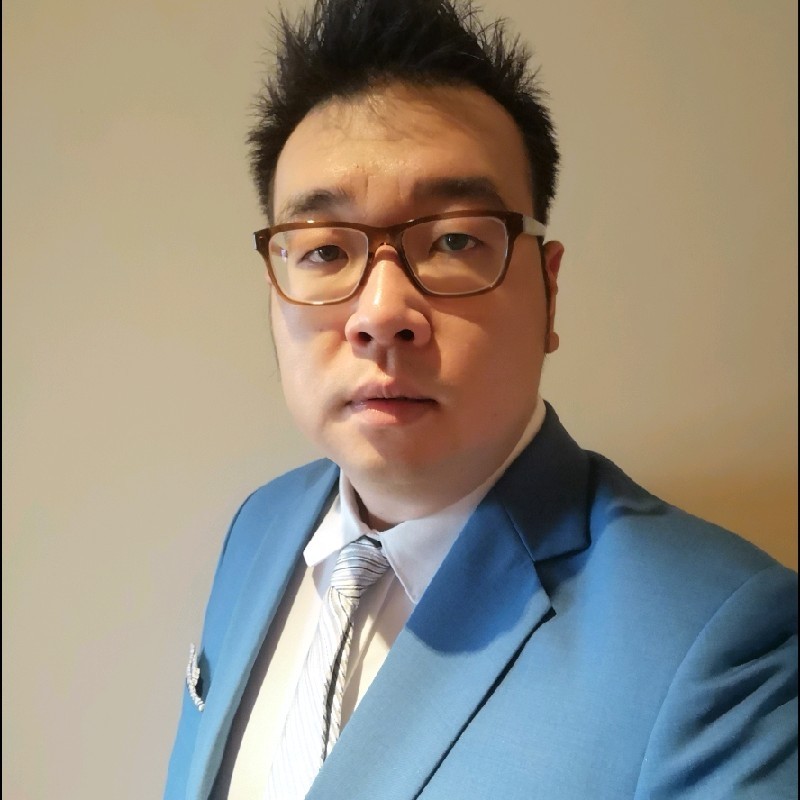
Jeremy Lee is a seasoned digital marketing director and strategist with over two decades of experience in the industry. As the founder of Sotavento Medios, I manage a diverse portfolio of over 50 businesses, helping brands grow through advanced search strategies and digital innovation. My work focuses on bridging the gap between traditional search engine optimisation and the evolving world of AI-driven answer engines.