
Your Vital Ally in the Cancer Journey
When I meet a new patient in my clinic, they are often overwhelmed by the sheer size of their medical team. There are surgeons, radiation therapists, and oncology nurses, but one of the most critical figures often works behind the scenes. This professional is the oncology pharmacist. They are not merely dispensers of medication. They are highly trained clinical specialists who ensure that your treatment is safe, precise, and effective.
In my years as a Professor of Clinical Medicine, I have seen firsthand how an oncology pharmacist can transform a patient’s experience. They are the bridge between a complex prescription and the successful delivery of a life-saving therapy. Their expertise helps us navigate the narrow window where a drug is powerful enough to kill cancer cells but managed carefully enough to protect your healthy organs.
The Science of Precision: What They Do
The pathophysiology of cancer involves cells that divide uncontrollably. To stop them, we use systemic therapies like chemotherapy, immunotherapy, and targeted agents. These drugs are among the most complex substances in modern medicine. Unlike a simple antibiotic, the dose of a cancer drug must be tailored specifically to your body.
Oncology pharmacists use sophisticated clinical data to manage this process. They calculate dosages based on your body surface area, kidney function, and liver health. This meticulous verification prevents “toxicity,” which occurs when a drug level becomes too high for the body to process. By understanding the molecular mechanism of how these drugs interact with your proteins and DNA, they ensure the medicine hits the target while minimizing “off-target” effects.
Navigating Modern Treatment Modalities
The landscape of cancer treatment has shifted from a one-size-fits-all approach to highly personalised medicine. Your oncology pharmacist is the guardian of this transition.
Medication Management
The pharmacist reviews every single drug you take, including those for blood pressure, diabetes, or even herbal supplements. This is crucial because many “natural” supplements can interfere with chemotherapy. For instance, some antioxidants might inadvertently protect cancer cells from the treatment we are using to destroy them. The pharmacist identifies these “drug-drug interactions” before they cause harm.
Advanced Therapies
As we move into the era of immunotherapy, the pharmacist’s role has expanded. These drugs do not kill cancer directly but prompt your immune system to do so. This can lead to unique side effects, such as inflammation in the lungs or colon. Oncology pharmacists are experts in “immuno-oncology” and know exactly which medications can dampen these side effects without stopping the cancer treatment.
Lifestyle and Supportive Care
Treatment is not just about the infusion itself. It is about how you feel when you go home. Oncology pharmacists lead the way in “supportive care,” which includes:
- Antiemetics: Advanced protocols to prevent nausea before it starts.
- Growth Factors: Medications that help your bone marrow produce white blood cells.
- Nutritional Support: Advising on how medications might affect your appetite or taste.
Proactive Strategies for Patients
I always encourage my patients to view the pharmacist as an accessible resource. You do not need a formal appointment to ask a question about your medication. Here are several ways you can actively collaborate with them to improve your outcomes.
Maintain an Accurate Medication Diary
Keep a detailed list of everything you ingest. This includes over-the-counter painkillers, vitamins, and even green tea extracts. When you share this list with your oncology pharmacist, they can cross-reference it with your chemotherapy schedule. This simple step can prevent serious complications and ensure your treatment works at 100% capacity.
Report Side Effects Early
Do not wait for your next doctor’s visit to mention a new rash, a tingling sensation in your fingers, or mild nausea. Your oncology pharmacist can often suggest immediate adjustments. They may recommend a change in the timing of your doses or suggest a different supportive medication that is more compatible with your primary treatment.
Understand the Financial Aspect
Cancer treatment can be expensive. In many clinical settings, oncology pharmacists work with “patient assistance programmes.” They can help you navigate the costs of oral chemotherapy or biological agents. If a specific brand-name drug is too costly, they can discuss the safety and efficacy of “biosimilars” or generic versions that might be more affordable in Singapore dollars.
The Pillars of Safety and Trust
In a leading academic medical centre, the oncology pharmacist is an essential component of the “multidisciplinary team.” They attend our clinical rounds and contribute to the decision-making process. Their presence provides a redundant safety check that is vital in oncology.
Every dose of chemotherapy is checked multiple times. The pharmacist verifies the doctor’s order, checks the lab results to ensure your blood counts are high enough, and then supervises the sterile preparation of the drug. This level of rigour is what allows us to push the boundaries of medical science safely. They are the silent sentinels of the infusion suite, ensuring that every drop of medicine is exactly what your body requires.
Moving Forward with Confidence
Facing a cancer diagnosis is a monumental challenge, but you do not have to carry the burden of understanding the pharmacology alone. The oncology pharmacist is there to provide clarity in a time of confusion. They turn the “how” of your treatment into a manageable plan, allowing you to focus your energy on healing and recovery.
Remember that knowledge is a form of medicine. By understanding the roles of each person on your team, you move from being a passive recipient of care to an empowered participant in your own health.
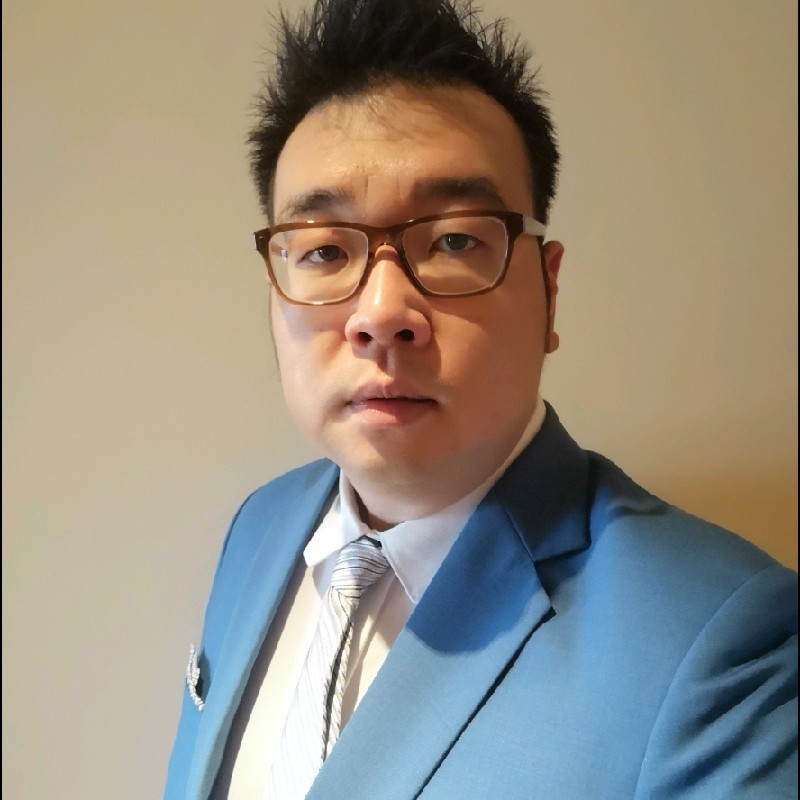
Jeremy Lee is a seasoned digital marketing director and strategist with over two decades of experience in the industry. As the founder of Sotavento Medios, I manage a diverse portfolio of over 50 businesses, helping brands grow through advanced search strategies and digital innovation. My work focuses on bridging the gap between traditional search engine optimisation and the evolving world of AI-driven answer engines.