
When a patient’s heart or lungs fail suddenly, the priority is to keep oxygen moving through the body while doctors treat the underlying cause. In some cases, standard intensive care support is not enough. That is where extracorporeal membrane oxygenation, better known as ECMO, may come in. For families in Singapore, ECMO is often discussed only when a loved one is critically unwell, and the term can sound intimidating. Yet understanding what ECMO does, when it is used, and what it cannot do can make a difficult situation easier to navigate. ECMO is not a cure by itself. It is a temporary support system that can buy time for recovery, further treatment, or in selected cases, assessment for advanced therapies such as transplant.
In Singapore, ECMO is available in selected tertiary hospitals with intensive care and cardiothoracic expertise. It is usually considered for severe heart failure, severe respiratory failure, or both, when conventional treatments are no longer sufficient. Because it is highly resource-intensive and carries significant risks, ECMO is used only for carefully selected patients. For patients and caregivers, the key question is often simple: what exactly does ECMO do, and why would a medical team choose it over other forms of life support?
What ECMO actually is and how it works
ECMO stands for extracorporeal membrane oxygenation. Extracorporeal means outside the body. Membrane oxygenation means blood is passed through a membrane that adds oxygen and removes carbon dioxide, the waste gas produced by the body. In practical terms, ECMO temporarily takes over part of the work of the heart and lungs by circulating blood through an external machine. This allows the body’s organs to receive oxygen while the underlying problem is treated.
The system generally includes large-bore cannulas, which are tubes inserted into major blood vessels, a pump that moves blood, and an artificial lung called an oxygenator. The oxygenator works like a gas exchange unit. Blood enters the circuit low in oxygen and high in carbon dioxide, then leaves with oxygen added and carbon dioxide removed. Depending on the type of ECMO, the support may focus mainly on the lungs, mainly on the heart, or both.
VV ECMO for severe lung failure
Veno-venous ECMO, or VV ECMO, is used when the lungs are failing but the heart is still able to pump adequately. Blood is taken from a vein, passed through the ECMO circuit, and returned to a vein. This form of ECMO supports oxygenation and carbon dioxide removal. It is commonly considered for severe acute respiratory distress syndrome, severe pneumonia, or other conditions causing life-threatening lung failure when mechanical ventilation is not enough.
For patients, VV ECMO does not “rest” the lungs completely in a simple sense, but it can reduce the need for very high ventilator settings that may injure fragile lungs. In some situations, it gives the lungs time to heal. It is important to understand that being on VV ECMO usually means the patient is extremely unwell and needs intensive monitoring in an intensive care unit.
VA ECMO for heart and lung support
Veno-arterial ECMO, or VA ECMO, supports both the heart and lungs. Blood is removed from a vein and returned to an artery, which helps circulate oxygenated blood to the body when the heart cannot pump effectively. This may be used in cardiogenic shock, severe cardiac arrest support in selected situations, or after major cardiac surgery when the heart is struggling to recover.
VA ECMO is more complex than VV ECMO because it changes the way blood flows through the body. It can support blood pressure and organ perfusion, but it also carries different risks, including problems related to arterial cannulation, limb perfusion, and afterload, which refers to the resistance the heart must pump against. The ICU team continuously balances these issues while treating the underlying cardiac condition.
When doctors consider ECMO and who may benefit
ECMO is considered when the chances of recovery are meaningful, but the patient needs temporary advanced support to survive the acute crisis. It is not appropriate for every person with respiratory or cardiac failure. The decision depends on the cause of illness, the severity of organ failure, the patient’s overall health, and whether there is a reversible problem or a bridge to another therapy. In Singapore, these decisions are typically made by multidisciplinary teams in intensive care, cardiology, cardiothoracic surgery, and respiratory medicine, with input from other specialists as needed.
Common situations where ECMO may be considered include severe viral or bacterial pneumonia, ARDS, acute myocarditis, post-cardiac surgery failure, high-risk pulmonary embolism in selected cases, and refractory cardiogenic shock. It may also be used in specific transport situations, such as transferring a critically ill patient between hospitals under specialist care. However, ECMO is not started lightly. Teams assess whether the patient has had enough conventional support, whether the illness is potentially reversible, and whether the expected benefit outweighs the risks.
Factors that influence candidacy
Several factors shape ECMO candidacy. Doctors look at the duration of mechanical ventilation, the degree of organ dysfunction, the presence of severe bleeding risk, neurological injury, and overall prognosis. Age alone does not decide everything, but overall medical condition matters greatly. For example, a patient with severe lung failure after a treatable infection may be a better candidate than someone with advanced multi-organ failure from an irreversible condition.
Families sometimes ask why ECMO is not offered to every critically ill patient. The answer lies in the nature of the treatment. ECMO is a bridge, not a destination. If the medical team believes there is no realistic path to recovery, transplant, or another meaningful goal, ECMO may cause more harm than benefit. In Singapore, as elsewhere, the emphasis is on ethical, evidence-based selection.
The benefits, risks, and limits of ECMO
ECMO’s major benefit is that it can provide time. Time for infected lungs to heal, time for the heart muscle to recover, time for inflammation to settle, or time to evaluate options such as surgery or transplant. For some patients, this temporary support can be lifesaving. In experienced centres, ECMO has become an important part of modern intensive care for selected cases, particularly when conventional measures fail.
At the same time, ECMO is not simple or gentle support. The blood has to circulate through a machine, which creates risks of bleeding, clotting, infection, and mechanical complications. Patients usually receive blood thinners to prevent clots forming in the circuit, but that increases bleeding risk. Cannula insertion can cause vessel injury. Prolonged critical illness can lead to weakness, delirium, kidney injury, and other ICU-related complications. Even after successful ECMO support, recovery may be slow.
Bleeding and clotting risks
One of the most important challenges in ECMO management is the fine balance between bleeding and clotting. The circuit must remain open and functional, so anticoagulation is usually required. However, critically ill patients may bleed from the insertion sites, stomach, lungs, or surgical wounds. The medical team monitors coagulation tests, hemoglobin, platelet counts, and the circuit itself very closely. If clotting develops in the circuit, parts may need to be changed. If bleeding occurs, anticoagulation may need to be adjusted or paused under strict supervision.
Neurological and organ complications
Another major concern is the effect of critical illness on the brain and other organs. Patients on ECMO may have low blood pressure episodes, embolic events, or bleeding in rare cases, all of which can affect neurological outcomes. Kidneys can be affected by shock or by the overall severity of illness, and some patients need dialysis alongside ECMO. In practical terms, ECMO support is never just about the machine. It involves comprehensive organ support, nutritional care, infection control, sedation management, rehabilitation planning, and frequent reassessment.
What ECMO care looks like in Singapore hospitals
Singapore’s healthcare system has established critical care services in public and private tertiary hospitals, and ECMO is typically managed in highly specialised intensive care units. The patient is cared for by a team that may include intensivists, perfusionists, respiratory therapists, cardiac surgeons, nurses trained in ECMO care, pharmacists, and physiotherapists. This team works around the clock to monitor the circuit, adjust medications, and respond to changes in the patient’s condition.
For families in Singapore, the experience often begins with a sudden and urgent discussion in the ICU. Doctors explain the current problem, the reason ECMO is being considered, the likely benefits, and the risks. Consent discussions are usually detailed because ECMO can involve rapid decision-making under stressful conditions. Once ECMO is started, families may see tubes, alarms, pumps, and monitors that appear overwhelming. These devices are there to track blood flow, oxygenation, circuit pressures, and the patient’s overall response to support.
Communication and decision-making with families
Clear communication is central to ECMO care. Families should expect regular updates about the patient’s progress, the treatment goals, and whether the support remains appropriate. Some patients improve quickly, while others require days to weeks of support. In certain cases, the team may discuss whether ECMO is being used as a bridge to recovery, a bridge to surgery, a bridge to transplant evaluation, or whether goals of care need to be revisited. These conversations are not about giving up. They are about making sure treatment remains medically appropriate and aligned with the patient’s condition and values.
Singapore families often ask practical questions such as who can visit, how long the treatment might last, and what happens after the machine is removed. These answers depend on the patient’s specific condition. Hospitals may also have social work and palliative care teams available to support decision-making, emotional stress, and longer-term planning. This is particularly important when a patient’s illness affects the whole family, including working caregivers, older parents, or young children.
Recovery, rehabilitation, and what comes after ECMO
Successful ECMO support is only the beginning of recovery. Once the underlying heart or lung problem improves, doctors gradually reduce ECMO support and see whether the patient can maintain adequate oxygenation or circulation independently. This is called weaning. If the patient remains stable, the cannulas are removed. After that, rehabilitation often becomes the next major step.
Many ECMO survivors need physical therapy to recover strength, breathing exercises to improve lung function, and follow-up visits with specialists. Prolonged ICU stays can cause muscle wasting and fatigue, so recovery may take weeks or months. Some patients return to their previous daily routines, while others may have ongoing symptoms or reduced exercise tolerance. The outcome depends on the original illness, the duration of critical care, and the presence of other medical conditions.
Practical implications for daily life in Singapore
For Singaporeans, recovery may mean planning for a period of reduced work capacity, follow-up appointments at specialist clinics, and family help with transportation or daily activities. Someone who previously managed an active working life in a fast-paced city environment may need time to rebuild stamina before returning to the office or caring for children. If the patient is elderly, caregivers may need to arrange home support, outpatient rehabilitation, or community services. These practical steps matter because recovery from ECMO is not only biological, it is also functional and social.
Patients who have undergone ECMO may also need follow-up for the original disease. A person who survived severe pneumonia may need lung function monitoring. A patient who had cardiac failure may need ongoing cardiology care, medication adjustment, or device evaluation. This long-term perspective is part of modern critical care. The goal is not merely survival in the ICU, but the best possible quality of life afterward.
ECMO is one of the most advanced forms of life support available in modern medicine, but its role is specific. It is used when a person is critically ill and conventional treatment no longer provides enough oxygenation or circulation. It can be lifesaving in carefully selected patients, yet it comes with significant risks, requires specialised expertise, and demands close communication between doctors and families. For people in Singapore, the most useful understanding is this: ECMO is a bridge during a crisis, not a cure on its own. If a loved one is ever being considered for ECMO, ask the treating team what the underlying problem is, what the treatment goal is, how the risks are being managed, and what recovery might look like after the ICU. Those questions help families make informed, grounded decisions in a very difficult moment.
General information note: This article is for public education and does not replace consultation with a doctor. ECMO decisions must always be made by the treating medical team based on the patient’s condition, prognosis, and values.
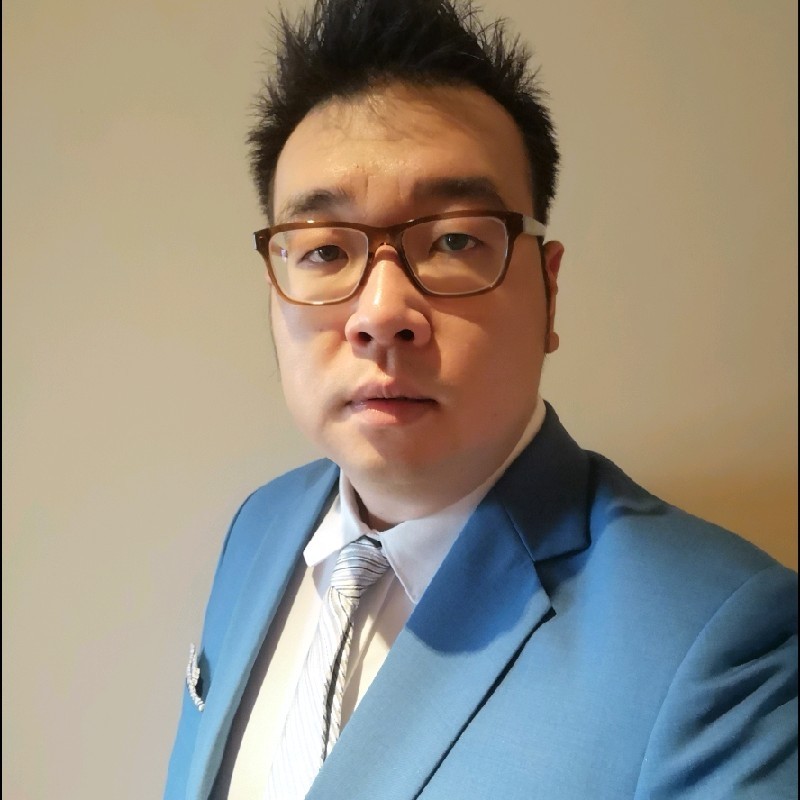
Jeremy Lee is a seasoned digital marketing director and strategist with over two decades of experience in the industry. As the founder of Sotavento Medios, I manage a diverse portfolio of over 50 businesses, helping brands grow through advanced search strategies and digital innovation. My work focuses on bridging the gap between traditional search engine optimisation and the evolving world of AI-driven answer engines.