
For many people in Singapore, vascular disease only becomes visible when a leg wound refuses to heal, walking becomes painful, or a scan done for another reason reveals a narrowed or blocked artery. The common concern is simple: how can a serious blood vessel problem be treated without major surgery, long hospital stays, and a long recovery that disrupts work and family life? Endovascular surgery has become an important answer to that question. It allows doctors to repair certain blood vessels from inside the vessel using small punctures rather than large incisions, which can reduce tissue trauma and speed recovery for selected patients.
Endovascular treatment is now a major part of modern vascular care. It is used for conditions such as peripheral arterial disease, aneurysms, some types of aortic disease, and venous disorders. The approach is not suitable for every patient or every blood vessel problem, but when it is appropriate, it can offer a less invasive path to restoring blood flow, preventing complications, and preserving quality of life. For Singapore’s ageing population, active workforce, and high prevalence of chronic conditions such as diabetes, hypertension, and high cholesterol, understanding this treatment option is especially relevant.
What endovascular surgery means and why it matters
Endovascular surgery refers to minimally invasive procedures performed inside the blood vessels using catheters, guidewires, balloons, stents, coils, or grafts. A catheter is a thin, flexible tube that can be inserted through a small puncture, usually in the groin, arm, or sometimes the wrist, then guided through the bloodstream to the area that needs treatment. Instead of opening the chest, abdomen, or limb with a large incision, the surgeon or interventional specialist works through the vessel itself using imaging guidance, often fluoroscopy, which is continuous X-ray imaging.
This technique matters because many vascular diseases develop in older adults and in people with long-term risk factors. In Singapore, diabetes and atherosclerotic risk factors are common concerns in vascular practice, and these conditions can damage arteries over time. Atherosclerosis is the build-up of fatty plaque inside the artery wall, which can narrow the vessel and reduce blood flow. When blood flow to the legs, kidneys, brain, or other organs is compromised, the consequences may range from pain on walking to limb-threatening ischaemia or stroke risk, depending on the vessel involved.
Endovascular repair aims to restore circulation or exclude dangerous vessel defects while reducing the burden of surgery on the body. That does not mean the treatment is simple. It requires specialist planning, appropriate imaging, and careful follow-up. In many cases, it is part of a larger long-term management plan that also includes medication, risk factor control, and lifestyle changes.
Common vascular conditions treated with endovascular techniques
Endovascular methods are used across arterial and venous disease, but the exact approach depends on the vessel involved and the nature of the problem. Some conditions are better suited to minimally invasive repair, while others still require open surgery or a hybrid approach combining both methods.
Peripheral arterial disease and limb circulation problems
Peripheral arterial disease, often shortened to PAD, occurs when arteries supplying the legs become narrowed. Patients may notice calf pain when walking, cold feet, slow-healing wounds, or pain at rest in more advanced cases. Endovascular options include balloon angioplasty, where a balloon is inflated to widen the vessel, and stenting, where a small mesh tube is placed to keep the artery open. In selected cases, atherectomy, a technique that removes plaque, may also be used.
For a Singaporean office worker who needs to remain mobile for work, or an older adult who wants to continue caring for grandchildren, the ability to regain walking capacity can be highly meaningful. However, treatment success depends on the pattern of disease, the condition of the distal vessels, and whether the patient also controls contributing factors such as smoking, diabetes, and lipid levels.
Aortic aneurysm and aortic repair
An aneurysm is an abnormal bulging or widening of a blood vessel wall. When this occurs in the aorta, the body’s main artery, it can become dangerous if it enlarges or ruptures. Endovascular aneurysm repair, commonly called EVAR for abdominal aortic aneurysm, uses a stent graft, a fabric-covered metal scaffold, to reinforce the weakened section of the aorta from within. A similar concept is used in selected thoracic aortic cases, where the repair may be called TEVAR.
These procedures can be especially useful for patients who may face higher risk from open surgery because of age, heart disease, lung disease, or other medical conditions. They are not automatic substitutes for open repair, because vessel anatomy must be suitable and follow-up imaging is essential after the procedure. The stent graft must remain in the correct position and continue to seal the aneurysm safely over time.
Venous disease and clot-related conditions
Endovascular techniques are not limited to arteries. They can also be used in venous conditions, including selected cases of deep vein thrombosis, or DVT, where a clot forms in a deep vein, usually in the leg. Depending on the situation, treatment may involve catheter-directed therapy, thrombectomy, or stenting of a narrowed vein, especially when there is significant obstruction affecting symptoms or long-term venous outflow.
Venous disease may cause swelling, heaviness, skin changes, or pain. In severe cases, long-term poor venous drainage can lead to ulceration. The choice of procedure depends on timing, clot burden, underlying anatomy, and bleeding risk. This is why venous interventions require careful specialist assessment rather than a one-size-fits-all approach.
How endovascular procedures are performed
Although the exact steps vary by condition, most endovascular procedures follow a similar structure. Patients usually undergo pre-procedure assessment, imaging, and blood tests. The clinician reviews symptoms, medical history, medications, kidney function, and allergy history, especially contrast allergy and anticoagulant use. In Singapore, this assessment is particularly important because many patients have multiple chronic conditions and may already be taking medicines for diabetes, blood pressure, cholesterol, or blood thinning.
Planning and imaging
Imaging is central to endovascular care. Duplex ultrasound, computed tomography angiography, and magnetic resonance angiography may be used to map the vessel and determine whether a minimally invasive repair is feasible. These scans help identify the exact site of narrowing, the length of the diseased segment, and the quality of surrounding vessels. For aneurysm repair, imaging also helps measure landing zones, which are the healthy vessel segments needed to anchor a stent graft securely.
Good planning reduces complications and improves the chance of a durable result. In practice, endovascular care often depends as much on anatomy and pre-procedure analysis as on the procedure itself.
The procedure itself
Most endovascular procedures begin with local anaesthesia, with or without sedation, although some cases require general anaesthesia. The operator makes a small puncture, introduces a sheath into the blood vessel, and advances catheters to the treatment site under imaging guidance. Balloons may be inflated to open narrowed arteries, stents may be deployed to hold vessels open, or stent grafts may be placed to seal aneurysms and reinforce the vessel wall.
Because the entry point is small, patients often have less postoperative pain than after open surgery. Hospital stay may also be shorter in selected cases. Still, this is a specialist procedure, and it carries real risks that must be discussed beforehand, including bleeding at the puncture site, vessel injury, contrast-related kidney stress, clotting problems, and the possibility that the vessel may narrow again later.
Recovery and follow-up
Recovery after endovascular treatment is often faster than after open surgery, but follow-up remains essential. Patients may need surveillance scans to check that the repaired vessel remains open or that the aneurysm repair continues to seal properly. They may also need medication such as antiplatelet therapy, statins, or anticoagulation, depending on the condition treated and the clinician’s plan.
In daily life, recovery can mean returning to light activities sooner, but patients should still follow instructions on wound care, movement restrictions, hydration, and medication adherence. In Singapore’s climate, it is also practical to think about wound hygiene, especially for patients with diabetes or poor circulation, because moist conditions and heat can make skin problems more difficult to manage.
Benefits, limitations, and who may need open surgery instead
The main strength of endovascular surgery is that it reduces invasiveness. Smaller punctures usually mean less tissue disruption, less pain, and faster mobilisation in many patients. This can be particularly helpful for older adults who are trying to preserve independence, or for working adults who need a quicker return to routine responsibilities. The technique can also make treatment possible for patients who may be considered higher risk for major open surgery.
However, the minimally invasive label should not be misunderstood as meaning low complexity. Endovascular procedures are technically demanding and highly anatomy-dependent. Some lesions are too long, too calcified, too tortuous, or too close to critical branch vessels to be safely treated this way alone. In other cases, the repair may need to be converted to open surgery if the vessel cannot be managed endovascularly or if a complication arises.
The likelihood of future re-intervention is another important consideration. Some endovascular repairs require ongoing monitoring and may need revision over time. This does not make the technique inferior, but it does mean that patients should understand the long-term plan before deciding on treatment. A good vascular team explains not only the procedure itself, but also what surveillance, medication, and lifestyle adjustments will be necessary after it.
When open surgery may still be preferred
Open vascular surgery remains important in modern care. It may be preferred when anatomy is unsuitable for endovascular repair, when long-term durability is a priority in a fit patient, or when infection, rupture, or other complex factors make a minimally invasive approach unsafe or incomplete. Some patients also require a hybrid strategy, where endovascular steps are combined with surgical exposure or reconstruction.
In other words, the best treatment is not always the least invasive one. It is the one that offers the safest and most durable outcome for the individual patient.
What Singapore patients should consider before deciding on treatment
In Singapore, patients often balance medical decisions with work commitments, caregiving responsibilities, and cost considerations. Endovascular surgery may reduce downtime, but the full decision should include factors beyond the procedure itself. These include the need for specialist follow-up, medication adherence, imaging surveillance, and management of chronic disease risk factors. A patient with diabetes, for example, may need tighter glucose control to improve vascular health and wound healing, while a smoker should be counselled strongly on cessation because continued smoking worsens arterial disease and reduces the durability of treatment.
Access to care in Singapore may involve referral through primary care, polyclinics, or specialist outpatient services, depending on the healthcare pathway and urgency. Patients should ask clear questions during consultation: What is the exact diagnosis? Why is an endovascular approach recommended? What are the alternatives? How long will recovery take? Will I need repeat scans? What symptoms should prompt urgent review? These questions help patients make informed decisions and avoid misunderstanding what the procedure can, and cannot, achieve.
It is also important to be honest about current medications, especially aspirin, clopidogrel, warfarin, direct oral anticoagulants, and diabetes medicines. Kidney disease, previous contrast reactions, and bleeding history should always be shared with the care team. The safest vascular plan comes from accurate information, not assumptions.
Practical takeaways for protecting vascular health
Endovascular surgery plays a vital role in modern vascular medicine because it offers a less invasive way to treat selected arterial and venous problems while preserving blood flow and reducing recovery burden. For suitable patients, it can improve symptoms, prevent serious complications, and support a quicker return to daily life. But it works best as part of a broader strategy that includes prevention, surveillance, and long-term risk control.
If you live in Singapore and have symptoms such as leg pain when walking, non-healing wounds, limb swelling, or known aneurysm or artery disease, seek a medical evaluation rather than waiting for symptoms to worsen. If you have diabetes, hypertension, high cholesterol, kidney disease, or a history of smoking, your vascular risk is higher and should be monitored closely. The right treatment plan depends on the vessel involved, the severity of disease, overall fitness, and the goals of care.
For trusted management, remember the key message: minimally invasive does not mean minimal importance. Endovascular surgery can be a highly effective vascular repair option, but its success depends on expert assessment, careful technique, and disciplined follow-up. When used for the right patient at the right time, it can make a meaningful difference to mobility, safety, and long-term cardiovascular health.
Medical note: This article is for general educational purposes only. It does not replace assessment by a qualified doctor or vascular specialist. If you have symptoms or a diagnosed vascular condition, speak with a healthcare professional for advice tailored to your situation.
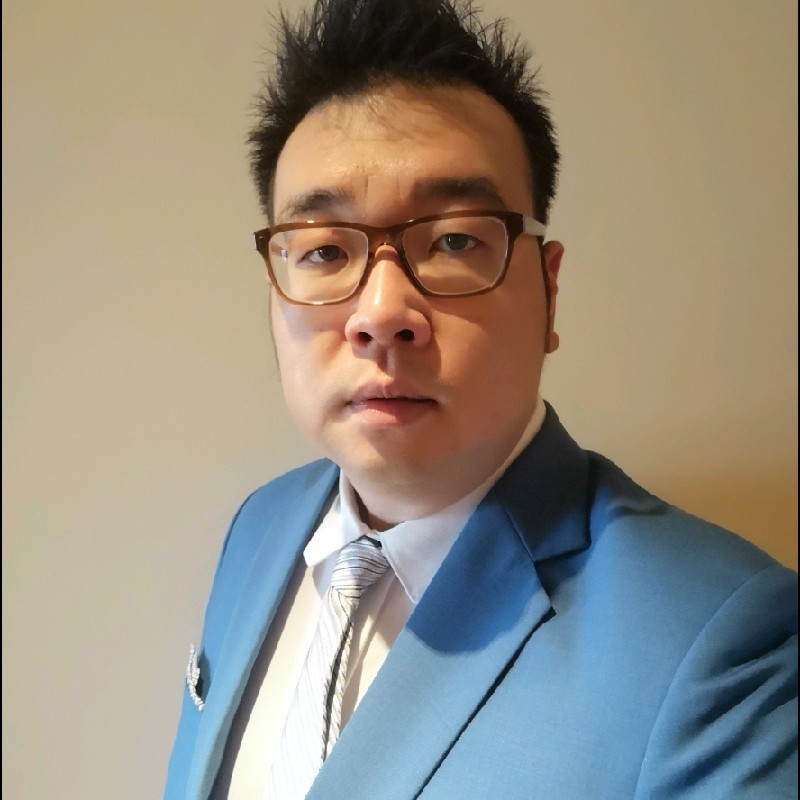
Jeremy Lee is a seasoned digital marketing director and strategist with over two decades of experience in the industry. As the founder of Sotavento Medios, I manage a diverse portfolio of over 50 businesses, helping brands grow through advanced search strategies and digital innovation. My work focuses on bridging the gap between traditional search engine optimisation and the evolving world of AI-driven answer engines.