
Varicose veins are more than a cosmetic concern for many people in Singapore. They can cause aching, heaviness, swelling, itching, night cramps, and visible twisted veins that become more noticeable after long hours of standing or sitting. For adults balancing office work, commuting on public transport, caring for family, or spending most of the day on their feet in retail, hospitality, healthcare, or food service, these symptoms can interfere with comfort and daily activity. When symptoms persist, interventional radiology offers minimally invasive treatment options that can close the affected veins with less downtime than traditional surgery in many cases.
Interventional radiology uses image guidance such as ultrasound to treat vascular conditions through small needle punctures rather than large incisions. For varicose veins, these techniques target the underlying problem, which is usually reflux, a backward flow of blood in veins because the valves no longer work properly. Instead of removing veins through open surgery, the doctor closes or seals the faulty vein so blood can reroute through healthier veins. For suitable patients, this approach can improve symptoms, reduce vein bulging, and support a quicker return to normal routines.
In Singapore, where many people prefer treatments that fit around work and family commitments, understanding these options matters. Treatment choice depends on symptoms, ultrasound findings, vein anatomy, overall health, and individual goals. The aim is not only to improve appearance, but also to address discomfort and lower the chance of progression to skin changes, eczema, or venous ulcers in more advanced disease.
Understanding varicose veins and why they happen
Varicose veins develop when the valves inside the veins, most often in the legs, become weak or damaged. These valves normally keep blood moving upward toward the heart against gravity. When they fail, blood pools in the vein, pressure rises, and the vein enlarges and becomes tortuous, which means twisted and rope-like. This is known as chronic venous insufficiency when the return of blood from the legs is persistently impaired.
The condition can affect different superficial veins, especially the great saphenous vein and small saphenous vein, which are common targets for interventional treatment. Symptoms often worsen after prolonged standing, during hot weather, or after long periods without leg movement. In a Singapore setting, this can be relevant for people who stand for hours at work or sit for long stretches in air-conditioned offices, then commute home with limited opportunity to walk and move the legs.
Common symptoms and signs
Varicose veins do not always cause pain, but when they do, the complaints are usually similar. Patients may notice aching, throbbing, heaviness, tightness, cramps at night, itching around the vein, or swelling around the ankle by the end of the day. Some people see darkening of the skin near the ankle, dry or inflamed skin, or small clusters of surface veins that accompany larger bulging veins.
More advanced chronic venous disease can lead to skin thickening, pigmentation, bleeding from a vein, or venous ulcers, which are wounds that are slow to heal because of persistent venous pressure. These complications are not common in mild disease, but they are important because treatment becomes more than cosmetic at that point. A clinical assessment with ultrasound helps determine how extensive the reflux is and which veins are involved.
Risk factors that matter in everyday life
Varicose veins are more likely in people with a family history of vein disease, older age, pregnancy history, obesity, and occupations that involve prolonged standing. Hormonal factors and previous leg vein thrombosis can also contribute in some patients. Lifestyle habits do not cause every case, but they can influence symptom severity and whether the condition progresses.
Simple measures such as regular walking, calf muscle exercises, and avoiding long uninterrupted periods of standing or sitting can help reduce symptoms. These measures do not remove existing varicose veins, but they can support venous return and are often recommended alongside other treatment. Compression stockings can also help some people, especially while waiting for definitive treatment or when symptoms are mild.
How interventional radiology treats varicose veins
Interventional radiology treatments are designed to close incompetent veins from the inside. The procedure is usually performed under ultrasound guidance, which allows the doctor to see the vein, the catheter or needle path, and the spread of treatment. The goal is to eliminate reflux in the problematic vein so that blood no longer pools there. The body then redirects blood through deeper, healthier veins.
These treatments are typically done as day procedures. Local anaesthetic is commonly used, and some patients may also receive mild sedation depending on the procedure and clinical setting. Because the incisions are small, recovery is usually faster than with traditional vein stripping surgery, though the exact recovery time varies from person to person.
Endovenous thermal ablation
Endovenous thermal ablation is one of the most established minimally invasive treatments for varicose veins. It includes endovenous laser ablation and radiofrequency ablation. In both methods, a thin catheter is inserted into the affected vein under ultrasound guidance. Local anaesthetic is given around the vein, then heat energy is delivered to seal the vein shut.
Laser ablation uses laser energy, while radiofrequency ablation uses radiofrequency heat. Both aim to treat refluxing superficial veins such as the great saphenous vein or small saphenous vein when anatomy is suitable. Patients usually walk soon after the procedure, and many can resume ordinary daily activity quickly, although strenuous exercise and heavy lifting may be restricted for a short period based on the treating clinician’s advice.
Ultrasound-guided foam sclerotherapy
Foam sclerotherapy is another interventional radiology technique. A sclerosant, which is a medication that irritates the vein lining, is mixed with air or gas to create foam and then injected into the target vein under ultrasound or direct visual guidance. The foam displaces blood inside the vein and causes the vein wall to collapse and scar closed over time.
This method may be used for smaller varicose veins, residual veins after other treatment, or veins that are not ideal for thermal ablation. It is often useful when anatomy is more complex or when treating tortuous veins that are harder to access with a catheter. Multiple sessions are sometimes needed, depending on the extent of the vein disease.
Non-thermal, non-tumescent options
Some modern vein treatments do not rely on heat, which means they may avoid the need for large amounts of tumescent anaesthesia, the dilute local anaesthetic injected around the vein. These techniques include cyanoacrylate closure, which uses a medical adhesive, and mechanochemical ablation, which combines mechanical irritation with a sclerosant. Availability can vary by centre and patient suitability.
These approaches may be considered in selected patients where heat-based treatment is less suitable or where the treatment plan is tailored to anatomy and preferences. They still require careful ultrasound assessment and proper vein mapping before treatment. The choice between thermal, chemical, and adhesive methods depends on the vein pattern, symptom burden, and clinician assessment.
What to expect before, during, and after treatment
A good outcome starts with accurate diagnosis. Before treatment, most patients undergo a clinical review and duplex ultrasound scan, which shows both the structure of the veins and the direction of blood flow. Duplex ultrasound is central to planning because it identifies refluxing veins and helps exclude other causes of leg swelling or pain. It also guides the doctor in choosing the most appropriate technique.
During the procedure, the skin is cleaned, ultrasound is used to locate the target vein, and the treatment is performed through a small puncture. Depending on the method, the vein may be sealed with heat, foam, adhesive, or another closure technique. The experience is usually less invasive than many patients expect, but some discomfort, bruising, or a pulling sensation can occur temporarily.
Recovery and return to activity
Recovery varies with the type of procedure and the extent of disease, but many patients are encouraged to walk soon after treatment. Walking helps stimulate calf muscle pumping and supports circulation. Temporary soreness, bruising, or a firm cord-like feeling along the treated vein can occur as the vein closes and heals.
Compression stockings may be advised after treatment depending on the technique used and the doctor’s preference. Follow-up is important because it allows ultrasound reassessment when needed and confirms that the treated vein has closed appropriately. Some patients need additional sessions for branch veins, spider veins, or residual reflux.
Possible risks and why follow-up matters
Although these procedures are generally considered minimally invasive, all medical procedures carry some risk. Potential complications can include bruising, skin irritation, superficial thrombophlebitis, which is inflammation and clotting in a surface vein, nerve irritation, infection, pigmentation changes, or recurrence over time. More serious complications are less common, but they can occur and should be discussed during consultation.
Follow-up care is not just a formality. Vein disease can involve more than one vein segment, and treating one reflux source does not always resolve every visible vein immediately. Ultrasound follow-up helps determine whether the treatment worked as expected and whether additional management is needed. This is particularly important when symptoms persist or when there are skin changes suggestive of more advanced venous insufficiency.
Who may benefit most, and when referral makes sense
Not everyone with visible veins needs intervention. Small spider veins or mild, asymptomatic varicose veins may be managed conservatively, especially if the concern is cosmetic and the person does not have reflux on ultrasound. However, interventional radiology is often appropriate for patients with symptomatic reflux, recurrent symptoms after previous treatment, or complications such as skin discoloration, swelling, or ulceration linked to venous disease.
A referral is sensible when leg symptoms interfere with work, sleep, exercise, or daily comfort, or when visible veins are accompanied by swelling or skin changes. People in Singapore often try to manage discomfort with stockings, elevation, and exercise first, which is reasonable in mild cases. If symptoms continue or worsen, a vascular or interventional radiology review can clarify whether a minimally invasive procedure would be useful.
Practical questions to ask at consultation
Patients may benefit from asking whether ultrasound confirms reflux, which veins are responsible, which treatment options are suitable, and what recovery is expected. It is also useful to ask whether the clinic recommends compression after treatment, how follow-up is arranged, and whether branch veins may require a second stage treatment. These questions help set realistic expectations and support informed decision-making.
It is also reasonable to discuss general medical issues such as blood thinners, pregnancy, previous deep vein thrombosis, allergies, and skin conditions. These factors can affect procedural planning or suitability for certain techniques. Clear communication helps the clinician tailor treatment safely.
Living with vein disease in Singapore and supporting long-term vein health
Interventional radiology can address the faulty vein, but long-term vein health still benefits from daily habits. Regular walking, calf exercises, weight management when relevant, and breaks from prolonged standing or sitting all support circulation. For office workers, simple movements during the day, such as ankle flexion and short walks after long meetings, can help. For people whose jobs involve standing, short periods of sitting with leg elevation during breaks may ease symptoms.
Singapore’s humid climate can make compression stockings feel uncomfortable for some people, yet they remain a useful option when prescribed appropriately. Choosing the right fit and wearing them as advised can improve comfort and adherence. Practical planning matters too, because recovery instructions may influence scheduling around work, caregiving, or travel.
Anyone with new one-sided leg swelling, sudden severe pain, redness, warmth, or shortness of breath should seek urgent medical assessment, because these symptoms can point to conditions other than routine varicose veins, including deep vein thrombosis or pulmonary embolism. Varicose veins themselves are common, but new or changing leg symptoms should never be assumed to be benign without proper evaluation.
For Singapore residents considering treatment, the key message is straightforward. Varicose veins are treatable, and interventional radiology offers established, minimally invasive options that can relieve symptoms and address the underlying reflux in suitable patients. A proper ultrasound-based assessment, an honest discussion of goals, and follow-up after treatment are the foundations of safe care. If the veins are affecting comfort, sleep, work, or confidence, a professional review can help determine whether a targeted procedure is the right next step.
Medical information in this article is intended for general awareness only and should not replace an individual consultation. A qualified doctor can assess symptoms, review ultrasound findings, and recommend the most appropriate treatment based on your specific condition.
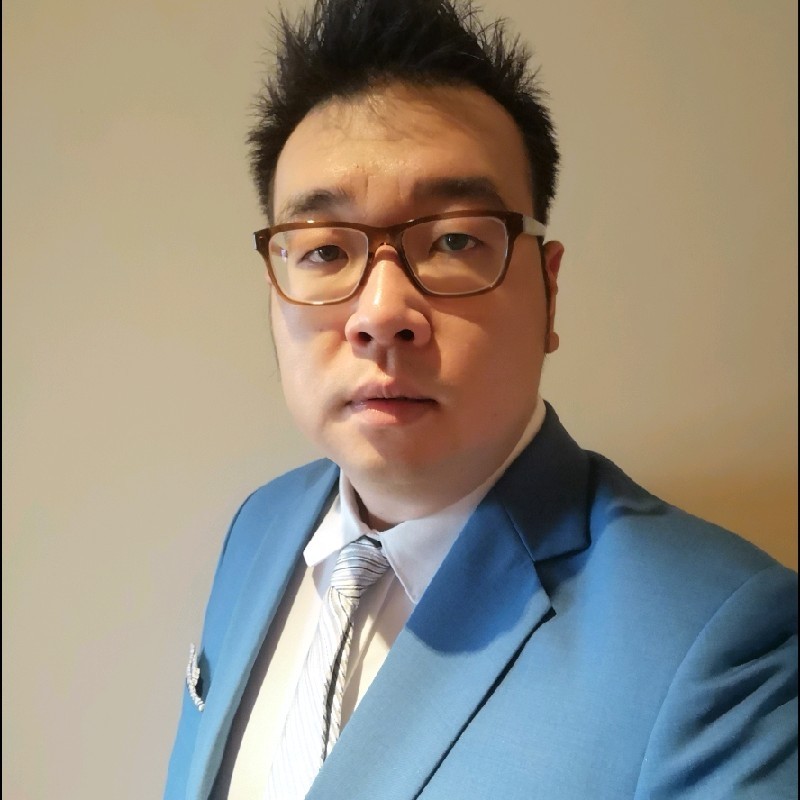
Jeremy Lee is a seasoned digital marketing director and strategist with over two decades of experience in the industry. As the founder of Sotavento Medios, I manage a diverse portfolio of over 50 businesses, helping brands grow through advanced search strategies and digital innovation. My work focuses on bridging the gap between traditional search engine optimisation and the evolving world of AI-driven answer engines.