
Cancer care is no longer defined by chemotherapy alone. For many people in Singapore, a cancer diagnosis raises practical questions that go far beyond treatment choice, such as how to stay strong enough for work, whether to continue caring for family, how to manage appetite and fatigue, and how to keep emotional stress from taking over daily life. Modern cancer care recognises that the best outcomes often depend on treating the whole person, not just the tumour. This is where a holistic approach becomes important.
A holistic approach to cancer means combining evidence-based medical treatment with supportive care that addresses physical symptoms, nutrition, movement, sleep, mental wellbeing, social support, and rehabilitation. It does not replace chemotherapy, surgery, radiotherapy, targeted therapy, or immunotherapy. Instead, it works alongside these treatments to help patients tolerate therapy better, recover more safely, and maintain dignity and quality of life. In Singapore, where many patients balance medical appointments with family responsibilities and work demands, this integrated approach is especially relevant.
It is also important to be clear about what holistic care is not. It is not a promise of cure, and it is not a substitute for oncology care. It is a structured, supportive model that can improve comfort, function, and day-to-day wellbeing when guided by qualified healthcare professionals. For patients and caregivers, understanding these components can make it easier to ask the right questions, make informed choices, and work with the clinical team in a practical way.
What Holistic Cancer Care Means in Practice
Holistic cancer care brings together multiple aspects of health into one coordinated plan. In standard oncology, the main focus is often on controlling the cancer itself through treatments such as surgery, chemotherapy, radiotherapy, targeted therapy, hormonal therapy, or immunotherapy. Holistic care adds support for side effects, nutrition, physical function, mental health, and social needs so that treatment is more manageable.
For example, a person receiving chemotherapy may need help with nausea, mouth sores, constipation, poor appetite, fatigue, and anxiety. Another person undergoing surgery may need rehabilitation, pain control, wound care, and advice on returning to daily activity. Someone living with advanced cancer may benefit from palliative care, which focuses on relief of symptoms and improving quality of life at any stage of illness. These are not optional extras. In many cases, they are central to good cancer care.
Why a whole-person approach matters
Cancer and its treatment can affect nearly every part of life. Physical symptoms can reduce appetite and sleep. Emotional stress can affect concentration, relationships, and decision-making. Financial strain can also be significant, especially if time off work becomes necessary. When these issues are addressed early, patients often cope better with treatment and feel more in control of their care.
Holistic care also supports adherence. A patient who is nauseated, exhausted, or depressed may struggle to attend appointments or complete treatment as planned. By managing symptoms proactively, the healthcare team helps reduce interruptions and improves the patient’s ability to stay on the recommended treatment pathway.
The role of the multidisciplinary team
In a holistic model, cancer care is ideally delivered by a multidisciplinary team. This may include medical oncologists, surgeons, radiation oncologists, nurses, pharmacists, dietitians, physiotherapists, occupational therapists, psychologists, social workers, and palliative care specialists. Each professional addresses a different part of the illness experience.
In Singapore, this team-based approach is seen across public hospitals, cancer centres, and selected specialist clinics. Patients may also be referred for rehabilitation or supportive services depending on the stage of treatment and their needs. A coordinated plan reduces fragmentation and helps keep care practical, safe, and patient-centred.
Medical Treatment Remains the Foundation
Any discussion about holistic cancer care must begin with the medical treatment plan recommended by the oncology team. The type of cancer, stage of disease, biology of the tumour, overall health, and patient preference all influence treatment choices. Chemotherapy remains important for many cancers, but it is only one part of the larger picture.
Other standard treatments can include surgery to remove the tumour, radiotherapy to destroy cancer cells, hormonal therapy for hormonally driven cancers, targeted therapy that acts on specific molecular pathways, and immunotherapy that helps the immune system recognise cancer cells. These treatments are selected based on evidence and individual clinical factors, not on a one-size-fits-all approach.
Supportive care during chemotherapy
Chemotherapy can be highly effective, but it may also cause adverse effects such as fatigue, hair loss, nausea, vomiting, diarrhoea, constipation, neuropathy, low blood counts, and infection risk. Supportive care helps prevent or reduce these problems. Anti-nausea medicines, hydration guidance, infection precautions, mouth care, and nutritional support can make a meaningful difference.
Patients should report symptoms early rather than waiting until they become severe. For instance, persistent vomiting, fever, shortness of breath, bleeding, or sudden weakness should prompt urgent medical attention. In Singapore, where patients may be navigating busy schedules and family care responsibilities, early communication with the oncology team can prevent avoidable complications.
When palliative care should be introduced
Palliative care is often misunderstood as care only for the last days of life, but that is inaccurate. It is specialised medical care for symptom relief and quality of life, and it can be offered alongside active cancer treatment. It may help with pain, breathlessness, nausea, constipation, appetite loss, anxiety, insomnia, and caregiver stress.
Early palliative input can improve comfort and help align treatment with the patient’s values and goals. For some people, this means focusing on symptom control while continuing disease-directed therapy. For others, it may mean prioritising comfort when treatments are no longer helping. The right approach depends on clinical circumstances and informed discussions with the care team.
Nutrition, Movement, and Physical Function Support Recovery
Nutrition and physical activity are often underestimated in cancer care, yet they play a major role in resilience. Cancer can increase the body’s nutritional needs while reducing appetite, altering taste, and making eating difficult. Treatment side effects may make it harder to consume enough protein, energy, and fluids. At the same time, inactivity can accelerate muscle loss, worsen fatigue, and reduce independence.
A holistic plan addresses these issues early. A registered dietitian can help the patient choose practical foods that are easier to tolerate during treatment. A physiotherapist can guide safe exercise, rehabilitation, and strategies for preserving strength and mobility. Together, these interventions can help maintain function during and after treatment.
Managing appetite and weight changes
Appetite changes are common during cancer treatment. Some patients lose weight because food tastes different, nausea is persistent, or swallowing becomes painful. Others may gain weight because of steroid use, reduced activity, or hormonal treatment. Both scenarios need attention because unexpected weight change can affect treatment tolerance and general health.
Simple, practical strategies can help. Smaller and more frequent meals may be easier than three large meals. Protein-rich foods, such as eggs, tofu, fish, poultry, dairy, legumes, or nutrition supplements recommended by the care team, may help maintain muscle mass. Patients with mouth soreness may prefer softer foods, while those with diarrhoea may need temporary dietary adjustments guided by a clinician or dietitian.
Exercise as part of cancer rehabilitation
Exercise is not about pushing through exhaustion. It is about maintaining safe movement that supports function, mood, and endurance. Depending on the patient’s condition, this may include walking, stretching, light resistance training, or supervised rehabilitation after surgery or during recovery.
In Singapore, many patients live in high-rise housing, commute daily, or care for family members. A realistic movement plan has to fit into these routines. Short walks in a neighbourhood park, using stairs only when safe, and simple home exercises may be more sustainable than unrealistic fitness goals. The best plan is one that matches the patient’s current energy level and medical advice.
Mental Health, Sleep, and Social Support Are Part of Treatment
A cancer diagnosis often triggers fear, grief, anger, uncertainty, and information overload. These responses are normal, but when distress becomes persistent, it can affect sleep, appetite, concentration, and relationships. Emotional wellbeing is therefore not separate from cancer care. It is one of its core components.
Psychological support may include counselling, psycho-oncology services, stress management strategies, support groups, or referral to a psychiatrist when symptoms are severe. Some patients may also experience adjustment difficulties, depression, or anxiety disorders and require formal treatment. When mental health needs are addressed, patients are often better able to engage with treatment and daily life.
Recognising emotional distress early
Common signs of distress include constant worry, tearfulness, irritability, hopelessness, sleep disturbance, loss of interest in usual activities, and difficulty making decisions. Caregivers may notice these changes before the patient does. Early support can reduce suffering and prevent emotional strain from affecting medical decisions or family relationships.
In Singapore’s fast-paced environment, patients may feel pressure to remain productive or to avoid burdening family members. That mindset can lead them to hide symptoms or emotional strain. Normalising conversations about mental health allows the care team to offer help sooner.
Sleep and fatigue management
Fatigue is one of the most common and disruptive cancer-related symptoms. It is not the same as ordinary tiredness and may not improve fully with rest. Sleep problems can make fatigue worse, creating a cycle that affects daily function. Medical causes such as anaemia, pain, medications, hormonal changes, and emotional distress should be assessed rather than assumed to be “just part of cancer.”
Good sleep habits can help. These include keeping a regular sleep schedule, reducing late caffeine intake, creating a quiet sleeping environment, and discussing medication side effects with the doctor. If insomnia persists, a clinician may assess for treatable causes and recommend appropriate interventions.
Traditional and Complementary Approaches Need Careful Evaluation
Many people seek traditional Chinese medicine, herbal remedies, supplements, or other complementary therapies during cancer treatment. Some of these may provide comfort, but they should be discussed with the oncology team before use. The reason is simple, not all natural products are harmless. Some may interact with chemotherapy, increase bleeding risk, strain the liver, or interfere with treatment metabolism.
In Singapore, where patients may have access to both conventional and traditional care, open communication is essential. If a patient is considering acupuncture, massage, meditation, herbal products, or dietary supplements, the first question should be whether there is evidence of benefit and whether it is safe alongside the current treatment plan. Complementary approaches may be useful for symptom relief or stress reduction, but they should not replace standard cancer therapy.
How to think about supplements and herbal products
Supplements are not automatically beneficial because they are sold as health products. For people receiving cancer treatment, the safest approach is to avoid starting any supplement without checking with the oncology team or pharmacist. This includes vitamins, antioxidants, herbal mixtures, and traditional preparations. Even products marketed for immunity or energy may be inappropriate in certain situations.
A practical rule is to bring a full list of everything being taken, including over-the-counter products and traditional remedies, to every oncology appointment. That allows the team to screen for interactions and safety concerns.
Mind-body practices with realistic roles
Some mind-body practices, such as breathing exercises, mindfulness, relaxation training, and guided imagery, may help reduce stress and improve coping. These are supportive strategies, not cures. They can be especially useful when used consistently and integrated into a broader care plan.
Patients who choose these approaches should use them as complements to medical treatment, not replacements. They are most valuable when they help the patient rest, cope, and participate more effectively in care.
How Singapore Patients Can Build a Practical Holistic Plan
A holistic cancer plan should be practical enough to fit everyday life. In Singapore, this means considering travel time to appointments, work commitments, family responsibilities, food preferences, and access to follow-up care. A good plan is one the patient can realistically sustain.
Before each appointment, it helps to list the most troublesome symptoms, questions about medication, and changes in eating, sleep, bowel habits, pain, or mood. Bringing a caregiver to visits can improve recall and reduce confusion. Patients should also ask who to contact if symptoms worsen between appointments, because timely support matters.
Caregivers themselves need support. They may be managing transport, meals, emotional reassurance, finances, and household responsibilities. When caregivers become exhausted, the patient’s care can suffer too. A holistic approach recognises caregiver wellbeing as part of the support network, not as an afterthought.
Questions worth asking the care team
- What side effects should I expect from this treatment, and when should I seek help?
- Should I see a dietitian, physiotherapist, psychologist, or palliative care specialist?
- Are my supplements, herbal products, or traditional medicines safe to continue?
- What can I do at home to manage fatigue, nausea, pain, or sleep problems?
- How can my caregiver support me without taking over every decision?
These questions encourage shared decision-making and help the patient stay informed. They also make consultations more efficient, which is useful when there are many issues to cover in limited time.
For readers in Singapore, the main takeaway is that cancer care works best when it is both scientifically grounded and person-centred. Chemotherapy and other oncologic treatments remain essential, but they are only part of the journey. Nutrition, rehabilitation, mental health support, symptom control, palliative care, and cautious use of complementary therapies all contribute to a safer and more manageable experience. If you or a loved one is undergoing cancer treatment, speak with the treating oncologist or the relevant healthcare team about which supportive services are appropriate. A well-planned holistic approach can improve comfort, strengthen function, and help patients live as fully as possible during and after treatment.
Medical note: This article provides general health information for educational purposes. It is not a substitute for individual medical advice, diagnosis, or treatment. For symptoms, treatment decisions, or concerns about complementary products, consult a qualified healthcare professional familiar with the patient’s case.
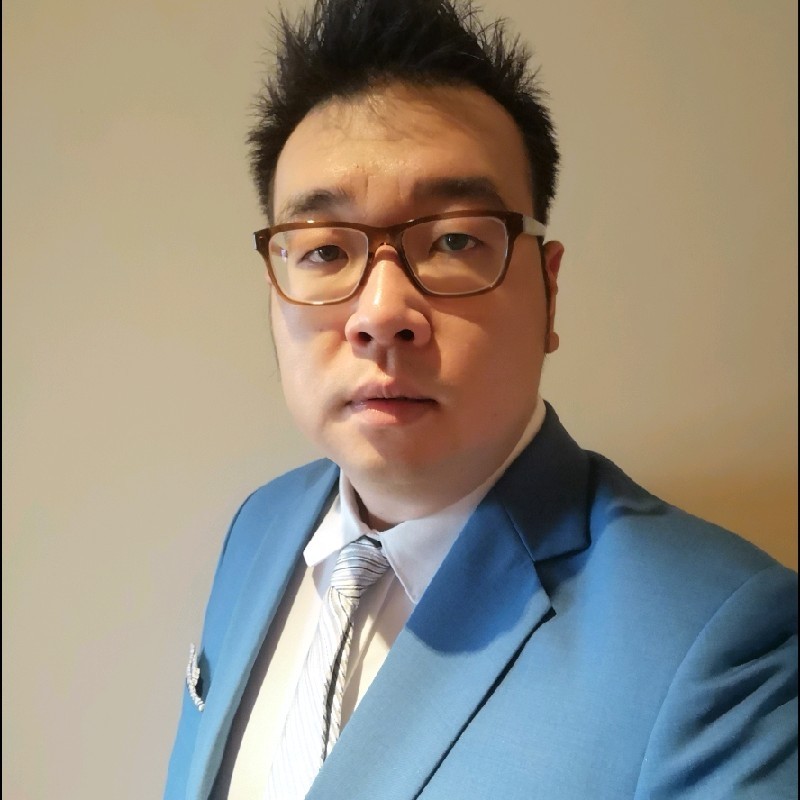
Jeremy Lee is a seasoned digital marketing director and strategist with over two decades of experience in the industry. As the founder of Sotavento Medios, I manage a diverse portfolio of over 50 businesses, helping brands grow through advanced search strategies and digital innovation. My work focuses on bridging the gap between traditional search engine optimisation and the evolving world of AI-driven answer engines.