
Adult acne, once thought to be a concern limited to adolescence, is increasingly prevalent among adults, particularly those navigating the demanding urban landscape of Singapore’s Central Business District (CBD). The constant hustle, intense work pressures, and pervasive environmental factors raise a critical question for many Singaporeans: Is pollution or stress the primary culprit behind their persistent breakouts? This article by Jeremy Lee for specialistsphere.com aims to provide a comprehensive, evidence-based exploration into the complex interplay of these factors, offering actionable insights and management strategies tailored for our local context. We will delve into the nuances of adult acne, examining how both environmental aggressors and internal stressors contribute to its development, and crucially, how you can effectively manage it. Our goal is to equip you with the knowledge to understand your skin better and make informed decisions about its care.
Understanding Adult Acne – More Than Just Teenage Woes
What is Adult Acne?
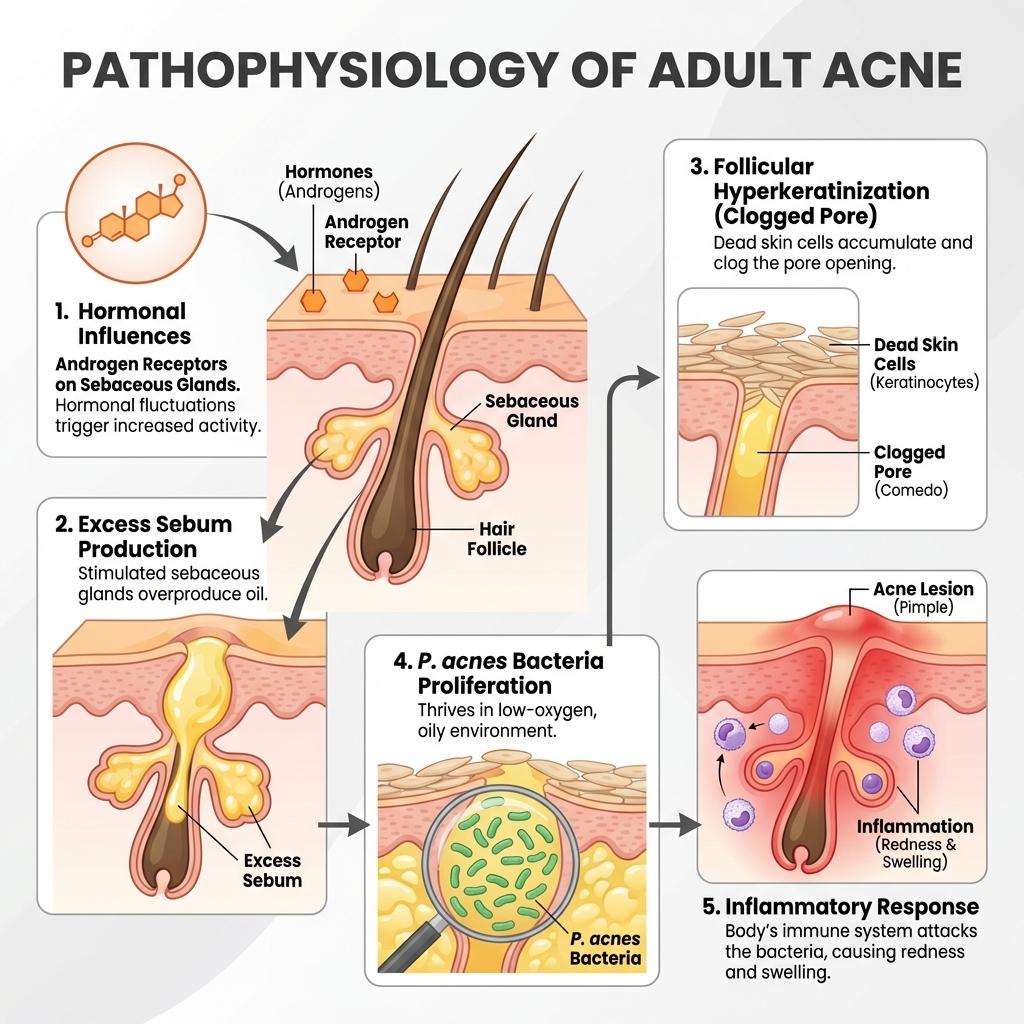
Adult acne, or adult-onset acne, refers to the development of acne vulgaris after the age of 25. Unlike the more diffuse presentation often seen in teenagers, adult acne frequently manifests as inflammatory lesions, including papules (small, red bumps), pustules (pus-filled bumps), nodules (large, solid, painful lumps beneath the skin’s surface), and even cysts (deep, painful, pus-filled lesions) predominantly around the jawline, chin, and neck. Comedones, commonly known as blackheads and whiteheads, may also be present, but the inflammatory component tends to be more significant in adult cases. This condition can be persistent, often fluctuating with hormonal changes and external triggers, leading to emotional distress and potential scarring if not properly managed. The skin’s sebaceous glands, which produce an oily substance called sebum, play a central role. When these glands become overactive, producing excess sebum, and combine with dead skin cells, hair follicles can become clogged, creating an ideal environment for the proliferation of Propionibacterium acnes, a bacterium naturally present on the skin that contributes to inflammation and acne lesions.
The Hormonal Link
Hormonal fluctuations are a significant driver of adult acne, particularly in women. Androgens, male hormones present in both men and women, stimulate the sebaceous glands to produce more sebum. Imbalances or heightened sensitivity to these hormones can lead to increased oiliness and subsequent breakouts. This is why many women experience flare-ups during specific phases of their menstrual cycle, during pregnancy, or in conditions like Polycystic Ovary Syndrome (PCOS), where androgen levels are typically elevated. Understanding these internal hormonal shifts is crucial for developing an effective treatment plan, as topical treatments alone may not suffice for hormonally driven acne. For example, some individuals may find their acne worsens during periods of high stress, which can also influence hormonal balance, leading to a cascade of effects on the skin.
Genetic Predisposition
Beyond hormones, genetics also plays a substantial role. If your parents or close relatives experienced adult acne, you are more likely to develop it yourself. Research indicates a strong hereditary component in acne susceptibility, suggesting that certain genetic factors can influence everything from sebaceous gland activity to immune responses and inflammation. While genetics cannot be changed, recognizing this predisposition can help individuals be more proactive in their skincare and seek early intervention, preventing severe outbreaks and potential long-term skin damage. It emphasizes the importance of a consistent skincare routine and potentially more intensive dermatological treatments for those with a strong family history.
The Urban Environment’s Influence – Pollution and Your Skin
Airborne Pollutants and Skin Health
Singapore’s urban environment, while vibrant and modern, exposes its residents to various airborne pollutants. Particulate matter (PM2.5), ozone (O3), and nitrogen dioxide (NO2), primarily from vehicular emissions and industrial activities, are ubiquitous. These microscopic particles and gases do not just affect respiratory health; they are significant aggressors for the skin. PM2.5, which are fine particles with a diameter of 2.5 micrometers or less, are small enough to penetrate the skin barrier, disrupting its protective functions. Once inside, they can trigger a cascade of detrimental effects. Similarly, ground-level ozone, formed when pollutants from cars, power plants, and other sources react chemically in the presence of sunlight, is a potent oxidant that directly harms skin cells.
Oxidative Stress and Inflammation
The interaction of airborne pollutants with the skin leads to increased oxidative stress. This is a state where there is an imbalance between the production of reactive oxygen species, also known as free radicals, and the body’s ability to counteract their harmful effects with antioxidants. Free radicals attack healthy skin cells, leading to lipid peroxidation, a process where cell membranes are damaged. This damage triggers inflammatory responses, increasing the production of pro-inflammatory cytokines, which are signaling molecules that mediate and regulate immunity and inflammation. In the context of acne, oxidative stress can exacerbate sebum production, alter the composition of skin lipids, and promote hyperkeratinization, which is the excessive production of keratin, leading to clogged pores and creating an ideal environment for acne development. The skin’s natural antioxidant defenses can be overwhelmed, making it more vulnerable to breakouts and premature aging.
Singapore’s Context: Haze and Urban Living
Singapore experiences seasonal haze, primarily from transboundary sources, which significantly increases the concentration of PM2.5 and other pollutants. During these periods, many residents notice an exacerbation of skin conditions, including acne. Even on non-hazy days, the daily exposure to urban pollution in densely populated areas like the CBD contributes to chronic, low-grade inflammation in the skin. For individuals working or living in the CBD, daily commutes and outdoor activities mean consistent exposure. To minimize this, practical steps include using air purifiers at home and in offices, wearing protective clothing or hats when outdoors for prolonged periods, and thoroughly cleansing the skin at the end of the day to remove accumulated pollutants. Choosing skincare products that contain antioxidants can also help fortify the skin’s defenses against environmental damage.

The Mind-Skin Connection – Stress as a Trigger
The Stress-Hormone Axis
Stress, whether acute or chronic, profoundly impacts the body’s physiological functions, and the skin is no exception. The link between stress and acne is mediated primarily through the hypothalamus-pituitary-adrenal (HPA) axis, often referred to as the “stress-hormone axis.” When under stress, the body releases various hormones, including cortisol and corticotropin-releasing hormone (CRH). Cortisol, the primary stress hormone, stimulates the sebaceous glands to produce more sebum, leading to oilier skin and a higher likelihood of clogged pores. CRH, produced in both the brain and by skin cells, can also directly influence the sebaceous glands, increasing sebum production and promoting inflammation. Furthermore, neuropeptides, small protein-like molecules used by neurons to communicate with each other, are released during stress and can directly contribute to skin inflammation and disrupt the skin barrier function, further aggravating acne.
Lifestyle Factors Aggravated by Stress
The indirect effects of stress on lifestyle choices also contribute significantly to adult acne. High-stress periods often lead to poor sleep quality and quantity, which impairs the skin’s ability to repair and regenerate overnight, making it more susceptible to breakouts. Dietary habits can also shift, with individuals gravitating towards high-glycemic index foods or processed snacks, which some studies suggest can exacerbate acne by influencing insulin-like growth factor-1 (IGF-1) levels and inflammation. Increased sweating due to stress or physical activity, if not promptly cleansed, can also contribute to clogged pores. Furthermore, habitual skin picking or touching, a common nervous habit during stressful times, introduces bacteria and further inflames existing lesions, perpetuating the acne cycle. These “stress breakouts” are particularly common among professionals in high-pressure environments like the CBD, where the demands of work and life often lead to elevated stress levels.
Managing Stress in Singapore’s Fast-Paced CBD
Effectively managing stress is a critical component of adult acne treatment, especially for Singaporeans living and working in the CBD. Incorporating stress-reduction techniques into daily routines can make a significant difference. Simple practices include mindfulness exercises, such as short meditation sessions or deep breathing techniques, which can be done discreetly at your desk. Regular physical activity, such as a brisk walk during lunch breaks in a nearby park or after work, is a proven stress reliever. Ensuring adequate sleep, typically 7-9 hours per night, is paramount for overall skin health and bodily repair. Practicing good time management and setting realistic boundaries between work and personal life can also reduce chronic stress. Seeking support from friends, family, or even professional counseling services when stress becomes overwhelming is also a valuable strategy for maintaining mental and physical well-being.
Navigating Treatment and Prevention in Singapore
Topical Treatments
For many Singaporeans dealing with adult acne, topical treatments are the first line of defense. Over-the-counter options often contain active ingredients like benzoyl peroxide, which kills acne-causing bacteria and helps shed dead skin cells, or salicylic acid, a beta-hydroxy acid that exfoliates the skin and unclogs pores. For more persistent cases, a doctor might prescribe topical retinoids, such as adapalene or tretinoin, which are vitamin A derivatives that normalize cell turnover and prevent clogged follicles. Azelaic acid is another effective option, known for its anti-inflammatory and antibacterial properties, particularly beneficial for post-inflammatory hyperpigmentation, a common concern among individuals with darker skin tones. It is crucial to use these treatments consistently and as directed, understanding that results often take several weeks to become apparent. Introducing new products slowly can also help the skin adjust, especially in Singapore’s humid climate which can sometimes exacerbate irritation.
Oral Medications
When topical treatments alone are insufficient, oral medications may be considered under the guidance of a medical professional. Oral antibiotics, such as doxycycline or minocycline, are prescribed for their anti-inflammatory effects and to reduce bacterial load. However, their use is typically short-term to avoid antibiotic resistance. For women with hormonally driven acne, oral contraceptives can help regulate hormone levels, and spironolactone, an anti-androgen medication, can reduce sebum production. Isotretinoin, a powerful oral retinoid, is reserved for severe, nodular, or cystic acne that has not responded to other treatments. It works by significantly reducing sebum production and normalizing follicular keratinization. Due to its potent effects and potential side effects, isotretinoin treatment requires close monitoring by a dermatologist. In Singapore, these medications are strictly regulated and require a doctor’s prescription, emphasizing the importance of professional medical consultation.
Lifestyle and Skincare Strategies for Singaporeans
A holistic approach that integrates appropriate skincare with healthy lifestyle choices is vital for managing adult acne in Singapore. Gentle cleansing twice daily with a mild, pH-balanced cleanser helps remove excess oil, dirt, and pollutants without stripping the skin. Using non-comedogenic skincare products, which are formulated not to clog pores, is essential. Given Singapore’s intense sun exposure, daily application of a broad-spectrum sunscreen with at least SPF30 is critical, as some acne treatments can increase sun sensitivity, and sun exposure can worsen post-inflammatory hyperpigmentation. Diet plays a role for some; while specific food triggers vary, a balanced diet rich in fruits, vegetables, and lean proteins, with a focus on low-glycemic index foods, may be beneficial. Staying well-hydrated by drinking plenty of water throughout the day also supports overall skin health. Developing a consistent and sustainable skincare routine tailored to your skin type and concerns is more effective than sporadic or aggressive treatments.
When to Seek Professional Help
While many mild cases of adult acne can be managed with over-the-counter products and lifestyle adjustments, knowing when to seek professional medical attention is crucial. If your acne is persistent, severe, painful, or causing emotional distress and affecting your quality of life, it is time to consult a doctor. A general practitioner in Singapore can often provide initial advice and prescribe basic topical or oral treatments. For more complex or resistant cases, referral to a dermatologist, a medical doctor specializing in skin conditions, is highly recommended. Dermatologists can accurately diagnose the type of acne, identify underlying causes, and offer a wider range of advanced treatments, including chemical peels, laser therapy, and personalized medication regimens. Early intervention by a professional can prevent permanent scarring and significantly improve outcomes.
Adult acne is a multifaceted condition, and for Singaporeans in the CBD, both environmental pollution and psychological stress emerge as significant, interconnected contributors. While pollution exerts its influence through oxidative stress and inflammation, stress activates hormonal pathways that escalate sebum production and exacerbate breakouts. Neither factor acts in isolation; they often synergistically create a challenging environment for clear skin. The key to effective management lies in adopting a holistic strategy that addresses both external aggressors and internal stressors. This includes diligent skincare with non-comedogenic products, protecting the skin from urban pollutants, implementing stress-reduction techniques, maintaining a balanced lifestyle, and, crucially, seeking professional medical advice when over-the-counter solutions prove insufficient. By understanding these complex interactions and embracing proactive management strategies, individuals can regain control over their skin health and navigate the demands of urban living with greater confidence. Remember, persistent acne is a medical condition that warrants professional assessment, so do not hesitate to consult a dermatologist for a personalized treatment plan tailored to your unique needs.

Jeremy Lee is a seasoned digital marketing director and strategist with over two decades of experience in the industry. As the founder of Sotavento Medios, I manage a diverse portfolio of over 50 businesses, helping brands grow through advanced search strategies and digital innovation. My work focuses on bridging the gap between traditional search engine optimisation and the evolving world of AI-driven answer engines.