
Understanding Allergic Rhinitis in Singapore
Allergic rhinitis, commonly known as hay fever, is a prevalent condition affecting many Singaporeans, especially during the morning hours. Characterized by symptoms such as sneezing, runny nose, and itchy eyes, allergic rhinitis can significantly impact daily life. Singapore’s humid climate and year-round pollen presence can exacerbate these symptoms, making it crucial for sufferers to find effective management strategies.
Causes and Triggers: What You Need to Know
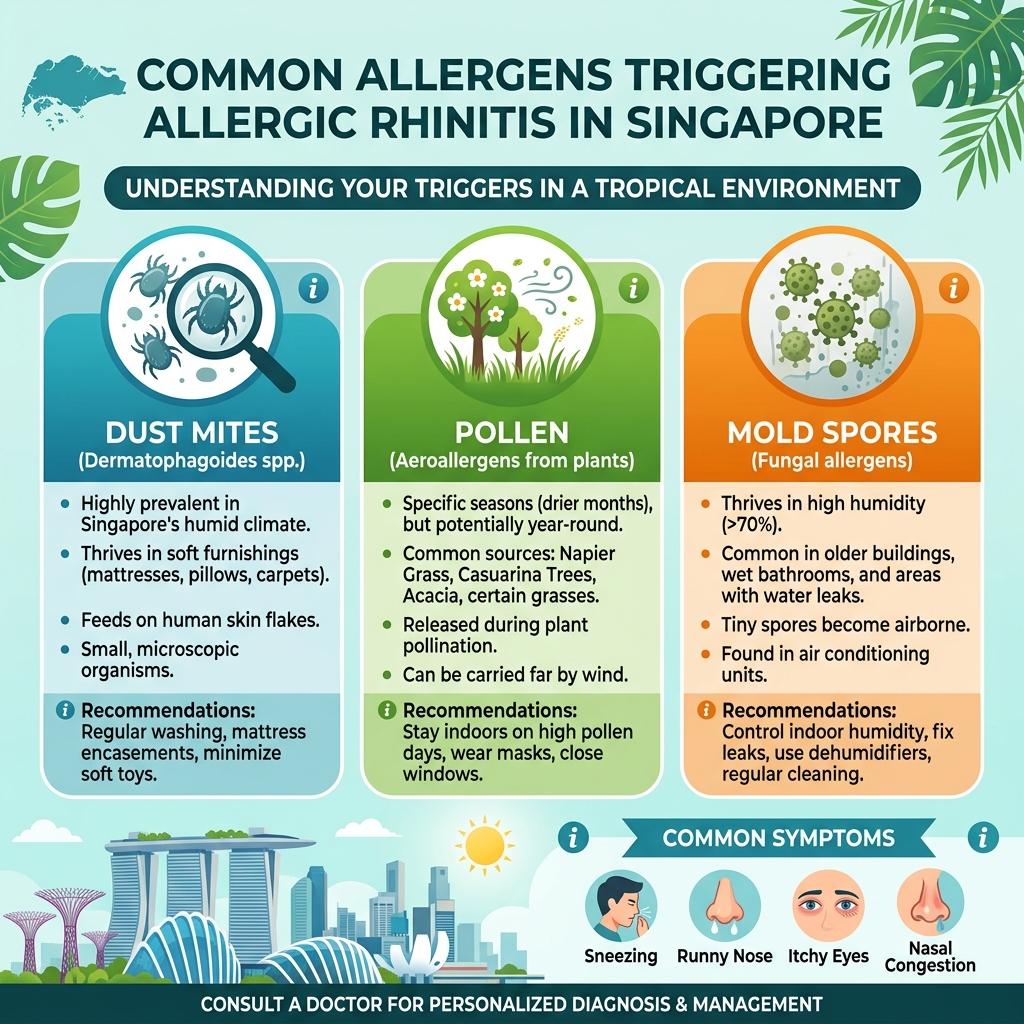
Allergic rhinitis occurs when the immune system overreacts to allergens in the environment. In Singapore, common allergens include dust mites, pollen, and mold spores. Understanding these triggers is the first step in breaking the cycle of the morning sneeze. Combination of genetic factors and environmental exposure contribute to this condition.
Identifying and Avoiding Allergens
Reducing exposure to allergens is vital. Regularly cleaning air filters, using dehumidifiers, and keeping windows closed during high pollen counts can help.
Understanding the Role of the Immune System
The immune system’s response to harmless substances as threats results in the release of histamines, leading to the symptoms of allergic rhinitis. Antihistamines and nasal sprays can alleviate these responses.
Symptoms and Diagnosis: A Closer Look
Symptoms of allergic rhinitis vary but often include nasal congestion, runny nose, and itchy, watery eyes. Diagnosing allergic rhinitis involves a medical history evaluation, physical examination, and possibly allergy testing. Understanding your specific allergens is crucial for targeted treatment.
Impact on Daily Life
For many Singaporeans, allergic rhinitis can disrupt sleep and affect work or school performance. Implementing effective management strategies is essential for improving quality of life.
Medical Diagnosis and Tests
Consulting healthcare professionals for skin prick tests or blood tests can help pinpoint specific allergens. This step is vital for effective long-term management.
Treatment and Management Options
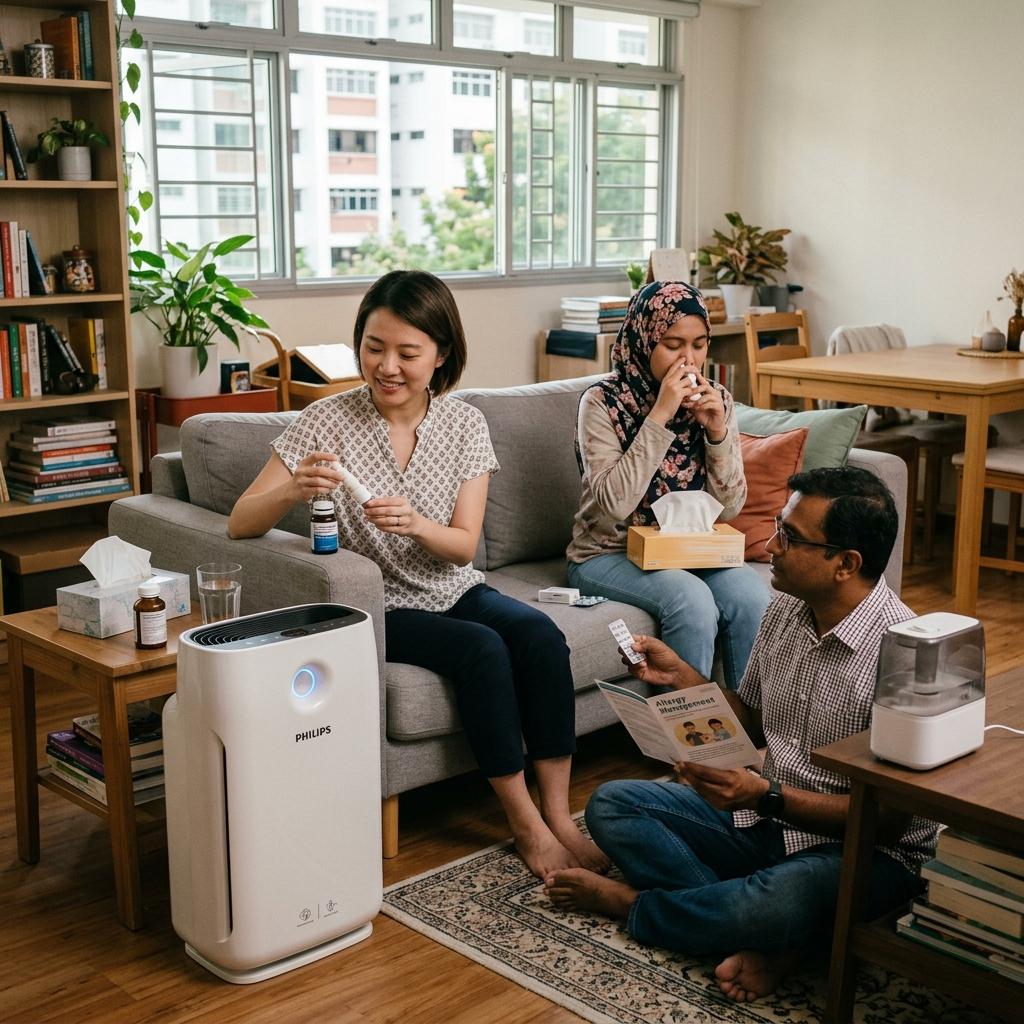
Managing allergic rhinitis involves a combination of medication, lifestyle changes, and avoidance strategies. Singapore’s healthcare system offers various options, including prescription medications and over-the-counter remedies.
Medication: Finding What Works for You
Medications such as antihistamines, nasal corticosteroids, and decongestants can be effective. It’s essential to understand their benefits and potential side effects.
Lifestyle Modifications: Simple Changes for Relief
Making lifestyle changes like regular cleaning and choosing hypoallergenic products can significantly reduce symptoms.
Conclusion: Taking Control of Your Health
Allergic rhinitis is manageable with the right approach. Singaporeans affected by this condition should work closely with healthcare providers to develop personalized management plans. Remember, if symptoms persist, seeking medical advice is crucial to prevent complications. By understanding your triggers and effectively managing your symptoms, you can break the cycle of the morning sneeze and improve your quality of life.

Jeremy Lee is a seasoned digital marketing director and strategist with over two decades of experience in the industry. As the founder of Sotavento Medios, I manage a diverse portfolio of over 50 businesses, helping brands grow through advanced search strategies and digital innovation. My work focuses on bridging the gap between traditional search engine optimisation and the evolving world of AI-driven answer engines.