
Tinnitus: Managing the “Ringing” in Your Ears with Modern Therapy
Living in bustling Singapore, many individuals experience the constant “ringing” in their ears known as tinnitus. This article aims to provide comprehensive insights into managing tinnitus through modern therapeutic approaches available in Singapore. As this condition affects a significant portion of the population, understanding its implications and management is crucial for maintaining quality of life.
Understanding Tinnitus: What Is It?
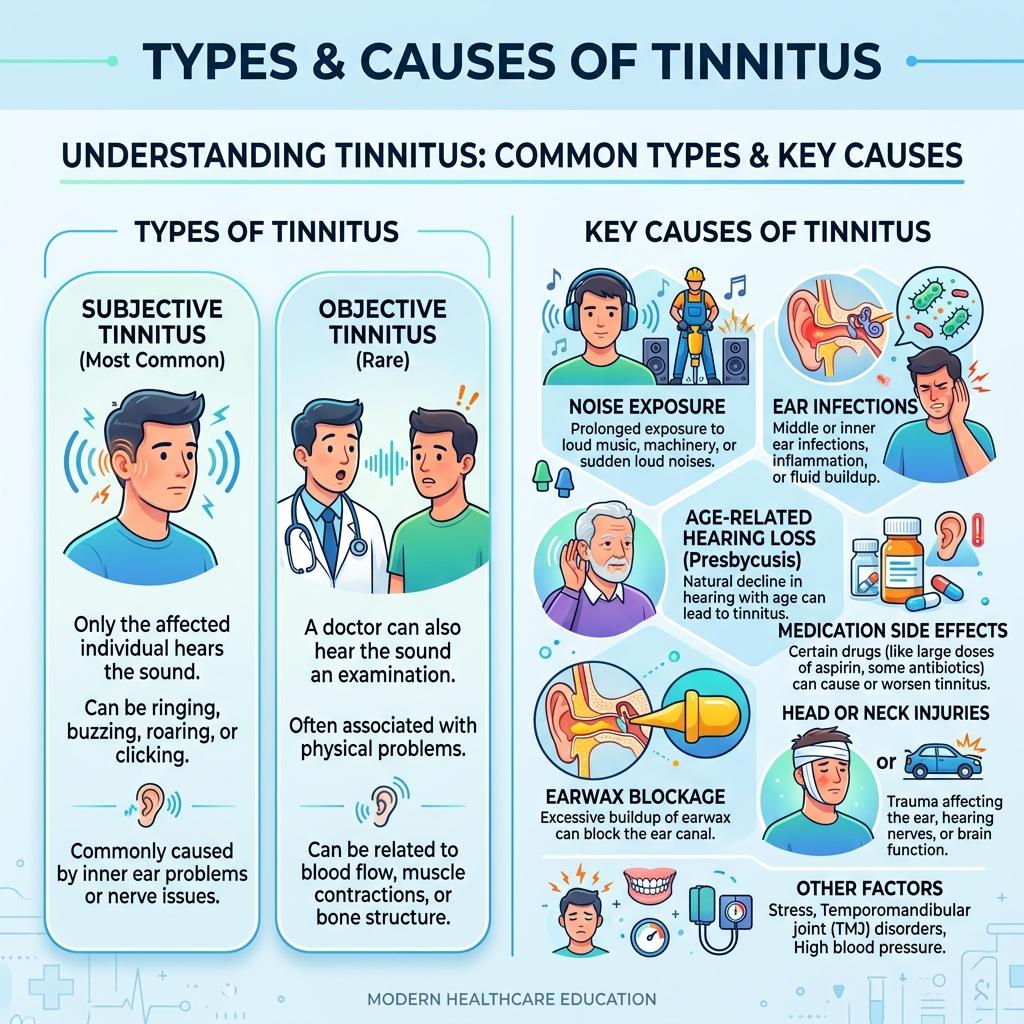
Tinnitus is the perception of sound when no external sound is present. It is often described as a ringing, buzzing, or hissing. For some, it’s a minor nuisance; for others, it impacts daily living. While tinnitus itself is not a disease, it is a symptom of an underlying condition, such as age-related hearing loss or exposure to loud noise.
Types and Causes of Tinnitus
Tinnitus can be categorized into two types: subjective and objective. Subjective tinnitus is heard only by the patient, whereas objective tinnitus can be perceived by a clinician using a stethoscope. Common causes include prolonged exposure to loud noise, ear infections, and ototoxic medications.
Symptoms and Diagnosis
Symptoms include a persistent sound in the ears, disruptions in concentration, and trouble sleeping. Diagnosis involves a thorough examination and auditory tests, often available through specialists in Singapore’s healthcare system.
Modern Approaches to Managing Tinnitus
With advancements in technology and therapy, modern approaches to tinnitus management in Singapore are focused on personalized treatment plans.
Sound Therapy
Sound therapy uses external noise to alter the perception of or reaction to tinnitus. Devices produce white noise, nature sounds, or customized auditory stimuli to enhance auditory habituation.
Cognitive Behavioral Therapy (CBT)
CBT is an evidence-based psychological treatment that addresses the negative impact of tinnitus by changing maladaptive thought patterns and behaviors.
Medical Management and Pharmacotherapy
While no drugs are specifically approved for tinnitus, certain medications help relieve symptoms. Approaches vary depending on individual needs and responses, requiring consultation with healthcare professionals.

Local Insights: Tinnitus Management in Singapore
Singapore offers a range of therapeutic options, supported by experienced audiologists and ENT specialists. Access to advanced audiological equipment and comprehensive treatment plans enable personalized care.
Community Support and Resources
Support groups and community resources provide emotional and educational support to individuals affected by tinnitus. Awareness campaigns further aid in coping strategies.
Conclusion: Navigating Life with Tinnitus
Living with tinnitus in Singapore doesn’t have to mean a decline in quality of life. By leveraging modern therapeutic options and community resources, individuals can manage their symptoms effectively. It is crucial to seek professional help if tinnitus severely impacts daily functioning or wellbeing.
For more information, consider consulting local audiologists and healthcare providers who can offer tailored advice and treatment options.
Jeremy Lee is a seasoned digital marketing director and strategist with over two decades of experience in the industry. As the founder of Sotavento Medios, I manage a diverse portfolio of over 50 businesses, helping brands grow through advanced search strategies and digital innovation. My work focuses on bridging the gap between traditional search engine optimisation and the evolving world of AI-driven answer engines.