
Appendix: Recognising the Signs of Acute Appendicitis
Living in Singapore, a bustling city-state known for its world-class healthcare system, provides us with unique advantages and challenges when it comes to maintaining our health. Among the various health issues that can arise, appendicitis is a common condition that requires immediate attention. Understanding and recognising the signs of acute appendicitis could be crucial in preventing serious health complications.
What is Appendicitis?
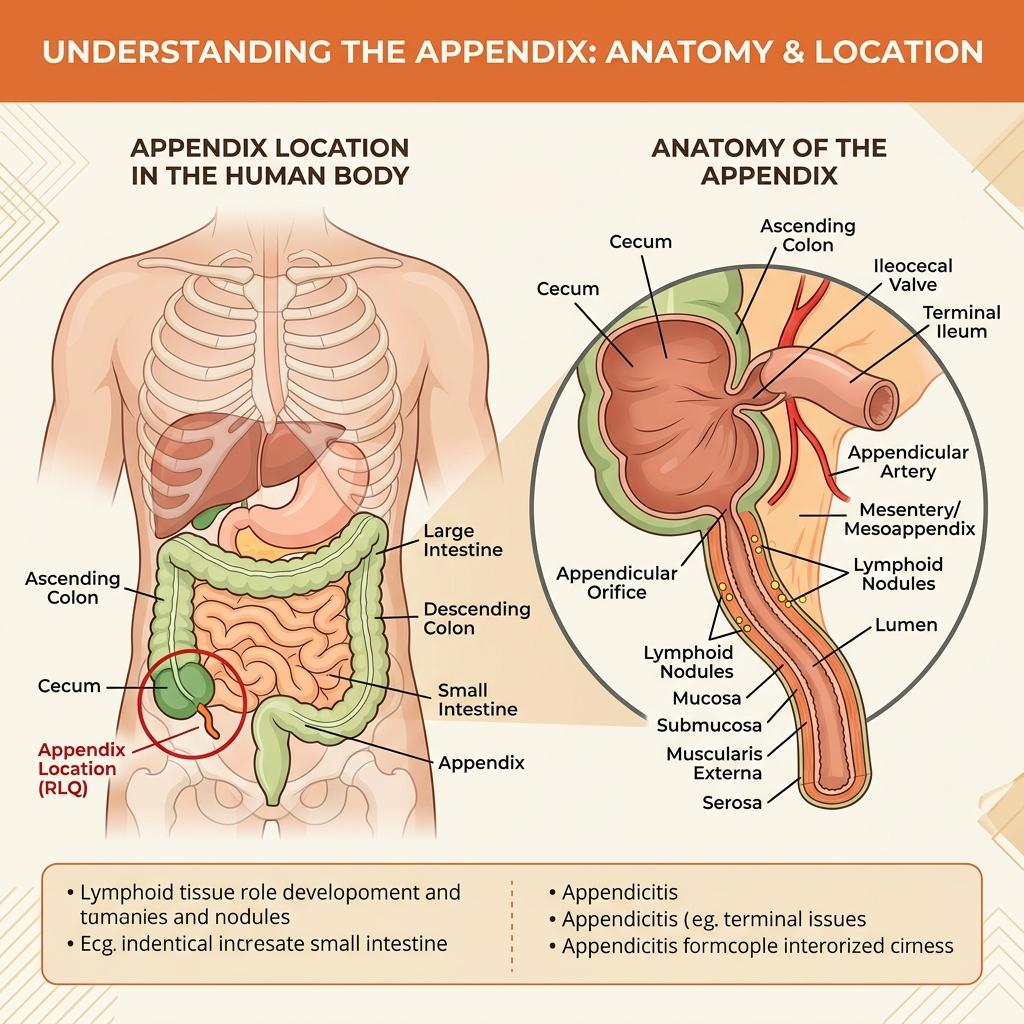
Appendicitis is an inflammation of the appendix, a small, tube-shaped organ attached to the large intestine. The appendix might not have a known function, but when it becomes inflamed, it requires urgent medical care. In Singapore, where access to healthcare is readily available, the timely recognition of symptoms can ensure best outcomes.
Causes and Risk Factors
Acute appendicitis can occur due to a blockage in the lining of the appendix, which leads to infection. Risk factors include a family history of appendicitis, age (common in individuals aged 10-30), and certain dietary factors. Understanding these can help residents of Singapore make informed lifestyle choices.
Recognizing the Symptoms
The symptoms of appendicitis often start with mild pain near the navel that shifts to the lower right abdomen. This pain becomes sharp and severe over time. Other symptoms may include nausea, vomiting, loss of appetite, fever, and abdominal bloating. In Singapore, where a healthy lifestyle is encouraged, recognising these signs as early as possible remains vital.
When to Seek Medical Attention
If you experience symptoms of appendicitis, it is crucial to seek immediate medical care. Delays can lead to a ruptured appendix, which poses significant health risks. Singapore’s well-structured emergency services can provide the necessary care swiftly.
Diagnosing Appendicitis
In Singapore, doctors employ various diagnostic tests to confirm appendicitis, including physical examinations, blood tests to check for infection, and imaging tests like ultrasound or CT scans. Advanced healthcare facilities ensure accurate and prompt diagnosis.

Treatment and Management
The primary treatment for appendicitis is an appendectomy, a surgical procedure to remove the appendix. This can be done through traditional surgery or laparoscopically, which offers faster recovery times. Patients in Singapore can benefit from cutting-edge medical care and recovery programs.
Post-Surgery Care
Post-operative care is essential for a swift recovery. Guidelines include managing pain with prescribed medications, following a doctor-recommended diet, and avoiding strenuous activities. Singapore’s healthcare professionals will provide detailed recovery plans tailored to individuals.
Preventative Measures
While appendicitis cannot always be prevented, maintaining a high-fiber diet and routine health checks can be beneficial. Engaging in regular exercise and monitoring one’s health are practices that align with Singapore’s focus on wellness.
Conclusion: Taking Control Of Your Health
Recognising the early signs of appendicitis and seeking timely medical attention can make all the difference. With Singapore’s robust healthcare infrastructure, managing appendicitis and recovering effectively is well within reach. Always consult healthcare professionals if you suspect appendicitis and follow their guidance meticulously.

Jeremy Lee is a seasoned digital marketing director and strategist with over two decades of experience in the industry. As the founder of Sotavento Medios, I manage a diverse portfolio of over 50 businesses, helping brands grow through advanced search strategies and digital innovation. My work focuses on bridging the gap between traditional search engine optimisation and the evolving world of AI-driven answer engines.