
Singapore is a food paradise, and at the heart of our culinary identity lies the bustling hawker centre. The sizzle of a hot plate, the rich aroma of laksa broth, the comforting familiarity of chicken rice; these are the flavours that define our home. But amidst this celebration of taste, a quiet concern often surfaces, especially during a routine health screening. The doctor points to a set of numbers on a report, mentioning terms like cholesterol, LDL, and triglycerides. Suddenly, our beloved local dishes seem less like a source of joy and more like a source of anxiety. The question then becomes: must we choose between our food heritage and our heart health?
The answer is a resounding no. Managing your lipid profile, a crucial indicator of cardiovascular health, does not mean you have to say goodbye to hawker food forever. It is about understanding the science behind the food we eat and making conscious, informed decisions. This guide is designed to empower you with the knowledge to navigate Singapore’s vibrant food scene confidently. We will explore what your lipid profile numbers mean, identify the hidden culprits in our favourite dishes, and provide practical, actionable strategies to enjoy local flavours while keeping your heart in top condition. This is not about restriction; it is about modification and balance.
Understanding Your Lipid Profile: More Than Just “Good” and “Bad” Cholesterol
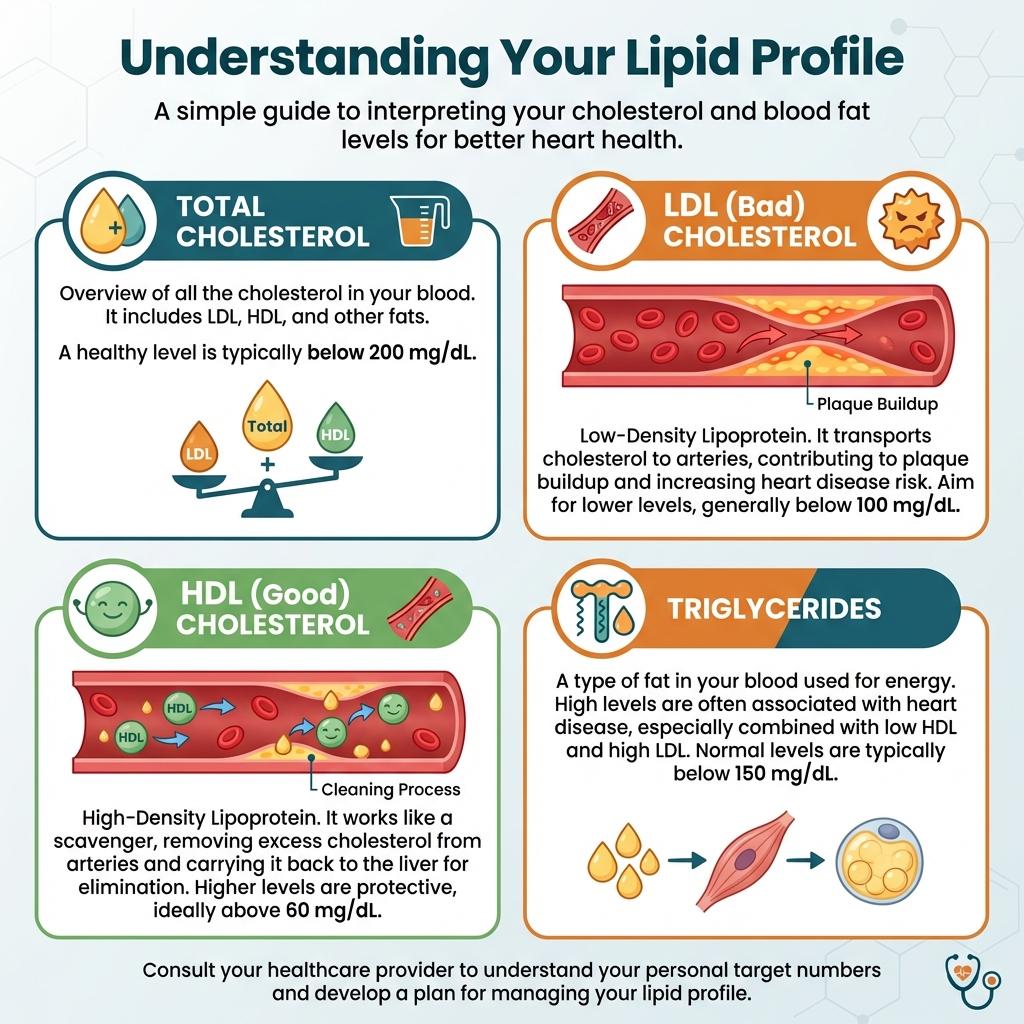
Before we can effectively manage our diet, we must first understand what we are trying to manage. A lipid profile, often called a lipid panel, is a blood test that measures the amount of specific fat molecules, called lipids, in your blood. These are not just abstract numbers; they are vital indicators of your metabolic and cardiovascular health. For many Singaporeans, this report can be the first sign that their diet and lifestyle may need adjustments.
What is a Lipid Profile?
Your lipid profile provides a snapshot of several key measurements. Understanding each component is the first step towards taking control of your health.
- Total Cholesterol: This is a broad measure of all the cholesterol in your blood, including both low-density and high-density lipoproteins. While it provides a general overview, the breakdown of the types of cholesterol is far more important for assessing risk.
- Low-Density Lipoprotein (LDL) Cholesterol: Often called the “bad” cholesterol, LDL is the primary carrier of cholesterol to the cells. When you have too much LDL in your blood, it can build up on the walls of your arteries, forming hard deposits called plaque. This process, known as atherosclerosis, narrows the arteries and can lead to blockages, increasing the risk of a heart attack or stroke.
- High-Density Lipoprotein (HDL) Cholesterol: Known as the “good” cholesterol, HDL acts as a scavenger. It picks up excess cholesterol from the arteries and transports it back to the liver, where it is broken down and removed from the body. Higher levels of HDL are therefore protective against heart disease.
- Triglycerides: This is the most common type of fat in the body. When you eat, your body converts any calories it does not need to use right away into triglycerides, which are stored in fat cells. High triglyceride levels are often associated with a high intake of sugar, refined carbohydrates, and alcohol. They can contribute to the hardening of arteries, similar to LDL cholesterol.
Why it Matters for Singaporeans
In Singapore, the prevalence of high blood cholesterol is a significant public health concern. According to the National Population Health Survey 2022, nearly four in ten residents aged 18-74 had high blood cholesterol. The danger lies in its silent nature. Unlike other conditions, high cholesterol typically has no symptoms. A person can feel perfectly healthy while atherosclerosis is quietly progressing in their arteries. This is why regular health screenings are so critical. Knowing your numbers allows you and your doctor to implement strategies to lower your risk before a serious cardiovascular event occurs. For Singaporeans, whose diets can be rich in saturated fats and refined carbohydrates, proactive monitoring is not just a good idea; it is an essential part of long-term health maintenance.
The Singaporean Food Culprits: Identifying Hidden Fats and Sugars
Our local cuisine is a melting pot of flavours, but many traditional cooking methods and ingredients can unfortunately be detrimental to a healthy lipid profile. The key is to recognise which components of a dish are problematic so you can make smarter choices. It is rarely the core ingredient, like the chicken or the noodles, that is the main issue. More often, it is the preparation method and the accompanying sauces that contribute the most unhealthy fats and sugars.
Deconstructing the Hawker Favourites
Let’s take a closer look at some beloved dishes and what makes them a concern for cholesterol management.
- Saturated and Trans Fats: These are the biggest dietary contributors to high LDL cholesterol. Saturated fats are found in animal products and some plant oils, while artificial trans fats, created through an industrial process called hydrogenation, are particularly harmful. In hawker food, they appear in many forms. The rich, creamy broth of a curry laksa gets its texture from coconut milk, which is high in saturated fat. The smoky, satisfying flavour of Char Kway Teow often comes from lard. The flaky layers of Roti Prata are traditionally made with ghee (clarified butter) and fried in a generous amount of oil. Deep-fried items, from prawn paste chicken to ngoh hiang, not only soak up oil but can also contain trans fats if the oil is repeatedly heated to high temperatures.
- Refined Carbohydrates and Sugars: While fat is a primary concern, we cannot ignore the impact of sugar and refined carbohydrates on triglycerides and overall metabolic health. The seemingly harmless chicken rice is a prime example; the rice is often cooked in chicken fat and broth, making it delicious but high in saturated fat and calories. Paired with sweet, dark soy sauce and sugary chilli, the meal’s impact on blood sugar and triglycerides can be significant. Our daily Kopi or Teh, sweetened with condensed milk and sugar, adds a substantial amount of sugar to our diet. Desserts like Chendol or Ice Kacang, with their liberal use of Gula Melaka and colourful syrups, are also major sources of simple sugars that can elevate triglyceride levels.
The “Healthier Choice” Symbol: A Good Start, But Not the Whole Story
The Health Promotion Board’s (HPB) Healthier Choice Symbol is a valuable initiative that helps consumers identify products or dishes that are lower in saturated fat, sugar, or sodium compared to similar options. When you see a stall with this symbol, it is a positive sign that the vendor is making an effort to provide better options. However, it is important to view this symbol with the right perspective. It signifies a “healthier” choice, not necessarily a “healthy” one. For example, a “healthier choice” serving of fried noodles is still a dish of fried noodles. It might be prepared with less oil or salt, but it has not been transformed into a steamed vegetable dish. Use the symbol as a guide to make a better selection among the available options, but always consider the entire meal and your overall dietary pattern.
The Smart Foodie’s Playbook: Strategies for Healthier Eating
Armed with a better understanding of lipids and our local food, we can now build a practical strategy for eating well without feeling deprived. This involves making active choices, requesting modifications, and applying healthy principles to both dining out and cooking at home.
Modifications and Swaps at the Hawker Centre
You have more control at a hawker stall than you might think. Many hawkers are willing to accommodate simple requests. Here are some actionable tips:
- Chicken Rice: Ask for steamed chicken and remove the skin. Opt for plain rice (if available) instead of the traditional oily rice. Go easy on the dark soy sauce and chilli.
- Fish Soup: Always choose the clear broth with sliced fish. The milky broth version often has evaporated milk added, increasing its fat content. Steer clear of the deep-fried fish option.
- Wanton Mee: Request the soup version instead of the ‘dry’ version, which is tossed in oil, lard, and sauce. Ask for less sauce and oil.
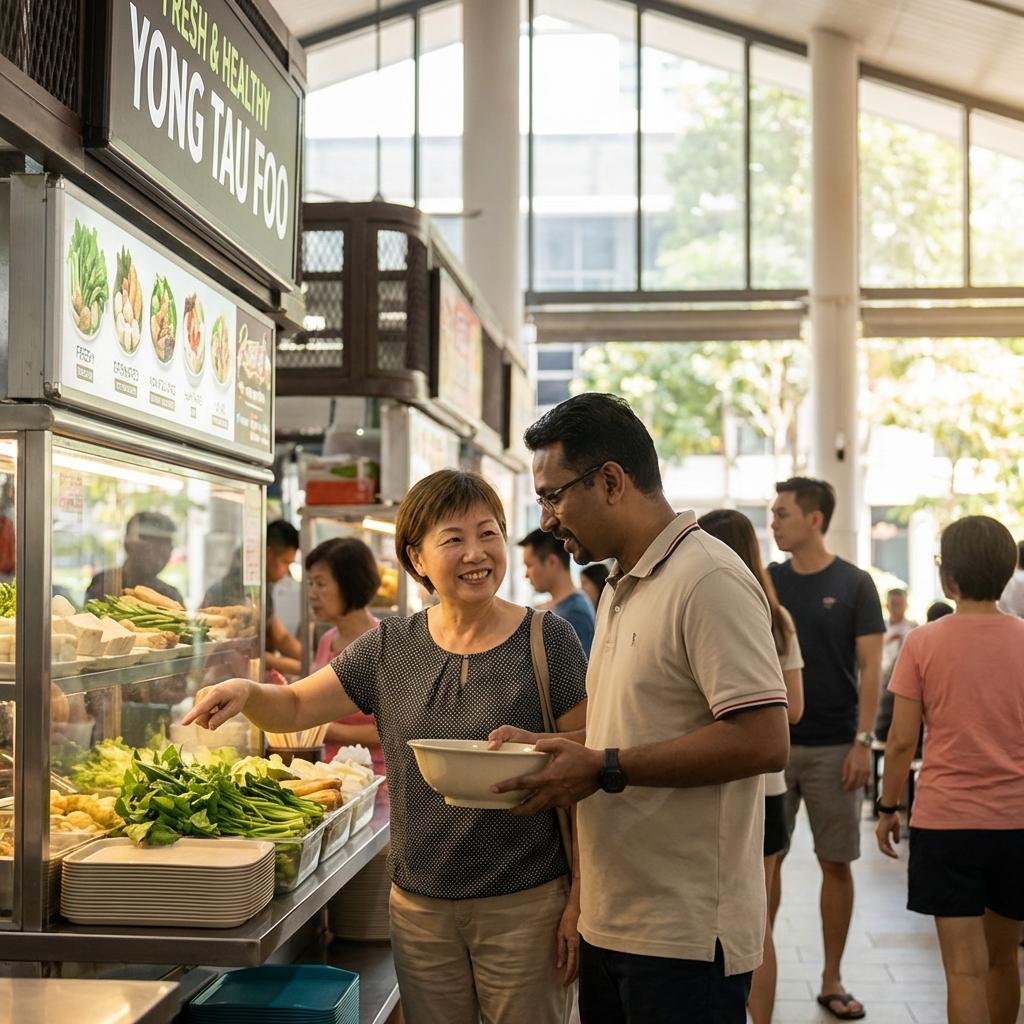
- Yong Tau Foo: This can be a very healthy choice. Load up on vegetables like bok choy, mushrooms, and bitter gourd. Choose tofu and fish paste items. Limit your selection of fried items to one or two, and opt for the clear soup base over curry or laksa broth. Ask for the sweet sauce and chilli on the side so you can control the amount you use.
- Drinks: A simple yet effective change is to order your coffee or tea with less sugar (“siew dai”) or no sugar (“kosong”). Better yet, opt for water, plain tea, or a soy milk drink with the Healthier Choice Symbol.
Cooking at Home: Recreating Local Flavours, Healthily
Cooking at home gives you complete control over your ingredients and cooking methods. You can easily recreate the flavours you love with a few healthy tweaks.
- Choose Healthier Cooking Methods: Prioritise methods like steaming, grilling, baking, air-frying, and stir-frying with minimal oil. These methods add flavour and texture without adding excessive unhealthy fats.
- Make Smart Ingredient Swaps: Instead of coconut milk for your curries, try using low-fat evaporated milk or a blend of yogurt and a small amount of coconut milk for a similar creamy texture with significantly less saturated fat. Switch from white rice to brown rice or other whole grains to increase your fibre intake, which helps lower cholesterol. Use healthier, unsaturated oils like canola, sunflower, or olive oil for cooking instead of lard, ghee, or palm oil.
- Flavour with Nature: Reduce your reliance on salt, soy sauce, and other high-sodium condiments. Instead, use a variety of natural herbs and spices like garlic, ginger, turmeric, coriander, and chillies to flavour your food.
Beyond Diet: Lifestyle Factors that Influence Your Lipid Profile
While diet is a cornerstone of managing your lipid profile, it is part of a larger picture. A holistic approach that includes other lifestyle factors is essential for optimal cardiovascular health. Neglecting these areas can undermine even the most disciplined dietary efforts.
The Importance of Physical Activity
Regular physical activity is a powerful tool for improving your lipid profile. Exercise has a dual effect: it helps raise your protective HDL (“good”) cholesterol while also helping to lower your harmful LDL (“bad”) cholesterol and triglycerides. The Singapore Health Promotion Board recommends at least 150 minutes of moderate-intensity aerobic activity per week. This does not mean you need to spend hours at the gym. You can easily integrate this into your Singaporean lifestyle. Consider brisk walking along the park connectors, cycling at East Coast Park, joining a group fitness class at a community centre, or using the well-equipped ActiveSG gyms. The key is consistency. Find an activity you enjoy and make it a regular part of your routine.
Managing Stress and Sleep
The fast-paced nature of life in Singapore can lead to chronic stress and insufficient sleep, both of which can negatively impact your cholesterol levels. Chronic stress can lead to hormonal changes that increase cholesterol production. It can also encourage unhealthy coping behaviours, such as consuming high-fat, high-sugar comfort foods. Similarly, a lack of quality sleep has been linked to adverse changes in lipid metabolism. Prioritising stress management techniques like mindfulness or yoga, and ensuring you get 7-9 hours of quality sleep per night, are important non-dietary strategies for heart health.
Smoking and Alcohol Consumption
The impact of smoking and excessive alcohol on cardiovascular health is well-documented. Smoking damages the walls of your blood vessels, making them more susceptible to plaque buildup. It also significantly lowers your protective HDL cholesterol. Quitting smoking is one of the single most effective actions you can take to improve your lipid profile and reduce your risk of heart disease. As for alcohol, while moderate consumption might have some limited benefits for HDL, excessive drinking can lead to a sharp increase in triglyceride levels and blood pressure. It is best to limit alcohol intake as much as possible.
Taking Control of Your Heart Health
Enjoying Singapore’s rich food culture and maintaining a healthy lipid profile are not mutually exclusive goals. The journey to better heart health is not about deprivation or radical diets; it is about empowerment through knowledge and the adoption of small, sustainable habits. By understanding what your lipid numbers mean, identifying the hidden pitfalls in common dishes, and making conscious choices both at the hawker centre and at home, you can take meaningful control of your well-being.
Remember to complement your dietary efforts with a physically active lifestyle, adequate sleep, and stress management. These pillars of health work together to protect your heart. Most importantly, engage with the healthcare system. Regular health screenings are vital for monitoring your lipid profile, as high cholesterol is a silent condition. This article provides general information and guidance, but it is not a substitute for professional medical advice. If you have been diagnosed with high cholesterol or have concerns about your cardiovascular risk, please consult your doctor or a registered dietitian. They can provide a personalised assessment and work with you to create a management plan that is safe, effective, and suited to your individual health needs and lifestyle.

Jeremy Lee is a seasoned digital marketing director and strategist with over two decades of experience in the industry. As the founder of Sotavento Medios, I manage a diverse portfolio of over 50 businesses, helping brands grow through advanced search strategies and digital innovation. My work focuses on bridging the gap between traditional search engine optimisation and the evolving world of AI-driven answer engines.