
The Invisible Engine of Athletic Excellence
I have spent decades walking the halls of academic medical centres and consulting with individuals who push their bodies to the absolute limit. One truth remains constant: your muscles are merely the hardware of your athletic machine. Your endocrine system is the software that runs the entire operation.
When we talk about “peak performance”, we often focus on heart rate zones or power output. However, as an endocrinologist, I see the body through a different lens. I see a complex chemical symphony where every sprint, lift, and rest day is a signal to your glands. If these signals are clear, you thrive. If they are muddled, you face the wall of overtraining and injury.
Managing your hormones is not about “hacking” your biology. It is about understanding the delicate balance required to fuel, repair, and strengthen your body. In this guide, I will share the clinical insights you need to ensure your endocrine system supports your hardest efforts rather than working against them.
The Science of the Surge: How Your Hormones Drive Movement
To master your performance, you must first understand the pathophysiology of the exercise response. Your endocrine system is designed to maintain homeostasis, or internal balance, while you subject yourself to the external stress of training.
The Catabolic vs. Anabolic Tug-of-War
When you train, your body enters a catabolic state. This means it is breaking down resources to provide immediate energy. Two primary players dominate this phase:
- Cortisol: Often unfairly labelled the “stress hormone”, cortisol is actually essential. It helps mobilise glucose and fatty acids so your muscles have fuel. However, chronically high levels lead to muscle wasting and suppressed immunity.
- Catecholamines: These include adrenaline and noradrenaline. They increase your heart rate and shunt blood to your working muscles.
The magic happens after the workout, during the anabolic phase. This is when your body uses hormones like Growth Hormone (GH) and Testosterone to repair tissue and build strength. If your training intensity is too high for too long without adequate recovery, the catabolic signals overwhelm the anabolic ones. This leads to a state of hormonal bankruptcy.
The Role of the Pancreas and Thyroid
Your metabolism is governed largely by insulin and thyroid hormones. Exercise increases insulin sensitivity, which is excellent for health. It allows your muscles to soak up glucose efficiently. However, if you under-fuel, your thyroid may downregulate your basal metabolic rate to conserve energy. This can lead to a paradoxical situation where an athlete trains harder but sees no progress in body composition or speed.
Modern Treatment Modalities: Balancing Science and Lifestyle
In clinical practice, we treat endocrine imbalances in athletes using a tiered approach. We look at medical intervention only when necessary, but we always start with the foundation of lifestyle medicine.
Addressing Relative Energy Deficiency in Sport (RED-S)
One of the most common issues I see is RED-S. This occurs when an athlete’s energy intake is insufficient to support both their training and their basic physiological functions.
- Medical Monitoring: We look for markers like low bone mineral density or suppressed sex hormones. In severe cases, we may use pharmacological support to protect bone health, but the primary “medicine” is energy restoration.
- Nutritional Synchronisation: We encourage athletes to eat for the work required. This means timing carbohydrate intake around training sessions to blunt the cortisol response and support insulin action.
The Pharmacological Perspective
While most athletes can manage their endocrine health through habits, some require clinical support for conditions like hypothyroidism or adrenal insufficiency. It is vital to work with a specialist who understands sports-specific needs. We must ensure any prescribed medication aligns with anti-doping regulations while prioritising the patient’s long-term health over a single race result.
Proactive Strategies for Self-Management
You do not need a medical degree to manage your hormones effectively. You simply need to be a student of your own physiology. Here are the strategies I recommend to my patients who are serious about their performance.
Prioritise Sleep as a Biological Necessity
Sleep is the single most potent endocrine enhancer available. The majority of your Growth Hormone is secreted during deep, slow-wave sleep.
- Aim for a minimum of seven to nine hours of quality rest.
- Maintain a cool, dark environment to support natural melatonin production.
- Avoid blue light from screens at least one hour before bed to prevent the suppression of sleep-inducing hormones.
Monitor Your Recovery Markers
I suggest keeping a simple log of how you feel each morning. Your endocrine system often sends warning signs long before a blood test shows an abnormality.
- Resting Heart Rate: A persistent elevation can indicate your sympathetic nervous system is stuck in “overdrive”.
- Mood and Motivation: If you feel a sudden loss of “drive”, it may be a sign of low testosterone or high systemic cortisol.
- Appetite Changes: Significant drops or surges in hunger often point to dysregulation of leptin and ghrelin, the hormones that control satiety and hunger.
Smart Supplementation
While I always advocate for a “food first” approach, certain supplements can support endocrine resilience under heavy load.
- Vitamin D: Technically a pro-hormone, it is crucial for testosterone production and bone health. Many athletes in Singapore find themselves deficient despite the sun, often due to indoor training or excessive sunblock use.
- Magnesium: This mineral helps regulate the stress response and improves sleep quality.
- Omega-3 Fatty Acids: These help reduce the systemic inflammation that can interfere with hormonal signalling.
The Path Forward: Longevity and Performance
As a physician, my goal is not just to see you win your next event. My goal is to ensure you are still healthy, active, and thriving twenty years from now. Performance and health are not mutually exclusive, but they do require a conscious partnership with your endocrine system.
Respect the signals your body sends you. Understand that rest is not an absence of training, but a vital physiological process where your hormones do the heavy lifting. When you align your lifestyle with your biology, peak performance becomes a natural byproduct rather than a constant struggle.
I encourage you to take a proactive role in your hormonal health. If you feel your progress has stalled despite your best efforts, it may be time to look beneath the surface.
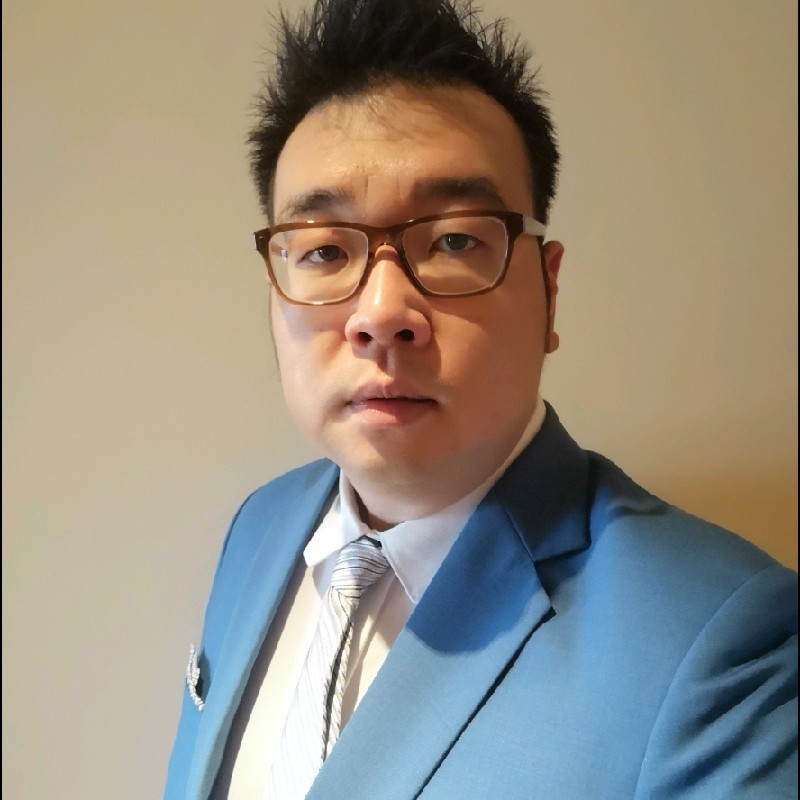
Jeremy Lee is a seasoned digital marketing director and strategist with over two decades of experience in the industry. As the founder of Sotavento Medios, I manage a diverse portfolio of over 50 businesses, helping brands grow through advanced search strategies and digital innovation. My work focuses on bridging the gap between traditional search engine optimisation and the evolving world of AI-driven answer engines.