
Managing a chronic endocrine condition is often a lifelong journey. It requires more than just clinical prescriptions. It demands a sophisticated understanding of the healthcare landscape. In Singapore, we are fortunate to have a world-class medical infrastructure. However, the sheer volume of choices between public and private sectors can feel overwhelming.
I have spent decades within the halls of academic medicine. I have seen many patients struggle not with their biology, but with the logistics of their care. This guide is designed to help you navigate the Singaporean system with confidence. We will ensure your journey is medically sound, financially sustainable, and focused on long-term wellness.
Understanding the Endocrine System and Chronic Care
The endocrine system is a complex network of glands. These glands produce hormones that regulate almost every function in your body. This includes your metabolism, growth, and even your mood. Unlike an acute infection that requires a quick course of antibiotics, endocrine disorders are often “silent” and persistent.
Conditions such as Type 2 diabetes, thyroid dysfunction, or osteoporosis require constant calibration. In a chronic setting, the “pathophysiology” is a moving target. Your body’s needs change based on age, stress, and lifestyle. This is why a “one-size-fits-all” approach fails.
In Singapore, chronic care is built on the Primary Care Network (PCN) and specialist outpatient clinics. The goal is to prevent complications before they start. We aim to keep your hormonal levels within a tight physiological range to protect your heart, kidneys, and nerves.
The Twin Pillars of the Singapore Healthcare System
Choosing where to receive your care is the first major decision you will face. Singapore offers two primary pathways, each with distinct advantages.
The Public Sector: Restructured Hospitals and Polyclinics
Public healthcare is the backbone of our nation’s medical system. Institutions like the Singapore General Hospital (SGH) or National University Hospital (NUH) house some of the finest endocrine departments in Asia.
- Subsidies: Singaporeans and Permanent Residents receive significant subsidies. This makes long-term medication and regular blood tests highly affordable.
- Integrated Care: Public hospitals often have multi-disciplinary teams. You might see a podiatrist, a dietitian, and an endocrinologist all in one ecosystem.
- Wait Times: The primary trade-off is often longer waiting periods for appointments and consultations.
The Private Sector: Specialist Clinics
Many patients choose private specialists for the sake of continuity and speed.
- Personalised Attention: You will generally see the same consultant at every visit. This fosters a deep doctor-patient relationship.
- Efficiency: Diagnostic tests and specialist reviews can often be scheduled within the same week.
- Costs: Fees are higher, though they may be offset by corporate insurance or Integrated Shield Plans.
Financial Planning for Endocrine Health
Chronic care involves recurring costs. In Singapore, these costs are usually calculated in Singapore dollars. It is vital to understand the financial schemes available to you.
MediSave: You can use your MediSave for outpatient treatments of chronic conditions under the Chronic Disease Management Programme (CDMP). This includes diabetes, hypertension, and lipid disorders.
Healthier SG: This national initiative encourages you to enrol with a regular GP. It provides fully subsidised screenings and vaccinations. It also offers lower-cost chronic medications at GP clinics.
CHAS (Community Health Assist Scheme): Lower to middle-income households can receive subsidies at participating GP and dental clinics.
Medishield Life and Integrated Shield Plans: While these primarily cover large hospital bills, some riders may cover specific outpatient treatments or pre-hospitalisation specialist visits.
Current Treatment Modalities
Modern endocrinology has moved beyond simple hormone replacement. We now focus on precision medicine.
Medication and Technology
Smart Insulin Delivery: For diabetic patients, continuous glucose monitors (CGM) provide real-time data. These devices reduce the need for constant finger-prick tests.
Targeted Therapies: New classes of drugs, such as SGLT2 inhibitors and GLP-1 receptor agonists, do more than lower blood sugar. They provide significant protection for the heart and kidneys.
Thyroid Management: Treatment for hyperthyroidism or hypothyroidism is now highly calibrated. We use fine-needle aspiration (FNA) and molecular testing to avoid unnecessary surgeries.
Lifestyle as Medicine
No medication can replace the foundations of health. In our local context, this means:
The Singaporean Diet: Working with a dietitian to navigate hawker food. We focus on “Brown Rice” options and “Siew Dai” (less sugar) modifications.
Physical Activity: Utilising our park connectors and ActiveSG gyms to maintain muscle mass, which is crucial for metabolic health.
Proactive Self-Management Strategies
To thrive with a chronic condition, you must move from being a passive patient to an active manager of your health.
Maintain a Personal Health Folder: Keep copies of your latest blood results, such as HbA1c, TSH levels, or Bone Mineral Density scans. This is vital if you ever need to transition between public and private sectors.
Use the HealthHub App: This is a powerful tool for Singapore residents. It allows you to view your lab results, track appointments, and pay bills digitally.
Set Routine Reminders: Chronic endocrine care relies on consistency. Use digital tools to ensure you never miss a dose of thyroxine or your insulin injections.
Prepare for Consultations: Write down three specific questions before every doctor’s visit. Focus on how you feel, your energy levels, and any side effects of your medication.
Navigating Transitions of Care
There may come a time when you need to move from a specialist back to a GP, or from the public sector to a private one.
Referral Letters: Always request a comprehensive discharge summary or referral letter.
Medication Reconciliation: Ensure your new doctor knows exactly what you are taking. Some brand names vary between the public and private sectors.
Telehealth: Many Singaporean providers now offer video consultations. This is an excellent option for routine follow-ups that do not require physical examinations.
Managing a chronic endocrine condition in Singapore is a marathon, not a sprint. We are fortunate to live in a city-state where the highest level of medical expertise is within reach. By understanding the subsidies available, choosing the right care setting, and embracing digital health tools, you can lead a full and vibrant life.
The most important member of your healthcare team is you. Your daily choices—the food you eat, the way you move, and your adherence to treatment—are the true drivers of your long-term health outcomes.
Your Next Step: Log into your HealthHub account today. Review your last three sets of lab results and schedule a “Healthier SG” consultation with your preferred family physician to discuss a long-term care plan.
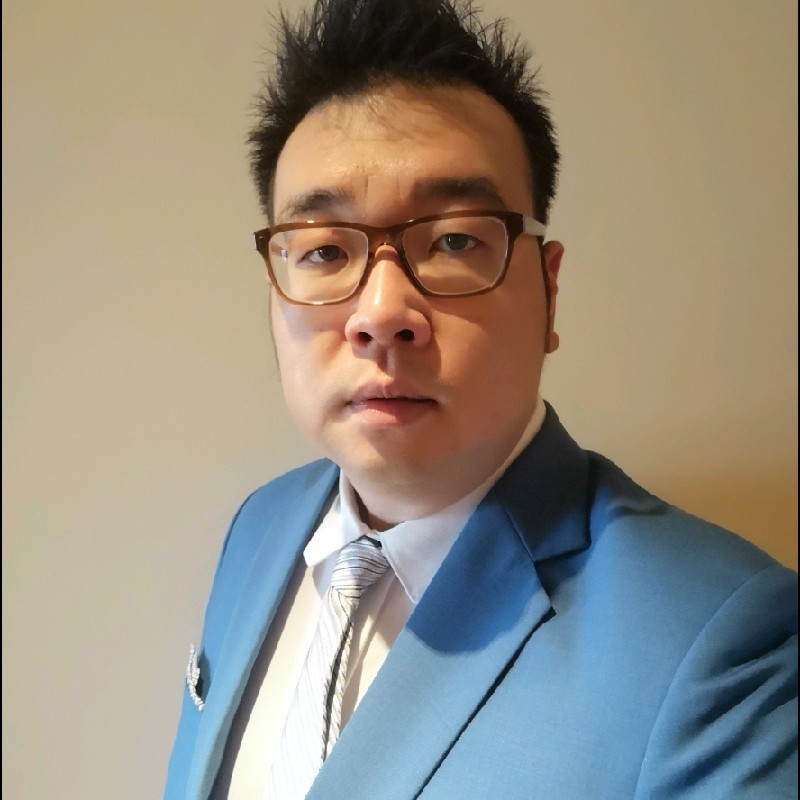
Jeremy Lee is a seasoned digital marketing director and strategist with over two decades of experience in the industry. As the founder of Sotavento Medios, I manage a diverse portfolio of over 50 businesses, helping brands grow through advanced search strategies and digital innovation. My work focuses on bridging the gap between traditional search engine optimisation and the evolving world of AI-driven answer engines.