
Understanding the Hidden Map of Vascular Malformations
I often tell my patients that our vascular system is like a perfectly tuned motorway network. When every road and junction works correctly, blood flows seamlessly to nourish every cell. However, a vascular malformation is like a structural glitch in that map. It is not a tumour or a cancer, but rather a cluster of blood vessels that developed incorrectly before birth.
These conditions can be physically taxing and emotionally draining. They often present as marks on the skin, swelling, or internal aches that baffle both patients and primary care doctors. As a specialist in Interventional Radiology (IR), I have spent my career navigating these complex “vessels gone rogue.” My goal today is to demystify these conditions and show you how modern, minimally invasive techniques are changing lives without the need for traditional open surgery.
What Exactly Is a Vascular Malformation?
To manage these conditions, we must first understand what is happening beneath the surface. A vascular malformation occurs when the morphogenesis, or the shaping of blood vessels, goes slightly off course during embryonic development.
While they are present at birth, they might not become visible or symptomatic until later in childhood or even adulthood. They grow proportionately with the individual but can expand rapidly due to trauma, infection, or hormonal shifts like puberty and pregnancy.
The Different “Traffic” Problems
We generally categorise these based on the type of vessel involved and the speed of the blood flow:
Low-Flow Malformations: These include venous malformations (the most common type), lymphatic malformations, and capillary malformations. The blood or lymph fluid moves slowly, often leading to swelling, blueish discolouration, or heaviness.
High-Flow Malformations: Arteriovenous malformations (AVMs) fall into this category. Here, the high-pressure arteries connect directly to low-pressure veins without the buffering of a capillary bed. This creates a high-speed “short circuit” that can put significant strain on the heart and surrounding tissues.
The Role of Interventional Radiology
In the past, the only option for many patients was major surgery. These operations were often risky, as vascular malformations tend to bleed heavily and can be difficult to remove entirely without damaging healthy tissue.
This is where Interventional Radiology excels. We use advanced imaging like ultrasound, CT, and MRI to see inside the body in real time. We then use tiny catheters and needles to treat the malformation from the inside out. This approach minimizes scarring, reduces recovery time, and allows us to be incredibly precise.
Current Treatment Modalities
The “gold standard” for treating these anomalies has shifted toward a combination of targeted IR procedures and supportive medical care.
Sclerotherapy
For low-flow venous or lymphatic malformations, sclerotherapy is our primary tool. I insert a fine needle into the abnormal spaces under ultrasound guidance. We then inject a “sclerosant,” which is a specialized medicinal fluid or foam.
This medication causes the lining of the abnormal vessels to become irritated and eventually collapse. Over several weeks, the body naturally absorbs the treated tissue, leading to a reduction in pain and swelling. Most patients require a series of sessions to achieve the best results, as we prefer a gradual, safe closure of the vessels.
Embolisation
For high-flow AVMs, we use a technique called embolisation. I navigate a micro-catheter through the arterial system until I reach the “nidus,” or the core of the malformation.
Once there, I can deliver various materials to “plug” the leak:
- Medical Glue: A liquid adhesive that hardens instantly to stop the high-pressure flow.
- Onyx: A specialized liquid embolic agent that provides a controlled, slow-fill closure.
- Metal Coils: Tiny platinum threads that encourage the blood to clot and seal the vessel.
- Medical Management
- While IR procedures fix the structural issues, we also use medications to manage symptoms:
- Sirolimus: This is a breakthrough medication for complex or “overgrowth” syndromes. It helps inhibit the signals that tell the abnormal vessels to grow.
- Anticoagulants: In some venous malformations, blood can stagnate and form small, painful clots (phleboliths). Low-dose blood thinners can sometimes prevent these painful episodes.
Proactive Patient Self-Management
While I handle the technical side in the procedure room, the most successful outcomes happen when patients are active participants in their care.
Compression Therapy: For malformations in the arms or legs, high-quality medical compression garments are vital. They support the vessel walls, reduce swelling, and prevent blood from pooling.
Skin Care: The skin over a malformation can be thin and fragile. I recommend using gentle, fragrance-free moisturisers to prevent cracking and infection.
Activity Modification: Staying active is important for vascular health, but you should avoid high-impact sports if your malformation is in an area prone to trauma.
Pain Tracking: Keep a simple diary of your symptoms. Note if the pain is worse in the morning, after exercise, or during specific weather changes. This helps me fine-tune your treatment schedule.
Financial Planning: Medical costs in Singapore can vary. Ensure you check with your provider regarding the use of Medisave or private insurance for IR procedures, as these are typically classified as surgical interventions. Expect costs to range from $5,000 to $15,000 SGD depending on complexity and the materials used.
Navigating the Emotional Journey
Living with a visible or painful vascular anomaly is not just a physical challenge. Many of my patients feel self-conscious or anxious about the future. It is important to remember that you are not just a “case” or a “diagnosis.”
I encourage my patients to seek out support groups. Connecting with others who understand the specific itch of a lymphatic malformation or the “thump” of an AVM can be incredibly healing. Modern medicine is not just about needles and catheters; it is about restoring your quality of life so you can focus on what you love.
The Future of Vascular Care
We are currently entering an era of “Precision Medicine.” We are beginning to biopsy these malformations to find specific genetic mutations. In the near future, I hope to offer my patients a treatment plan that combines a precise IR procedure with a pill tailored specifically to their genetic code.
The field is moving fast, and the “inoperable” cases of ten years ago are now the “manageable” cases of today. If you have been told nothing can be done, I encourage you to seek a second opinion from a dedicated vascular anomalies board.
Next Steps
Vascular malformations are complex, but they are no longer a mystery. Through the precision of Interventional Radiology, we can close abnormal vessels, reduce pain, and prevent complications with minimal disruption to your life.
The journey to better vascular health begins with an accurate diagnosis and a team that understands the nuances of your specific flow pattern. You do not have to live with the discomfort or the uncertainty of an untreated malformation.
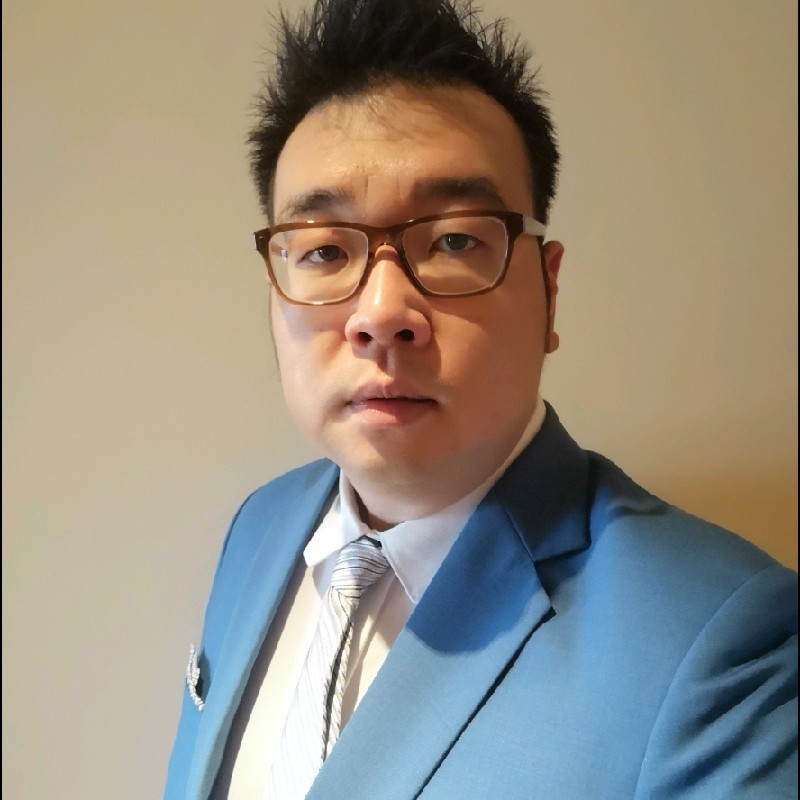
Jeremy Lee is a seasoned digital marketing director and strategist with over two decades of experience in the industry. As the founder of Sotavento Medios, I manage a diverse portfolio of over 50 businesses, helping brands grow through advanced search strategies and digital innovation. My work focuses on bridging the gap between traditional search engine optimisation and the evolving world of AI-driven answer engines.