
Navigating the Complex World of Hormones and Surgery
When I speak with patients in my clinic, they are often surprised to find themselves sitting across from a general surgeon after receiving a diagnosis related to their hormones. Most people naturally associate hormonal health exclusively with endocrinologists. However, the endocrine system is a complex network of glands that can sometimes develop physical structural issues, such as tumours or overgrowth.
I have spent my career at the intersection of internal medicine and surgical intervention. I have seen first-hand how a well-timed operation can provide a definitive cure for conditions that medications alone cannot resolve. If you or a loved one are facing a surgical consultation for an endocrine issue, it is vital to understand that the surgeon is not just a technician. We are your partners in restoring the delicate chemical balance of your body.
Understanding the Mechanism: When Glands Require Intervention
The endocrine system regulates everything from your metabolism to your bone density by secreting hormones directly into your bloodstream. While many hormonal imbalances are managed with daily tablets, certain “mechanical” failures within the glands require a surgical approach.
- Hyperplasia: This occurs when a gland grows too large and begins to produce excessive amounts of hormones uncontrollably.
- Nodules and Tumours: These are physical growths that can be benign (non-cancerous) or malignant (cancerous). Even benign growths can be dangerous if they press on vital structures like the windpipe or if they “go rogue” and pump out hormones.
- Toxic Glands: Sometimes, a gland becomes hyperactive and fails to respond to the body’s natural feedback loops, leading to a state of chronic “poisoning” from over-secretion.
In these instances, the pathophysiology moves beyond what internal medicine can fix. As a surgeon, my objective is to physically remove the source of the dysfunction while preserving as much healthy, functioning tissue as possible.
Primary Endocrine Conditions Treated by Surgeons
General surgeons with an interest in endocrine disease focus on three primary areas. Each requires a nuanced understanding of anatomy and physiology.
The Thyroid Gland
The thyroid is the butterfly-shaped gland in your neck that acts as the thermostat for your metabolism. I often see patients for thyroid surgery (thyroidectomy) due to:
- Goitres: Large swellings that make swallowing or breathing difficult.
- Thyroid Cancer: Which often has an excellent prognosis when caught and removed early.
- Refractory Hyperthyroidism: When medications fail to control an overactive thyroid.
The Parathyroid Glands
These four tiny glands, usually the size of a grain of rice, sit behind the thyroid. They control the calcium levels in your blood and bones. If one becomes enlarged (an adenoma), it can lead to brittle bones, kidney stones, and “moans and groans” or abdominal pain. A parathyroidectomy is often the only way to permanently fix high calcium levels.
The Adrenal Glands
Located atop your kidneys, these glands produce adrenaline and cortisol. Surgeons step in when adrenal tumours cause dangerous spikes in blood pressure or lead to conditions like Cushing’s syndrome. Most adrenal surgeries today are performed using minimally invasive techniques, which allow for much faster recovery times.
Modern Treatment Modalities and Surgical Innovation
Treatment is rarely a “surgery-only” path. I work closely with your endocrinologist to ensure a seamless transition from medical management to surgical cure.
- Diagnostic Imaging: We use high-resolution ultrasound, CT scans, and nuclear medicine (like Sestamibi scans) to pinpoint the exact location of the problem before we ever make an incision.
- Minimally Invasive Surgery: Many of the procedures I perform now use “keyhole” techniques. This means smaller scars, less pain, and often going home the same day or the following morning.
- Intraoperative Monitoring: During surgery, we can now test hormone levels in real-time or monitor the nerves that control your voice. This ensures the highest level of safety and precision during the procedure.
- Post-Operative Hormone Replacement: If a gland is removed entirely, we replace its function with precise medication dosages, ensuring you feel like yourself again as quickly as possible.
Proactive Strategies for Patient Self-Management
Surgery is a significant event, but your actions before and after the operation are equally important for a successful outcome. I always encourage my patients to take an active role in their recovery.
- Pre-Surgical Optimisation: If you are having thyroid surgery, ensuring your heart rate is stable is crucial. Follow your doctor’s instructions regarding anti-thyroid medications strictly in the weeks leading up to the procedure.
- Calcium and Vitamin D Literacy: After parathyroid or thyroid surgery, your calcium levels may fluctuate. Learn the early signs of low calcium, such as tingling in your fingertips or around your mouth, and keep your supplements nearby.
- Scar Care: Once the incision has healed, using silicone tapes or gels and protecting the area from the sun can significantly improve the cosmetic result.
- Financial Planning: It is helpful to understand the costs involved early. In Singapore, a standard endocrine procedure can range from $8,000 to $20,000 or more depending on the complexity and choice of hospital. Always check your insurance coverage and Medisave limits beforehand to avoid unnecessary stress.
A Path Toward Lasting Health
The role of the general surgeon in endocrine disorders is to provide a definitive solution when the body’s chemical regulators have physically failed. While the prospect of surgery can be daunting, modern techniques have made these procedures safer and more effective than ever before. We do not just remove tissue; we restore your quality of life and protect your long-term health.
If you have been diagnosed with a thyroid nodule, high calcium, or an adrenal mass, the best thing you can do is stay informed and ask questions. You are the most important member of your healthcare team, and we are here to support your journey back to balance.
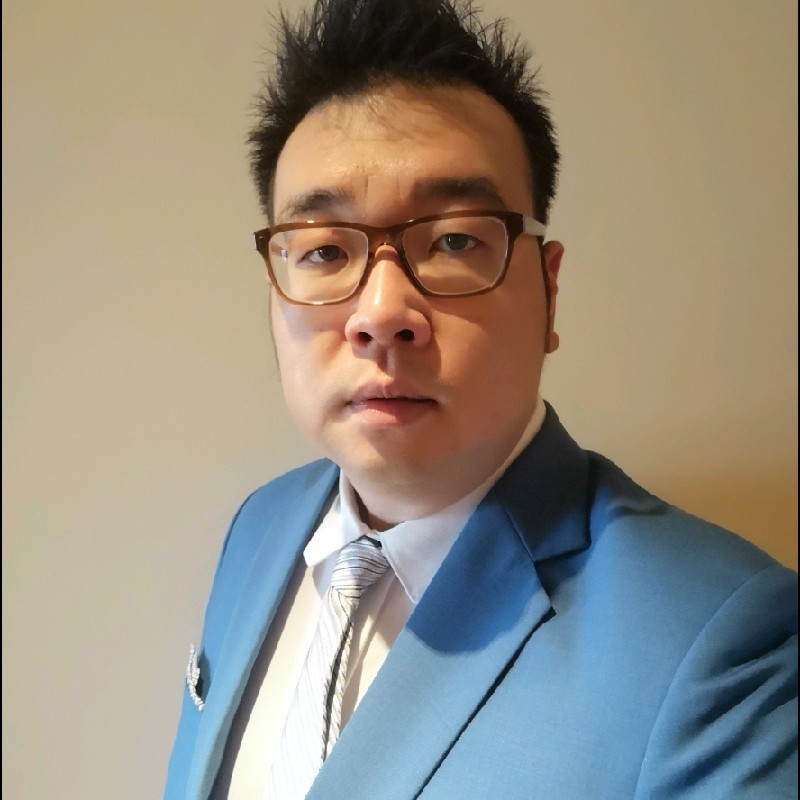
Jeremy Lee is a seasoned digital marketing director and strategist with over two decades of experience in the industry. As the founder of Sotavento Medios, I manage a diverse portfolio of over 50 businesses, helping brands grow through advanced search strategies and digital innovation. My work focuses on bridging the gap between traditional search engine optimisation and the evolving world of AI-driven answer engines.