
Many people in Singapore start thinking about skin tightening long before they want to consider surgery. Fine lines become more visible after years of sun exposure, the lower face may begin to look less defined, and busy schedules leave little room for lengthy downtime. This is where non-surgical facelift treatments such as Ultherapy and Thermage often enter the conversation. Both are designed to improve skin laxity without incisions, but they work differently, suit different skin concerns, and come with different expectations. For Singaporeans who want a more refreshed appearance while keeping recovery minimal, understanding these differences is essential before making a decision.
Non-surgical facelifts are not a replacement for surgical facelift procedures when there is significant sagging or excess skin. They are best understood as energy-based treatments that aim to stimulate the body’s own collagen production. Collagen is a structural protein that helps skin stay firm and elastic. Over time, collagen declines because of age, sun exposure, smoking, and general lifestyle factors. In a humid, sunny city like Singapore, daily UV exposure and inconsistent sun protection can make skin aging more noticeable, especially along the jawline, cheeks, and neck. Ultherapy and Thermage are two of the most recognized options for people seeking subtle to moderate lifting or tightening without surgery.
How non-surgical facelifts work
Non-surgical facelift treatments use controlled energy to heat targeted layers of the skin and underlying tissue. This controlled heating creates a wound-healing response, which encourages the production of new collagen and, over time, can lead to firmer, smoother-looking skin. The results are gradual, not immediate, because collagen remodeling takes time. Most people notice changes over several weeks to months rather than within days.
These treatments are generally used to address early to moderate signs of facial aging. They may help with mild skin laxity, softening of the jawline, fine lines, and an overall tired appearance. They do not remove large amounts of excess skin, and they do not change bone structure or replace volume loss that may be better addressed with fillers. For the right candidate, however, they can provide a meaningful refresh with little disruption to daily life.
What makes a treatment a non-surgical facelift?
The term “non-surgical facelift” is a broad marketing phrase rather than a formal medical diagnosis. In practice, it usually refers to treatments that improve tissue firmness, tighten skin, and mildly lift sagging areas without cutting, stitching, or general anaesthesia. In Singapore, patients often choose these procedures because they want discreet improvement that fits into work, family, and social commitments. Because there is minimal downtime, some people schedule treatment around a lunch break or over a weekend, although any decision should be based on an individual assessment by a qualified clinician.
Ultherapy, how focused ultrasound lifts and tightens
Ultherapy is a non-invasive treatment that uses microfocused ultrasound with visualisation. Ultrasound energy is delivered to specific depths beneath the skin, typically targeting the superficial musculoaponeurotic system, often called the SMAS layer, as well as deeper dermal layers depending on the treatment plan. The SMAS is a connective tissue layer involved in facial support, and it is also a structure addressed in surgical facelift procedures. Ultherapy uses imaging to help the practitioner see tissue layers during treatment, allowing energy to be placed more precisely.
The main goal of Ultherapy is collagen stimulation. By heating tissue at controlled points, it creates tiny thermal injury zones that trigger repair and remodelling. Over time, this may lead to a subtle lifting effect and improved skin firmness. Results commonly develop gradually, and the degree of improvement depends on age, skin quality, treatment area, and how much laxity is present at the start.
Who may benefit from Ultherapy?
Ultherapy is often considered by people with mild to moderate skin laxity who want lifting in areas such as the brow, jawline, chin, and neck. It may also be used for décolletage skin, where lines and crepey texture can become more prominent. In Singapore, individuals in their 30s to 50s who are starting to notice early sagging often ask about this treatment because they want to delay more invasive procedures. It is important to remember that results vary, and not every face responds in the same way. People with significant laxity may see only limited benefit.
What the treatment feels like
During Ultherapy, patients may feel brief pulses of heat or discomfort as the energy is delivered. The sensation varies by treatment area and individual pain tolerance. Some people find the procedure tolerable, while others experience more discomfort along bony areas such as the jawline. A clinician may recommend oral pain relief or other comfort measures depending on the protocol used. After treatment, temporary redness, swelling, tingling, or tenderness can occur. These usually settle within days, although timing differs from person to person.
Thermage, radiofrequency tightening for firmer skin
Thermage uses monopolar radiofrequency energy. Radiofrequency is a type of electromagnetic energy that generates heat in the deeper layers of the skin. Unlike ultrasound, which targets tissue at specific depths in a focused pattern, radiofrequency creates a more diffuse heating effect that can help tighten existing collagen and stimulate new collagen formation. Thermage is commonly used to improve skin laxity and texture, and it is also known for its ability to give a more polished appearance to the skin surface over time.
Thermage is often selected for patients who want tightening of the lower face, jawline, eyelids, or body areas such as the abdomen or arms. In facial treatments, it may be especially appealing to those concerned about mild sagging and crepey skin rather than deep structural descent. Some people report an immediate mild tightening sensation, but the full result is also gradual as collagen remodeling continues in the weeks and months after treatment.
How Thermage differs from Ultherapy
Although both treatments are used for skin tightening, they are not interchangeable. Ultherapy uses ultrasound and can target deeper layers with imaging guidance, which makes it especially relevant for lifting-oriented goals in selected areas. Thermage uses radiofrequency and is often favored for surface tightening and overall skin smoothing, with a broad heating effect. In practical terms, Ultherapy is frequently discussed as a treatment for patients prioritizing lift, while Thermage is often discussed as a treatment for patients prioritizing tightening and texture improvement.
The better option depends on facial anatomy, degree of laxity, skin thickness, treatment goals, and tolerance for discomfort. Some patients may benefit from one treatment alone, while others may be advised to combine energy-based procedures with other approaches, such as injectables, skincare, or medical-grade resurfacing, if appropriate. A careful consultation is important because choosing the wrong treatment for the wrong concern can lead to disappointment.
What the procedure and recovery are like
Thermage treatment may involve a warm or heated sensation with each pulse, and some systems include cooling or vibration to improve comfort. Temporary redness and mild swelling can occur after the session. Most people resume regular activities shortly afterwards, which is one reason these treatments are attractive to working adults in Singapore. Still, “no downtime” should not be mistaken for “no aftercare.” Patients are usually advised to follow post-treatment instructions, including sun protection and gentle skincare.
Choosing between Ultherapy and Thermage in Singapore
Choosing between these treatments should not be based on brand popularity alone. The better choice depends on what you actually want to improve. If the main concern is a drooping jawline or early laxity around the lower face and neck, Ultherapy may be considered because of its lifting-oriented profile. If the main concern is loose, crepey, or textured skin, Thermage may be more appropriate because of its tightening and smoothing effect. For some patients, the difference is subtle, and a clinician may recommend one treatment based on anatomy and treatment goals rather than marketing labels.
Singapore’s climate also matters. High UV exposure and heat can accelerate visible skin aging, so any non-surgical facelift should be paired with realistic lifestyle habits. Daily sunscreen, hats, shade-seeking, and consistent skincare remain essential. Treatments that stimulate collagen will not compensate for ongoing sun damage if protection is poor. Patients who commute outdoors, walk between MRT stations and offices, or spend weekends at beaches and outdoor sports events should be especially consistent with photoprotection.
Questions to ask during consultation
A thorough consultation should cover the following points:
- What is the exact concern, lift, tightening, texture, or a combination of these?
- How much laxity is present, and is a non-surgical option realistic?
- Which layer of tissue will the treatment target?
- What discomfort, side effects, and downtime should be expected?
- What results are reasonable, and what are the limits of the treatment?
- How many sessions are needed, and how long might results last?
These questions matter because reputable treatment planning is individualized. A proper assessment can prevent unrealistic expectations and reduce the chance of choosing a procedure that does not match the skin concern.
Safety, candidates, and realistic expectations
Ultherapy and Thermage are generally considered safe when performed by trained medical professionals using appropriate settings and devices. As with any energy-based procedure, side effects are possible. Temporary redness, swelling, tenderness, bruising, or tingling may occur. Less commonly, patients may experience prolonged discomfort, numbness, or uneven results. The risk profile depends on the treatment area, machine quality, operator skill, and individual anatomy.
Not everyone is a suitable candidate. People with significant skin laxity, heavy jowls, or marked facial volume loss may not achieve enough improvement from non-surgical treatment alone. Those who are pregnant, have certain implanted devices, active skin infections, or specific medical conditions may not be suitable for some procedures. A qualified clinician should review medical history before recommending treatment. In Singapore, patients should seek care from licensed medical practitioners in appropriate clinical settings, not beauty settings that do not provide proper medical oversight.
How long do results last?
Results are not permanent because skin continues to age. The duration of benefit varies by individual, age, lifestyle, and the extent of baseline aging. Maintenance treatments may be discussed after an initial course, but timing should be determined by clinical assessment rather than fixed marketing promises. Good sun protection, adequate sleep, balanced nutrition, and not smoking can support skin health, although they do not stop the aging process.
It is also important to keep expectations proportionate. Non-surgical facelifts can improve appearance, but they cannot recreate the changes achieved by a surgical facelift. They are best viewed as tools for mild to moderate improvement, especially for people who want discreet enhancement and minimal interruption to daily life.
Practical tips for Singapore readers considering treatment
If you are thinking about Ultherapy or Thermage, start with a clear goal. Are you concerned about the jawline, the cheeks, the neck, or skin texture? This matters because the chosen treatment should match the primary issue. Review the clinician’s qualifications, ask which device will be used, and make sure the consultation includes an honest discussion of limits. A good consultation should never promise dramatic lifting comparable to surgery.
Plan treatment around your schedule, especially if you have a public-facing job or important events. Although downtime is usually limited, temporary redness or swelling can still be inconvenient. It is sensible to avoid major social commitments immediately after a procedure if you want the most comfortable experience. After treatment, follow instructions carefully, use sunscreen every day, and keep your skincare routine gentle until the skin settles.
For many Singaporeans, the appeal of Ultherapy and Thermage lies in balance, a way to support ageing skin without stepping into surgery too early. When used appropriately, they can provide subtle improvement that looks natural. When used without proper assessment, they can lead to disappointment. The most reliable path is a careful consultation with a qualified medical professional who can assess facial anatomy, explain realistic outcomes, and recommend a plan that fits your goals and lifestyle.
If you are considering a non-surgical facelift, think beyond the treatment name and focus on the skin concern itself. Lift, tighten, smooth, or a combination of these goals may call for different approaches. With the right evaluation and realistic expectations, Ultherapy and Thermage can be useful parts of a long-term skin maintenance strategy for adults in Singapore who want to age gracefully while keeping recovery minimal.
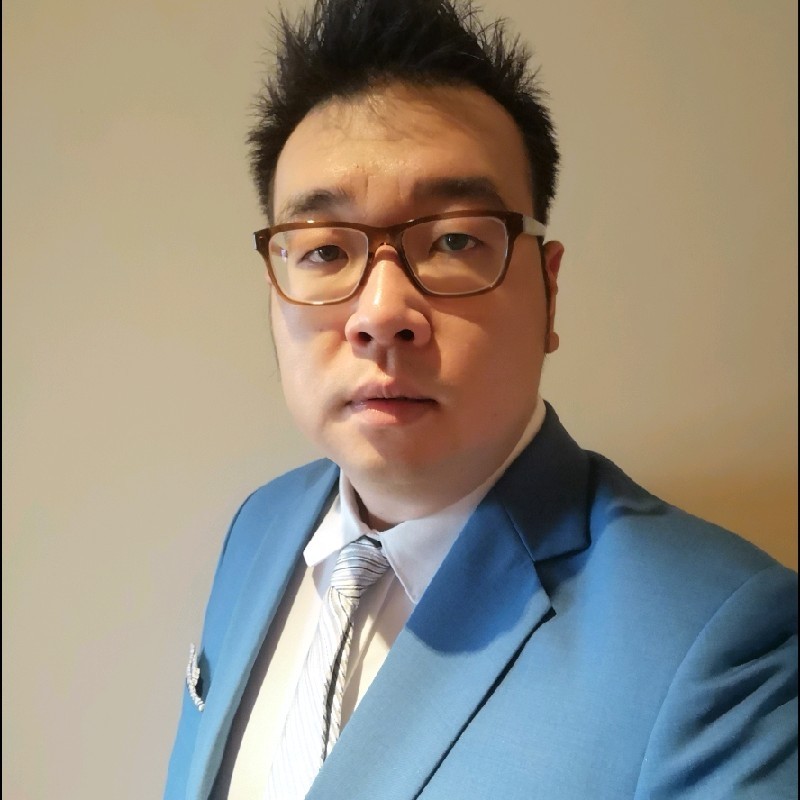
Jeremy Lee is a seasoned digital marketing director and strategist with over two decades of experience in the industry. As the founder of Sotavento Medios, I manage a diverse portfolio of over 50 businesses, helping brands grow through advanced search strategies and digital innovation. My work focuses on bridging the gap between traditional search engine optimisation and the evolving world of AI-driven answer engines.