
Singapore’s climate gives skin a very particular challenge. Heat, humidity, strong ultraviolet exposure, air-conditioning, long work hours, and urban pollution can all influence how skin looks and feels day to day. Many people notice dullness, uneven tone, enlarged pores, dehydration, acne flare-ups, or early fine lines despite a careful skincare routine. That is why interest in medical-grade rejuvenation has grown. For many Singaporeans, the appeal is not only about looking brighter or fresher, but about using evidence-based treatments that target the skin at a deeper biological level than everyday creams alone can usually reach.
Medical-grade rejuvenation refers to physician-directed treatments that aim to improve skin quality through controlled stimulation, correction, or resurfacing. The goal is not to change someone’s face beyond recognition. It is to support healthier skin function, improve texture, restore radiance, and address common concerns such as pigmentation, acne marks, laxity, and sun-related damage. The science behind these treatments is grounded in dermatology, wound healing, collagen biology, and barrier repair. For Singapore readers, understanding how these treatments work is especially useful, because local climate and lifestyle can shape both skin concerns and treatment choices.
Before choosing any procedure, it helps to understand what glowing skin actually means from a medical perspective. Radiance is not just a cosmetic effect. It usually reflects a combination of smooth surface texture, even melanin distribution, adequate hydration in the outer skin layers, healthy oil balance, good circulation, and intact collagen support. Medical-grade rejuvenation targets one or more of these pathways, often in combination, to create gradual and more natural-looking improvement.
What medical-grade rejuvenation actually means
In clinical practice, medical-grade rejuvenation is an umbrella term for procedures performed or supervised by qualified medical professionals to improve skin quality. These treatments may be used alone or in combination, depending on the person’s concerns, skin type, and tolerance for downtime. Unlike general beauty treatments, they use defined medical mechanisms such as controlled injury, energy delivery, chemical exfoliation, or injectable support to encourage repair and renewal.
In Singapore, this matters because many skin concerns are multifactorial. A person may have acne scars, post-inflammatory hyperpigmentation, and dehydration at the same time. Another may have sun spots, mild laxity, and rough texture from years of outdoor activity and commuting. Medical-grade rejuvenation is designed to treat these overlapping concerns in a structured way.
How skin renews itself
Healthy skin constantly sheds old cells and replaces them with new ones. The outermost layer, the epidermis, serves as the barrier that protects against water loss, irritants, and microbes. Beneath it sits the dermis, which contains collagen, elastin, blood vessels, and support structures that help skin stay firm and resilient. Collagen is the main structural protein that gives skin its strength, while elastin helps skin stretch and recoil.
As people age, collagen production slows, repair becomes less efficient, and sun exposure can accelerate breakdown of collagen and elastin. That is why skin may look thinner, rougher, or less luminous over time. Medical-grade rejuvenation works by encouraging controlled renewal at these layers, either by removing damaged surface cells or stimulating the body’s own repair response.
Why Singapore skin often needs a different approach
Singapore’s climate is humid, but that does not automatically mean skin is well hydrated. Air-conditioned environments can increase transepidermal water loss, which is the loss of water through the skin barrier. Frequent transition between outdoor heat and indoor cooling can also affect barrier balance. In addition, year-round ultraviolet exposure in a tropical climate contributes to pigmentation, photoaging, and uneven tone. For many Singaporeans, this means treatments need to be selected with attention to pigmentation risk, skin sensitivity, and realistic downtime.
Skin of all tones can develop pigmentation after inflammation or procedures, but darker skin types may be more prone to post-inflammatory hyperpigmentation, or PIH, which means dark marks that remain after acne, irritation, or injury. That is why careful device selection, conservative settings, and proper pre- and post-treatment care are essential in a local context.
The main treatment pathways behind glowing skin
There is no single best rejuvenation treatment for everyone. Different technologies work through different biological mechanisms, and the best results often come from a combination strategy. The most established approaches include injectable skin boosters, lasers, energy-based devices, chemical peels, and regenerative procedures that support collagen repair.
Injectable skin boosters and hydration therapy
Skin boosters are injectable treatments designed to improve hydration, elasticity, and overall skin quality. Many formulations use hyaluronic acid, a naturally occurring molecule that holds water and helps maintain skin moisture. When placed into the superficial layers of the skin, hyaluronic acid can improve hydration and give a smoother, more supple appearance. This is different from dermal fillers, which are usually used to restore volume or contour.
For Singaporeans who spend long hours in air-conditioned offices or commute frequently between indoor and outdoor environments, skin dehydration can make the face look tired or dull. Skin boosters may help improve this by supporting water retention in the skin. Results are typically gradual, and maintenance is usually needed because the body naturally breaks down hyaluronic acid over time.
Laser treatments and light-based technologies
Lasers and intense pulsed light, or IPL, work by delivering specific wavelengths of energy to target particular structures in the skin. Depending on the device, they can reduce pigment, treat redness, resurface the skin, or stimulate collagen. Fractional lasers, for example, create microscopic treatment zones in the skin while leaving surrounding tissue intact. This controlled injury triggers a repair response that can improve texture, fine lines, and acne scars.
For pigmentation, pigment-targeting lasers or light-based devices may help break up excess melanin. However, treatment must be individualized. In a tropical setting, overly aggressive energy settings can increase the risk of PIH in susceptible skin. A careful medical assessment helps match the device and treatment depth to the patient’s skin tone, pigmentation pattern, and downtime expectations.
Chemical peels and controlled exfoliation
Chemical peels use acids such as glycolic acid, salicylic acid, lactic acid, or trichloroacetic acid in carefully selected strengths to exfoliate the top layers of skin. This controlled shedding can improve dullness, acne, rough texture, and mild pigmentation. Superficial peels are often used when the goal is gentle brightening with relatively short downtime.
In Singapore, chemical peels are popular because they can be adapted to different skin needs and schedules. A person with acne-prone skin may benefit from salicylic acid because it is oil-soluble and can help clear pores. Someone with dry or sensitive skin may need a milder formulation. The main point is that peels are not one-size-fits-all, and the right choice depends on skin type, current condition, and history of irritation or pigmentation.
Collagen-stimulating procedures
Some treatments are designed to stimulate fibroblasts, the cells responsible for making collagen and other support proteins. These may include radiofrequency-based devices, microneedling, and certain laser procedures. Microneedling creates tiny, controlled punctures in the skin, which activate wound-healing signals and can improve scars, texture, and fine lines over time. Radiofrequency devices deliver heat to deeper layers, which can promote tightening and remodeling.
These methods appeal to people who want gradual, natural-looking rejuvenation rather than a dramatic single-session change. They can be especially relevant for patients with early signs of aging, acne scarring, or mild skin laxity. Results generally build over several sessions because collagen remodeling is a slow biological process.
Regenerative injectables and biostimulatory approaches
Some clinics also offer regenerative injectables or biostimulatory products that aim to improve skin quality by encouraging repair and collagen production. The exact products and evidence base vary, so it is important to understand what is being used and why. In general, biostimulatory treatments are intended to work over time, not as instant cosmetic fixes. Their effect depends on the product, technique, and the person’s skin biology.
People considering these approaches should ask about regulatory status, expected benefits, risks, and how the treatment compares with better-established options. Trustworthy medical care depends on informed consent and clear explanation, not broad claims.
What the science says about glowing skin outcomes
Glowing skin is often the visible result of several measurable improvements. Medical treatments may reduce roughness, increase hydration, lighten excess pigment, improve acne marks, and support collagen renewal. When these changes occur together, the face can look brighter and healthier.
Improving texture and light reflection
Skin looks smoother when the surface is more even and dead cells are removed in a controlled way. Light reflects more uniformly off a smoother surface, which creates the appearance of glow. This is why resurfacing treatments, peels, and exfoliation-based procedures can produce visible radiance even before deeper collagen changes take place.
However, excessive exfoliation can damage the barrier and cause irritation, which does the opposite of improving glow. The science here is straightforward, more is not better. The best outcomes usually come from appropriately dosed treatments with enough recovery time between sessions.
Reducing pigmentation and uneven tone
Uneven pigmentation is one of the most common reasons skin looks tired or aged in Singapore. Sun exposure, acne, hormonal changes, and inflammation can all trigger excess melanin production. Treatments that reduce pigment may work by breaking up melanin clusters, reducing inflammation, or preventing further pigment transfer within the skin.
Because pigmentation can recur if the skin continues to receive ultraviolet exposure, daily sunscreen use is not optional. Sunscreen is a core part of any rejuvenation plan. Without sun protection, even the most advanced treatment can lose effect more quickly. In Singapore, broad-spectrum sunscreen, reapplication when outdoors, and physical protection such as hats or umbrellas are practical steps that matter every day.
Supporting hydration and barrier function
Hydrated skin often appears plumper and more luminous. Medical-grade rejuvenation may improve hydration directly, for example through skin boosters, or indirectly by restoring the barrier and reducing inflammation. A stronger barrier helps skin retain water and respond more calmly to environmental stress.
This is particularly relevant in Singapore because barrier stress can come from multiple sources at once, including facial cleansers that are too harsh, overuse of actives, perspiration, air-conditioning, and frequent mask friction for some individuals. A medical plan should therefore include not only procedures, but also a skin-care regimen that protects the barrier.
How to choose a treatment plan safely in Singapore
Choosing the right rejuvenation approach starts with a proper skin assessment. A good consultation should review skin concerns, medical history, pigmentation risk, medication use, previous procedures, and lifestyle factors. The aim is to match treatment to the person, not just the problem list.
Questions to ask during a consultation
It helps to ask what specific skin issue the procedure is intended to treat, how it works biologically, what results are realistic, how many sessions may be needed, and what downtime is expected. You should also ask about the main risks, how those risks are reduced for your skin type, and what aftercare is required. If a treatment is being marketed as a quick fix for everything, that is a reason to slow down and ask more questions.
For Singaporeans with work or family commitments, downtime often matters as much as the treatment itself. A procedure with mild redness for one to three days may be more practical than one that causes visible peeling for a week. The right choice should fit real life, not disrupt it unnecessarily.
Why skin tone and pigmentation history matter
Asian skin, including many Singaporean skin types, may respond differently to heat, irritation, and inflammation compared with lighter skin tones. This does not mean treatment should be avoided. It means settings should be chosen carefully, and preventive steps such as sun avoidance, gentle skin care, and pre-treatment preparation may be more important. A clinician familiar with local skin patterns will usually consider PIH risk before selecting a laser or peel.
People with active eczema, acne flares, rosacea, or a history of keloid formation may need a different plan. A cautious medical approach reduces the chance of unnecessary irritation and improves the chance of a good cosmetic outcome.
What healthy aftercare looks like
Aftercare is not a minor detail. It is part of treatment. Common principles include avoiding harsh scrubs, minimizing excessive heat exposure immediately after procedures, using gentle cleansers, applying prescribed or recommended moisturizers, and protecting the skin from sun. If a clinician recommends a temporary pause on retinoids, exfoliating acids, or certain active ingredients, that advice should be followed closely to protect healing skin.
Good aftercare also means knowing when to seek review. Persistent swelling, worsening pain, unusual blistering, or unexpected darkening should not be ignored. Most routine redness or mild sensitivity settles, but significant changes deserve medical attention.
Building a practical rejuvenation routine around treatment
Medical-grade rejuvenation works best when it is supported by everyday habits. A professional procedure can improve the skin, but daily maintenance helps keep the results. In Singapore, that usually means focusing on three pillars, sun protection, barrier care, and consistent treatment adherence.
Daily habits that support results
- Use a broad-spectrum sunscreen every morning, and reapply when spending time outdoors.
- Choose a gentle cleanser that does not strip the skin barrier.
- Use moisturizers that support hydration, especially in air-conditioned environments.
- Avoid over-exfoliating, especially if you are already undergoing peels, lasers, or microneedling.
- Maintain regular follow-up so treatments can be adjusted rather than repeated blindly.
Diet, sleep, stress, and smoking status can also influence skin health. While no supplement or superfood can replace medical care, overall health still shapes recovery and long-term skin quality. People who sleep poorly or remain under chronic stress may notice slower healing and more frequent breakouts or dullness.
For many Singaporeans, the most effective strategy is a layered one. That means a consultation-based treatment plan, sensible home care, sun protection, and regular review rather than a one-time procedure followed by neglect. This approach is more sustainable and usually produces more natural-looking results.
Medical-grade rejuvenation is most valuable when it is understood as skin health optimization, not just cosmetic enhancement. The science supports gradual improvement through collagen stimulation, controlled resurfacing, pigment management, and barrier support. In Singapore’s climate, where sun exposure, humidity, and indoor cooling all shape skin behavior, treatment choices should be tailored carefully. The best outcomes come from sound diagnosis, conservative planning, and consistent maintenance.
If you are considering a rejuvenation treatment, speak with a qualified medical professional who can assess your skin type, pigmentation history, goals, and downtime needs. That discussion should cover realistic expectations, safe options for your complexion, and the daily habits that protect your results. Glowing skin is usually not the product of a single procedure. It is the outcome of evidence-based care, repeated intelligently over time.
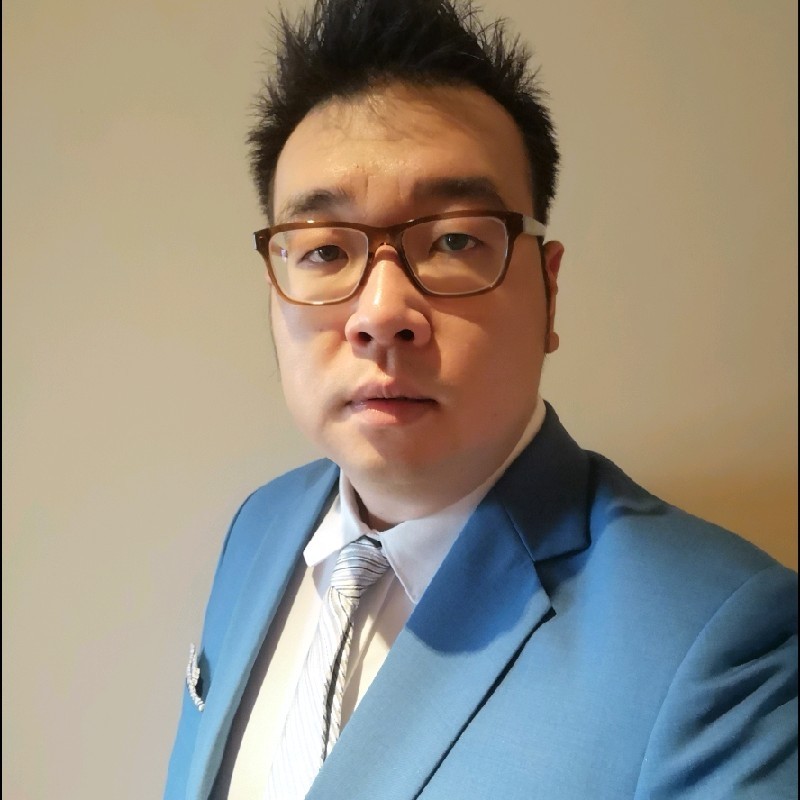
Jeremy Lee is a seasoned digital marketing director and strategist with over two decades of experience in the industry. As the founder of Sotavento Medios, I manage a diverse portfolio of over 50 businesses, helping brands grow through advanced search strategies and digital innovation. My work focuses on bridging the gap between traditional search engine optimisation and the evolving world of AI-driven answer engines.