
Your Journey to a Successful Surgery Starts Now
I understand that the prospect of surgery often brings a mixture of hope and anxiety. As a surgeon, I have stood at the bedside of thousands of patients, and I can tell you that the most successful outcomes are rarely the result of what happens in the operating theatre alone. They are built on the foundation of what you do in the days and weeks leading up to your procedure.
Think of surgery as an athletic event. You would not run a marathon without training, and you should not enter surgery without preparing your body and mind. My goal today is to walk you through the essential steps to ensure you are physically resilient, mentally prepared, and logistically organised. By taking an active role in your care, you move from being a passive recipient of treatment to a partner in your own healing.
Understanding the “Surgical Stress Response”
To prepare effectively, it helps to understand what happens to your body during an operation. Surgery triggers what we call a “stress response.” When the body undergoes a surgical incision, it releases a cascade of hormones like cortisol and adrenaline. These hormones increase your heart rate, blood pressure, and blood sugar levels.
While this is a natural survival mechanism, it can be taxing on your organs. This is why we focus so heavily on “prehabilitation.” By optimising your health before the “stress” begins, you ensure that your heart, lungs, and immune system have the reserves needed to handle the procedure and jumpstart the repair process. A well-prepared body experiences less inflammation and a more efficient healing phase.
The Essential Pre-Operative Checklist
I recommend breaking your preparation into manageable phases. This prevents last-minute stress and ensures no detail is overlooked.
Two Weeks Before Surgery
- Review Your Medications: Discuss every supplement, vitamin, and prescription with your surgical team. Some common items, such as aspirin, ibuprofen, or herbal supplements like Ginkgo Biloba, can increase bleeding risks and must be paused.
- Stop Smoking and Vaping: This is perhaps the single most impactful thing you can do. Nicotine constricts blood vessels and significantly slows wound healing. Quitting even two weeks before surgery reduces the risk of lung complications and infections.
- Optimise Your Nutrition: Focus on high-quality proteins and iron-rich foods. Your body needs amino acids to rebuild tissue and red blood cells to carry oxygen to your healing wound.
- Manage Chronic Conditions: Ensure your blood pressure and blood sugar are stable. If you have diabetes, work closely with your GP to keep your glucose levels within a tight range, as high sugar can hinder the immune response.
One Week Before Surgery
- Organise Your Home: You will likely have limited mobility after the procedure. Move frequently used items to waist height so you do not have to bend or reach.
- Prepare Meals: Stock your freezer with nutritious, easy-to-reheat meals. Focus on high-fibre options to prevent post-operative constipation, which is a common side effect of pain medication.
- Arrange Transport and Support: You will not be allowed to drive yourself home. Secure a reliable friend or family member to pick you up and, ideally, stay with you for the first 24 to 48 hours.
- Complete Financial and Legal Paperwork: Ensure your insurance holds, hospital deposits, and any necessary legal documents like advanced directives are in order so you can focus entirely on recovery.
The Day Before Surgery
- Follow Fasting Instructions: Usually, you will be told “NPO” (nothing by mouth) after midnight. This includes water, gum, and sweets. An empty stomach is vital for a safe administration of anaesthesia.
- The Surgical Wash: You may be asked to shower with a special antiseptic soap (CHG). This reduces the bacteria on your skin and is a primary line of defence against surgical site infections.
- Pack Light: Bring only the essentials: your ID, insurance cards, a list of medications, loose-fitting clothing for the trip home, and perhaps a book or tablet. Leave jewellery and large sums of cash at home.
Current Medical and Lifestyle Modalities
Modern surgery has evolved significantly. We now utilise “Enhanced Recovery After Surgery” (ERAS) protocols. These evidence-based pathways are designed to reduce the physical toll of the operation.
- Medication Management: We often use a “multimodal” approach to pain. Rather than relying solely on heavy opioids, we combine different types of non-addictive pain relief before, during, and after surgery to keep you comfortable while keeping your mind clear.
- Physical Activity: Gentle movement is now encouraged much earlier than in the past. Walking shortly after surgery helps prevent blood clots (Deep Vein Thrombosis) and keeps your lungs clear.
- Hydration and Nutrition: While fasting before surgery is standard, many modern protocols allow for specific carbohydrate-rich drinks up to two hours before the procedure to maintain your energy levels. Always follow your specific surgeon’s instructions on this.
Proactive Self-Management for a Smooth Recovery
Your role does not end when you wake up in the recovery room. In fact, that is when the most important work begins.
- Listen to Your Body: Pain is expected, but it should be manageable. If your pain spikes or feels different than described, speak up. Early intervention is key.
- Prioritise Respiratory Health: If you are given a breathing device called an incentive spirometer, use it religiously. Deep breathing exercises are your best defence against post-operative pneumonia.
- Wound Care Discipline: Keep your incision clean and dry. Avoid the temptation to apply unapproved creams or lotions. Check the site daily for signs of infection, such as increasing redness, warmth, or unusual discharge.
Patience with Your Progress: Healing is not a linear path. There will be days when you feel exhausted. Rest is not “lost time”; it is a physiological necessity for cellular repair.
Moving Forward with Confidence
Surgery is a significant life event, but it is also a gateway to improved health and quality of life. By following this checklist, you are giving yourself the best possible chance for a complication-free experience. Knowledge is the best antidote to fear. When you understand the “why” behind our instructions, you are better equipped to follow them accurately.
I encourage you to take a deep breath and trust in the preparation you have done. My team and I are here to support you every step of the way. Your resilience and our expertise make a powerful combination.
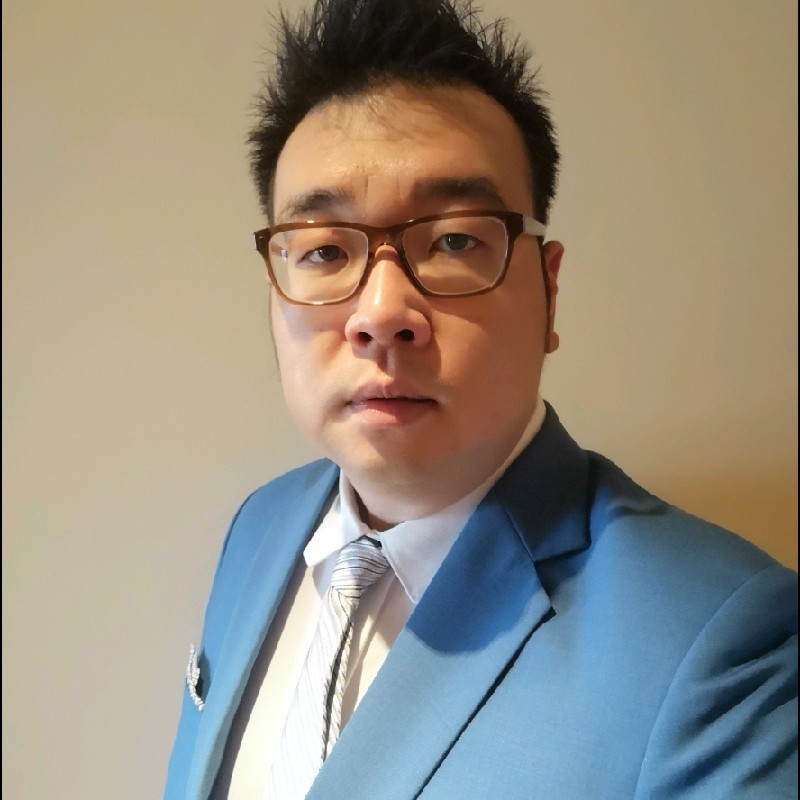
Jeremy Lee is a seasoned digital marketing director and strategist with over two decades of experience in the industry. As the founder of Sotavento Medios, I manage a diverse portfolio of over 50 businesses, helping brands grow through advanced search strategies and digital innovation. My work focuses on bridging the gap between traditional search engine optimisation and the evolving world of AI-driven answer engines.