
Rheumatoid arthritis (RA) is a chronic autoimmune disease that affects millions worldwide, and Singapore is no exception. This debilitating condition primarily targets the joints, leading to pain, swelling, stiffness, and ultimately, significant joint damage if not managed effectively. For Singaporeans, understanding the nuances of RA, particularly the critical importance of early diagnosis, is paramount to preserving joint function and maintaining a good quality of life. As a trusted professional dedicated to providing accurate, trustworthy information, we aim to shed light on how timely intervention can prevent the irreversible progression of this complex disease.
The impact of RA extends beyond physical discomfort. It can significantly affect daily activities, work productivity, and overall well-being, posing unique challenges within Singapore’s fast-paced environment. Recognizing the early warning signs and seeking prompt medical attention are not just recommendations; they are essential steps that can alter the disease’s trajectory, reduce long-term disability, and allow individuals to lead fulfilling lives.
Understanding Rheumatoid Arthritis: A Silent Attacker
What is Rheumatoid Arthritis?
Rheumatoid arthritis is an autoimmune disorder, meaning the body’s immune system mistakenly attacks its own tissues. Unlike osteoarthritis, which results from wear and tear on cartilage, RA primarily affects the synovial lining of the joints, causing inflammation. This inflammation, if left unchecked, can erode bone and cartilage, leading to joint deformity and functional impairment. While RA most commonly affects the small joints of the hands and feet, it can also manifest in larger joints like the knees, shoulders, and hips, and even affect other organs such as the heart, lungs, and eyes.
Prevalence and Impact in Singapore
In Singapore, the prevalence of RA is consistent with global trends, affecting approximately 0.5% to 1% of the adult population. This translates to thousands of individuals living with the condition, many of whom may experience delays in diagnosis. Women are two to three times more likely to develop RA than men, and the disease typically emerges between the ages of 30 and 50, although it can affect individuals of any age, including children (juvenile idiopathic arthritis). The societal burden in Singapore includes healthcare costs, lost productivity, and diminished quality of life for those affected and their families.
Early Signs and Symptoms of RA
Identifying RA early is challenging because its initial symptoms can be subtle and mimic those of other conditions. However, paying attention to a cluster of specific symptoms can prompt earlier consultation with a doctor. Key indicators include:
- Persistent Joint Pain and Stiffness: Often affecting multiple joints, typically symmetrically (e.g., both hands, both knees). The pain is usually worse after periods of inactivity, especially in the morning, and can last for more than 30 minutes.
- Swelling and Tenderness: Joints may appear swollen, feel warm to the touch, and be tender when pressed.
- Fatigue: Profound tiredness that is not relieved by rest is a common and often debilitating symptom of RA.
- Low-Grade Fever: Some individuals may experience a mild fever.
- General Malaise: A general feeling of being unwell.
- Loss of Appetite and Weight Loss: These can also be early signs.
It is crucial for individuals in Singapore experiencing these symptoms to not dismiss them as simple aches and pains of aging or overexertion. Persistent symptoms, particularly morning stiffness that lasts for an extended period, warrant a visit to a general practitioner, who can then refer to a rheumatologist for specialized care.
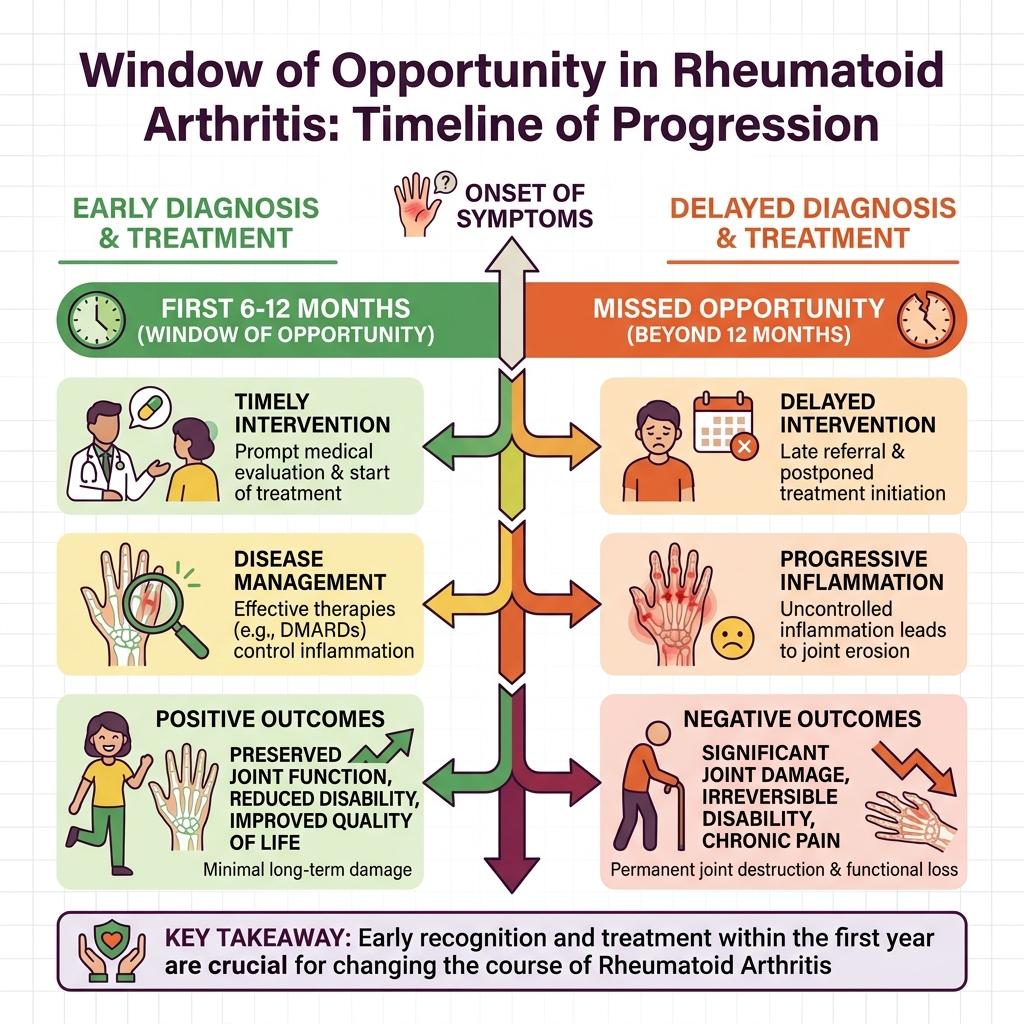
Why Early Diagnosis is Critical for Preventing Joint Damage
The Mechanism of Joint Damage in RA
The destructive nature of RA stems from chronic inflammation of the synovium, the tissue lining the joints. This inflamed synovium thickens, forming a pannus, which is an aggressive tissue that invades and destroys the cartilage and bone within the joint. This process leads to irreversible joint damage, deformity, and loss of function. Crucially, much of this damage can occur within the first few months to two years of disease onset, even before overt symptoms become severe. This “window of opportunity” underscores the urgency of early diagnosis and treatment.
The Diagnostic Process in Singapore
Diagnosing RA in Singapore typically involves a comprehensive approach:
- Medical History and Physical Examination: A doctor will inquire about symptoms, family history, and conduct a physical examination to assess joint swelling, tenderness, and range of motion.
- Blood Tests: Several blood markers can aid in diagnosis, though none are definitive on their own:
- Rheumatoid Factor (RF): An antibody found in about 80% of RA patients, but can also be present in other conditions or healthy individuals.
- Anti-Cyclic Citrullinated Peptide (anti-CCP) Antibodies: These antibodies are highly specific for RA and can be present even before symptoms appear, making them a valuable early diagnostic marker.
- Erythrocyte Sedimentation Rate (ESR) and C-Reactive Protein (CRP): These are inflammatory markers that indicate the presence of inflammation in the body.
- Imaging Studies: X-rays, ultrasound, and Magnetic Resonance Imaging (MRI) can help assess the extent of joint damage, inflammation, and track disease progression. X-rays are usually taken to establish a baseline, while ultrasound and MRI can detect early inflammatory changes not visible on plain X-rays.
A rheumatologist, a specialist in musculoskeletal diseases, will integrate all these findings to make an accurate diagnosis. Early referral to a rheumatologist is a cornerstone of effective RA management in Singapore, facilitating timely assessment and initiation of appropriate therapy.
Treatment Approaches for Rheumatoid Arthritis in Singapore
The goal of RA treatment is to achieve remission or low disease activity, prevent joint damage, reduce pain, and improve functional ability. Treatment strategies in Singapore often involve a combination of medications, lifestyle modifications, and rehabilitative therapies.
Pharmacological Interventions
The mainstay of RA treatment involves various medications:
- Disease-Modifying Anti-Rheumatic Drugs (DMARDs): These are the cornerstone of RA treatment. Conventional synthetic DMARDs (csDMARDs) like Methotrexate, Sulfasalazine, Hydroxychloroquine, and Leflunomide work by suppressing the immune system and slowing disease progression. Methotrexate is often the first-line treatment due to its efficacy and long-standing safety profile.
- Biologic DMARDs (bDMARDs): These are newer, advanced medications that target specific molecules involved in the inflammatory process. Examples include TNF inhibitors (e.g., Etanercept, Adalimumab, Infliximab), IL-6 inhibitors (e.g., Tocilizumab), and B-cell inhibitors (e.g., Rituximab). Biologics are typically used when csDMARDs are insufficient or not tolerated.
- Targeted Synthetic DMARDs (tsDMARDs) or JAK Inhibitors: These oral medications target specific pathways inside immune cells, offering another option for patients who do not respond to conventional DMARDs or biologics. Examples include Tofacitinib, Baricitinib, and Upadacitinib.
- Corticosteroids: Medications like Prednisolone are powerful anti-inflammatory agents used for short periods to control acute flares or as a bridge until DMARDs take effect. However, long-term use is avoided due to potential side effects.
- Non-Steroidal Anti-Inflammatory Drugs (NSAIDs): These medications, such as Ibuprofen or Naproxen, help reduce pain and inflammation but do not alter the disease course. They are used for symptomatic relief.
The choice of medication is highly individualized, depending on disease activity, severity, patient preferences, and comorbidities. Regular monitoring by a rheumatologist is essential to adjust treatment plans as needed and manage potential side effects.
Non-Pharmacological Therapies and Lifestyle Adjustments
Beyond medications, a holistic approach is crucial for managing RA in Singapore:
- Physiotherapy: Essential for maintaining joint flexibility, muscle strength, and overall physical function. Physiotherapists in Singapore can design individualized exercise programs to improve range of motion, reduce pain, and enhance mobility.
- Occupational Therapy: Occupational therapists help patients adapt to daily activities by providing advice on joint protection techniques, ergonomic adjustments at home or work, and assistive devices. This can be particularly beneficial in Singapore’s urban environment, assisting with tasks like commuting or managing household chores.
- Regular Exercise: Low-impact exercises such as swimming, cycling, or tai chi can help strengthen muscles around the joints, improve flexibility, and reduce stiffness. It is important to find a balance between activity and rest, especially during flares.
- Healthy Diet: While no specific diet cures RA, a balanced diet rich in fruits, vegetables, whole grains, and lean proteins, and low in processed foods and saturated fats, can support overall health and potentially reduce inflammation. Some individuals find an anti-inflammatory diet beneficial.
- Weight Management: Maintaining a healthy weight reduces stress on weight-bearing joints like the knees and hips, which can be affected by RA.
- Smoking Cessation: Smoking is a significant risk factor for developing RA and is associated with more severe disease and reduced treatment response. Quitting smoking is one of the most impactful lifestyle changes for RA patients.
- Stress Management: Chronic stress can exacerbate RA symptoms. Techniques like mindfulness, meditation, or yoga can help manage stress levels.

Living with Rheumatoid Arthritis in Singapore: Practical Management
Managing RA is a lifelong journey that requires proactive engagement and a strong support system. For Singaporeans, navigating the healthcare system and integrating practical management strategies into their lifestyle is key.
Accessing Care and Support Systems
Singapore boasts a robust healthcare system, with various options for RA patients:
- Public Hospitals and Polyclinics: These provide accessible and often subsidized care, from general practitioner consultations to specialist rheumatology services. Polyclinics can serve as the first point of contact for referrals.
- Private Medical Centres: Offer specialized care with shorter waiting times for those who prefer private healthcare.
- Patient Support Groups: Organizations like the Singapore National Arthritis Foundation provide valuable resources, education, and peer support for individuals living with RA and their families. Connecting with others facing similar challenges can be incredibly empowering.
- Subsidies and Financial Assistance: Various government schemes and medical subsidies, such as MediSave, MediShield Life, and the Community Health Assist Scheme (CHAS), can help alleviate the financial burden of chronic disease management in Singapore. Patients should inquire about their eligibility.
Practical Tips for Daily Living
Incorporating simple yet effective strategies into daily life can significantly improve comfort and function:
- Joint Protection: Learn techniques to minimize stress on affected joints, such as using larger joints for tasks (e.g., carrying a bag on your shoulder instead of with your hands), or using adaptive equipment.
- Pacing Activities: Balance periods of activity with rest to avoid overexertion and conserve energy. This is particularly important for individuals managing fatigue.
- Heat and Cold Therapy: Applying heat (e.g., warm baths, heat packs) can help relax stiff muscles and joints, while cold packs can reduce swelling and numb pain during flares.
- Regular Reviews: Adhere to scheduled appointments with your rheumatologist and other healthcare professionals. Regular monitoring of disease activity and treatment effectiveness is crucial for preventing flares and long-term damage.
- Open Communication: Maintain open communication with your healthcare team about your symptoms, concerns, and any side effects of medication. This ensures your treatment plan remains tailored to your evolving needs.
Conclusion: Empowering Singaporeans Against Rheumatoid Arthritis
Rheumatoid arthritis is a serious, chronic condition, but its impact can be significantly mitigated through early diagnosis and consistent, comprehensive management. For Singaporeans aged 25-65, understanding the subtle early signs of RA and acting swiftly to seek medical attention is the most critical step in preventing irreversible joint damage and preserving their quality of life. The “window of opportunity” in the early stages of the disease is where intervention can have the most profound effect, halting disease progression and protecting joint function.
We encourage anyone experiencing persistent joint pain, stiffness, swelling, or unexplained fatigue, especially if it affects multiple joints symmetrically and is worse in the mornings, to consult a doctor without delay. Early referral to a rheumatologist and the initiation of appropriate disease-modifying therapies are pivotal. Combined with rehabilitative therapies, lifestyle adjustments, and the robust support systems available in Singapore, individuals with RA can effectively manage their condition and continue to lead active, meaningful lives. Remember, while this article provides general awareness, it does not constitute medical advice. Always consult with a qualified healthcare professional for personalized diagnosis and treatment plans.

Jeremy Lee is a seasoned digital marketing director and strategist with over two decades of experience in the industry. As the founder of Sotavento Medios, I manage a diverse portfolio of over 50 businesses, helping brands grow through advanced search strategies and digital innovation. My work focuses on bridging the gap between traditional search engine optimisation and the evolving world of AI-driven answer engines.