
For many in Singapore, a partner’s loud, persistent snoring might simply be an annoyance, a nightly soundtrack to interrupted sleep. Some even joke about it, dismissing it as a common quirk. However, what sounds like mere heavy snoring can often be the tell-tale sign of a serious, potentially life-threatening medical condition: Obstructive Sleep Apnea (OSA). This condition, far from being a benign nuisance, represents a significant clinical risk, impacting not only the quality of sleep but also long-term cardiovascular, metabolic, and neurological health. As an established online media platform dedicated to providing accurate and trustworthy health information to Singaporeans aged 25-65, specialistsphere.com, through this article by Jeremy Lee, aims to illuminate the hidden dangers behind heavy snoring and empower our readers with the knowledge to identify, understand, and address Obstructive Sleep Apnea.
Understanding Obstructive Sleep Apnea: Beyond the Snore
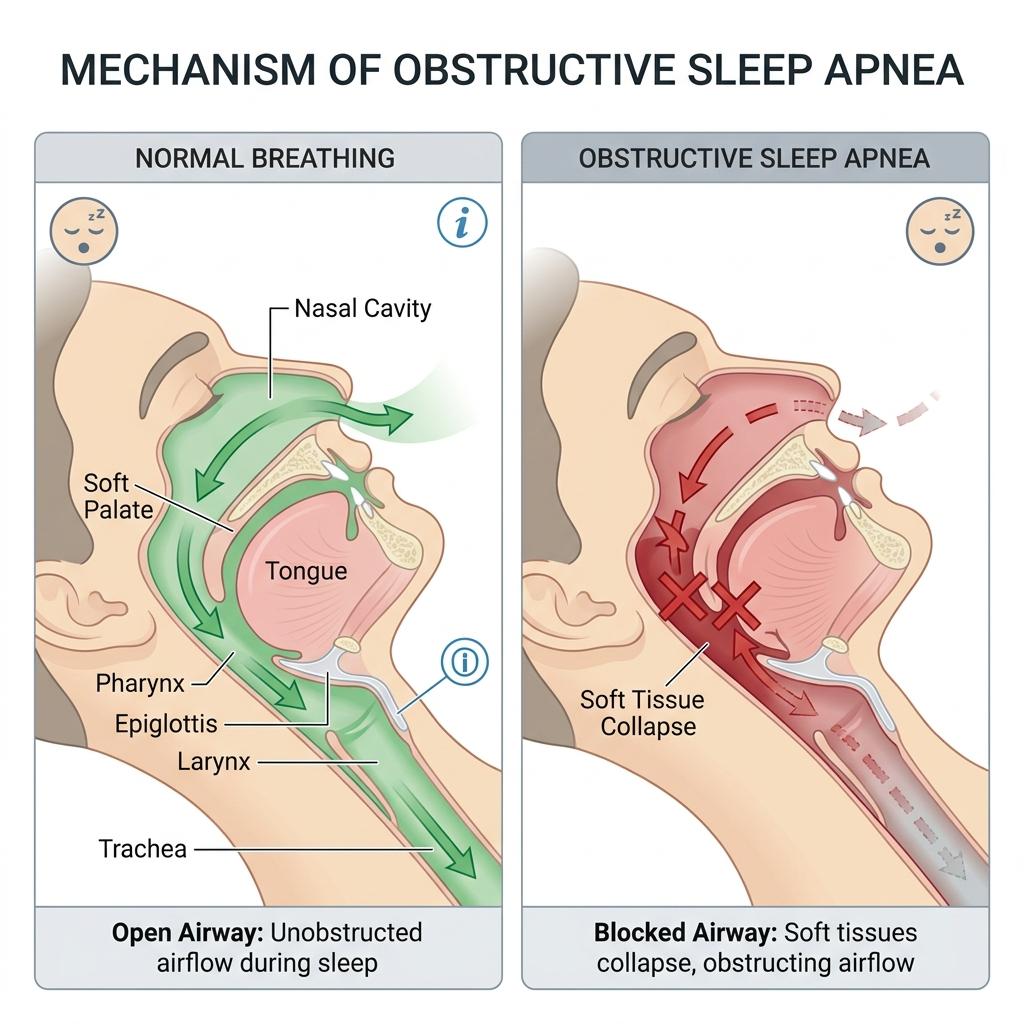
To truly grasp the implications of heavy snoring, we must first understand the underlying mechanism of Obstructive Sleep Apnea. It is a disorder characterized by recurrent episodes of partial or complete upper airway obstruction during sleep. This obstruction leads to pauses in breathing, known as apneas, or periods of significantly reduced airflow, called hypopneas. These episodes can last for seconds to minutes and can occur multiple times throughout the night, often without the individual being fully aware of them.
What Exactly is Obstructive Sleep Apnea?
At its core, OSA occurs when the muscles in the throat relax excessively during sleep, causing the soft tissues of the palate and tongue base to collapse and block the airway. When breathing stops, the brain senses a lack of oxygen and a buildup of carbon dioxide. This triggers a brief arousal, often accompanied by a gasp, snort, or body jerk, to reopen the airway and restore breathing. These micro-arousals prevent deep, restorative sleep, leading to a cascade of health problems.
The Mechanics of a Blocked Airway
During wakefulness, the muscles surrounding our pharynx, or throat, maintain airway patency. However, in susceptible individuals, particularly during sleep when muscle tone decreases, these structures become unstable. Factors such as excess weight, a large neck circumference, tonsil enlargement, or certain craniofacial features can predispose individuals to this collapse. The characteristic loud snoring associated with OSA is the sound of air struggling to pass through a narrowed or partially obstructed airway.
The Silent Struggle: How OSA Manifests
While snoring is the most common and often most noticeable symptom, OSA manifests in several other ways. Sufferers frequently experience excessive daytime sleepiness, finding it difficult to stay awake during work, driving, or even during conversations. Other indicators include morning headaches, a dry mouth upon waking, difficulty concentrating, memory problems, irritability, and unexplained mood changes. Partners often report observing pauses in breathing followed by gasping or choking sounds. Recognising these signs is the first crucial step towards diagnosis and treatment.
The Alarming Health Risks Associated with Untreated OSA
The repeated episodes of oxygen desaturation and sleep fragmentation in OSA place significant stress on the body, leading to a host of serious long-term health complications that extend far beyond feeling tired. For Singaporeans, understanding these risks is vital for proactive health management.
Cardiovascular Complications
One of the most concerning aspects of untreated OSA is its strong link to cardiovascular disease. Each apnea event causes a surge in blood pressure and heart rate, as the body struggles to overcome the oxygen deprivation. Over time, this chronic stress on the cardiovascular system can lead to:
- Hypertension (High Blood Pressure): OSA is an independent risk factor for high blood pressure, making it more challenging to control even with medication.
- Heart Attack and Stroke: The intermittent hypoxia and surges in blood pressure increase the risk of developing coronary artery disease, heart attacks, and ischemic strokes.
- Arrhythmias: Irregular heartbeats, such as atrial fibrillation, are more common in individuals with OSA.
- Heart Failure: Chronic OSA can contribute to the development or worsening of heart failure.
Metabolic and Endocrine Disruptions
OSA also profoundly impacts metabolic health. The disruption of sleep architecture and the stress response triggered by apneas can interfere with hormone regulation, leading to:
- Type 2 Diabetes: OSA increases insulin resistance, making it harder for the body to regulate blood sugar levels, thereby elevating the risk of developing type 2 diabetes or worsening existing diabetes.
- Weight Gain: Sleep deprivation can affect appetite-regulating hormones, leading to increased hunger and cravings, contributing to weight gain and creating a vicious cycle with OSA.
Neurological and Cognitive Impacts
The brain, dependent on a steady supply of oxygen, suffers significantly from the intermittent hypoxia seen in OSA. This can result in:
- Impaired Memory and Concentration: Chronic sleep fragmentation affects cognitive functions, leading to difficulties with memory, focus, and decision-making.
- Reduced Executive Function: Planning, problem-solving, and impulse control can be compromised.
- Increased Accident Risk: Excessive daytime sleepiness significantly impairs alertness and reaction time, increasing the risk of vehicular and workplace accidents, a serious public health concern in a busy city like Singapore.
Mental Health and Quality of Life
Beyond the physical toll, OSA can severely diminish an individual’s quality of life and mental well-being. Chronic fatigue and the physiological stress can contribute to or exacerbate depression and anxiety. Relationships often suffer due to disturbed sleep and irritability. The constant struggle for restorative sleep can lead to a sense of hopelessness and reduced overall functioning.

Identifying OSA in Singapore: Symptoms and Diagnosis
Given the severe health implications, recognizing the symptoms of OSA and seeking timely medical evaluation is paramount for Singaporeans. While snoring is the most common indicator, it is crucial to look for a cluster of symptoms.
Recognizing the Warning Signs
Be vigilant for the following:
- Loud, chronic snoring, especially if interspersed with silent pauses.
- Observed episodes of stopped breathing or gasping/choking during sleep (reported by a bed partner).
- Excessive daytime sleepiness, regardless of how much time was spent in bed.
- Morning headaches.
- Waking up with a dry mouth or sore throat.
- Difficulty concentrating or memory problems.
- Irritability, mood swings, or symptoms of depression.
- Frequent nighttime urination (nocturia).
If you or your loved one exhibits several of these symptoms, particularly chronic loud snoring and daytime sleepiness, it warrants a consultation with a medical professional.
When to Seek Medical Attention
Do not dismiss persistent, heavy snoring. It is not normal, especially if accompanied by the other symptoms listed above. Prompt medical attention is especially important if you have pre-existing cardiovascular conditions, diabetes, or if your sleepiness impacts your daily activities or safety.
The Diagnostic Process
Diagnosing OSA typically involves a sleep study, known as polysomnography. In Singapore, these studies can be conducted overnight in a sleep laboratory at hospitals like Singapore General Hospital or National University Hospital, where various physiological parameters are monitored, including brain waves, eye movements, muscle activity, heart rate, breathing patterns, and blood oxygen levels. For suitable candidates, home sleep apnea testing (HSAT) may also be an option, offering a more convenient way to gather diagnostic data in one’s own bed. The results from these tests allow sleep specialists to determine the severity of OSA.
The Role of ENT Specialists and Sleep Physicians in Singapore
Diagnosis and management of OSA often involve a multidisciplinary approach. Ear, Nose, and Throat (ENT) specialists can assess anatomical factors contributing to airway obstruction. Sleep physicians, often pulmonologists or neurologists with subspecialty training, are central to diagnosing and managing the condition, working with patients to tailor effective treatment plans.
Management and Treatment Options in Singapore
Fortunately, effective treatments for OSA are available in Singapore, aiming to restore normal breathing during sleep, alleviate symptoms, and mitigate long-term health risks. The choice of treatment depends on the severity of the OSA, individual patient factors, and lifestyle considerations.
Lifestyle Modifications
For many individuals, especially those with mild to moderate OSA, lifestyle changes can significantly improve symptoms. These include:
- Weight Management: Even a modest weight loss can reduce the severity of OSA, as excess weight around the neck can narrow the airway. Incorporating healthier eating habits, considering Singapore’s diverse and often calorie-dense local cuisine, and engaging in regular physical activity are crucial.
- Positional Therapy: Sleeping on one’s side, rather than on the back, can help prevent the tongue and soft palate from collapsing into the airway. Special pillows or devices can aid in maintaining side sleeping positions.
- Avoiding Alcohol and Sedatives: These substances relax the throat muscles, worsening airway obstruction. Limiting their intake, particularly before bedtime, is recommended.
- Smoking Cessation: Smoking irritates the upper airway, contributing to inflammation and fluid retention, which can exacerbate OSA.
Continuous Positive Airway Pressure (CPAP) Therapy
CPAP therapy is considered the gold standard treatment for moderate to severe OSA and is widely available in Singapore. It involves wearing a mask over the nose or nose and mouth during sleep. The CPAP machine delivers a continuous stream of air pressure, which acts as a pneumatic splint, keeping the airway open. While it requires adherence and takes some getting used to, CPAP is highly effective in eliminating apneas and restoring restful sleep, dramatically improving quality of life and reducing health risks. Modern CPAP machines are quieter, smaller, and more comfortable, with support readily available from healthcare providers and equipment suppliers in Singapore.
Oral Appliances
For individuals with mild to moderate OSA, or those who cannot tolerate CPAP, custom-made oral appliances may be an alternative. Mandibular Advancement Devices (MADs), fitted by a trained dentist in Singapore, work by repositioning the lower jaw and tongue forward, thereby expanding the airway. These devices are often more portable and less intrusive than CPAP, making them a suitable option for some patients.
Surgical Interventions
Surgical options are generally considered when other treatments have failed or for specific anatomical obstructions. Procedures range from uvulopalatopharyngoplasty (UPPP), which removes excess tissue from the throat, to more complex surgeries such as genial advancement to move the tongue base forward, or even bariatric surgery for morbidly obese patients where weight loss is crucial. The effectiveness of surgery varies, and a thorough evaluation by an ENT specialist or sleep surgeon in Singapore is essential to determine suitability and realistic outcomes.
Emerging Therapies
Research continues into new treatments, including hypoglossal nerve stimulation, which involves implanting a device to stimulate the nerve that controls tongue movement, keeping the airway open during sleep. While these are not yet mainstream in Singapore, they represent future possibilities for specific patient profiles.
Conclusion: Prioritising Sleep for a Healthier Singapore
The notion that heavy snoring is merely an annoyance must be unequivocally debunked. It is a critical red flag for Obstructive Sleep Apnea, a condition with profound and far-reaching health consequences, from increasing the risk of heart disease and diabetes to impairing cognitive function and overall quality of life. For Singaporeans aged 25-65, who navigate demanding careers and active lifestyles, neglecting sleep health can have severe repercussions.
Recognizing the symptoms—persistent loud snoring, observed breathing pauses, and excessive daytime sleepiness—is the first vital step. Do not hesitate to seek professional medical attention if these signs are present. Singapore’s healthcare system offers comprehensive diagnostic services and a range of effective treatments, from lifestyle modifications and CPAP therapy to oral appliances and surgical options. Prioritising sleep health by addressing OSA is not just about silencing a snore; it is about safeguarding your cardiovascular system, maintaining metabolic balance, preserving cognitive function, and ultimately, investing in a longer, healthier, and more productive life. Consult with a doctor or sleep specialist to receive an accurate diagnosis and a personalized treatment plan. This article provides general health information and should not be considered as medical advice. Always consult with a qualified healthcare professional for any health concerns or before making any decisions related to your health or treatment.

Jeremy Lee is a seasoned digital marketing director and strategist with over two decades of experience in the industry. As the founder of Sotavento Medios, I manage a diverse portfolio of over 50 businesses, helping brands grow through advanced search strategies and digital innovation. My work focuses on bridging the gap between traditional search engine optimisation and the evolving world of AI-driven answer engines.