
Many men in Singapore notice changes in energy, mood, sexual function, and physical performance as they get older, but they may not know whether these changes are just part of ageing or signs of low testosterone. The term “male menopause” is commonly used in everyday conversation, but it can be misleading. Unlike menopause in women, men do not experience a sudden and universal hormone shutdown. What can happen is a gradual decline in testosterone in some men, sometimes together with symptoms that affect daily life, work, relationships, and confidence.
Testosterone replacement therapy, often shortened to TRT, is a medical treatment used for men with confirmed testosterone deficiency and relevant symptoms. It is not a lifestyle booster, a quick fix for tiredness, or a replacement for healthy sleep, exercise, or treatment of underlying conditions. In Singapore, where long work hours, stress, sedentary office routines, sleep debt, and chronic health risks such as obesity and diabetes are common concerns, understanding when TRT is appropriate matters. The goal is to separate normal ageing from treatable hormonal deficiency, and to do so safely under proper medical supervision.
If you are wondering whether TRT is suitable, the key question is not simply whether testosterone is “low” on a blood test. It is whether symptoms and blood results together support a diagnosis of hypogonadism, the medical term for inadequate testosterone production. A careful evaluation helps avoid unnecessary treatment and makes sure other causes, such as thyroid disease, depression, sleep apnea, medication side effects, or uncontrolled metabolic disease, are not missed.
What “Male Menopause” Really Means
The phrase “male menopause” is widely used, but medically it does not describe a true menopause. Men do not have a predictable age when testosterone production stops. Instead, testosterone levels may decline gradually with age, and some men develop late-onset hypogonadism, a condition where testosterone is consistently low and symptoms are present. This distinction is important because many symptoms commonly blamed on hormones can have multiple causes.
Common symptoms that may prompt evaluation
Low testosterone can present in different ways. Some men notice reduced sexual desire, fewer morning erections, erectile difficulties, fatigue, loss of motivation, reduced muscle strength, increased body fat, lower mood, irritability, or difficulty concentrating. However, none of these symptoms alone proves testosterone deficiency. For example, poor sleep from shift work, obstructive sleep apnea, long-term stress, heavy alcohol use, and some medications can produce very similar complaints.
In Singapore, where many adults juggle demanding jobs, family responsibilities, and limited time for exercise, symptoms such as tiredness and low drive are often attributed to age or burnout. That may be true in some cases, but persistent symptoms deserve medical assessment, especially if they are affecting sexual health, work performance, or overall wellbeing.
How testosterone is normally assessed
Doctors usually diagnose testosterone deficiency by combining symptoms with blood tests. Testosterone is typically measured in the morning, when levels are highest. If the first result is low, a repeat test is often needed to confirm the finding. This matters because testosterone levels can fluctuate due to acute illness, poor sleep, calorie restriction, or stress. In many cases, doctors also check related hormones such as luteinizing hormone and follicle-stimulating hormone to understand whether the issue is with the testes or the brain’s hormonal signalling system.
Additional tests may be ordered depending on the situation, such as prolactin, thyroid function, blood count, liver function, glucose, and cholesterol. These tests help identify reversible causes and baseline health risks before any treatment is considered.
When Testosterone Replacement Therapy May Be Appropriate
TRT is generally considered for men who have both clinical symptoms and confirmed low testosterone on repeat testing. It is most appropriate when low testosterone is due to known testicular or pituitary problems, or when no reversible cause is found after evaluation. Treatment should be individualised. The decision depends on age, symptom burden, fertility goals, medical history, and the presence of conditions that may make TRT unsafe.
Conditions that need careful review before treatment
Not every man with low testosterone should start TRT. Doctors need to assess for prostate issues, elevated red blood cell count, severe untreated sleep apnea, uncontrolled heart failure, recent cardiovascular events, or active desire for fertility. TRT can suppress the body’s own sperm production, so it can reduce fertility. For men planning more children, this is a major issue that should be discussed before treatment begins.
In Singapore’s context, many men present late because they assume symptoms are a normal part of ageing or are reluctant to seek help for sexual health concerns. A structured consultation can uncover the real cause and clarify whether TRT is appropriate or whether another treatment is better.
Who should not self-start treatment
Over-the-counter supplements marketed as testosterone boosters are not the same as medically supervised TRT. They may not contain reliable hormone levels and can interact with other medications or falsely reassure users. Men should not self-medicate with testosterone injections, gels, or online products, because inappropriate use can raise risks without solving the underlying problem. Medical supervision matters because TRT affects blood counts, hormone balance, and sometimes prostate monitoring.
How Testosterone Replacement Therapy Is Given and Monitored
TRT can be delivered in several forms, including injections, transdermal gels, patches, and other formulations depending on availability and physician preference. Each option has advantages and drawbacks. Injections may be less convenient but can be cost-effective and are widely used. Gels offer steady hormone delivery but require daily use and care to avoid skin transfer to others. The best choice depends on the individual’s lifestyle, access to follow-up, and treatment goals.
What treatment aims to improve
The aim of TRT is to restore testosterone to a physiologic range and relieve deficiency-related symptoms. Men may notice improved sexual desire, better erectile quality in some cases, improved energy, and better mood over time. Muscle mass and bone health may also improve, particularly when treatment is combined with exercise and adequate nutrition. TRT is not a direct cure for all erectile dysfunction, because erection problems can also arise from blood vessel disease, diabetes, nerve injury, psychological stress, or medication effects.
It is important to have realistic expectations. Response can take weeks to months, and not every symptom improves. Sleep quality, exercise habits, alcohol intake, and chronic disease management remain essential. In other words, TRT should be viewed as one part of a broader health plan, not a replacement for it.
Monitoring for safety
Men on TRT need regular review. Monitoring commonly includes symptom assessment, testosterone levels, blood count, and checks for adverse effects. One important concern is erythrocytosis, which means an increase in red blood cell mass that can make the blood more viscous. Doctors watch for this because it may raise the risk of complications and may require dose adjustment or treatment pause. Prostate monitoring is also part of care, typically guided by age, risk factors, and clinical discussion with the doctor.
Follow-up is particularly important in Singapore, where many patients prefer efficient medical care and may be tempted to stop after they feel slightly better. TRT should not be taken casually or indefinitely without reassessment. The correct dose may change, and the original diagnosis may need to be revisited if symptoms do not improve as expected.
Singapore-Specific Considerations for Men Thinking About TRT
Singapore’s healthcare environment makes access to evaluation relatively straightforward, but men still need to know where to start and what to ask. A first consultation with a general practitioner or a specialist in urology, endocrinology, or men’s health can clarify whether symptoms warrant hormonal testing. Public and private clinics may follow similar principles, but the pathway, waiting time, and medication access can differ. What remains consistent is the need for proper diagnosis before treatment.
Lifestyle factors that can mimic low testosterone
Several common lifestyle factors in Singapore can produce symptoms that feel like “low T.” Chronic sleep restriction, irregular shift work, low physical activity, overweight and obesity, high stress, and poor diet can all lower energy and reduce sexual interest. Alcohol intake can contribute as well. Addressing these issues may improve symptoms even when testosterone is normal. For some men, weight loss and better sleep can raise testosterone naturally and improve erectile function, particularly if metabolic health also improves.
Practical steps often include regular resistance exercise, a balanced diet with sufficient protein, limiting alcohol, reducing late-night screen time, and managing sleep apnea if present. These changes may sound simple, but in a busy Singapore lifestyle they often require planning. Short, consistent exercise sessions and structured sleep routines are more realistic than ambitious but unsustainable plans.
Cost, follow-up, and expectations
TRT involves ongoing monitoring, not a one-time prescription. Men should factor in the cost of consultations, blood tests, and medication, as well as the time needed for follow-up. The commitment is worthwhile only if there is a clear indication and a measurable benefit. A responsible treatment plan should state the target symptoms, the monitoring schedule, and the criteria for continuing or stopping therapy.
There is also a social and emotional aspect. Some men feel embarrassed discussing libido, erection problems, or mood changes. These are common medical concerns, not personal failures. Opening the conversation early can prevent delays in diagnosis and treatment, especially when symptoms are affecting relationships or mental health.
Questions Men in Singapore Should Ask Their Doctor
A good consultation about testosterone starts with the right questions. Men should ask whether their symptoms are consistent with testosterone deficiency, what other causes might explain them, and whether repeat testing is needed. They should also ask about fertility implications, how treatment will be monitored, what improvement to expect, and which warning signs should prompt review. This approach helps make care more transparent and shared.
- Do my symptoms and test results support a diagnosis of testosterone deficiency?
- Should the blood test be repeated before treatment is started?
- Are there other conditions, such as sleep apnea or diabetes, that could explain my symptoms?
- Will TRT affect my fertility?
- How often will my blood count and hormone levels be checked?
- What benefits are realistic, and when should I expect them?
These questions are especially useful for men who want a clear, evidence-based plan rather than a trial-and-error approach.
Testosterone replacement therapy can be helpful for the right patient, but it should be used for a medical diagnosis, not for vague age-related fatigue alone. The most reliable path is a thorough evaluation, careful laboratory confirmation, and ongoing monitoring by a qualified doctor. For Singaporean men, this means taking symptoms seriously, understanding the limits of the “male menopause” label, and looking at overall health, not hormones in isolation. If you have persistent fatigue, low libido, erectile concerns, reduced strength, or mood changes, a medical review can help determine whether testosterone deficiency is present and whether TRT is appropriate. The safest and most effective outcomes come from informed decisions, proper follow-up, and treatment that fits the whole person, not just the blood test result.
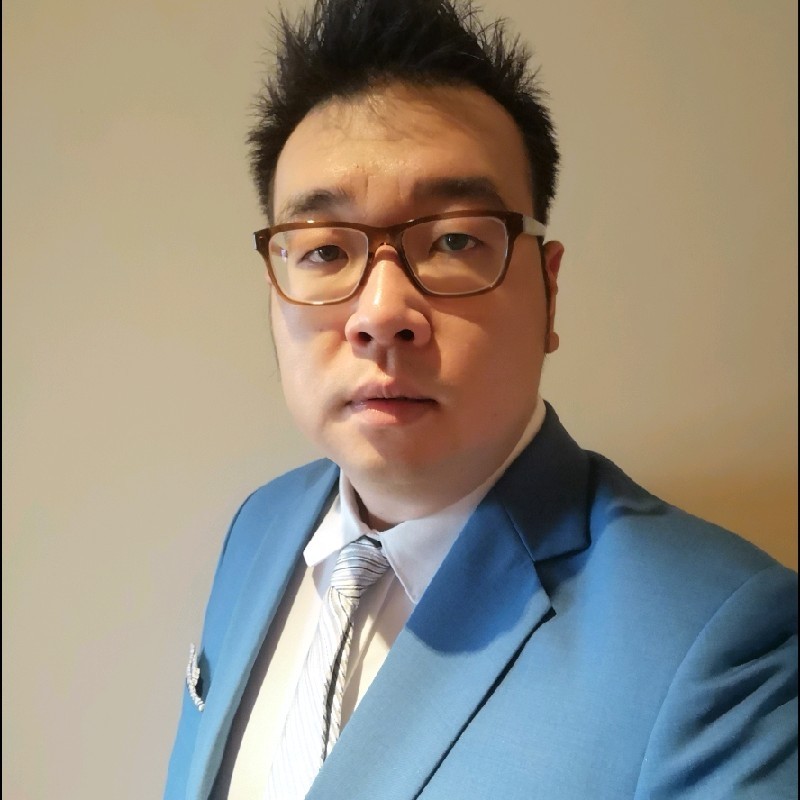
Jeremy Lee is a seasoned digital marketing director and strategist with over two decades of experience in the industry. As the founder of Sotavento Medios, I manage a diverse portfolio of over 50 businesses, helping brands grow through advanced search strategies and digital innovation. My work focuses on bridging the gap between traditional search engine optimisation and the evolving world of AI-driven answer engines.