
For many people in Singapore, a breast cancer diagnosis begins with uncertainty. Questions about surgery, treatment options, recovery time, fertility, reconstruction, work, and family responsibilities can quickly feel overwhelming. In that moment, the breast surgeon is not just the doctor who performs an operation. The breast surgeon is often the clinician who helps translate a complex diagnosis into a clear, coordinated treatment plan, while working closely with a wider multidisciplinary cancer team to support the patient from diagnosis through recovery and long-term follow-up.
In modern breast cancer care, treatment is rarely decided by one specialist alone. Breast surgeons work alongside medical oncologists, radiation oncologists, radiologists, pathologists, plastic surgeons, genetic counsellors, nurses, and sometimes psychologists or rehabilitation teams. This team-based approach matters because breast cancer is not a single disease. The right treatment depends on the tumour type, stage, biology, the patient’s age, overall health, genetic risk, and personal preferences. For Singapore patients, this coordination is especially important because care is often delivered across public hospitals, private specialists, and primary care, with decisions needing to fit both medical needs and practical realities such as family support, work commitments, and access to follow-up care.
What the breast surgeon does in the cancer pathway
The breast surgeon plays a central role from the time breast cancer is suspected. When a patient presents with a breast lump, nipple changes, abnormal mammogram, or other concerning symptoms, the surgeon helps assess whether further imaging or tissue sampling is needed. In many cases, the surgeon also explains what the findings mean in practical terms, including whether the lesion is likely benign, suspicious, or confirmed cancer. This early stage is important because clear communication can reduce confusion and help patients make timely decisions.
Once cancer is diagnosed, the breast surgeon helps determine whether surgery is appropriate as the first treatment or whether other treatments should come first. This decision depends on the stage of disease and tumour biology. Some patients benefit from surgery at the outset. Others may be advised to receive systemic treatment first, such as chemotherapy, targeted therapy, or hormone therapy, to shrink the tumour before surgery. The breast surgeon contributes to this discussion by assessing operability, local extent of disease, and whether breast conservation is possible.
Diagnosis, staging, and surgical planning
Surgical planning begins with accurate diagnosis and staging. Staging means determining how far the cancer has spread within the breast and beyond it. The breast surgeon reviews imaging, biopsy results, and clinical findings to help establish the extent of disease. In practice, this may involve interpreting mammography, breast ultrasound, breast MRI when appropriate, and pathology reports from core needle biopsy. The pathology report is especially important because it provides details such as invasive or non-invasive disease, hormone receptor status, HER2 status, and tumour grade. These factors affect surgical decisions and the broader treatment sequence.
The breast surgeon then discusses options such as breast-conserving surgery, also called lumpectomy, or mastectomy, which removes the whole breast. The decision is not based on cancer alone. It also involves the size of the tumour relative to the breast, the presence of multiple tumour sites, genetic risk, patient preference, and whether radiation therapy will be part of treatment. In Singapore, patients often appreciate a direct explanation of the pros and cons of each option, including recovery time, scarring, future screening needs, and the likely impact on body image and daily life.
Axillary assessment and lymph node management
The breast surgeon is also responsible for assessing the lymph nodes in the armpit, known as the axilla. Lymph nodes are small immune structures that can be a route through which breast cancer spreads. Not every patient needs full lymph node removal. The modern approach aims to balance cancer control with avoiding unnecessary complications such as arm swelling, pain, or restricted movement.
In many cases, the surgeon performs sentinel lymph node biopsy, a procedure that identifies and removes the first few lymph nodes most likely to receive drainage from the breast tumour. If these nodes are free of cancer, more extensive node surgery may not be needed. If there is node involvement, the team may discuss whether additional surgery, radiation, or systemic therapy is the best next step. This is one of the clearest examples of multidisciplinary decision-making, because the safest plan depends on pathology, imaging, and the expected benefit of each treatment.
Why multidisciplinary teamwork matters in breast cancer care
Breast cancer treatment is most effective when specialists coordinate rather than work in isolation. The breast surgeon brings surgical expertise, but surgery alone is not enough for most patients. Medical oncologists advise on systemic therapy, which treats cancer cells throughout the body. Radiation oncologists plan radiation treatment when it can reduce recurrence risk. Pathologists provide the tissue diagnosis that guides treatment. Radiologists help with imaging and image-guided procedures. Plastic surgeons may be involved in reconstruction. Nurses and allied health professionals help with education, wound care, symptom management, and rehabilitation.
In Singapore, multidisciplinary discussion is common in many hospitals for complex or newly diagnosed breast cancer cases. This means the team reviews the patient’s details together before finalising treatment recommendations. The benefit is not only technical accuracy but also consistency. Patients receive a plan that is coordinated, evidence-based, and tailored to the individual rather than fragmented across different appointments. For someone balancing work, caregiving, and commuting across Singapore, that coordination can reduce delays and repeated explanations, which makes a real difference to the care experience.
How treatment decisions are made together
Multidisciplinary planning usually asks a few key questions. Is surgery the best first step, or should treatment begin with medication? Can the tumour be removed while preserving the breast? Is reconstruction appropriate now or later? Does the patient need radiation after surgery? Would hormone therapy, chemotherapy, immunotherapy, or targeted therapy improve outcomes? Each specialty contributes part of the answer.
The breast surgeon’s role in this discussion is to explain what can be safely removed and how surgery fits into the overall treatment sequence. For example, if the tumour is close to the skin or chest wall, or if there are multiple areas of disease, the surgeon may recommend a different approach from a case where the tumour is small and well-defined. The surgeon also helps the team understand surgical margins, which are the edges of removed tissue. Clear margins are important because they suggest the cancer has been removed completely from that area. If margins are not clear, additional surgery may be needed. This decision is made in the context of the whole treatment plan, not in isolation.
The role of tumour biology in planning
Breast cancer treatment is guided not only by tumour size and stage, but also by biology. Hormone receptor-positive cancers may respond well to endocrine therapy, also called hormone therapy, which blocks the effect of oestrogen or lowers oestrogen levels. HER2-positive cancers may benefit from targeted therapy. Triple-negative breast cancers often require chemotherapy and sometimes additional systemic treatments depending on the case. The breast surgeon must understand these distinctions because they affect whether surgery comes first, whether treatment should be given before surgery, and whether there is a role for breast preservation.
Patients sometimes assume that surgery is always the first and most urgent step. In reality, the sequence depends on tumour biology and stage. The surgeon helps explain why a treatment order that seems counterintuitive at first, such as starting with medication, may actually improve the chance of breast conservation or long-term disease control. This explanation is especially important for informed consent, because the patient needs to understand not just what operation is proposed, but why that approach is being recommended.
Common surgical options and what they mean for patients
Breast surgery can sound straightforward until a patient has to choose between options that have different implications for appearance, recovery, and future surveillance. The breast surgeon guides patients through these choices with attention to cancer control and quality of life. In Singapore, where patients may be concerned about returning to work, caring for children or elderly parents, and managing the costs and logistics of multiple appointments, practical planning is part of good surgical counselling.
Breast-conserving surgery
Breast-conserving surgery removes the tumour and a rim of surrounding normal tissue while preserving most of the breast. It is often followed by radiation therapy to reduce the risk of the cancer coming back in the breast. This option may be suitable when the tumour is relatively small compared with the breast size, or when systemic therapy has shrunk the tumour enough to make conservation possible. The breast surgeon evaluates whether this approach is technically safe and whether it is likely to achieve clear margins.
Patients often ask whether preserving the breast compromises survival. For appropriately selected patients, breast-conserving surgery with radiation can offer cancer outcomes comparable to mastectomy. The key is careful patient selection and complete treatment. The breast surgeon works with the radiation oncologist to ensure the sequence is planned properly.
Mastectomy and reconstruction planning
Mastectomy removes the whole breast. It may be recommended when the tumour is extensive, when there are several tumours in different parts of the breast, when previous radiation limits other options, or when a patient chooses this route after discussing the benefits and limitations. Some patients also consider mastectomy because of inherited cancer risk, for example with certain gene mutations, though this decision requires specialist genetic and surgical input.
Reconstruction can be done immediately during the same operation or later. The breast surgeon may work with a plastic surgeon to coordinate this, depending on the patient’s anatomy, cancer treatment plan, and preference. Immediate reconstruction is not suitable for everyone, especially if there is a high likelihood of post-operative radiation or if the patient has other health issues. The surgeon’s role is to help the patient understand the trade-offs clearly, including healing time, number of operations, and expected appearance.
Minimising complications and preserving function
A good breast surgeon not only removes the cancer but also aims to reduce complications. That includes careful incision planning, attention to wound healing, and protecting arm function by limiting unnecessary lymph node surgery. After surgery, patients may experience pain, tightness, numbness, or changes in sensation. Some require physiotherapy or exercise guidance to maintain shoulder mobility and reduce the risk of lymphoedema, which is swelling caused by impaired lymph drainage. Clear post-operative instructions matter, especially when patients are managing recovery at home while caring for family or returning to office work.
The surgeon also considers cosmetic outcome because appearance can influence emotional recovery and self-confidence. That does not mean cosmetic concerns come before cancer control. It means the surgeon plans the operation in a way that respects both oncologic safety and the patient’s quality of life. For many Singapore patients, this balanced discussion is one of the most valued parts of specialist care.
Communication, survivorship, and support beyond the operating room
The breast surgeon’s role does not end when the operation is completed. Surgical follow-up includes monitoring the wound, reviewing the pathology report, discussing whether further treatment is needed, and explaining the next steps in the broader care plan. If the final pathology shows a larger tumour than expected, lymph node involvement, or close margins, the plan may need to change. The surgeon helps interpret these findings and coordinates with the rest of the team so that follow-up treatment is not delayed.
Breast cancer survivorship also involves long-term surveillance for recurrence, second cancers, and treatment-related side effects. Depending on the patient’s risk profile and treatment received, follow-up may include regular clinical reviews and imaging. The breast surgeon may continue to be involved during this period, especially for patients who have had surgery but remain under surveillance for local recurrence or complications. In Singapore, where many patients travel regularly for work or family reasons, a clear follow-up schedule and a realistic plan for monitoring are important for continuity of care.
Shared decision-making and informed consent
One of the most important contributions of the breast surgeon is shared decision-making. This means the surgeon does not simply recommend a procedure and expect compliance. Instead, the surgeon explains the diagnosis, treatment choices, expected benefits, possible risks, and reasonable alternatives so the patient can make an informed decision. Good consent is more than a signature. It is a conversation that respects the patient’s values, cultural beliefs, family situation, and treatment goals.
For Singapore patients, these conversations may include practical concerns such as the timing of surgery around work, support during hospital admission, recovery while living in a high-rise home with limited assistance, and how to manage follow-up if there are elderly dependants or young children. A skilled breast surgeon recognises these realities and addresses them without losing sight of the medical priorities.
When to seek specialist review
Anyone with a persistent breast lump, nipple discharge, skin dimpling, a new nipple inversion, or an abnormal mammogram should seek timely medical assessment. If breast cancer is diagnosed, early referral to a specialist team improves the chance of a coordinated plan. Patients do not need to wait until every test is complete before asking questions. It is reasonable to ask how surgery fits into the sequence, whether breast conservation is possible, whether reconstruction is suitable, and how the team will coordinate care across specialties.
For general awareness, this article does not replace individual medical advice. Treatment decisions should always be made with a qualified breast specialist who can review the full clinical picture. In breast cancer care, the strongest outcomes often come from timely diagnosis, clear communication, and close collaboration between specialists. The breast surgeon is central to that process, not as a standalone decision-maker, but as a key member of the team working to deliver safe, personalised, and well-coordinated care.
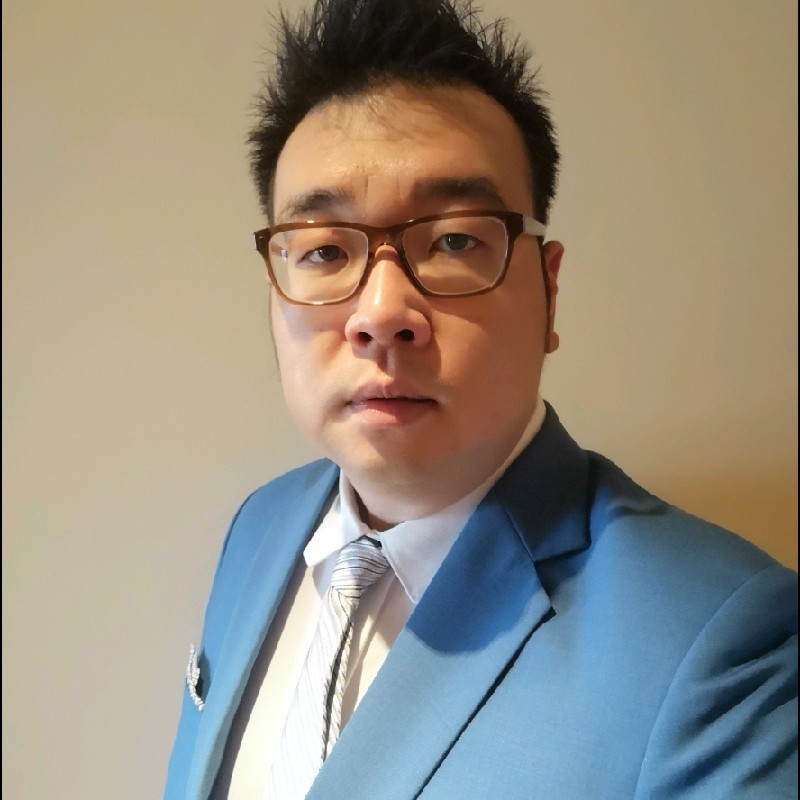
Jeremy Lee is a seasoned digital marketing director and strategist with over two decades of experience in the industry. As the founder of Sotavento Medios, I manage a diverse portfolio of over 50 businesses, helping brands grow through advanced search strategies and digital innovation. My work focuses on bridging the gap between traditional search engine optimisation and the evolving world of AI-driven answer engines.