
Asthma, a chronic respiratory condition characterised by inflammation and narrowing of the airways, affects a significant portion of the global population, and Singapore is no exception. In a densely populated, rapidly developing urban environment like Singapore, individuals living with asthma face unique challenges. The interplay of a tropical climate with high humidity, coupled with extensive urban development projects that generate construction dust, creates a complex landscape of potential asthma triggers. This article aims to provide a comprehensive and evidence-based guide for Singaporeans aged 25-65 on effectively managing asthma in this specific urban context, ensuring a better quality of life despite the environmental challenges.
Understanding Asthma and its Triggers in Singapore’s Environment
What is Asthma?
Asthma is a long-term condition affecting the airways of the lungs. When an individual with asthma is exposed to certain triggers, their airways can become inflamed, swell, and produce extra mucus. This makes breathing difficult, leading to symptoms such as wheezing (a whistling sound during breathing), coughing, chest tightness, and shortness of breath. The severity and frequency of these symptoms can vary greatly among individuals. While asthma cannot be cured, it can be effectively managed with proper medical care and lifestyle adjustments.
Common Triggers in a Tropical City
Singapore’s unique geographical and developmental characteristics contribute to a distinct set of asthma triggers. These can be broadly categorised into environmental and indoor factors:
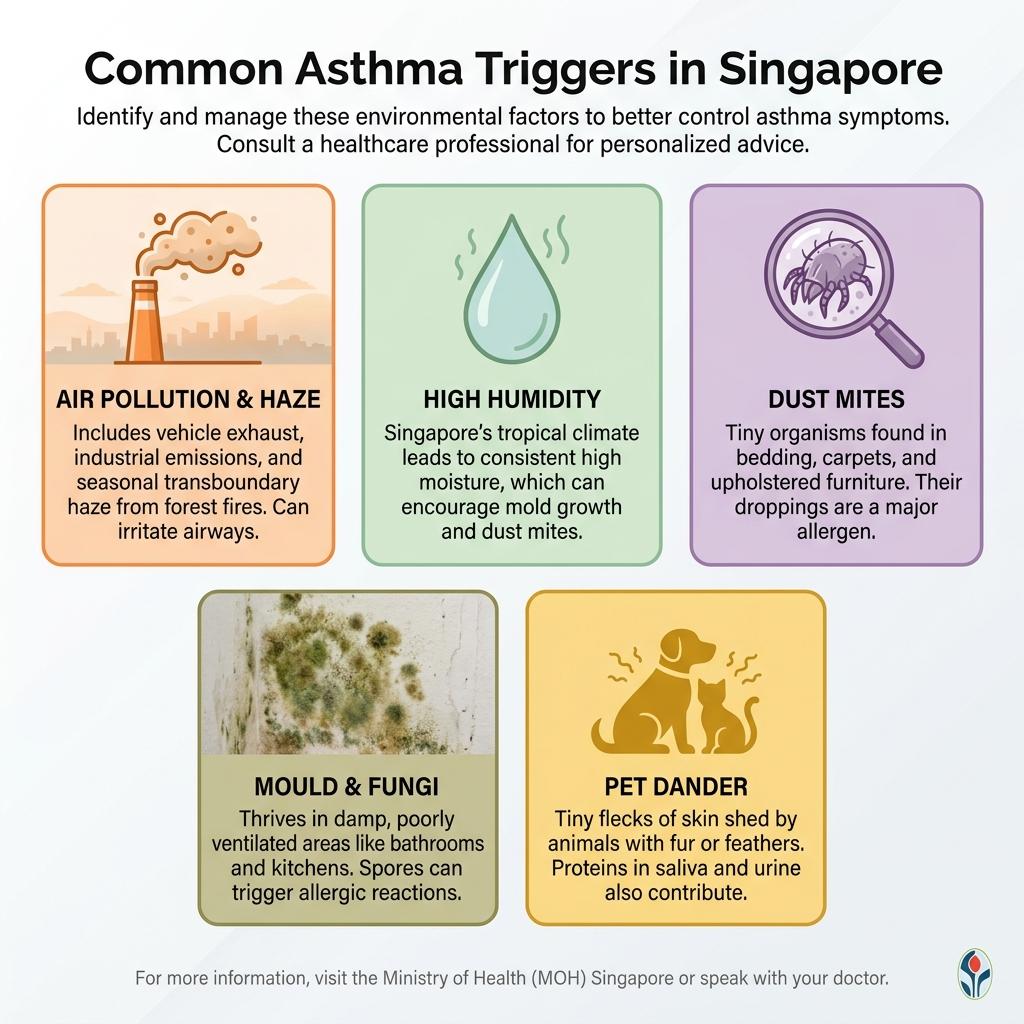
- Air Pollution: Particulate matter (PM2.5), nitrogen dioxide, and ozone from vehicle emissions and industrial activities are significant triggers. While Singapore generally maintains good air quality, transboundary haze episodes can drastically increase particulate levels, posing a serious threat to asthma sufferers. The National Environment Agency (NEA) provides daily updates on the Pollutant Standards Index (PSI) and PM2.5 concentrations, which are crucial for asthmatics to monitor.
- Humidity: Singapore’s consistently high relative humidity, often exceeding 80-90%, creates an ideal breeding ground for common allergens such as dust mites and mould.
- Dust Mites: These microscopic creatures thrive in warm, humid conditions and are a prevalent allergen in homes across Singapore, often found in bedding, carpets, and upholstered furniture.
- Mould and Fungi: High humidity also facilitates mould growth on walls, ceilings, and in bathrooms, especially in less ventilated areas, releasing spores that can trigger asthma symptoms.
- Pet Dander: Allergens from pets like cats and dogs remain a common trigger for many individuals.
- Pollen: While less dominant than in temperate climates, certain local plants and trees can release pollen that triggers allergic reactions and asthma in susceptible individuals.
- Irritants: Strong odours from cleaning products, perfumes, tobacco smoke, and even certain cooking fumes can irritate sensitive airways.
Understanding these triggers is the first critical step in developing an effective asthma management plan tailored to the Singaporean context. Identifying personal triggers through careful observation and, if necessary, allergy testing, empowers individuals to take proactive steps to minimise exposure and reduce the frequency and severity of asthma exacerbations.
The Urban Landscape: Construction Dust and Air Quality Challenges
The Impact of Construction Dust
Singapore is a vibrant, ever-evolving city, characterised by continuous construction and infrastructure development. From new HDB estates and MRT lines to commercial buildings, construction sites are a constant feature of the urban landscape. These sites are significant generators of airborne particulate matter, including fine dust, silica, and other microscopic particles. When inhaled, these particles can penetrate deep into the lungs, irritating the airways and triggering asthma symptoms in sensitive individuals. Prolonged or heavy exposure can even lead to chronic respiratory issues or worsen existing asthma.
For Singaporeans living near construction zones, or those whose daily commutes take them past such areas, managing exposure to construction dust is a critical aspect of asthma control. This often requires practical, everyday adjustments to protect respiratory health.
Monitoring Air Quality and Taking Precautions
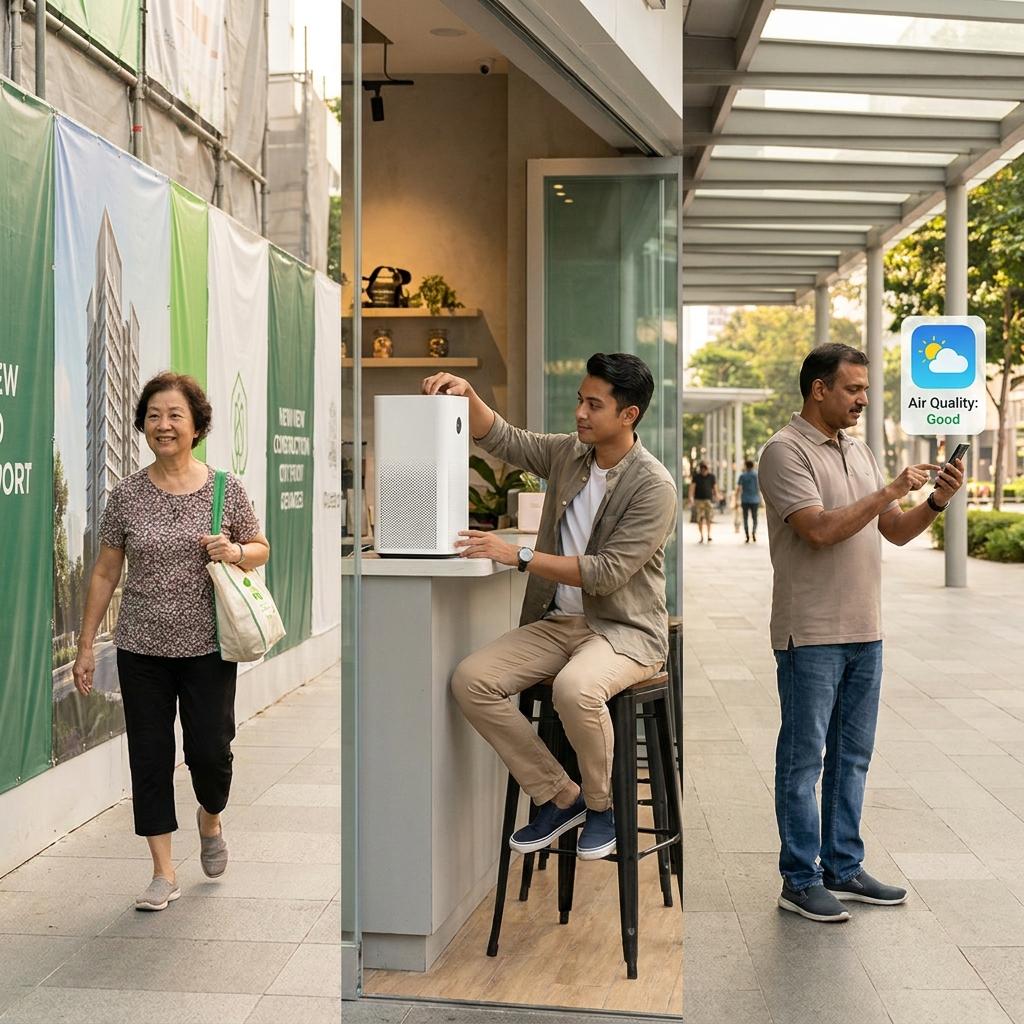
The NEA provides real-time information on air quality through the PSI and PM2.5 readings, which are particularly relevant during periods of elevated dust levels, whether from local construction or transboundary haze. Asthmatics are strongly advised to monitor these readings daily. On days when air quality is poor (e.g., PSI in the unhealthy range or high PM2.5 concentrations), it is prudent to:
- Stay Indoors: Limit outdoor activities, especially strenuous exercise.
- Close Windows and Doors: Keep indoor environments sealed to prevent outdoor dust and pollutants from entering.
- Use Air Purifiers: High-efficiency particulate air (HEPA) filter purifiers can significantly reduce indoor particulate levels.
- Wear N95 Masks: If outdoor exposure is unavoidable, wearing an N95 mask can help filter out fine particulate matter, offering a layer of protection against inhaled dust and pollutants. It is important to ensure a proper fit for effectiveness.
Indoor Air Quality Considerations
Beyond outdoor air quality, indoor air quality also plays a crucial role, particularly in HDB flats and condominiums where ventilation might be limited. Construction dust can easily infiltrate homes. Regular cleaning with a damp cloth and vacuum cleaners equipped with HEPA filters can help remove settled dust. Ensuring good ventilation after dusty activities and using air conditioning with clean filters can also mitigate indoor dust accumulation. Furthermore, avoiding indoor sources of pollution, such as smoking, burning incense, or using strong chemical cleaning agents, contributes to a healthier indoor environment for asthmatics.
The cumulative effect of urban air pollutants and localised construction dust underscores the importance of a vigilant and proactive approach to asthma management in Singapore’s dynamic city environment.
Humidity and Mould: A Tropical Challenge to Respiratory Health
How High Humidity Affects Asthma
Singapore’s equatorial climate means consistently high humidity levels throughout the year. While pleasant in some ways, this constant moisture in the air presents a significant challenge for asthma management. High humidity directly influences the proliferation of key asthma triggers, primarily dust mites and mould. Dust mites absorb moisture from the air, and high humidity allows them to multiply rapidly. Similarly, mould spores thrive in damp, warm environments, making tropical homes particularly susceptible to mould growth. Inhaling these allergens can trigger or worsen asthma symptoms, leading to chronic inflammation and increased sensitivity of the airways.
Preventing Mould Growth in Homes
Effective management of humidity and mould is crucial for asthma sufferers in Singapore. Here are actionable strategies:
- Ventilation: Ensure good air circulation throughout your home. Open windows and doors when the outdoor air quality is good, especially in bathrooms and kitchens after use. Consider installing exhaust fans in areas prone to moisture.
- Dehumidifiers: Using dehumidifiers can significantly reduce indoor humidity levels, especially in bedrooms and living areas. Aim to keep indoor humidity below 50% to deter dust mite and mould growth.
- Air Conditioning: Air conditioners not only cool but also dehumidify the air. Regular servicing and cleaning of air conditioner filters are essential to prevent mould spores from being circulated.
- Addressing Leaks and Water Damage: Promptly repair any water leaks in roofs, pipes, or windows. Thoroughly dry any areas that have experienced water damage within 24-48 hours to prevent mould from taking hold.
- Cleaning Mould: If mould appears, clean it immediately with a solution of water and detergent. For larger mould infestations, professional removal may be necessary. Wear gloves and a mask during cleaning to prevent inhalation of spores.
- Reducing Clutter: Clutter can trap moisture and dust, providing ideal conditions for mould and dust mites. Minimising clutter, especially in humid areas like storerooms or wardrobes, can help.
- Proper Clothing Storage: Ensure clothes are completely dry before storing them in wardrobes, and consider using moisture absorbers in enclosed spaces.
These measures, when consistently applied, can create a significantly healthier indoor environment, reducing exposure to humidity-driven triggers and providing relief for asthmatics.
Proactive Management Strategies for Singaporeans with Asthma
Personalised Asthma Action Plans
Every individual’s asthma is unique, and effective management hinges on a personalised asthma action plan developed in consultation with a doctor. This plan typically outlines:
- Daily Medications: Details on controller medications (e.g., inhaled corticosteroids) taken regularly to prevent symptoms and quick-relief medications (e.g., bronchodilators) for immediate relief during an asthma attack.
- Trigger Identification and Avoidance: A clear understanding of personal triggers and strategies to minimise exposure.
- Monitoring Symptoms: Guidelines on how to track asthma symptoms and peak flow readings (if applicable).
- Recognising Worsening Asthma: Instructions on identifying signs of an impending asthma attack or worsening control.
- Emergency Protocol: Clear steps to take during an asthma attack, including when to seek urgent medical attention.
Regular reviews of this plan with a healthcare professional are crucial to ensure it remains relevant and effective as environmental factors or personal health status change.
Environmental Control Measures
Beyond humidity and dust, other environmental factors require attention:
- Dust Mite Control: Wash bedding weekly in hot water (at least 55°C), use allergen-proof covers for mattresses and pillows, and consider removing carpets in favour of hard flooring.
- Pest Control: Cockroach droppings are a known asthma trigger. Regular pest control and maintaining cleanliness can help.
- No Smoking Zones: Strictly avoid smoking and exposure to second-hand smoke at home and in enclosed spaces.
- Air Purifiers: As mentioned, HEPA filter air purifiers can be highly beneficial for filtering out airborne allergens and pollutants.
Medical Interventions and Adherence
Adherence to prescribed medication is paramount for long-term asthma control. Controller medications, even when symptoms are absent, work to reduce inflammation and prevent future attacks. Regular follow-ups with a general practitioner or an allergist/respiratory specialist are essential to monitor lung function, adjust medication as needed, and address any concerns. Individuals should also be proficient in the correct use of their inhalers, as improper technique can reduce medication effectiveness. Your doctor or pharmacist can provide training and demonstrate proper inhaler usage.
It is important to understand that asthma is a treatable condition, and with consistent management, Singaporeans can lead full and active lives. Do not hesitate to consult your doctor if your symptoms worsen, if you are using your quick-relief inhaler more than twice a week, or if your asthma is interfering with your daily activities.
Conclusion: Breathing Easier in Singapore’s Urban Environment
Living with asthma in Singapore’s dynamic urban landscape, with its unique blend of construction activities and a perpetually humid climate, presents distinct challenges. However, with a proactive approach grounded in accurate information and consistent management strategies, individuals can effectively control their condition. From diligently monitoring air quality and mitigating exposure to construction dust, to meticulously managing indoor humidity and preventing mould growth, every step contributes to better respiratory health.
The cornerstone of effective asthma management remains a strong partnership with your healthcare provider. Develop and adhere to a personalised asthma action plan, ensure consistent use of prescribed medications, and make informed lifestyle adjustments tailored to Singapore’s specific environmental factors. By empowering yourself with knowledge and embracing these actionable insights, you can navigate the urban environment with greater confidence, breathe easier, and significantly improve your quality of life. Remember, if you experience persistent or worsening asthma symptoms, or if your quick-relief medication is frequently needed, it is crucial to seek immediate medical attention from your doctor. Early intervention can prevent serious exacerbations and ensure optimal asthma control.

Jeremy Lee is a seasoned digital marketing director and strategist with over two decades of experience in the industry. As the founder of Sotavento Medios, I manage a diverse portfolio of over 50 businesses, helping brands grow through advanced search strategies and digital innovation. My work focuses on bridging the gap between traditional search engine optimisation and the evolving world of AI-driven answer engines.