
Parkinson’s Disease is a progressive neurodegenerative disorder that impacts millions globally, and Singaporeans are no exception. As our population ages, understanding conditions like Parkinson’s becomes increasingly crucial for maintaining quality of life and ensuring timely medical intervention. For many in Singapore, the initial subtle changes can often be overlooked, leading to delayed diagnosis. This article aims to shed light on the early signs of Parkinson’s Disease and explore the latest evidence-based management strategies available, tailored to provide clear, actionable insights for our local context.
Understanding Parkinson’s Disease: Beyond the Tremors
Parkinson’s Disease (PD) is characterized by the degeneration of dopamine-producing neurons in a specific area of the brain known as the substantia nigra. Dopamine is a neurotransmitter vital for smooth, coordinated muscle movements. When these neurons degenerate, dopamine levels drop, leading to the motor symptoms commonly associated with PD. However, it is important to recognize that Parkinson’s is far more complex than just motor symptoms; it also encompasses a wide array of non-motor symptoms that can often precede motor signs by several years.
The Four Cardinal Motor Symptoms
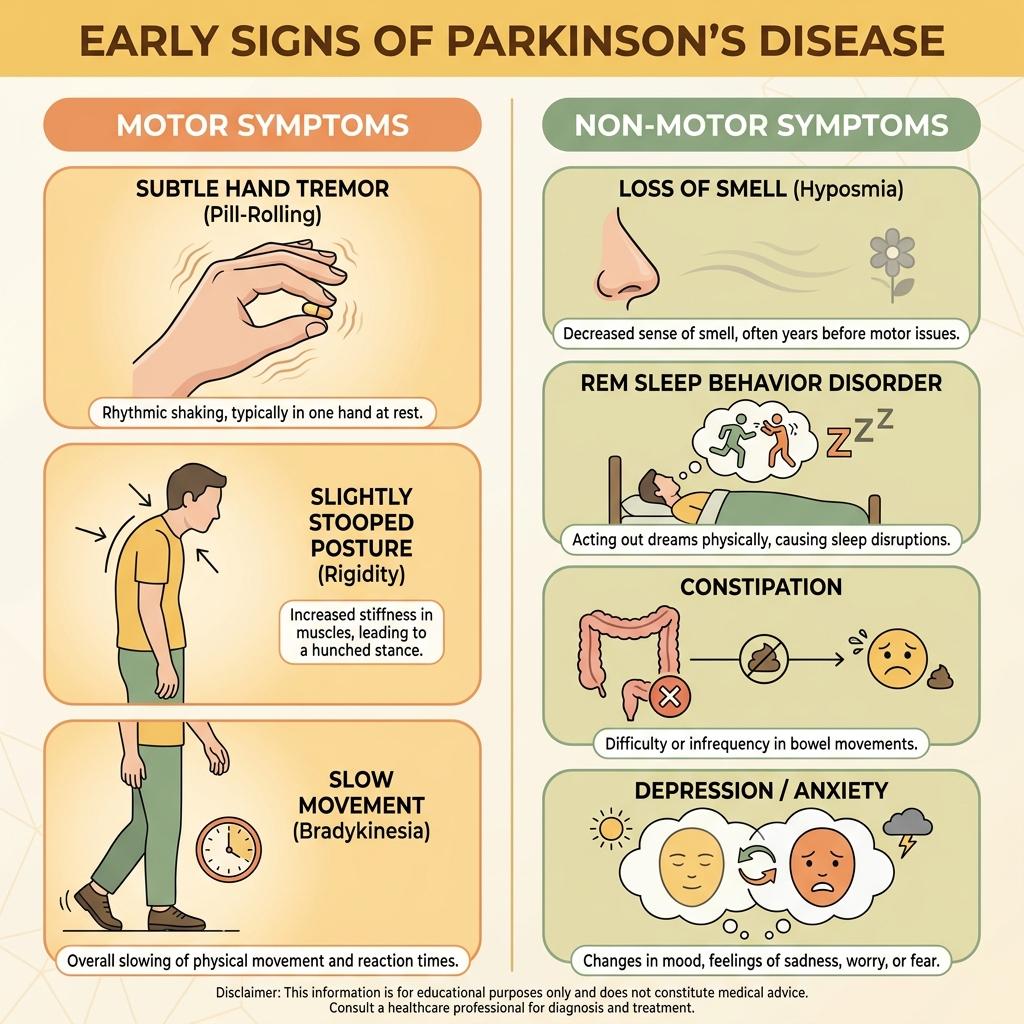
- Tremor: Often the most recognizable symptom, typically starting in a limb, particularly when at rest. This “pill-rolling” tremor can be subtle at first, affecting one side of the body.
- Bradykinesia: This refers to the slowness of movement, which is a hallmark symptom of PD. Simple tasks like buttoning a shirt, walking, or writing become progressively slower and more difficult. Individuals may experience freezing of gait, where they momentarily feel glued to the spot.
- Rigidity: Stiffness of the limbs and trunk, often described as a “cogwheel” rigidity, which can be painful and limit range of motion. This can affect daily activities like dressing or turning in bed.
- Postural Instability: Impaired balance and coordination, leading to an increased risk of falls. This often develops later in the disease progression.
Non-Motor Symptoms: Early Indicators Often Missed
Crucially, many non-motor symptoms can manifest years before any motor signs become apparent. Recognizing these can lead to earlier diagnosis and intervention, potentially improving long-term outcomes for Singaporean patients. These symptoms include:
- Loss of Smell (Anosmia): A reduced or complete inability to smell, which can be an early and subtle indicator.
- Sleep Disorders: Particularly Rapid Eye Movement (REM) sleep behavior disorder, where individuals act out their dreams physically, often violently.
- Constipation: Chronic constipation is a common gastrointestinal symptom that can precede motor symptoms.
- Depression and Anxiety: Mood disorders are highly prevalent in individuals with PD, often appearing early in the disease course.
- Fatigue: Persistent and overwhelming tiredness not relieved by rest.
- Urinary Problems: Such as urgency or frequent urination.
In Singapore, where the pace of life can be demanding, these non-motor symptoms might be attributed to stress, aging, or other common ailments, delaying the consideration of a neurological evaluation. Early awareness among both the public and healthcare professionals is key to bridging this diagnostic gap.
Diagnosing Parkinson’s Disease in Singapore
Diagnosing Parkinson’s Disease is primarily clinical, meaning it is based on a thorough neurological examination and evaluation of symptoms by a neurologist. There is currently no definitive blood test or imaging scan that can definitively diagnose PD. Instead, diagnostic criteria, such as those from the International Parkinson and Movement Disorder Society (MDS), guide clinicians. A positive response to levodopa, a medication used to treat PD, often supports the diagnosis.
The Role of Neurologists and Specialist Centres
In Singapore, individuals experiencing persistent symptoms suggestive of PD should consult a general practitioner, who can then refer them to a neurologist, preferably one specializing in movement disorders. Hospitals like the National Neuroscience Institute (NNI) play a vital role in providing specialized care, diagnostics, and multidisciplinary management for Parkinson’s patients. Early referral to such centres ensures access to advanced diagnostic expertise and comprehensive care planning.
Differential Diagnosis
It is important to differentiate PD from other conditions that can mimic its symptoms, collectively known as parkinsonism. These include essential tremor, drug-induced parkinsonism, atypical parkinsonian syndromes (such as multiple system atrophy or progressive supranuclear palsy), and vascular parkinsonism. A neurologist will carefully evaluate the symptom profile and response to medications to arrive at an accurate diagnosis.
Latest Management Strategies: A Holistic Approach
While there is currently no cure for Parkinson’s Disease, significant advancements have been made in managing its symptoms and improving quality of life. The latest strategies emphasize a holistic, multidisciplinary approach, combining pharmacological treatments with non-pharmacological therapies, and are increasingly personalized to the individual’s needs and disease stage. Singapore’s healthcare system supports this comprehensive care model, often integrating various specialists.
Pharmacological Interventions
Medication remains the cornerstone of PD management, primarily aimed at increasing dopamine levels or mimicking its effects in the brain.
- Levodopa: This is the most effective medication for controlling motor symptoms. It is converted to dopamine in the brain. Newer formulations and delivery methods are being explored to provide more stable drug levels and reduce “off” times (periods when medication effects wear off).
- Dopamine Agonists: These drugs mimic the effects of dopamine in the brain and can be used alone or in conjunction with levodopa, especially in earlier stages to delay levodopa initiation or reduce its dosage.
- MAO-B Inhibitors: These medications help prevent the breakdown of dopamine in the brain, thereby increasing its availability.
- COMT Inhibitors: These drugs extend the effect of levodopa by preventing its breakdown.
- Amantadine: Can be used to reduce dyskinesia, involuntary movements that can occur as a side effect of levodopa therapy over time.
The optimal medication regimen is highly individualized and requires careful titration by a neurologist, considering factors such as age, symptom severity, side effects, and progression of the disease. Regular follow-ups with a neurologist are crucial to adjust medications as needed.
Non-Pharmacological Therapies: Empowering Patients
Complementing medication, non-pharmacological therapies are integral to managing symptoms, improving daily function, and enhancing overall well-being. These therapies are readily accessible in Singapore through public and private healthcare providers, as well as community support groups.
- Physiotherapy: Essential for improving balance, gait, flexibility, and strength. Therapists in Singapore often provide exercises tailored to prevent falls, improve posture, and maintain mobility.
- Occupational Therapy: Helps individuals adapt to daily living challenges. Occupational therapists can recommend assistive devices, modifications to the home environment, and strategies to make tasks like eating, dressing, and hygiene easier.
- Speech Therapy: Addresses speech difficulties (dysarthria) and swallowing problems (dysphagia), common in PD. Speech therapists can teach techniques to improve vocal volume, clarity, and safe swallowing.
- Dietary Advice: A balanced diet is important for overall health. For PD patients, managing constipation, a common non-motor symptom, is crucial and often involves a high-fiber diet and adequate hydration. Consulting a dietitian for personalized advice is beneficial.
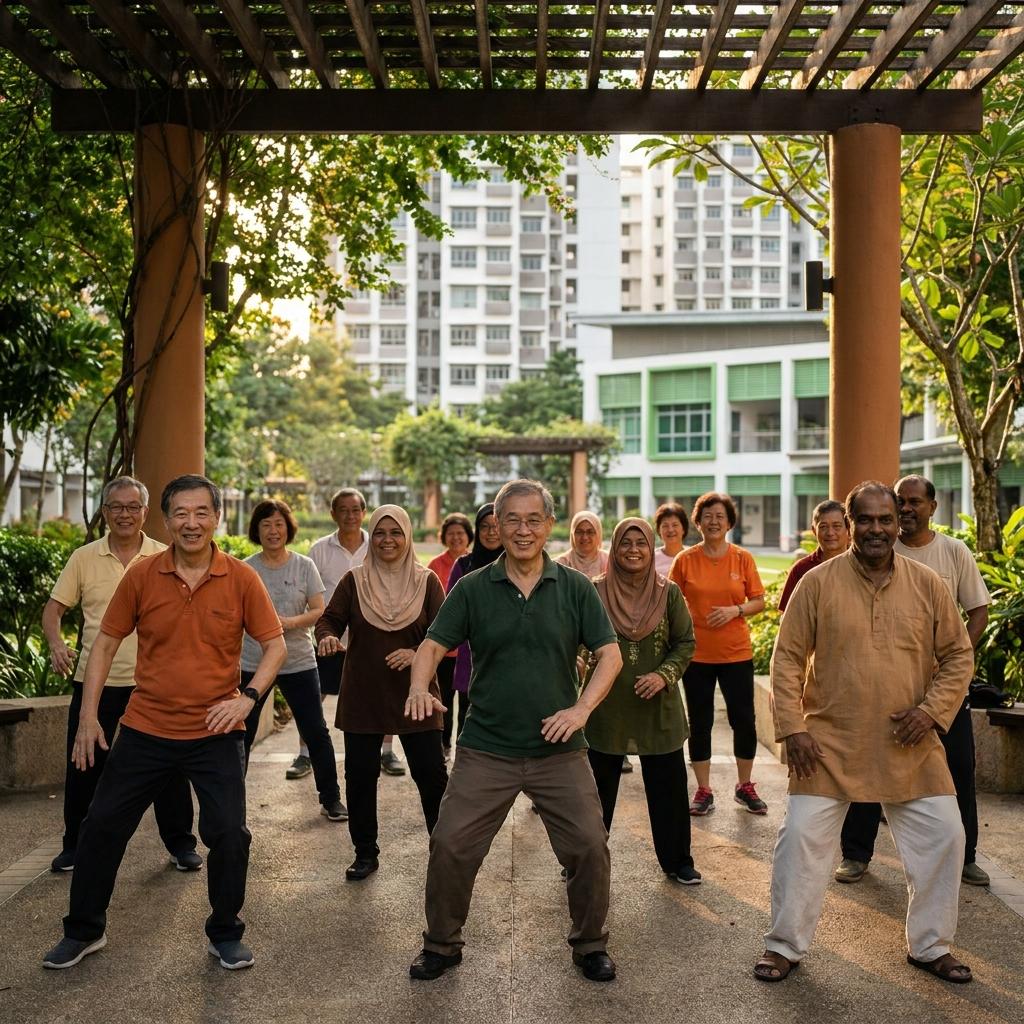
- Exercise: Regular physical activity, including aerobic exercise, strength training, and balance exercises, is strongly recommended. Activities like Tai Chi, brisk walking in local parks, swimming at community pools, and specific dance programs have shown benefits in improving motor symptoms and mood. Local community centers and senior activity centers often offer suitable programs.
- Mental Health Support: Counseling and psychological support are vital for managing depression, anxiety, and other mood disorders. Support groups, such as those organized by the Parkinson Society Singapore, provide a platform for patients and caregivers to share experiences and receive emotional support.
Advanced Therapies for Later Stages
For individuals with advanced Parkinson’s Disease whose symptoms are no longer adequately controlled by oral medications, advanced therapies may be considered:
- Deep Brain Stimulation (DBS): A surgical procedure where electrodes are implanted into specific brain areas, connected to a neurostimulator (similar to a pacemaker) placed under the skin in the chest. DBS delivers electrical impulses to regulate abnormal brain activity and can significantly reduce motor symptoms like tremor, rigidity, and bradykinesia. DBS is available in Singapore at major hospitals with specialized neurosurgery departments.
- Levodopa-Carbidopa Intestinal Gel (LCIG): This involves a gel formulation of levodopa and carbidopa delivered continuously into the small intestine via a pump. It provides more stable drug levels, reducing motor fluctuations and “off” times.
- Apomorphine Injections/Infusion: A dopamine agonist that can be administered as an intermittent injection for rapid relief of “off” periods or as a continuous subcutaneous infusion for more stable symptom control.
These advanced therapies are evaluated on a case-by-case basis by a multidisciplinary team of neurologists, neurosurgeons, and other specialists, considering the patient’s overall health, symptoms, and suitability for the procedure.
Living with Parkinson’s Disease in Singapore: Practical Advice
Navigating life with Parkinson’s Disease requires adaptation and a proactive approach. In Singapore, several practical considerations can help patients and their caregivers manage the condition effectively.
- Home Modifications: Simple changes at home, such as removing tripping hazards, installing grab bars in bathrooms, and ensuring adequate lighting, can greatly enhance safety and independence.
- Transportation: Utilizing public transport with accessible features or ride-hailing services can help maintain mobility for those who find driving challenging.
- Caregiver Support: Caregivers play a crucial role in managing PD. Access to respite care, counseling, and support groups for caregivers is essential to prevent burnout. Organizations like the Agency for Integrated Care (AIC) in Singapore provide resources and support for caregivers.
- Financial Assistance: Patients may be eligible for financial schemes and subsidies for medication, therapy, and assistive devices through various government and community programs. It is advisable to explore these options with healthcare social workers.
- Community Engagement: Staying socially active and participating in community activities can combat isolation and improve mental well-being. Many community centres in Singapore offer programs suitable for seniors and individuals with chronic conditions.
Conclusion: Empowering Through Knowledge and Proactive Care
Parkinson’s Disease is a challenging condition, but with increased awareness of early signs and access to modern management strategies, individuals in Singapore can significantly improve their quality of life. Recognizing non-motor symptoms like loss of smell, sleep disturbances, or persistent constipation as potential early indicators is paramount. If you or a loved one in Singapore experience any combination of these early signs, especially coupled with subtle motor changes like a persistent tremor or slowness of movement, it is crucial to seek prompt medical attention. Consulting a general practitioner for an initial assessment and a potential referral to a neurologist specializing in movement disorders is the recommended first step. Early diagnosis allows for timely initiation of appropriate pharmacological and non-pharmacological therapies, which are continuously evolving to offer better symptom control and support. Remember, a holistic approach that integrates medication, various therapies, and strong social support is key to effectively managing Parkinson’s Disease and living a fulfilling life.

Jeremy Lee is a seasoned digital marketing director and strategist with over two decades of experience in the industry. As the founder of Sotavento Medios, I manage a diverse portfolio of over 50 businesses, helping brands grow through advanced search strategies and digital innovation. My work focuses on bridging the gap between traditional search engine optimisation and the evolving world of AI-driven answer engines.