
Colorectal cancer, often referred to as bowel cancer, stands as one of the most common cancers affecting Singaporeans, impacting both men and women across various age groups. While the statistics can be sobering, there is a powerful message of hope and empowerment: early detection significantly improves survival rates. This article aims to provide a comprehensive and trustworthy guide to colorectal cancer screening, focusing on two pivotal methods readily available in Singapore: the Fecal Immunochemical Test (FIT) kit and the colonoscopy. Understanding why and when to utilise these essential screening tools is paramount for safeguarding your health and that of your loved ones in our vibrant city-state.
Understanding Colorectal Cancer and Its Prevalence in Singapore
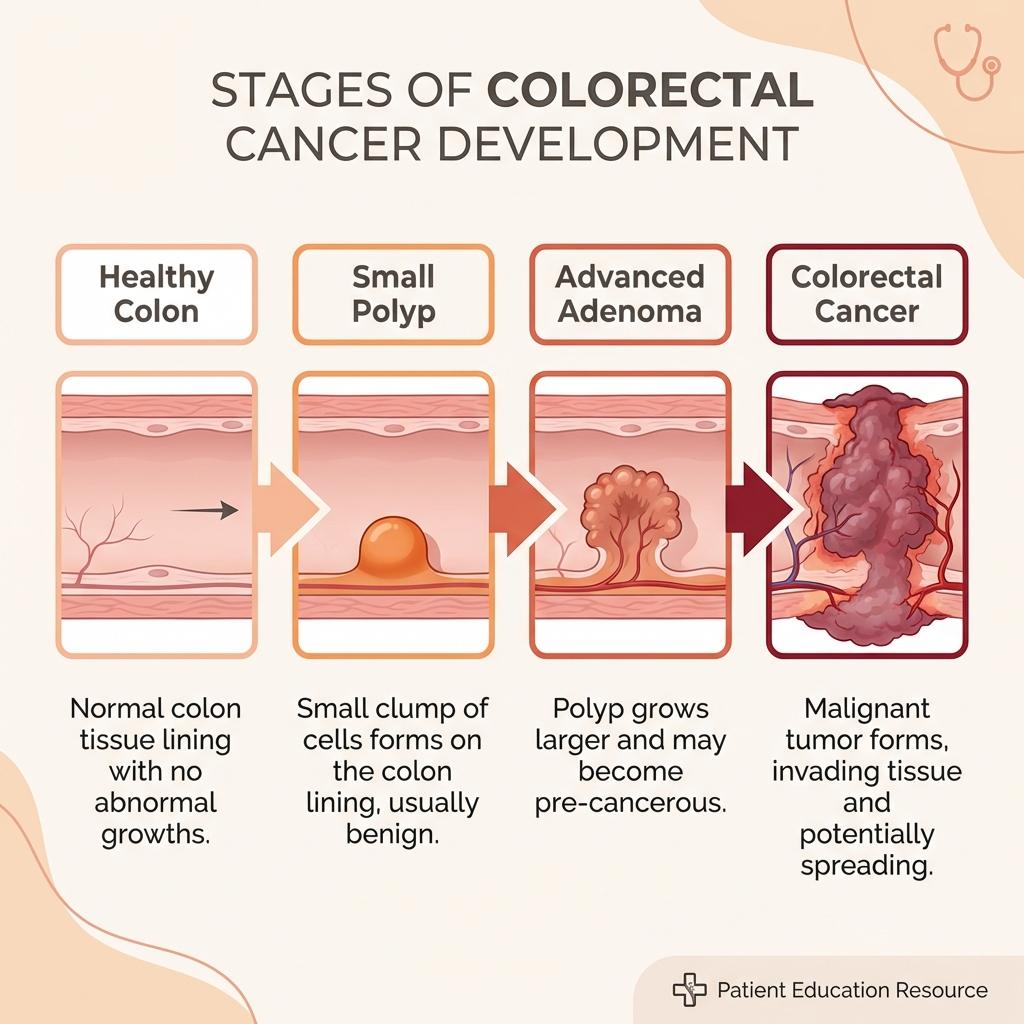
Colorectal cancer (CRC) originates in the colon or rectum, which are parts of the large intestine. It typically begins as small, non-cancerous growths called polyps. Over time, some of these polyps, particularly adenomatous polyps, can undergo changes and become cancerous, developing into adenocarcinoma. The progression from a benign polyp to an invasive cancer is often slow, taking many years, which presents a crucial window of opportunity for screening and prevention.
In Singapore, colorectal cancer consistently ranks among the top cancers for both men and women. The incidence has been on the rise, underscoring the importance of public awareness and proactive screening initiatives. While specific figures fluctuate, the trend highlights a significant public health challenge that demands attention. Several factors contribute to this prevalence, many of which are relevant to the modern Singaporean lifestyle. Key risk factors include advancing age (the risk increases significantly after age 50), a family history of colorectal cancer or polyps, certain inherited genetic syndromes, inflammatory bowel diseases like Crohn’s disease or ulcerative colitis, a diet high in red and processed meats and low in fiber, obesity, physical inactivity, smoking, and excessive alcohol consumption. Understanding these risks is the first step toward preventive action.
Early detection is the cornerstone of effective colorectal cancer management. When detected at an early stage, before it has spread, the five-year survival rate for colorectal cancer is substantially higher. This is precisely why screening methods like the FIT kit and colonoscopy are not merely diagnostic tools but life-saving interventions.
The Role of Screening: Early Detection Saves Lives
The primary goal of cancer screening is to detect cancer or precancerous conditions in individuals who do not yet have symptoms. For colorectal cancer, this means identifying polyps before they turn cancerous or finding cancer at its earliest, most treatable stages. Unlike many other cancers, colorectal cancer offers a unique advantage for screening: the ability to detect and remove pre-cancerous polyps, effectively preventing the cancer from ever developing. This makes colorectal cancer screening one of the most effective tools in cancer prevention.
Regular screening can significantly reduce the risk of dying from colorectal cancer. By catching abnormalities early, healthcare professionals can intervene promptly, often leading to less invasive treatments and better long-term outcomes. In Singapore, a multi-pronged approach to screening is encouraged, integrating different methods based on individual risk profiles and preferences.
The Fecal Immunochemical Test (FIT) Kit: A Convenient First Step
What is the FIT Kit?
The Fecal Immunochemical Test (FIT) kit is a simple, non-invasive screening tool designed to detect microscopic amounts of blood in the stool, which can be an indicator of polyps or cancer in the colon or rectum. Unlike older stool tests, the FIT kit specifically detects human haemoglobin, making it more accurate and less prone to false positives from dietary sources. It does not require any dietary or medication restrictions, making it particularly convenient for individuals.
Advantages and Limitations
The FIT kit offers several notable advantages, particularly for a broad population screening program like Singapore’s. Firstly, it is incredibly convenient and can be performed in the privacy of one’s home, eliminating the need for extensive preparation or a visit to a clinic for the test itself. Individuals simply collect a small stool sample and send it to a laboratory for analysis. Secondly, it is cost-effective, making it an accessible option for widespread screening. Thirdly, it is non-invasive, which often increases participation rates among those who may be hesitant about more intrusive procedures. In Singapore, the FIT kit is widely available through polyclinics and general practitioner (GP) clinics, often as part of national screening recommendations for average-risk individuals.
However, it is important to understand the limitations of the FIT kit. While effective at detecting blood, it does not detect all polyps or cancers. Some polyps or cancers may not bleed, or may bleed intermittently. Therefore, a negative FIT result does not guarantee the absence of polyps or cancer, although it significantly lowers the probability. Crucially, a positive FIT result does not confirm cancer; it merely indicates the presence of blood and necessitates further investigation, typically with a colonoscopy, to determine the source of the bleeding.
Who is the FIT Kit For?
In Singapore, the FIT kit is generally recommended for average-risk individuals aged 50 years and above, to be performed regularly, often annually or biennially. It serves as an excellent initial screening tool for those without symptoms and no personal or strong family history of colorectal cancer or advanced polyps. For individuals outside this age range or with higher risk factors, a discussion with a doctor is essential to determine the most appropriate screening pathway.

Colonoscopy: The Gold Standard for Diagnosis and Prevention
What is a Colonoscopy?
A colonoscopy is an endoscopic procedure that allows a gastroenterologist to directly visualize the entire length of the colon and rectum. During the procedure, a long, flexible tube with a camera at its tip (colonoscope) is gently inserted through the rectum and advanced through the large intestine. This allows the doctor to meticulously examine the lining for any abnormalities, such as polyps, inflammation, or cancerous growths. If polyps are found, they can often be removed immediately during the same procedure using specialized instruments passed through the scope. Tissue samples (biopsies) can also be taken for further laboratory analysis.
Advantages and Recommendations
Colonoscopy is widely regarded as the “gold standard” for colorectal cancer screening due to its unparalleled accuracy and dual diagnostic and therapeutic capabilities. Its primary advantage is the ability to directly visualize the colon and remove pre-cancerous polyps before they have a chance to develop into cancer. This makes it a powerful preventive tool, not just a detection method. It is highly effective in detecting early-stage cancers and other abnormalities that might be missed by less comprehensive screening tests.
A colonoscopy is typically recommended in several scenarios:
- As a follow-up to a positive FIT result: This is the most common reason for an average-risk individual to undergo a colonoscopy.
- For individuals experiencing symptoms: These may include changes in bowel habits (diarrhea, constipation, narrow stools lasting more than a few days), rectal bleeding, blood in the stool, persistent abdominal discomfort (cramps, gas, pain), unexplained weight loss, or persistent fatigue.
- For individuals with higher risk factors: This includes a strong family history of colorectal cancer or advanced polyps, a personal history of inflammatory bowel disease, or certain genetic syndromes. In such cases, screening may start earlier and be more frequent.
- For routine screening in average-risk individuals: Depending on national guidelines and individual physician advice, some individuals may opt for colonoscopy as their primary screening method, typically starting at age 50 or earlier if deemed necessary.
Preparation and Considerations
The preparation for a colonoscopy is crucial for its effectiveness. It involves a strict bowel cleansing regimen, usually consuming a special liquid diet and laxatives to ensure the colon is completely clear of stool. This allows for optimal visualization of the colon lining. While the preparation can be challenging, it is absolutely essential for an accurate examination. The procedure itself is typically performed under sedation, ensuring patient comfort. While generally safe, like any medical procedure, colonoscopy carries minor risks such as perforation of the colon or bleeding, though these are rare.
Navigating Screening in Singapore: What to Do
For Singaporeans, navigating colorectal cancer screening involves understanding personal risk and engaging with the healthcare system. The Health Promotion Board (HPB) in Singapore recommends that average-risk individuals aged 50 and above undergo regular colorectal cancer screening. The FIT kit is often the first line of defense, given its ease of use and accessibility. You can obtain a FIT kit from most polyclinics and GP clinics across Singapore. If your FIT result is positive, it is imperative to follow up with your doctor who will likely recommend a colonoscopy to investigate further.
Even if you are below 50, or if you have a negative FIT result but experience persistent symptoms (e.g., changes in bowel habits, blood in stool, unexplained abdominal pain, or weight loss), do not delay seeking medical attention. These symptoms warrant a consultation with your GP, who can assess your situation and refer you to a specialist if needed. Similarly, if you have a family history of colorectal cancer, discuss this with your doctor, as you may need to begin screening earlier or undergo different screening modalities.
The Singaporean healthcare system provides comprehensive support for cancer screening and treatment. Regular health check-ups, open communication with your general practitioner, and adherence to screening guidelines are vital components of proactive health management. Early engagement can lead to timely diagnosis and significantly better outcomes.
Conclusion: Empowering Yourself Through Screening
Colorectal cancer screening is not just a medical recommendation; it is a profound act of self-care and a commitment to a healthier future. In Singapore, with the prevalence of colorectal cancer, understanding and utilising available screening methods like the FIT kit and colonoscopy is more critical than ever. The FIT kit offers a convenient and accessible initial step for average-risk individuals, while colonoscopy stands as the definitive method for diagnosis, polyp removal, and comprehensive prevention.
Remember, colorectal cancer is highly treatable when detected early. Do not wait for symptoms to appear; by then, the disease may have progressed. Empower yourself with knowledge, take action by participating in recommended screening programs, and maintain an open dialogue with your healthcare provider. Your proactive approach to screening can make a life-changing difference, ensuring you continue to enjoy the vibrant life Singapore has to offer. Consult your doctor to determine the most appropriate screening schedule for your individual needs and risk profile.

Jeremy Lee is a seasoned digital marketing director and strategist with over two decades of experience in the industry. As the founder of Sotavento Medios, I manage a diverse portfolio of over 50 businesses, helping brands grow through advanced search strategies and digital innovation. My work focuses on bridging the gap between traditional search engine optimisation and the evolving world of AI-driven answer engines.