
Authored by Jeremy Lee
Managing IBS in a High-Stress City: Identifying Triggers and Treatments
In the vibrant, fast-paced metropolis of Singapore, where the demands of work and life often intersect with a rich culinary scene, managing one’s health can present unique challenges. For the estimated 10-15% of the global population, including many Singaporeans, who live with Irritable Bowel Syndrome (IBS), these challenges are often compounded by stress. IBS is a common, chronic gastrointestinal disorder characterized by abdominal pain, cramping, bloating, gas, and changes in bowel habits, such as diarrhea, constipation, or both. It is not a life-threatening condition, nor does it lead to more serious diseases like inflammatory bowel disease or colorectal cancer. However, its persistent and often unpredictable symptoms can significantly impact daily life, productivity, and overall well-being, especially in a high-pressure environment like Singapore.
This comprehensive guide, tailored for Singaporeans aged 25-65, aims to provide accurate, trustworthy, and evidence-based information on identifying the triggers of IBS and exploring effective management strategies. We will delve into understanding the condition itself, recognizing how the unique stressors of city living can exacerbate symptoms, and outlining practical, actionable insights to help individuals regain control over their digestive health. Our goal is to empower you with the knowledge to navigate IBS in Singapore, from understanding dietary nuances at hawker centres to integrating stress-reducing practices into a busy urban schedule.
Understanding Irritable Bowel Syndrome (IBS)
What is IBS?
Irritable Bowel Syndrome, or IBS, is classified as a disorder of gut-brain interaction. This means there is a dysfunction in the way the brain and gut communicate, leading to altered gut motility (how muscles move food through the digestive tract) and heightened pain sensitivity in the intestines, a phenomenon known as visceral hypersensitivity. Unlike other gastrointestinal conditions, IBS does not cause inflammation or damage to the bowel tissue itself. Instead, it is a functional disorder, meaning the gut appears normal structurally, but it does not function as it should. The exact cause of IBS remains unknown, but it is believed to involve a combination of factors, including genetic predisposition, gut microbiota imbalances (the community of microorganisms living in the digestive tract), previous gut infections, and psychological factors like stress, anxiety, and depression.
Common Symptoms and Subtypes
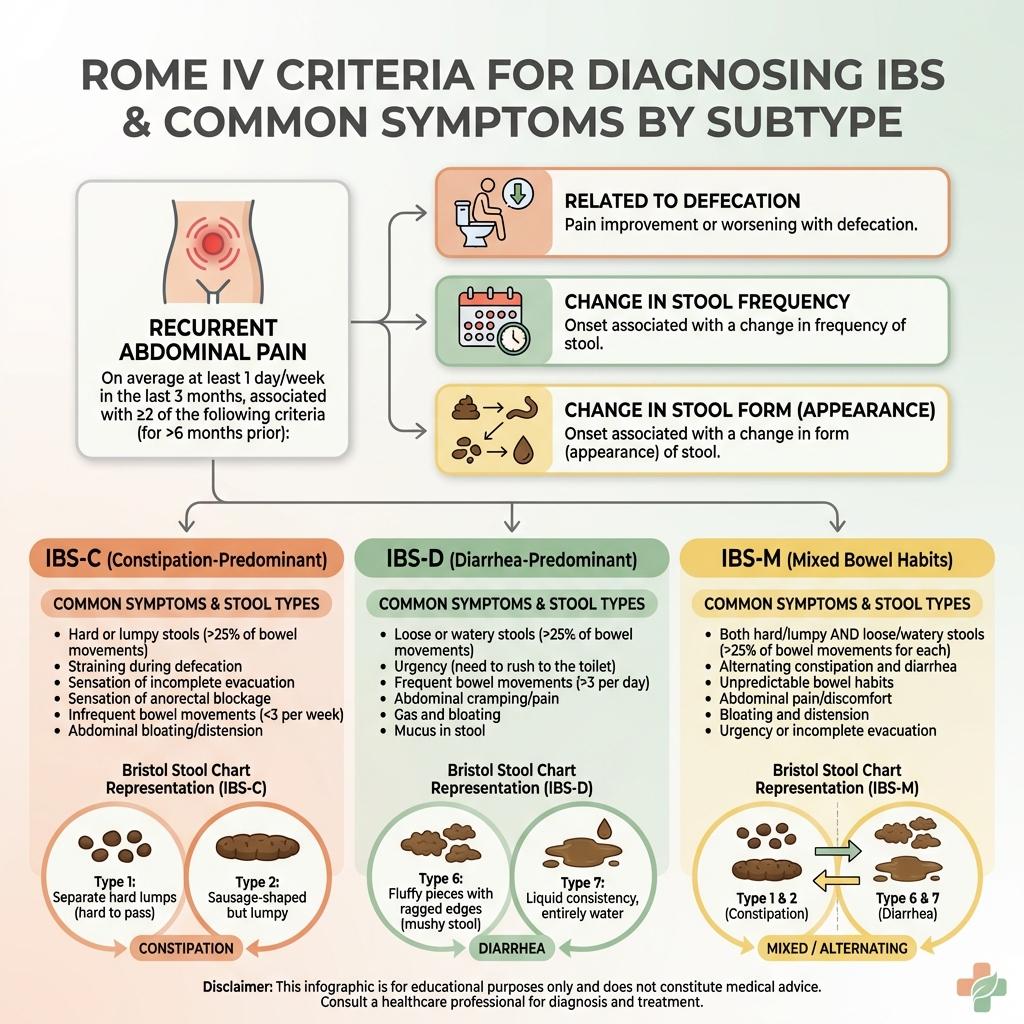
The symptoms of IBS vary widely among individuals, both in type and severity. The most common symptoms include recurrent abdominal pain, often relieved by defecation, and changes in bowel habits. These changes can manifest as:
- IBS with Constipation (IBS-C): Characterized by hard or lumpy stools, infrequent bowel movements, and straining during defecation.
- IBS with Diarrhea (IBS-D): Marked by loose or watery stools, frequent bowel movements, and urgency.
- IBS with Mixed Bowel Habits (IBS-M): Involves alternating episodes of both constipation and diarrhea.
Other accompanying symptoms frequently reported include bloating, excessive gas, abdominal distension, and a feeling of incomplete bowel evacuation. These symptoms often wax and wane, sometimes disappearing for periods and then flaring up, making the condition unpredictable and challenging to manage.
Diagnosing IBS: The Rome IV Criteria
Diagnosing IBS involves a careful review of symptoms and ruling out other conditions that might mimic IBS. There is no specific diagnostic test for IBS. Instead, healthcare professionals use a set of symptom-based criteria, most commonly the Rome IV criteria. These criteria require recurrent abdominal pain, on average, at least one day per week in the last three months, associated with two or more of the following:
- Related to defecation.
- Associated with a change in frequency of stool.
- Associated with a change in form (appearance) of stool.
The symptoms must have started at least six months prior to diagnosis. A doctor, often starting with a General Practitioner (GP) in Singapore, will conduct a thorough medical history, physical examination, and may order tests such as blood tests, stool tests, and sometimes colonoscopy, especially for individuals over 50 or those presenting with “alarm symptoms” like unexplained weight loss, rectal bleeding, iron deficiency anemia, or a family history of colon cancer, to exclude other gastrointestinal diseases.
Identifying IBS Triggers in a High-Stress Environment like Singapore
Living in a bustling city like Singapore, with its unique blend of cultural influences, intense work culture, and diverse culinary landscape, presents a distinct set of potential IBS triggers. Understanding these specific triggers is paramount for effective management.
Dietary Triggers: The Role of Food
Food is a primary trigger for many individuals with IBS. Certain foods or food components can exacerbate symptoms, leading to pain, bloating, and altered bowel habits. In Singapore, where food is a central part of the culture, identifying these triggers can be particularly challenging. Common dietary culprits include:
- High-FODMAP Foods: FODMAP stands for Fermentable Oligosaccharides, Disaccharides, Monosaccharides, and Polyols. These are short-chain carbohydrates that are poorly absorbed in the small intestine and can ferment in the colon, drawing water and producing gas. Many staple Singaporean ingredients and dishes contain high FODMAPs. For instance, garlic and onion, ubiquitous in many local dishes, are high in fructans. Lactose (in dairy) is common, as are certain fruits (e.g., mango, watermelon) and wheat-based products.
- Fatty and Fried Foods: Often found in local delicacies like char kway teow or fried hokkien mee, high-fat foods can slow down digestion or stimulate gut contractions, leading to discomfort.
- Spicy Foods: While a beloved aspect of Singaporean cuisine, capsaicin in chili can irritate the digestive tract in sensitive individuals.
- Caffeine and Alcohol: Common stimulants in a city that thrives on productivity and socialising, both can act as gut irritants and alter bowel motility.
- Artificial Sweeteners: Polyols like sorbitol and mannitol, often found in sugar-free products, can also trigger IBS symptoms.
Keeping a detailed food diary can be an invaluable tool for Singaporeans to identify their specific dietary triggers amidst the rich tapestry of local food options. This involves noting down all food and drinks consumed, along with any symptoms experienced, to establish patterns.
The Impact of Stress: Singapore’s Pace of Life
Stress is undeniably one of the most significant non-dietary triggers for IBS symptoms, and Singapore’s high-pressure environment can be a major contributing factor. The city’s demanding work culture, coupled with the constant striving for excellence and efficiency, can lead to chronic stress, anxiety, and even sleep deprivation. The gut and brain are intricately linked through the gut-brain axis, a bidirectional communication system. When we experience stress, our brain sends signals to the gut, which can alter gut motility, increase visceral hypersensitivity, and even change the composition of the gut microbiota. This explains why periods of high stress, such as during major project deadlines, examinations, or significant life changes, often correlate with an exacerbation of IBS symptoms.
The relentless pace of life, the emphasis on academic and professional achievement, and the societal expectations in Singapore can create a fertile ground for stress-induced IBS flare-ups. Recognizing the signs of stress and its direct impact on gut health is the first step toward effective management.
Lifestyle Factors and Environmental Influences
Beyond diet and stress, several other lifestyle and environmental factors can play a role in triggering or worsening IBS symptoms:
- Sleep Deprivation: Insufficient or poor-quality sleep, a common issue for many busy Singaporeans, can disrupt the body’s natural rhythms, including digestive function, and amplify pain perception.
- Lack of Physical Activity: While a common recommendation, regular moderate exercise can help regulate bowel movements and reduce stress. A sedentary lifestyle, often associated with office jobs prevalent in Singapore, can contribute to constipation-predominant IBS.
- Irregular Eating Habits: Skipping meals, eating quickly on the go, or consuming large meals late at night, common practices in a busy city, can strain the digestive system.
- Travel and Changes in Routine: Frequent business travel or changes in daily routine, which are part of a global city lifestyle, can disrupt the gut’s delicate balance and lead to symptom flares.
- Medications: Certain medications, including antibiotics, iron supplements, and some antidepressants, can affect gut function and potentially trigger or worsen IBS symptoms in susceptible individuals.
Understanding these multifaceted triggers allows for a more holistic approach to managing IBS, moving beyond just dietary restrictions to encompass broader lifestyle adjustments.
Evidence-Based Treatments and Management Strategies
Managing IBS effectively requires a multi-pronged approach, often combining medical treatments, dietary modifications, and lifestyle adjustments. The goal is to alleviate symptoms, improve quality of life, and empower individuals to live comfortably.
Pharmacological Interventions
For many IBS sufferers, lifestyle and dietary changes alone may not be sufficient, and pharmacological interventions (medications) become necessary. These treatments are typically prescribed by a doctor based on the predominant symptoms:
- Antispasmodics: Medications like mebeverine or hyoscine are often used to relieve abdominal cramps and pain by relaxing the muscles of the gut.
- Laxatives: For IBS-C, osmotic laxatives such as polyethylene glycol (PEG) or linaclotide (a guanylate cyclase-C agonist) can help soften stools and increase bowel movement frequency.
- Anti-diarrheal medications: For IBS-D, loperamide can help reduce the frequency of loose stools. Rifaximin, a non-systemic antibiotic, may also be used in some cases to reduce bacterial overgrowth in the small intestine.
- Tricyclic Antidepressants (TCAs) or Selective Serotonin Reuptake Inhibitors (SSRIs): While primarily used for depression and anxiety, these medications, particularly TCAs at lower doses, can help reduce visceral hypersensitivity and pain perception in the gut by influencing neurotransmitters involved in gut-brain communication.
- Eluxadoline: A mu-opioid receptor agonist and delta-opioid receptor antagonist, approved for IBS-D, which reduces abdominal pain and improves stool consistency.
It is crucial to consult with a GP or gastroenterologist in Singapore to determine the most appropriate medication and dosage, as self-medication can be risky.
Dietary Approaches: Low-FODMAP Diet and Beyond
Dietary management is a cornerstone of IBS treatment. The Low-FODMAP diet is one of the most well-researched and effective dietary interventions for many IBS patients.
- The Low-FODMAP Diet: Developed by Monash University, this diet involves three phases: an elimination phase (typically 2-6 weeks) where all high-FODMAP foods are strictly avoided; a reintroduction phase where FODMAP groups are systematically reintroduced to identify specific triggers; and a personalization phase where individuals maintain a tailored diet avoiding only their identified triggers. While effective, it is complex and best undertaken with guidance from a registered dietitian, especially in Singapore, to ensure nutritional adequacy and to navigate local food options.
- Fiber Supplementation: For IBS-C, increasing soluble fiber intake (e.g., psyllium husk) can help improve stool consistency. Insoluble fiber (found in whole grains) can sometimes worsen symptoms in some individuals.
- Regular Meal Patterns: Eating at consistent times and avoiding large, heavy meals can help regulate digestion.
- Hydration: Adequate water intake is essential for digestive health, particularly for those with constipation.
Mind-Body Therapies: Managing Stress Effectively
Given the strong link between stress and IBS, mind-body therapies are crucial for long-term management.
- Stress Management Techniques: Incorporating practices such as mindfulness meditation, deep breathing exercises, and progressive muscle relaxation can help calm the nervous system and reduce the gut’s reaction to stress. Many apps and local wellness centres in Singapore offer these resources.
- Cognitive Behavioral Therapy (CBT): A type of psychotherapy that helps individuals identify and change negative thought patterns and behaviors related to their IBS. It has shown significant efficacy in improving symptoms and quality of life.
- Hypnotherapy: Gut-directed hypnotherapy involves guided relaxation and suggestions focused on controlling gut function. It can be highly effective for reducing abdominal pain and improving bowel habits.
- Regular Physical Activity: Engaging in moderate exercise, such as walking, swimming, or yoga, can reduce stress, improve gut motility, and enhance overall well-being. Finding time for such activities in Singapore’s urban setting is vital.
Probiotics and Other Supplements
The role of probiotics, live microorganisms intended to provide health benefits when consumed, is an area of ongoing research for IBS. Certain strains of probiotics, such as Bifidobacterium infantis or specific combinations, have shown promise in alleviating symptoms like bloating and abdominal pain for some individuals. However, not all probiotics are effective, and it is important to choose strains with evidence supporting their use in IBS. Always consult with a healthcare professional before starting any supplement regimen to ensure it is appropriate and safe for your specific condition.
Peppermint oil capsules, which have antispasmodic properties, can also provide relief from abdominal pain and bloating for some IBS sufferers. These are typically enteric-coated to ensure they dissolve in the intestines rather than the stomach.
Practical Management Examples for Singaporeans
Integrating IBS management into the daily rhythm of life in Singapore requires practical, localized strategies.
Navigating Food Choices in Singapore’s Hawker Centres
Singapore’s hawker culture, a UNESCO-recognized heritage, offers an incredible array of delicious food, but it can be a minefield for IBS sufferers. Here are some tips:
- Be Mindful of Ingredients: Dishes rich in garlic, onion, and chili are common. Opt for simpler, less processed options where ingredients are more visible. For example, plain steamed fish, clear soups without excessive garlic/onion, or plain rice.
- Ask for Modifications: Don’t be afraid to politely request “no garlic,” “less chili,” or “no onion” if you know these are your triggers. While not always possible, many hawkers are accommodating.
- Choose Wisely: Laksa, char kway teow, and rich curries can be high in fat and FODMAPs. Consider safer choices like chicken rice (with less oil/sauce), congee, or mee soto (if you can manage the spices).
- Pack Snacks: If you’re unsure about available food options, bring your own low-FODMAP snacks to prevent hunger-induced poor choices.
Integrating Stress Reduction into a Hectic Schedule
Finding moments of calm in Singapore’s demanding lifestyle is essential:
- Mindful Commuting: Instead of endlessly scrolling on your phone, use your MRT or bus journey to practice deep breathing or listen to a guided meditation.
- Short Breaks: Step away from your desk for 5-10 minutes. A quick walk in a nearby park, like the numerous community parks in HDB estates, can significantly reduce stress.
- Prioritize Sleep: Establish a consistent sleep schedule, even on weekends. Create a relaxing bedtime routine to wind down from the day’s stresses.
- Engage in Hobbies: Dedicate time to activities you enjoy, whether it’s gardening, reading, or joining a local sports club. This provides a much-needed mental break.
Building a Support System and Seeking Professional Help
Living with a chronic condition like IBS can be isolating, but building a support system and knowing when to seek professional help are crucial.
- Communicate with Loved Ones: Explain your condition to family and friends so they can understand and support your dietary choices and lifestyle needs.
- Join Support Groups: While formal IBS support groups might be limited in Singapore, online communities can offer valuable peer support and shared experiences.
- Regular Medical Consultations: Maintain regular follow-ups with your GP or gastroenterologist. In Singapore, you can typically get a referral to a specialist if needed. Do not hesitate to seek medical attention if symptoms worsen, new symptoms appear, or if you experience alarm symptoms such as blood in stool, unexplained weight loss, or persistent vomiting.
- Consult a Dietitian: A registered dietitian, especially one with experience in IBS and the Low-FODMAP diet, can provide personalized guidance on navigating Singapore’s food scene and ensuring nutritional balance.
Conclusion
Managing Irritable Bowel Syndrome in a high-stress city like Singapore is a journey that requires patience, self-awareness, and a proactive approach. While IBS is a chronic condition, it is a manageable one. By understanding your personal triggers, whether they are specific foods, the pressures of urban life, or a combination of factors, you can develop effective strategies to minimize symptoms and improve your quality of life. Embracing evidence-based treatments, from pharmacological support to dietary modifications and stress-reduction techniques, forms the bedrock of successful IBS management.
Remember, you are not alone in this journey. Leveraging the expertise of healthcare professionals in Singapore, including your GP, gastroenterologist, and a registered dietitian, is vital. They can provide personalized advice and support tailored to your unique needs. By adopting a holistic approach that integrates mindful eating, stress resilience, and appropriate medical care, Singaporeans living with IBS can not only survive but truly thrive in our dynamic city. Listen to your body, be kind to your gut, and empower yourself with the knowledge to lead a fuller, more comfortable life.

Jeremy Lee is a seasoned digital marketing director and strategist with over two decades of experience in the industry. As the founder of Sotavento Medios, I manage a diverse portfolio of over 50 businesses, helping brands grow through advanced search strategies and digital innovation. My work focuses on bridging the gap between traditional search engine optimisation and the evolving world of AI-driven answer engines.