
Fatty Liver Disease, often referred to as the “silent epidemic,” is a growing public health concern across the globe, and Singapore is no exception. This condition, where excess fat accumulates in the liver cells, frequently progresses without any noticeable symptoms in its early stages. For many Singaporean adults aged 25 to 65, a seemingly healthy life might unknowingly mask a developing fatty liver, paving the way for serious health complications if left unaddressed. As a trusted source for health information in Singapore, specialistsphere.com, through the insights of Jeremy Lee, aims to shed light on this pervasive condition, providing accurate, trustworthy, and actionable information tailored for our local context.
What is Fatty Liver Disease? Understanding the Basics
At its core, fatty liver disease, medically termed hepatic steatosis, refers to the accumulation of too much fat in the liver. While a small amount of fat in the liver is normal, if fat makes up more than 5 to 10 percent of the liver’s weight, it is classified as fatty liver. The liver is a vital organ responsible for over 500 functions, including detoxification, protein synthesis, and the production of biochemicals necessary for digestion. When it becomes fatty, its ability to perform these critical functions can be compromised.
There are primarily two main types of fatty liver disease: Alcoholic Fatty Liver Disease (AFLD) and Non-Alcoholic Fatty Liver Disease (NAFLD).
- Alcoholic Fatty Liver Disease (AFLD): This type is directly caused by excessive alcohol consumption. Alcohol damages the liver, interfering with its ability to metabolize fats, leading to their accumulation.
- Non-Alcoholic Fatty Liver Disease (NAFLD): This is the more prevalent form in Singapore and worldwide, affecting individuals who consume little to no alcohol. NAFLD encompasses a spectrum of conditions, ranging from simple steatosis (fat in the liver without inflammation) to more severe forms.
Differentiating Simple Steatosis from NASH
Within NAFLD, it is crucial to distinguish between simple fatty liver and Non-Alcoholic Steatohepatitis (NASH). Simple fatty liver, or steatosis, means there is fat in the liver but little to no inflammation or liver cell damage. While it can potentially progress, many individuals with simple steatosis may live without significant liver problems.
NASH, however, is a more aggressive form of NAFLD. It involves fat in the liver along with inflammation and liver cell damage, which can lead to fibrosis (scarring). NASH is a serious condition because it significantly increases the risk of developing advanced liver disease, including cirrhosis and liver cancer. The prevalence of NAFLD in Singapore is estimated to be significant, mirroring global trends, with a substantial portion of these cases potentially progressing to NASH, underscoring the urgency for awareness and intervention.
The Alarming Rise: Causes and Risk Factors in Singapore
The increasing incidence of NAFLD in Singapore is closely linked to modern lifestyle factors and the rising prevalence of metabolic disorders. Understanding these risk factors is the first step towards prevention and management.
Metabolic Syndrome: A Primary Driver
Metabolic syndrome is a cluster of conditions that often occur together, increasing your risk of heart disease, stroke, and type 2 diabetes. It is also a primary driver of NAFLD. The components of metabolic syndrome include:
- Obesity, particularly Abdominal Obesity: Excess weight, especially fat accumulated around the abdomen, is strongly associated with fatty liver. Singapore has seen an increase in obesity rates, contributing directly to the rise of NAFLD.
- Insulin Resistance or Type 2 Diabetes: When cells become resistant to insulin, the body produces more insulin to compensate. High insulin levels promote fat storage in the liver. Diabetes is a major risk factor, and its prevalence is high in Singapore.
- High Blood Pressure (Hypertension): While not directly causing fatty liver, hypertension is a common comorbidity and a component of metabolic syndrome.
- Dyslipidemia (Abnormal Cholesterol Levels): High triglycerides and low “good” HDL cholesterol levels are often seen in individuals with NAFLD.
Lifestyle and Dietary Habits in Singapore
Our modern urban lifestyle plays a significant role. Sedentary habits, coupled with dietary choices, contribute substantially to the risk factors:
- Diet High in Refined Carbohydrates and Sugary Drinks: The consumption of processed foods, refined sugars, and sweetened beverages is widespread. These contribute to weight gain, insulin resistance, and directly promote fat accumulation in the liver. The Singaporean diet, while rich in diverse flavors, often includes dishes high in these components if not chosen mindfully.
- Lack of Physical Activity: Many Singaporeans lead desk-bound lives, with insufficient time dedicated to regular exercise. Physical inactivity contributes to weight gain and poor metabolic health.
Other factors like certain medications, rapid weight loss, and even some genetic predispositions can also contribute to the development of fatty liver disease, though metabolic syndrome and lifestyle remain the predominant causes.
Unmasking the Silent Threat: Symptoms and Diagnosis
One of the most insidious aspects of fatty liver disease is its often asymptomatic nature in the early to intermediate stages. This “silence” is precisely why it is considered an epidemic, as many individuals are unaware of their condition until it has progressed significantly.
Subtle Clues and When to Suspect
In its early stages, NAFLD typically presents no symptoms. Many cases are discovered incidentally during routine health check-ups or investigations for other conditions. When symptoms do appear, they are often non-specific and can easily be attributed to other common ailments. These may include:
- Chronic fatigue or unexplained tiredness.
- A dull ache or discomfort in the upper right side of the abdomen, where the liver is located.
- General weakness.
- Unexplained weight loss (in advanced stages).
If you have risk factors such as obesity, type 2 diabetes, or high cholesterol, it is prudent to discuss liver health with your doctor, even in the absence of overt symptoms.
Diagnostic Tools and Procedures
Diagnosing fatty liver disease typically involves a combination of methods:
- Blood Tests: Routine liver function tests (LFTs) can show elevated liver enzymes such as Alanine Aminotransferase (ALT) and Aspartate Aminotransferase (AST). While elevated enzymes suggest liver inflammation or damage, they do not definitively diagnose fatty liver or its severity. Further investigation is always required.
- Imaging Studies:
- Ultrasound: Often the first imaging test performed due to its non-invasiveness and accessibility. It can detect the presence of fat in the liver, which appears brighter on the scan.
- FibroScan (Transient Elastography): This specialized ultrasound measures liver stiffness, which correlates with the degree of fibrosis (scarring) in the liver. It is a quick, non-invasive way to assess liver health and progression.
- Magnetic Resonance Imaging (MRI) and Computed Tomography (CT) Scans: These provide more detailed images and can accurately quantify liver fat and assess for inflammation and fibrosis.
- Liver Biopsy: Considered the gold standard for diagnosing NASH and staging the extent of liver damage (inflammation, fibrosis). A small sample of liver tissue is removed and examined under a microscope. While invasive, it provides the most definitive information for treatment planning.

The Path of Progression: Complications of Untreated Fatty Liver Disease
The progression of untreated fatty liver disease can lead to severe and irreversible liver damage, significantly impacting overall health and quality of life. Understanding these potential complications underscores the importance of early detection and proactive management.
From Steatosis to Cirrhosis and Beyond
The journey of fatty liver disease can follow a dangerous path:
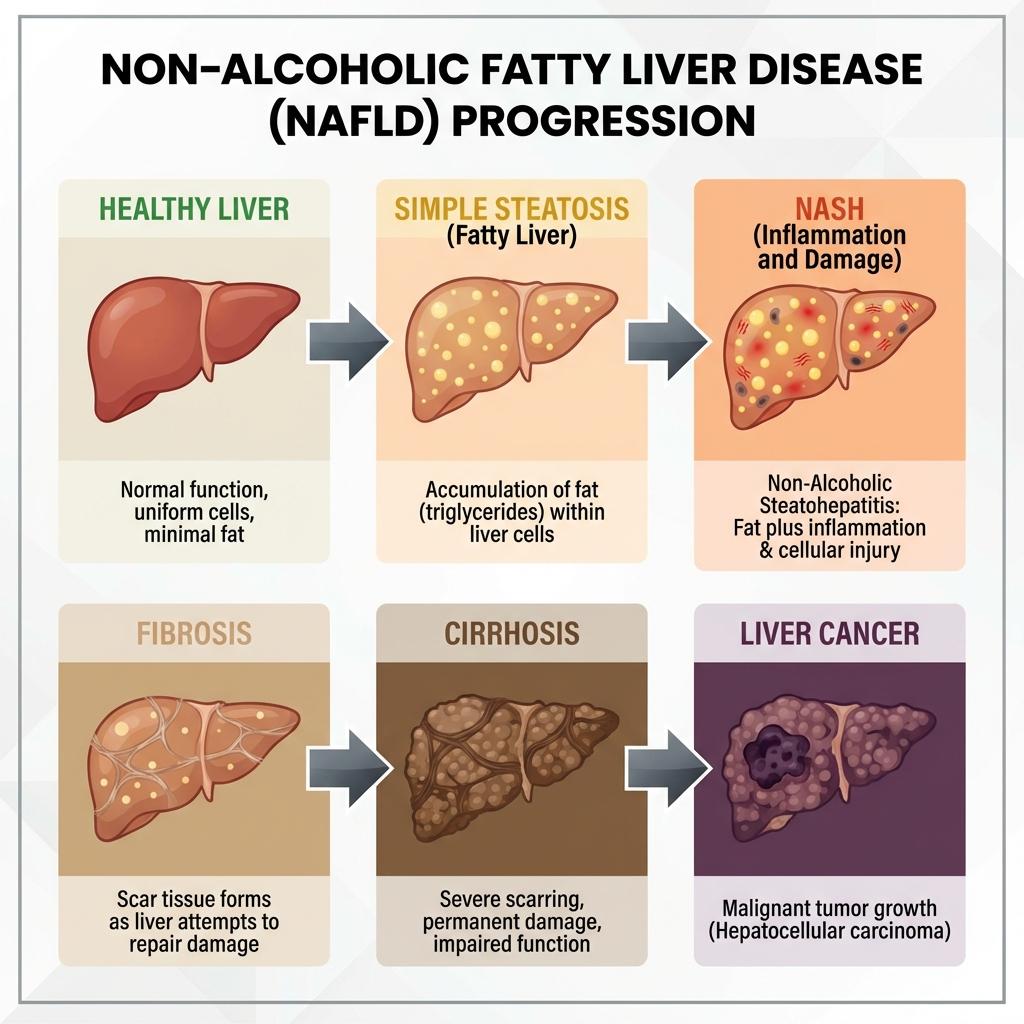
- Simple Steatosis: This is the initial stage, where fat accumulates in the liver cells without significant inflammation or damage. For some, it may remain stable or even reverse with lifestyle changes.
- Non-Alcoholic Steatohepatitis (NASH): If simple steatosis progresses, it can lead to NASH, characterized by fat accumulation, inflammation, and liver cell damage. This stage is critical because the ongoing inflammation can initiate fibrosis.
- Fibrosis: Persistent inflammation and injury in NASH trigger the liver’s healing response, leading to the formation of scar tissue. This scarring is known as fibrosis. At this stage, the liver is still largely functional, but the scarring can gradually spread.
- Cirrhosis: This is a severe and often irreversible stage where extensive scar tissue replaces healthy liver tissue, significantly impairing liver function. Cirrhosis can lead to liver failure, requiring a liver transplant. Symptoms of cirrhosis can include jaundice, fluid retention (ascites), and confusion (hepatic encephalopathy).
- Hepatocellular Carcinoma (HCC): Individuals with advanced fibrosis or cirrhosis due to NAFLD are at a substantially increased risk of developing liver cancer, or hepatocellular carcinoma. This is a life-threatening complication that emphasizes the grave implications of unmanaged fatty liver disease.
Broader Health Implications
Beyond direct liver damage, NAFLD is increasingly recognized as a systemic disease with implications for other organ systems. It significantly increases the risk of:
- Cardiovascular Disease: NAFLD is an independent risk factor for heart attacks and strokes, even more so than its progression to advanced liver disease. This connection highlights the critical role of lifestyle management for both liver and cardiovascular health.
- Chronic Kidney Disease: Research indicates a link between NAFLD and the development and progression of chronic kidney disease.
- Type 2 Diabetes: NAFLD exacerbates insulin resistance, making it harder to control blood sugar levels in individuals with diabetes and increasing the risk for those who are pre-diabetic.
These interconnected health issues underscore that fatty liver disease is not merely a liver problem but a systemic challenge requiring a holistic approach to care and prevention.
Taking Control: Management and Prevention Strategies for Singaporeans
While the prospect of fatty liver disease can be daunting, the good news is that it is largely preventable and, in many cases, reversible, especially if detected early. The cornerstone of management and prevention lies in lifestyle modifications and addressing underlying metabolic conditions.
Primary Interventions: Diet and Exercise
For most individuals with NAFLD, lifestyle changes are the most effective treatment strategy. These interventions aim to reduce fat accumulation in the liver, decrease inflammation, and improve overall metabolic health.
- Weight Loss: This is often the single most impactful intervention. Even a modest weight loss of 5-10% of body weight can significantly reduce liver fat and improve liver enzyme levels. For individuals with NASH, a 7-10% weight loss is often recommended to achieve substantial histological improvement. This can be achieved through a combination of dietary changes and increased physical activity.
- Dietary Modifications:
- Reduce Sugary Drinks and Refined Carbohydrates: These are major contributors to liver fat. Limiting soft drinks, fruit juices with added sugar, pastries, white bread, and white rice is crucial. Opt for whole grains like brown rice, wholemeal bread, and oats.
- Embrace a Balanced Diet: Focus on whole, unprocessed foods. Include plenty of fruits, vegetables, lean proteins (chicken, fish, legumes), and healthy fats (avocado, nuts, seeds, olive oil). The Mediterranean diet, rich in these components, is often recommended for its liver-protective benefits.
- Portion Control: Be mindful of portion sizes, especially when dining out at hawker centres or restaurants, which often serve generous portions. Choosing healthier options from the Healthier Choice Symbol program by the Health Promotion Board (HPB) can be beneficial.
- Regular Physical Activity: Aim for at least 150 minutes of moderate-intensity aerobic exercise per week, such as brisk walking, jogging, swimming, or cycling. Incorporating strength training exercises two to three times a week is also beneficial for building muscle mass, which helps improve insulin sensitivity and metabolism. Singapore offers numerous parks and exercise facilities, making it easier to integrate physical activity into daily routines.
Managing Co-existing Medical Conditions
Given the strong link between NAFLD and metabolic syndrome, effectively managing associated conditions is vital:
- Diabetes Control: Strict management of blood sugar levels through diet, exercise, and medication is paramount.
- Blood Pressure Management: Keeping hypertension under control reduces the risk of cardiovascular complications.
- Cholesterol Management: Lowering high triglycerides and LDL (bad) cholesterol levels while raising HDL (good) cholesterol levels is important for overall metabolic health.
Other Considerations
- Avoidance of Alcohol: Even for NAFLD, avoiding alcohol is advisable as it can exacerbate liver damage and accelerate disease progression.
- Role of Coffee: Studies have suggested that coffee consumption may have a protective effect against liver fibrosis, though more research is ongoing. Moderate coffee intake might be beneficial for some.
- Medications: Currently, there are no specific drugs approved solely for NAFLD or NASH, but ongoing research is promising. Medications are often prescribed to manage associated conditions like diabetes, cholesterol, or obesity, which indirectly benefit the liver.
When to Seek Medical Attention
Proactive health management is key. If you have any risk factors for fatty liver disease, such as obesity, type 2 diabetes, high cholesterol, or hypertension, it is highly recommended to consult your general practitioner for regular health screenings. Early detection allows for timely intervention and can prevent the progression to more severe stages.
You should also seek medical attention if you experience persistent symptoms like unexplained fatigue, discomfort in your upper right abdomen, or if routine blood tests show elevated liver enzymes. Your doctor may refer you to a hepatologist (liver specialist) or gastroenterologist for further evaluation and management, including advanced imaging or a liver biopsy if necessary.
Conclusion
Fatty liver disease, particularly its non-alcoholic form, is a pervasive health challenge in Singapore. Its silent progression makes it a formidable foe, often undetected until advanced stages. However, this silent epidemic is largely within our control. By understanding its causes, recognizing its subtle signs, and proactively adopting healthier lifestyles, Singaporean adults can significantly reduce their risk and protect their liver health.
Taking actionable steps, such as prioritizing a balanced diet rich in whole foods, engaging in regular physical activity, and managing underlying metabolic conditions, empowers individuals to reverse the course of fatty liver disease. Regular health check-ups and open communication with your doctor are indispensable tools in this fight. Your liver works tirelessly for you; it is time to return the favor with informed choices and dedicated care.

Jeremy Lee is a seasoned digital marketing director and strategist with over two decades of experience in the industry. As the founder of Sotavento Medios, I manage a diverse portfolio of over 50 businesses, helping brands grow through advanced search strategies and digital innovation. My work focuses on bridging the gap between traditional search engine optimisation and the evolving world of AI-driven answer engines.