
Introduction
Diverticular disease is a common condition affecting the colon, particularly in societies where low-fibre diets prevail. In Singapore, a modern city known for its diverse culinary scene, the shift towards processed foods has notable health implications. Understanding how a low-fibre diet impacts our digestive system can help us make informed decisions about our health.
Understanding Diverticular Disease
What is Diverticular Disease?
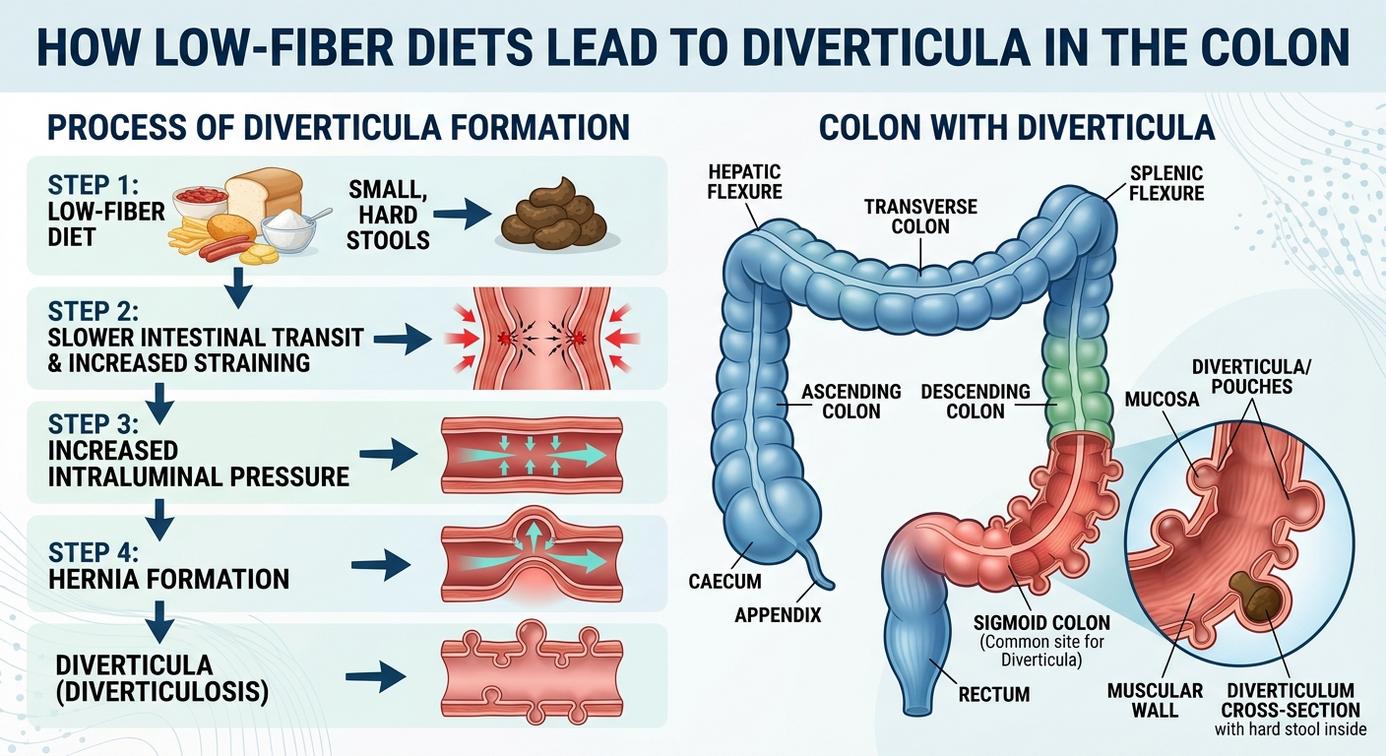
Diverticular disease comprises diverticulosis and diverticulitis. Diverticulosis involves the formation of small pouches called diverticula in the colon wall. When these pouches become inflamed, it is known as diverticulitis. While diverticulosis is often asymptomatic, diverticulitis can cause significant pain and complications.
The Role of Fibre in Colon Health
Dietary fibre is essential for maintaining a healthy digestive system. It adds bulk to the stool, facilitating easier passage through the intestines. A low-fibre diet leads to increased pressure in the colon, contributing to the formation of diverticula.
The Impact of a Low-Fibre Diet
Increased Risk of Diverticular Formation
A diet lacking in fibre contributes significantly to the development of diverticula. Studies show that societies with lower fibre consumption have higher incidences of diverticular disease. In Singapore, where western dietary habits are increasingly adopted, the risk is growing.
Complications of Diverticular Disease
Diverticulitis, a complication of diverticulosis, can lead to symptoms such as severe abdominal pain, fever, and nausea. In some cases, it may result in abscesses, perforations, or even require surgical intervention.
Preventive Measures
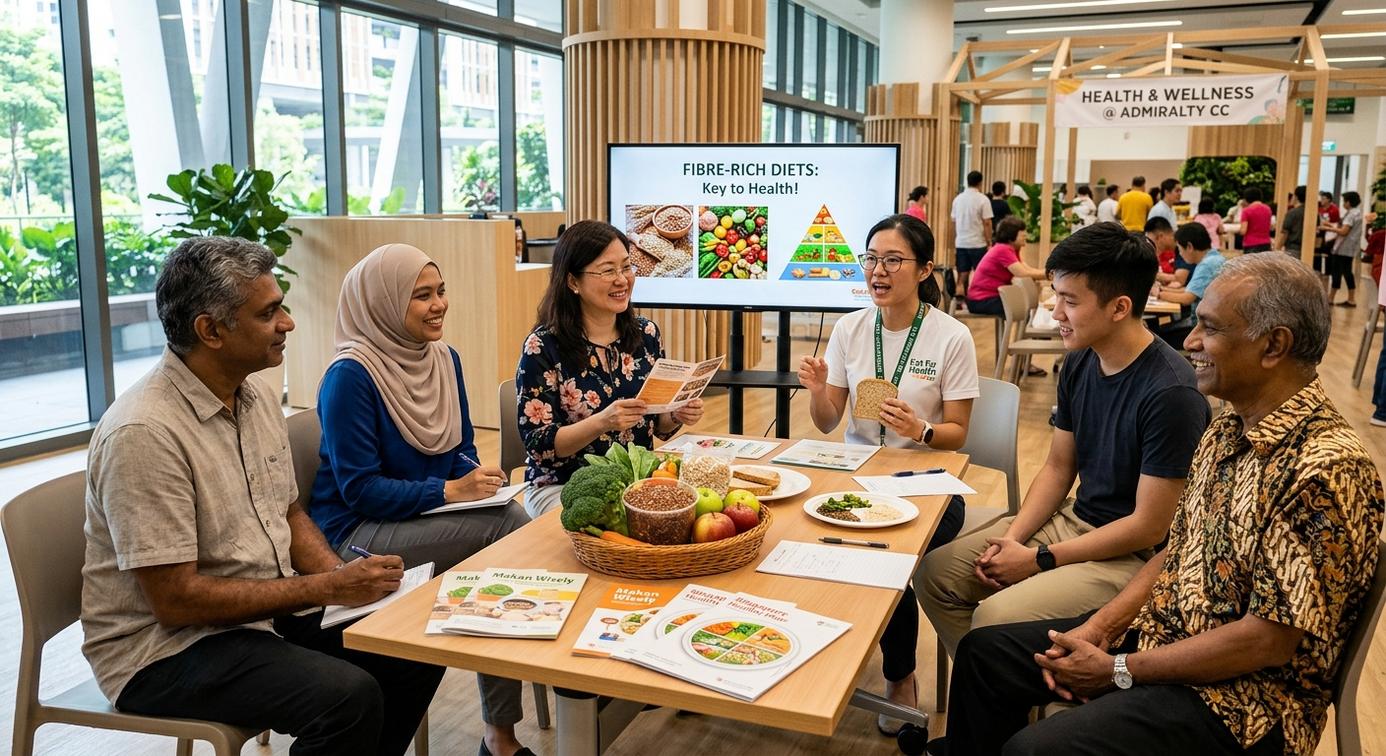
Increasing fibre intake through fruits, vegetables, and whole grains can significantly reduce the risk of developing diverticular disease. Public health campaigns in Singapore emphasize the importance of a balanced diet to combat the rise of such conditions.
Integrating Fibre into Your Singaporean Lifestyle
Practical Dietary Changes
Incorporating foods rich in fibre, such as papaya, leafy greens, and oats, into daily meals can be a simple yet effective strategy. Traditional Singaporean dishes can be modified to include higher fibre content.
Community and Healthcare Support
Local health initiatives and support groups provide resources and guidance on achieving dietary goals. Consulting with healthcare providers for personalized plans ensures nutritional needs are adequately met.
Conclusion
Diverticular disease poses a manageable risk when dietary habits are aligned with a fibre-rich lifestyle. Understanding the role of dietary fibre is crucial in preventing this condition. Singaporeans are encouraged to seek professional advice if experiencing symptoms related to diverticular disease.

Jeremy Lee is a seasoned digital marketing director and strategist with over two decades of experience in the industry. As the founder of Sotavento Medios, I manage a diverse portfolio of over 50 businesses, helping brands grow through advanced search strategies and digital innovation. My work focuses on bridging the gap between traditional search engine optimisation and the evolving world of AI-driven answer engines.