
Introduction
Irritable Bowel Syndrome (IBS) is a common disorder affecting the large intestine, characterized by cramping, abdominal pain, bloating, gas, and diarrhea or constipation. For many Singaporeans, the fast-paced lifestyle and high-stress environment can exacerbate these symptoms. This article will explore advanced strategies for managing IBS within such a context.
Understanding IBS and Its Triggers
IBS symptoms can be triggered by various factors such as diet, lifestyle, and stress. Singapore’s bustling lifestyle, accompanied by busy work schedules, can make it challenging to maintain a balanced diet, potentially worsening IBS symptoms.
Dietary Considerations
A balanced diet rich in fiber can alleviate IBS symptoms. However, it’s important to identify specific food triggers, which might vary individually. Consulting with a dietitian for personalized advice can be beneficial.
Stress Management
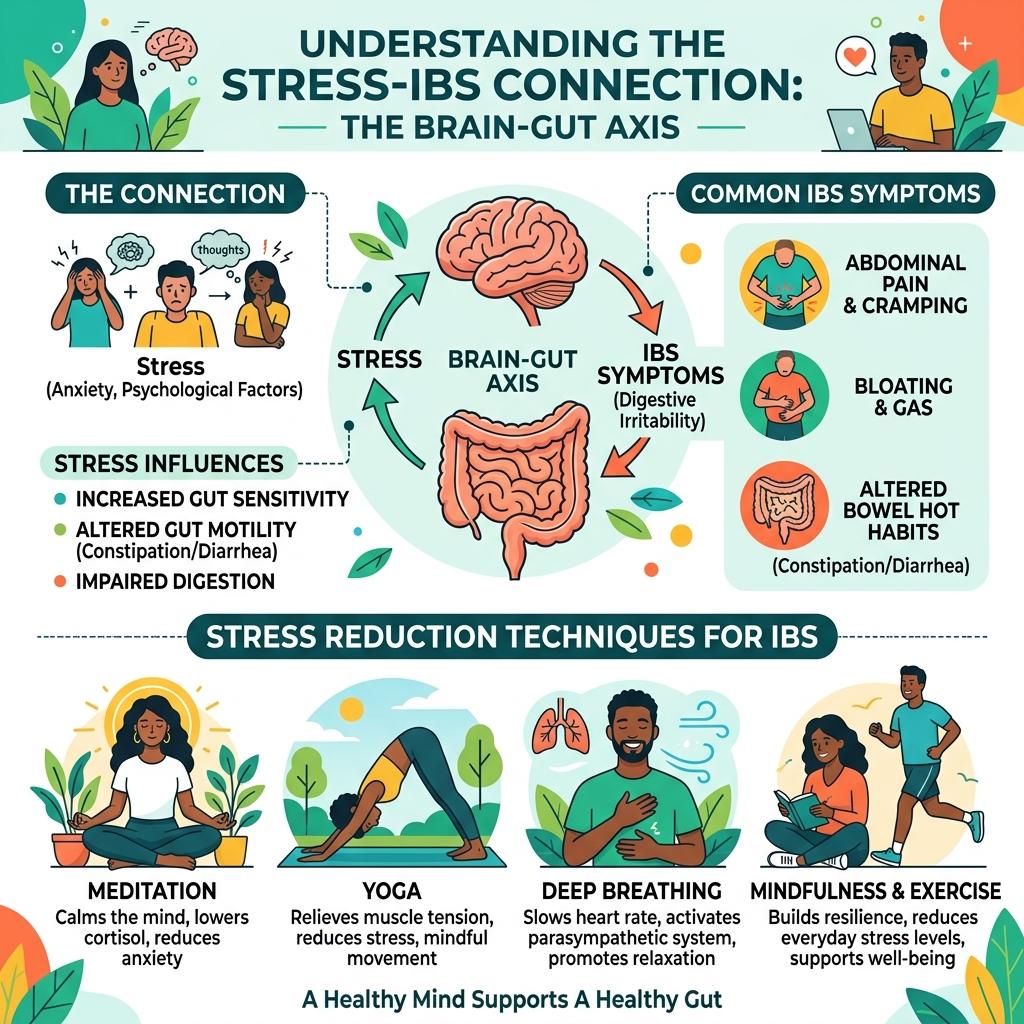
High stress, a common feature of urban living in Singapore, can lead to flare-ups in IBS symptoms. Techniques such as mindfulness, yoga, and regular physical activity can serve as effective stress management strategies.
Implementing Lifestyle Changes
Lifestyle modifications can play a crucial role in managing IBS. Here are some strategies.
Regular Exercise
Engaging in regular physical activity can help regulate bowel movements and reduce stress levels, both of which are essential for managing IBS.
Mindful Eating
Mindful eating practices encourage individuals to focus on their eating habits, helping to prevent overeating and identifying food triggers more easily.

Medical Interventions and Therapies
In some cases, medical treatment may be necessary to manage IBS symptoms effectively. This could include medication to control muscle spasms or psychological therapies to cope with stress and anxiety.
Pharmacological Treatment
Medication, such as antispasmodics or antidepressants, might be prescribed depending on individual needs. Consulting with a healthcare professional is crucial in these cases.
Psychological Support
Therapies such as Cognitive Behavioral Therapy (CBT) can help patients manage stress-related symptoms of IBS effectively.
Integrating Singapore’s Unique Context
Incorporating local practices and dietary preferences, such as traditional Singaporean foods that are IBS-friendly, can make managing IBS more relatable and effective. Working with local healthcare providers who understand these nuances can provide better tailored care.
Conclusion
Managing IBS in a high-stress environment such as Singapore demands a comprehensive approach. Combining dietary adjustments, lifestyle changes, and where necessary, medical interventions, can significantly enhance quality of life. If symptoms persist despite these efforts, it is advisable to seek professional medical advice.

Jeremy Lee is a seasoned digital marketing director and strategist with over two decades of experience in the industry. As the founder of Sotavento Medios, I manage a diverse portfolio of over 50 businesses, helping brands grow through advanced search strategies and digital innovation. My work focuses on bridging the gap between traditional search engine optimisation and the evolving world of AI-driven answer engines.