
In the vibrant city-state of Singapore, where the culinary scene is as diverse as its population and the pace of life often hectic, digestive discomforts are common. Many Singaporeans have experienced that familiar burning sensation in the chest or a persistent ache in the upper abdomen, often dismissed simply as “gastric pain.” While both gastric pain and heartburn are prevalent, understanding their root causes is crucial for effective management and relief. This article aims to demystify these common yet often misunderstood conditions, differentiating between two primary culprits: Gastritis and Gastroesophageal Reflux Disease (GERD). By delving into their distinct mechanisms, symptoms, and treatment approaches, we hope to provide Singaporeans aged 25-65 with the knowledge to identify their symptoms accurately and seek appropriate medical attention, enhancing overall well-being in our fast-paced society.
The Ubiquitous Ache: Understanding Gastric Pain and Heartburn in Singapore
The terms “gastric pain” and “heartburn” are frequently used interchangeably in common parlance, yet they describe distinct sensations stemming from different underlying issues within the digestive system. Gastric pain typically refers to discomfort or pain originating from the stomach, often experienced in the upper-middle part of the abdomen. This pain can manifest as a dull ache, a burning sensation, or even sharp, stabbing pain. It is a symptom associated with various conditions, including gastritis, stomach ulcers, and dyspepsia.
Heartburn, on the other hand, is a burning sensation felt in the chest, specifically behind the breastbone. Despite its name, it has nothing to do with the heart. This sensation occurs when stomach acid flows back up into the oesophagus, the tube connecting your mouth to your stomach. While occasional heartburn can be triggered by certain foods or overeating, chronic and frequent heartburn is a hallmark symptom of GERD.
In Singapore, where late-night suppers, rich hawker fare, and a demanding work culture often lead to irregular eating habits and increased stress, these digestive complaints are exceedingly common. Distinguishing between the sharp, often localised pain of gastritis and the burning, radiating discomfort of GERD is the first step towards finding effective relief and preventing potential long-term complications.
Gastritis Unveiled: Inflammation of the Stomach Lining
What is Gastritis?
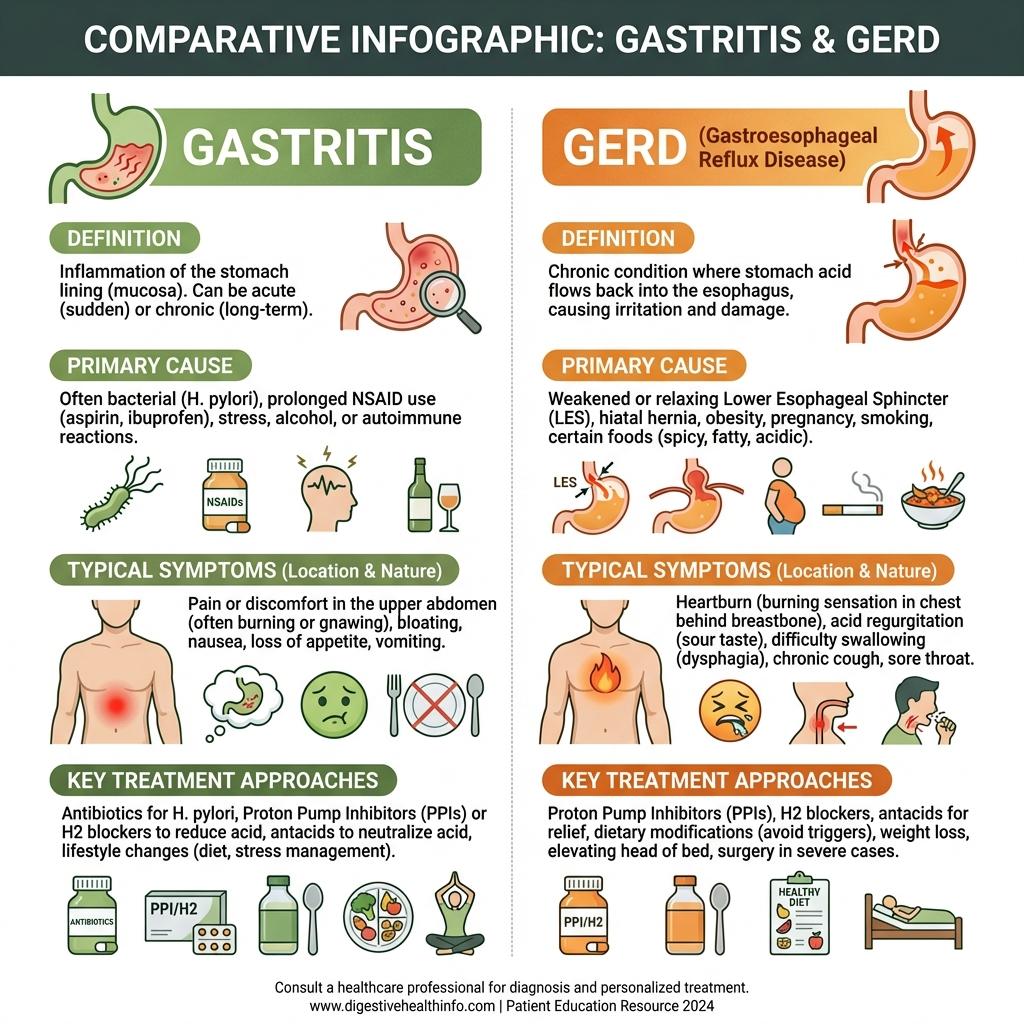
Gastritis is a general term for a group of conditions characterised by inflammation of the stomach lining, known as the gastric mucosa. This inflammation can be acute, meaning it appears suddenly and lasts for a short period, or chronic, developing gradually and persisting over a longer duration. When the stomach lining becomes inflamed, it can lead to a range of uncomfortable symptoms, impairing digestion and overall comfort.
Common Causes and Risk Factors in Singapore
Several factors can lead to gastritis, many of which are prevalent in the Singaporean lifestyle:
- Helicobacter pylori (H. pylori) Infection: This common bacterium is a primary cause of chronic gastritis worldwide, including in Singapore. It infects the stomach lining, leading to inflammation and sometimes ulcers. Early diagnosis and eradication are crucial.
- Non-Steroidal Anti-Inflammatory Drugs (NSAIDs): Medications like ibuprofen and aspirin, commonly used for pain relief, can irritate the stomach lining and cause gastritis, especially with prolonged use or high doses. Many Singaporeans may self-medicate without realising the potential gastric side effects.
- Excessive Alcohol Consumption: Regular and heavy drinking can erode the stomach lining, leading to acute gastritis. Social drinking is common in Singapore, and moderation is key.
- Stress: While stress does not directly cause gastritis, chronic psychological stress can exacerbate symptoms and make the stomach lining more vulnerable to other irritants. The high-pressure environment in Singaporean workplaces can be a significant contributing factor.
- Bile Reflux: The backflow of bile into the stomach from the small intestine can also cause irritation and inflammation.
- Autoimmune Reactions: In some cases, the body’s immune system mistakenly attacks the cells lining the stomach.
- Spicy and Oily Foods: While not a direct cause, regularly consuming very spicy, oily, or acidic foods, staples in Singapore’s diverse cuisine, can irritate an already inflamed stomach lining and worsen symptoms.
Recognising the Symptoms
Symptoms of gastritis can vary from person to person and depend on the severity and type of inflammation. Common signs include:
- Upper Abdominal Pain: A gnawing, burning, or aching pain in the upper middle part of the abdomen, which may worsen or improve with eating.
- Nausea and Vomiting: Feelings of sickness and sometimes actual vomiting, especially after meals.
- Feeling of Fullness: A sense of being uncomfortably full in the upper abdomen after eating, even small amounts.
- Loss of Appetite: A reduced desire to eat due to discomfort.
- Bloating: A feeling of tightness or swelling in the abdomen.
In severe cases, gastritis can lead to stomach bleeding, which may manifest as black, tarry stools (melena) or blood in vomit, requiring immediate medical attention.
Diagnosis and Management Approaches
Diagnosing gastritis typically involves a thorough medical history, physical examination, and often, specific diagnostic tests:
- Endoscopy: A common procedure where a thin, flexible tube with a camera (endoscope) is passed down the oesophagus into the stomach to visualise the lining and take tissue samples (biopsies). This allows for direct examination of the inflammation and identification of causes like H. pylori.
- H. pylori Tests: These include breath tests, stool tests, or blood tests to detect the presence of the bacterium.
- Stool Tests: To check for blood, indicating gastrointestinal bleeding.
Treatment for gastritis focuses on addressing the underlying cause and alleviating symptoms:
- Antibiotics: If H. pylori infection is present, a course of antibiotics combined with proton pump inhibitors (PPIs) is typically prescribed to eradicate the bacteria.
- Proton Pump Inhibitors (PPIs) and H2 Blockers: Medications like omeprazole or ranitidine reduce stomach acid production, allowing the stomach lining to heal.
- Antacids: Over-the-counter antacids can provide temporary relief from heartburn and indigestion symptoms by neutralising stomach acid.
- Lifestyle and Dietary Modifications: Avoiding trigger foods (spicy, oily, acidic), limiting alcohol and caffeine, quitting smoking, and managing stress are crucial. For Singaporeans, this might mean opting for less spicy versions of favourite hawker dishes, reducing supper frequency, and finding healthy outlets for stress like exercise or mindfulness.
GERD Explained: When Acid Reflux Becomes a Chronic Concern
What is GERD?
Gastroesophageal Reflux Disease (GERD) is a chronic digestive disorder characterised by the frequent or persistent backflow of stomach acid, and sometimes bile, into the oesophagus. This reflux irritates the lining of the oesophagus, leading to symptoms and, if left untreated, potential damage. The key mechanism behind GERD involves a weakened or dysfunctional lower oesophageal sphincter (LES) – a ring of muscle at the junction of the oesophagus and stomach that acts like a valve, preventing stomach contents from flowing back up.
Typical Symptoms of GERD
While heartburn is the hallmark symptom, GERD can manifest with a variety of symptoms, both typical and atypical:
- Heartburn: A burning pain or discomfort that rises from the stomach or lower chest up towards the neck, often worse after eating, bending over, or lying down.
- Regurgitation: The sensation of acid or food flowing back up into the throat or mouth, sometimes accompanied by a sour or bitter taste.
- Chest Pain: Non-cardiac chest pain that can mimic heart attack symptoms, necessitating medical evaluation to rule out cardiac issues.
- Dysphagia: Difficulty or pain when swallowing, often due to oesophageal inflammation or narrowing.
- Chronic Cough or Laryngitis: Persistent dry cough, hoarseness, or sore throat, especially at night, caused by acid irritating the vocal cords or airways.
- Sleep Disturbances: Heartburn and regurgitation symptoms can disrupt sleep patterns, leading to fatigue.
- Dental Erosion: Chronic exposure to stomach acid can erode tooth enamel over time.
Contributing Factors and Lifestyle in Singapore
Several factors contribute to the development and exacerbation of GERD, many of which are relevant to the Singaporean context:
- Obesity: Excess weight puts pressure on the abdomen, pushing stomach acid upwards. With rising obesity rates in Singapore, this is an increasingly significant factor.
- Dietary Habits: Consuming large, fatty, oily, or spicy meals, especially close to bedtime, can trigger reflux. Common Singaporean late-night suppers (e.g., prata, bak kut teh) or rich curries can be culprits.
- Smoking and Alcohol: Both nicotine and alcohol relax the LES, increasing the likelihood of reflux. Smoking cessation is strongly advised.
- Certain Medications: Some drugs, such as calcium channel blockers, antihistamines, and certain asthma medications, can relax the LES.
- Hiatal Hernia: A condition where a portion of the stomach protrudes through the diaphragm into the chest, impairing LES function.
- Pregnancy: Hormonal changes and increased abdominal pressure during pregnancy can cause or worsen GERD.
Diagnosing and Treating GERD
Diagnosis of GERD often starts with a review of symptoms and medical history. Further tests may include:
- Upper Endoscopy: Similar to gastritis diagnosis, this allows direct visualisation of the oesophagus, stomach, and duodenum to check for inflammation, strictures, or other damage caused by acid reflux.
- Oesophageal pH Monitoring: A small device is temporarily placed in the oesophagus to measure acid exposure over 24-48 hours, providing objective evidence of reflux episodes.
- Oesophageal Manometry: Measures the strength and coordination of oesophageal muscle contractions and the function of the LES.
Treatment strategies for GERD aim to reduce acid production, prevent reflux, and heal any oesophageal damage:
- Lifestyle Modifications: This is the cornerstone of GERD management. Elevating the head of the bed, avoiding trigger foods (e.g., chocolate, mint, caffeine, acidic fruits, fatty foods), eating smaller, more frequent meals, not lying down immediately after eating, weight loss, and quitting smoking are vital. These are practical steps for Singaporeans, such as having dinner earlier or making healthier choices at the hawker centre.
- Medications:
- Proton Pump Inhibitors (PPIs): Highly effective in reducing stomach acid production and healing the oesophageal lining. Examples include omeprazole, pantoprazole, and esomeprazole.
- H2 Receptor Blockers: Less potent than PPIs but still effective in reducing acid production (e.g., famotidine, ranitidine).
- Antacids: Provide quick, temporary relief for mild heartburn.
- Surgery: For severe cases unresponsive to medication and lifestyle changes, surgical procedures like Nissen fundoplication can tighten the LES to prevent reflux. This is usually considered a last resort.

Differentiating the Discomforts: Gastritis vs. GERD
While both conditions involve discomfort in the upper digestive tract, understanding their distinct characteristics is key to accurate self-assessment and medical diagnosis. Here’s a breakdown of how to differentiate between gastritis and GERD:
Key Symptomatic Differences
- Location of Pain:
- Gastritis: Typically felt in the upper abdomen, often described as a dull ache, gnawing pain, or burning sensation specifically in the stomach area. It may worsen or improve with food intake.
- GERD: Characterised by heartburn, a burning sensation behind the breastbone that can radiate up to the throat. This pain is usually distinct from abdominal pain and is often exacerbated by lying down or bending over.
- Nature of Discomfort:
- Gastritis: More often associated with nausea, vomiting, a feeling of fullness after eating small amounts, and loss of appetite.
- GERD: Characterised by acid regurgitation, a sour taste in the mouth, chronic cough, hoarseness, and sometimes difficulty swallowing.
- Timing and Triggers:
- Gastritis: Pain can be more constant or intermittent, often linked to irritants like NSAIDs, alcohol, or H. pylori. Eating might sometimes relieve or worsen the pain depending on the cause.
- GERD: Symptoms are often worse after large meals, particularly fatty or acidic ones, and when lying down. Night-time symptoms are common.
Understanding the Underlying Mechanisms
- Gastritis: Primarily involves inflammation of the stomach lining itself. This inflammation can be caused by infection (H. pylori), irritation from certain substances (NSAIDs, alcohol), or autoimmune reactions. The stomach’s protective barrier is compromised.
- GERD: The core issue is the reflux of stomach contents into the oesophagus due to a weakened lower oesophageal sphincter. The oesophagus is not designed to withstand prolonged exposure to strong stomach acid, leading to irritation and damage.
Diagnostic Tools and Their Roles
While symptoms can provide strong clues, definitive diagnosis requires medical intervention:
- Endoscopy: Essential for both. For gastritis, it helps visualise the stomach lining and take biopsies for H. pylori or inflammation assessment. For GERD, it checks for oesophageal inflammation (oesophagitis), strictures, or Barrett’s oesophagus (a precancerous change).
- pH Monitoring: Crucial for confirming GERD by measuring acid exposure in the oesophagus.
- H. pylori Tests: Specific for diagnosing bacterial infection in gastritis.
When to Seek Medical Attention and Preventative Strategies for Singaporeans
While many digestive discomforts can be managed with lifestyle changes and over-the-counter remedies, certain symptoms warrant immediate medical consultation. It is crucial for Singaporeans to understand when their “gastric pain” or “heartburn” might signify a more serious condition.
Red Flag Symptoms
Seek prompt medical attention if you experience any of the following:
- Persistent or severe abdominal pain: Especially if it is new, worsening, or unresponsive to usual remedies.
- Difficulty swallowing (Dysphagia) or painful swallowing (Odynophagia): This could indicate oesophageal narrowing or inflammation.
- Unexplained weight loss: Significant and unintentional weight loss can be a symptom of underlying serious conditions.
- Persistent vomiting: Especially if accompanied by blood (haematemesis), which may appear as fresh red blood or dark, coffee-ground-like material.
- Black, tarry stools (Melena) or blood in stools: These are signs of gastrointestinal bleeding.
- Anaemia: A low red blood cell count, often detected during routine blood tests, can be a subtle sign of chronic blood loss from the digestive tract.
- New onset of symptoms after age 50: Digestive symptoms appearing for the first time in older individuals warrant careful investigation.
- Choking or gagging: Especially at night, indicating severe regurgitation.
These symptoms could indicate complications such as severe ulcers, oesophageal strictures, or even gastric or oesophageal cancer, which require urgent diagnosis and treatment.
Proactive Measures for Digestive Health in Singapore
Adopting a proactive approach to digestive health can significantly reduce the incidence and severity of both gastritis and GERD. These strategies are particularly relevant to the Singaporean lifestyle:
- Mindful Eating Habits: Instead of large, heavy meals, especially late at night, opt for smaller, more frequent meals. Avoid rushing your food. Chewing thoroughly aids digestion.
- Dietary Choices: While enjoying Singapore’s rich culinary landscape, be mindful of trigger foods. Reduce intake of excessively spicy, oily, fatty, and acidic foods. Choose healthier options at hawker centres – for example, steamed fish over fried, less gravy, or opt for soupy dishes. Limit caffeine and carbonated drinks.
- Maintain a Healthy Weight: Excess abdominal fat increases pressure on the stomach and LES. Regular physical activity, such as walking in Singapore’s parks or utilising community sports facilities, combined with a balanced diet, can help achieve and maintain a healthy weight.
- Stress Management: The high-pressure work and living environment in Singapore can exacerbate digestive issues. Incorporate stress-reduction techniques like mindfulness, yoga, meditation, or simply taking breaks for hobbies and relaxation.
- Quit Smoking and Limit Alcohol: Both habits directly contribute to LES relaxation and stomach irritation. Resources are available in Singapore to support cessation.
- Avoid Lying Down After Meals: Allow at least 2-3 hours after eating before lying down or going to bed to prevent acid reflux.
- Elevate the Head of Your Bed: For those with night-time GERD symptoms, raising the head of the bed by 6-8 inches can help gravity keep stomach acid down.
- Review Medications: If you regularly take NSAIDs, discuss alternatives or protective measures with your doctor.
The Importance of Professional Consultation
It is important to reiterate that while this article provides general awareness and information, it is not a substitute for professional medical advice. If you suspect you have gastritis or GERD, or are experiencing persistent digestive symptoms, consult a doctor. In Singapore, general practitioners can provide initial assessment, and if necessary, refer you to a gastroenterologist, a specialist in digestive disorders. A proper diagnosis from a healthcare professional is essential for establishing an effective treatment plan tailored to your specific condition and needs. Self-diagnosing and self-treating chronic digestive issues can lead to delayed treatment of potentially serious conditions and complications.
Understanding the nuances between gastric pain and heartburn, and consequently, between gastritis and GERD, empowers Singaporeans to take better control of their digestive health. By recognising the signs, making informed lifestyle choices, and knowing when to seek expert medical care, individuals can navigate these common conditions effectively and improve their quality of life. Remember, your health is your most valuable asset, and proactive management is key to maintaining it.

Jeremy Lee is a seasoned digital marketing director and strategist with over two decades of experience in the industry. As the founder of Sotavento Medios, I manage a diverse portfolio of over 50 businesses, helping brands grow through advanced search strategies and digital innovation. My work focuses on bridging the gap between traditional search engine optimisation and the evolving world of AI-driven answer engines.