
In the vibrant culinary landscape of Singapore, where diverse flavours and traditions converge, a quiet revolution is underway in our understanding of health: the profound impact of our gut microbiome. For many Singaporeans, digestive comfort and overall well-being are paramount concerns. This article delves into the intricate world of the gut microbiome, exploring how the very foods we cherish, particularly local fermented delights, can be powerful allies in fostering a healthier internal ecosystem.
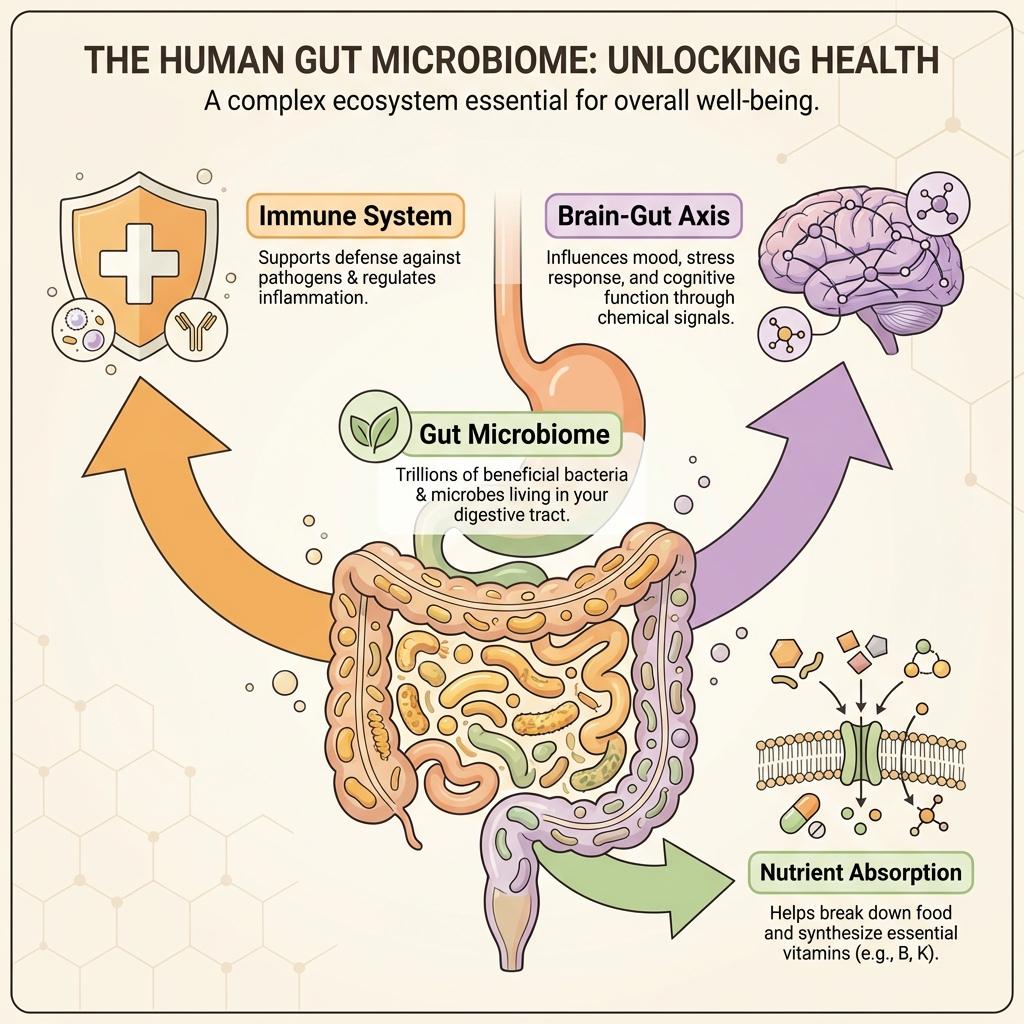
Our gut, far from being just a digestive tube, is a bustling metropolis of trillions of microorganisms, collectively known as the gut microbiome. This complex community, primarily residing in our large intestine, plays a critical role far beyond digestion. It influences our immune system, impacts nutrient absorption, and even communicates with our brain, affecting mood and cognitive function. Maintaining a diverse and balanced gut microbiome, a state often referred to as eubiosis, is fundamental for optimal health. When this delicate balance is disrupted, a condition known as dysbiosis, it can contribute to a range of health issues, from digestive discomfort to more systemic concerns.
Understanding the Gut Microbiome: The Foundation of Our Health
The human gut microbiome is an astonishingly diverse ecosystem comprising bacteria, viruses, fungi, and other microbes. Each individual possesses a unique microbial fingerprint, shaped by genetics, diet, lifestyle, and environmental factors from birth. These microorganisms perform myriad functions essential for our survival and health. They break down complex carbohydrates that our own digestive enzymes cannot, producing beneficial compounds such as short-chain fatty acids (SCFAs). These SCFAs, including butyrate, propionate, and acetate, are crucial for colon cell health, regulate inflammation, and may even influence appetite and metabolism.
Beyond digestion, the gut microbiome trains and modulates our immune system, helping it distinguish between harmful pathogens and beneficial substances. A robust and diverse microbiome is associated with a stronger immune response and reduced susceptibility to infections and autoimmune conditions. Furthermore, the gut-brain axis, a bidirectional communication pathway between the gut and the central nervous system, highlights the microbiome’s influence on neurological function and mental health. Gut microbes produce neurotransmitters like serotonin and dopamine, impacting mood, stress responses, and even conditions like anxiety and depression. Understanding this intricate interplay underscores why nurturing our gut health is not just about avoiding stomach aches, but about supporting our entire physiological and psychological well-being.
Fermented Foods: A Time-Honoured Tradition with Modern Relevance
Fermentation is an ancient preservation technique that harnesses microorganisms to transform food, creating distinct flavours, textures, and often, enhanced nutritional profiles. Across cultures, fermented foods have been staples for millennia, and Singapore, with its rich tapestry of culinary heritage, is no exception. These foods are natural sources of probiotics, which are live microorganisms that, when consumed in adequate amounts, confer a health benefit on the host. Common types of probiotic bacteria include various strains of Lactobacillus and Bifidobacterium.
Exploring Local Fermented Delights in Singapore
- Tempeh: A traditional Indonesian fermented soybean cake, widely consumed in Singapore. Tempeh is made by fermenting cooked soybeans with a starter culture, typically Rhizopus oligosporus. This fermentation process not only binds the soybeans into a firm cake but also breaks down complex proteins, making tempeh more digestible. It is an excellent source of plant-based protein, fibre, and prebiotics, which feed beneficial gut bacteria. Tempeh is versatile and can be stir-fried, curried, or even grilled, making it a popular ingredient in various Singaporean dishes.
- Kimchi: While Korean in origin, kimchi has become a beloved accompaniment in many Singaporean households and restaurants. This spicy fermented cabbage dish, typically made with napa cabbage, radish, and a blend of spices, is rich in lactobacillus bacteria, vitamins, and antioxidants. Regular consumption of kimchi contributes to gut microbial diversity and immune support.
- Kombucha: A fermented tea beverage gaining significant popularity in Singapore. Made by fermenting sweetened tea with a symbiotic culture of bacteria and yeast (SCOBY), kombucha is known for its refreshing taste and contains various organic acids, enzymes, and B vitamins, along with a complex mix of yeast and bacteria.
- Tapai: A traditional Malay and Indonesian fermented food made from glutinous rice or cassava. Fermented with a starter culture called ragi, tapai has a sweet and slightly alcoholic taste. It offers a unique sensory experience and contributes beneficial yeasts and bacteria to the gut flora.
- Pickled Vegetables and Fruits: Many cultures in Singapore, including Chinese, Malay, and Indian communities, have traditions of pickling vegetables and fruits. While some commercially pickled items use vinegar alone, traditionally fermented pickles, often made with brine (salt and water), contain lactic acid bacteria, similar to those found in sauerkraut. Examples include preserved mustard greens (kiam chai) or some types of achar (Malay/Indian pickled vegetables and fruits).
The Science Behind Fermentation and Gut Health: More Than Just Probiotics
The health benefits of fermented foods extend beyond simply introducing live probiotic cultures to the gut. The fermentation process itself transforms the food matrix, making nutrients more bioavailable and producing new bioactive compounds. These compounds include vitamins, enzymes, and various organic acids that can positively influence gut health and overall metabolism.
Key Mechanisms of Action:
- Probiotic Action: Live microorganisms in fermented foods can temporarily colonise the gut, contributing to microbial diversity. They may compete with pathogenic bacteria, produce antimicrobial substances, and modulate immune responses within the gut lining.
- Prebiotic Effects: Many fermented foods, like tempeh, contain dietary fibres that act as prebiotics. Prebiotics are non-digestible food ingredients that selectively stimulate the growth and activity of beneficial bacteria already present in the colon. This synergistic effect, where probiotics are introduced and prebiotics nourish existing beneficial bacteria, creates a more robust gut ecosystem.
- Postbiotic Production: During fermentation and within the gut, probiotics produce a range of beneficial metabolites known as postbiotics. As mentioned earlier, short-chain fatty acids (SCFAs) are prime examples. Other postbiotics include enzymes, peptides, and organic acids, which exert anti-inflammatory, immunomodulatory, and even anti-carcinogenic effects. For instance, butyrate, a key SCFA, is the primary fuel source for colonocytes, the cells lining the colon, and plays a crucial role in maintaining gut barrier integrity.
- Nutrient Enhancement and Anti-nutrient Reduction: Fermentation can enhance the nutritional value of foods. For example, the fermentation of soybeans into tempeh significantly reduces anti-nutrients like phytic acid, improving the absorption of minerals such as iron and zinc. It can also increase the content of certain B vitamins and vitamin K2.

Incorporating Fermented Foods into a Singaporean Diet: Practical Insights
Integrating fermented foods into your daily diet in Singapore can be both delicious and beneficial. However, it is important to approach this thoughtfully, considering individual tolerance and ensuring product quality.
Actionable Tips for Singaporeans:
- Start Small: If you are new to fermented foods, begin with small portions (e.g., a tablespoon of kimchi or a small slice of tempeh) and gradually increase your intake. This allows your gut microbiome to adjust and helps minimise potential temporary digestive discomfort like bloating.
- Diverse Selection: Aim for variety. Different fermented foods contain different strains of bacteria and yeasts, contributing to greater microbial diversity in your gut. Experiment with tempeh in your stir-fries, add kimchi as a side dish, try kombucha as a refreshing beverage, or explore traditional tapai.
- Read Labels Carefully: When purchasing fermented products, especially those commercially produced, look for terms like “live cultures,” “unpasteurised,” or “raw.” Pasteurisation, a heat treatment process, kills beneficial bacteria. For example, some commercial pickles might be made with vinegar only and not fermented, thus lacking probiotic benefits.
- Homemade Options: Consider making your own fermented foods. Homemade kimchi or kombucha allows you to control the ingredients and ensures the presence of live cultures. Many online resources and local workshops in Singapore offer guidance on safe home fermentation.
- Combine with Prebiotics: Enhance the benefits by pairing fermented foods with prebiotic-rich foods commonly found in Singaporean diets, such as garlic, onions, leeks, bananas, oats, and resistant starch (found in cooled potatoes or rice).
Safety Considerations and When to Seek Medical Attention:
While generally safe, individuals with compromised immune systems, severe underlying health conditions, or those on certain medications should consult a healthcare professional before making significant dietary changes, including the introduction of large amounts of fermented foods. If you experience persistent or severe digestive symptoms such as chronic diarrhoea, severe abdominal pain, or unexplained weight loss, it is crucial to seek medical advice from a doctor. These symptoms could indicate underlying medical conditions that require professional diagnosis and treatment, and self-treatment with dietary changes alone may not be appropriate.
Beyond Fermented Foods: A Holistic Approach to Gut Health
While fermented foods are powerful tools for gut health, they are just one component of a holistic approach. A healthy gut microbiome thrives within the context of a balanced lifestyle. Here are other crucial factors:
- Dietary Fibre: A diet rich in diverse plant-based foods, including fruits, vegetables, whole grains, nuts, and seeds, provides the essential fibre that acts as fuel for beneficial gut bacteria. Singaporeans can easily incorporate local fruits like rambutan, mangosteen, and durian (in moderation), and vegetables like kailan and bok choy.
- Hydration: Adequate water intake is essential for digestive function and the overall health of the gut lining.
- Stress Management: Chronic stress can negatively impact the gut microbiome and gut barrier function. Practising mindfulness, engaging in regular physical activity, and ensuring sufficient sleep are vital for both mental and gut health.
- Avoid Unnecessary Antibiotics: While antibiotics are life-saving medications, their indiscriminate use can disrupt the gut microbiome significantly. Always follow medical advice regarding antibiotic use and discuss strategies with your doctor for restoring gut health post-antibiotic treatment, such as consuming fermented foods or specific probiotic supplements.
Conclusion: Nurturing Your Inner Ecosystem for a Healthier Singapore
The gut microbiome is a fascinating and fundamental aspect of our health, influencing everything from our digestion and immunity to our mental well-being. For Singaporeans, embracing the power of local fermented foods offers a culturally relevant and scientifically sound pathway to nurturing this inner ecosystem. By thoughtfully incorporating tempeh, kimchi, kombucha, and other fermented delights into our diets, alongside a balanced, fibre-rich diet and a healthy lifestyle, we can actively cultivate a diverse and thriving gut microbiome. Remember, while dietary changes are beneficial, they are part of a broader health strategy. If you have persistent health concerns, always consult with a qualified healthcare professional. By empowering ourselves with this knowledge, we can take proactive steps towards enhanced vitality and resilience, fostering a healthier Singapore, one gut at a time.

Jeremy Lee is a seasoned digital marketing director and strategist with over two decades of experience in the industry. As the founder of Sotavento Medios, I manage a diverse portfolio of over 50 businesses, helping brands grow through advanced search strategies and digital innovation. My work focuses on bridging the gap between traditional search engine optimisation and the evolving world of AI-driven answer engines.