
Stroke, a medical emergency where blood flow to a part of the brain is interrupted or reduced, is a leading cause of death and long-term disability globally, and Singapore is no exception. As our population ages, understanding and preventing stroke becomes increasingly crucial, particularly among the elderly. This comprehensive guide aims to equip Singaporeans, especially those caring for or part of the elderly demographic, with the essential knowledge to recognise the signs of a stroke rapidly and implement effective prevention strategies. Early recognition and immediate action can significantly improve outcomes, reducing the severity of disability and enhancing the quality of life.
What is a Stroke and Its Impact in Singapore?
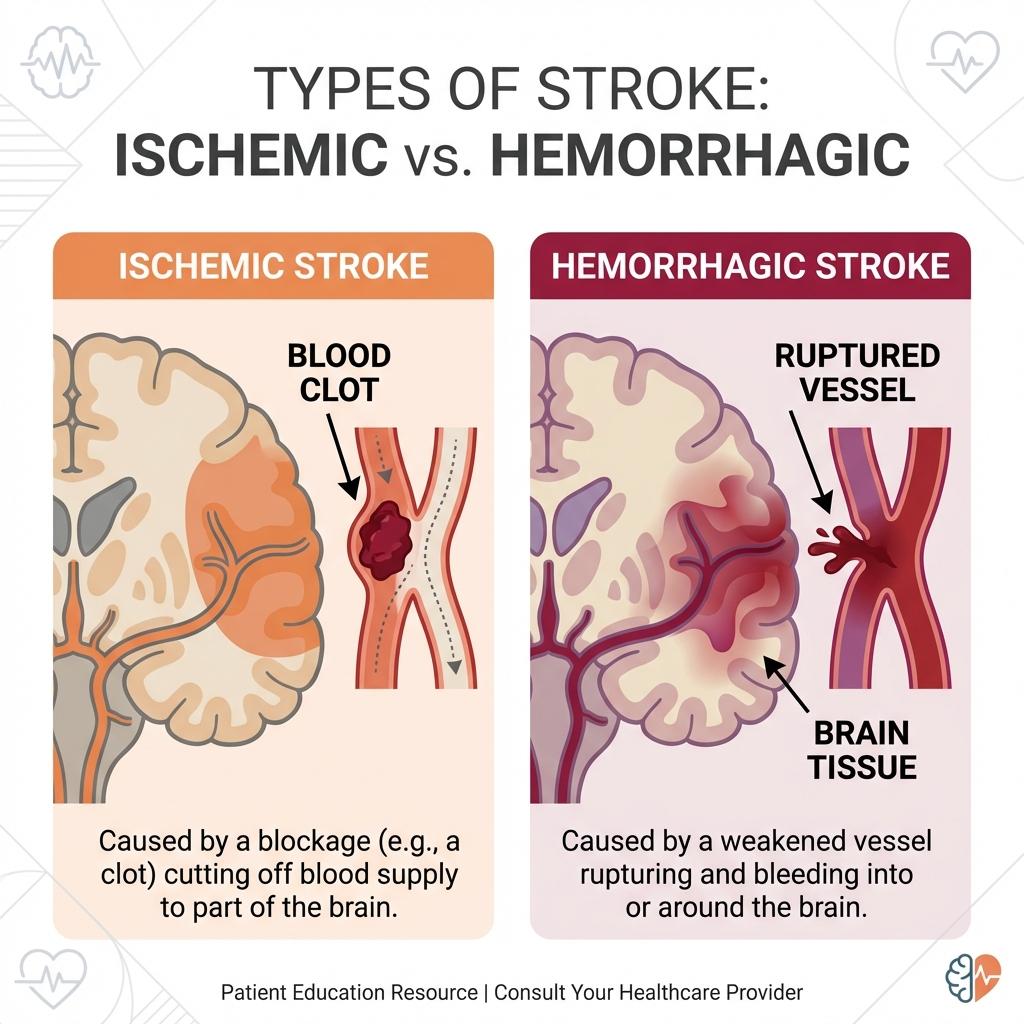
A stroke occurs when brain cells are deprived of oxygen and nutrients, leading to cell death. There are primarily two types of strokes: ischemic stroke and hemorrhagic stroke. An ischemic stroke, accounting for about 87% of all strokes, happens when a blood clot blocks a blood vessel supplying the brain. This blockage can originate from a narrowed artery due to atherosclerosis (hardening and narrowing of the arteries) or a clot travelling from another part of the body, such as the heart. In contrast, a hemorrhagic stroke occurs when a blood vessel in the brain ruptures, causing bleeding into the brain tissue or the space around the brain. This internal bleeding puts pressure on brain cells, damaging them. Both types require immediate medical attention.
The Local Context: Stroke Statistics and Burden in Singapore
In Singapore, stroke remains a significant public health concern. According to the Ministry of Health (MOH) and local health statistics, stroke is among the top causes of death and a primary contributor to adult disability. The incidence of stroke tends to increase with age, making the elderly population particularly vulnerable. The burden of stroke extends beyond mortality, encompassing long-term physical, cognitive, and emotional impairments that necessitate extensive rehabilitation and support. This places a considerable strain on individuals, families, and the healthcare system. Understanding these statistics underscores the urgency of prevention and prompt intervention within our community.
Decoding the FAST Signs: A Call to Immediate Action
The acronym FAST is a universally recognised and highly effective tool for identifying the most common signs of a stroke. Remembering FAST and acting swiftly is paramount because “time is brain.” For every minute a stroke goes untreated, millions of brain cells die, leading to potentially irreversible damage. Recognising these signs can mean the difference between a full recovery and significant disability.
F – Face Drooping
One of the most noticeable signs of a stroke is sudden weakness or numbness on one side of the face. Ask the person to smile. If their smile is uneven, or if one side of their face droops, it is a critical warning sign. This asymmetry results from nerve damage affecting facial muscles.
A – Arm Weakness
Another key indicator is sudden weakness or numbness in one arm. Ask the person to raise both arms. If one arm drifts downwards or cannot be raised, it strongly suggests a stroke. This often affects one side of the body due to the brain’s contralateral control.
S – Speech Difficulty
Strokes can severely impair speech. The person may experience slurred speech (dysarthria), difficulty finding words, or an inability to understand speech (aphasia). Ask the person to repeat a simple sentence. If they struggle to speak clearly, coherently, or repeat the sentence accurately, seek immediate help.
T – Time to Call 995
If you observe any of these signs, even if they are fleeting or mild, it is Time to call 995 immediately. Do not wait for symptoms to disappear or improve. Every second counts. Inform the emergency operator that you suspect a stroke; this enables the medical team to prepare for a stroke patient, saving valuable time upon arrival at the hospital. Early medical intervention, particularly within the first few hours (often referred to as the “golden hour” or “golden window”), can significantly reduce long-term damage through treatments like clot-busting medications (thrombolytics) or mechanical thrombectomy. Knowing when to act is a powerful form of stroke prevention.

Beyond FAST: Identifying and Managing Key Risk Factors
While recognising FAST signs is critical for emergency response, the most effective approach to stroke management is proactive prevention. Many risk factors for stroke are modifiable, meaning they can be managed or controlled through lifestyle changes and medical interventions. Understanding these risks is the first step toward reducing your vulnerability.
Modifiable Risk Factors: High Blood Pressure, Diabetes, High Cholesterol
- High Blood Pressure (Hypertension): This is the single most significant modifiable risk factor for stroke. Uncontrolled high blood pressure damages blood vessels throughout the body, making them more prone to narrowing, rupturing, or forming clots. Regular monitoring and adherence to prescribed medications are essential.
- Diabetes Mellitus: Poorly controlled blood sugar levels can damage blood vessels and increase the risk of atherosclerosis, making individuals more susceptible to stroke. Effective diabetes management through diet, exercise, and medication is vital.
- High Cholesterol: Elevated levels of low-density lipoprotein (LDL) cholesterol contribute to the buildup of plaque in arteries, a process called atherosclerosis, which can lead to blockages and stroke. A heart-healthy diet and cholesterol-lowering medications, if necessary, are crucial.
Lifestyle Factors: Diet, Physical Inactivity, Smoking, Alcohol
- Unhealthy Diet: Diets high in saturated and trans fats, cholesterol, sodium, and sugar contribute to high blood pressure, high cholesterol, obesity, and diabetes, all of which are stroke risk factors. Embracing a balanced, nutritious diet is fundamental.
- Physical Inactivity: A sedentary lifestyle contributes to obesity, high blood pressure, diabetes, and high cholesterol. Regular physical activity, even moderate intensity, significantly reduces stroke risk.
- Smoking: Smoking damages blood vessels, thickens blood, and increases clot formation, dramatically elevating stroke risk. Quitting smoking is one of the most impactful steps for stroke prevention.
- Excessive Alcohol Consumption: Heavy drinking can raise blood pressure and contribute to irregular heart rhythms (atrial fibrillation), both increasing stroke risk. Moderation is key.
Non-Modifiable Risks: Age, Family History, Ethnicity
- Age: The risk of stroke increases significantly with age, particularly after 55. While we cannot change our age, heightened awareness and proactive management of other risk factors become more important as we grow older.
- Family History: A family history of stroke, especially in parents or siblings, can indicate a genetic predisposition.
- Ethnicity: Certain ethnic groups, including those prevalent in Singapore’s diverse population (e.g., Malay and Indian communities), may have a higher predisposition to conditions like diabetes and hypertension, thereby increasing their stroke risk. This highlights the importance of targeted health screenings and culturally sensitive health education.
Comprehensive Prevention Strategies for Singaporeans
Adopting a holistic approach to health is paramount for stroke prevention. In Singapore, resources and guidelines are available to support individuals in making informed choices and managing their health proactively.
Regular Health Screenings and Doctor Consultations
Regular health check-ups are essential, especially for individuals aged 40 and above. Screenings for blood pressure, cholesterol levels, and blood sugar can detect risk factors early, allowing for timely intervention. Singapore’s national screening programmes, such as Screen for Life, make these vital checks accessible. Discussing your personal and family medical history with your doctor can help tailor a preventative strategy specific to your needs.
Dietary Recommendations: The Singaporean Plate and DASH Diet Principles
Embracing a heart-healthy diet is a cornerstone of stroke prevention. The “My Healthy Plate” concept by the Health Promotion Board (HPB) provides an excellent visual guide for balanced meals. Focus on:
- Whole Grains: Choose brown rice, wholemeal bread, and oats over refined grains.
- Fruits and Vegetables: Aim for a variety of colours and at least two servings of fruits and two servings of vegetables daily.
- Lean Protein: Opt for fish, poultry without skin, legumes, and tofu.
- Healthy Fats: Use unsaturated fats found in olive oil, avocados, and nuts sparingly.
- Reduced Sodium: Limit processed foods, canned goods, and excessive use of salt in cooking. The DASH (Dietary Approaches to Stop Hypertension) diet, which emphasizes fruits, vegetables, whole grains, and lean proteins while limiting sodium, red meat, sweets, and sugary beverages, is also highly beneficial for blood pressure control.
Promoting Physical Activity: Local Initiatives and Accessible Exercise
Regular physical activity strengthens the heart and blood vessels, helps manage weight, blood pressure, and blood sugar. The HPB recommends at least 150 minutes of moderate-intensity aerobic activity per week, or 75 minutes of vigorous-intensity aerobic activity. Singapore offers numerous opportunities for physical activity, from brisk walking in neighbourhood parks and park connectors to community exercise programmes for seniors. Simple changes, like taking the stairs instead of the lift or walking to nearby amenities, can significantly contribute to overall fitness.
Stress Management and Mental Well-being
Chronic stress can contribute to high blood pressure and other unhealthy behaviours. Incorporating stress-reducing activities such as meditation, yoga, spending time in nature, or pursuing hobbies can positively impact cardiovascular health. Maintaining strong social connections and seeking support when needed also plays a vital role in overall well-being, which indirectly supports physical health and stroke prevention.
Medication Adherence and Management of Chronic Conditions
For individuals diagnosed with chronic conditions such as hypertension, diabetes, or high cholesterol, strict adherence to prescribed medications and regular follow-ups with healthcare providers are non-negotiable. These medications are crucial in managing underlying conditions that predispose individuals to stroke. Never stop or adjust medication without consulting your doctor.
Conclusion: Empowering Singaporeans Against Stroke
Stroke prevention is a shared responsibility that begins with individual awareness and proactive health management. For Singaporean elderly and their caregivers, recognising the FAST signs is not merely a piece of medical information; it is a potentially life-saving skill that demands immediate action. Beyond emergency response, embracing a healthy lifestyle, managing existing medical conditions diligently, and utilising accessible health screening programmes form the bedrock of long-term stroke prevention. By understanding the risks, making informed choices, and acting swiftly when symptoms appear, we can collectively reduce the incidence and devastating impact of stroke in our community. Remember, your health is in your hands, and knowledge is your strongest defence against stroke. When in doubt, always seek professional medical advice; early intervention can make all the difference.

Jeremy Lee is a seasoned digital marketing director and strategist with over two decades of experience in the industry. As the founder of Sotavento Medios, I manage a diverse portfolio of over 50 businesses, helping brands grow through advanced search strategies and digital innovation. My work focuses on bridging the gap between traditional search engine optimisation and the evolving world of AI-driven answer engines.