
High Blood Pressure at 30: A Reality Check for Young Singaporeans
Picture this: you are in your early 30s, navigating a promising career in Singapore’s dynamic economy. You feel energetic, your future looks bright, and health concerns like high blood pressure feel like a distant problem, something for your parents’ generation to worry about. A routine health screening, however, delivers a surprising verdict: your blood pressure is consistently elevated. This scenario is becoming increasingly common. Hypertension, or high blood pressure, is no longer an affliction exclusive to the elderly. A rising number of young adults in Singapore are being diagnosed, turning a long-held assumption about health and age on its head. The truth is, the pressures and pleasures of our modern lifestyle are contributing to this silent epidemic, and understanding it is the first step towards taking control.
This diagnosis can be unsettling, raising questions about long-term health, lifestyle changes, and what it means for the future. You are not alone in these concerns. This article, written by Jeremy Lee for specialistsphere.com, will provide a clear and comprehensive guide to understanding and addressing high blood pressure in your 30s. We will explore the specific factors in Singapore that contribute to this trend, demystify the serious health risks involved, and offer practical, actionable strategies for managing your blood pressure effectively. Our goal is to empower you with trustworthy information, so you can transform a concerning diagnosis into a proactive plan for a long and healthy life.
The “Silent” Epidemic: Why Are More Young Singaporeans Developing High Blood Pressure?
The perception of hypertension as a condition for older individuals is dangerously outdated. Its prevalence among younger people is a direct consequence of modern life, especially within a fast-paced environment like Singapore. The combination of dietary habits, work culture, and underlying genetic predispositions creates a perfect storm for the early onset of high blood pressure. Recognizing these factors is crucial for prevention and management.
Understanding Hypertension: The Basics
Before we explore the causes, let’s clarify what high blood pressure is. When your doctor measures your blood pressure, they give you two numbers, such as 120/80 mmHg (millimeters of mercury). The first, higher number is the systolic pressure; it measures the force your heart exerts on the walls of your arteries when it beats. The second, lower number is the diastolic pressure, which is the pressure in your arteries between beats. According to Ministry of Health (MOH) guidelines in Singapore, hypertension is generally diagnosed when a person’s blood pressure is consistently 140/90 mmHg or higher. Think of it like the pressure in a plumbing system. If the pressure is constantly too high, it puts a strain on the pipes, causing wear and tear over time. Similarly, high blood pressure damages your arteries and forces your heart to work harder than it should, leading to serious health complications.
The Modern Singaporean Lifestyle: A Key Contributor
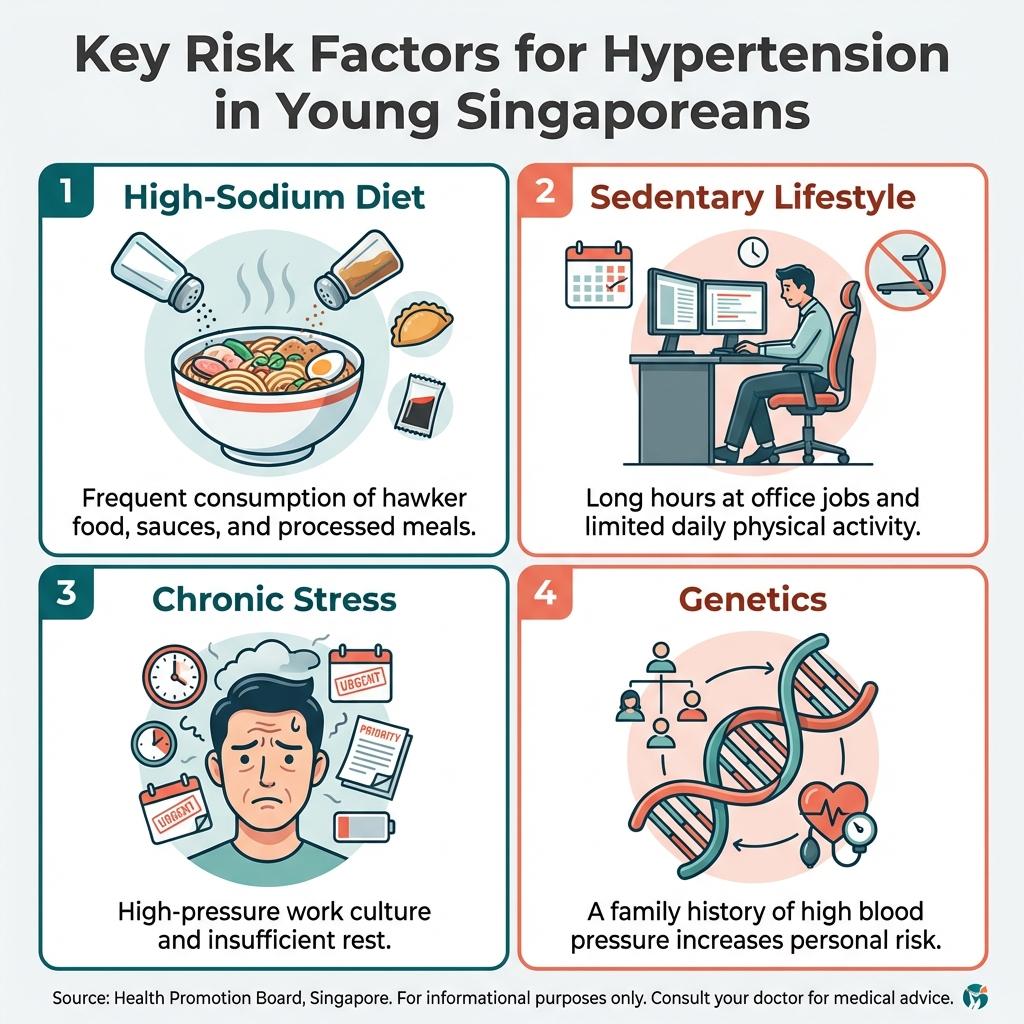
Our daily lives in Singapore, while vibrant and convenient, often contain hidden risks for our cardiovascular health. The primary culprits are diet, stress, and a lack of physical activity. Our world-renowned food culture, for instance, can be a double-edged sword. Hawker centres and food courts are central to our way of life, but many popular dishes like laksa, char kway teow, and chicken rice can be very high in sodium. This is due to the liberal use of soy sauce, salt, and MSG. A high-sodium diet causes your body to retain water, which increases the volume of blood in your bloodstream and, consequently, your blood pressure. Coupled with the rising consumption of sugary beverages and processed foods, the modern Singaporean diet is a major driver of hypertension.
Next is the pervasive culture of stress. The pressure to excel in a competitive work environment often leads to long hours, tight deadlines, and chronic stress. When you are stressed, your body produces a surge of hormones that temporarily increase your blood pressure by causing your heart to beat faster and your blood vessels to narrow. While this is a normal short-term response, chronic stress means your body is in this high-alert state for extended periods, contributing to sustained high blood pressure. Finally, our lifestyles have become increasingly sedentary. Many of us work in office jobs that require sitting for hours, and we often rely on public transport or private hire vehicles for our commutes, leaving little room for physical activity. This lack of movement can lead to weight gain, which is another significant risk factor for developing hypertension.
Genetic and Secondary Factors
While lifestyle is a powerful influence, it is not the only factor. Genetics can play a significant role. If your parents or other close relatives have high blood pressure, you have a higher genetic predisposition to develop it as well. This does not mean it is inevitable, but it does mean you need to be extra vigilant about managing your lifestyle risks. Furthermore, a small percentage of hypertension cases in young people are classified as secondary hypertension. This means the high blood pressure is caused by an underlying medical condition. Common culprits include kidney disease, thyroid problems, or certain adrenal gland tumours. It is important for a doctor to rule out these secondary causes, especially in younger patients, as treating the root condition can often resolve the high blood pressure.
Beyond the Numbers: The Long-Term Risks of Uncontrolled Hypertension in Your 30s
A high blood pressure reading in your 30s might not cause any noticeable symptoms, which is precisely why it is often called the “silent killer.” It is easy to dismiss a number on a machine when you feel perfectly fine. However, inside your body, the persistent, excessive force on your blood vessels is setting the stage for severe, life-altering health problems in the future. Ignoring hypertension in your youth is a gamble with your long-term health, as the damage is cumulative and often irreversible.
The Damage You Do Not See
The primary danger of untreated high blood pressure is the continuous damage it inflicts on your arteries. Healthy arteries are flexible and smooth, allowing blood to flow freely. High pressure acts like a relentless physical force, making the inner lining of the arteries less elastic and more prone to damage. This creates rough spots where cholesterol and other fatty substances, known as plaque, can accumulate. This process is called atherosclerosis, or the hardening of the arteries. As plaque builds up, it narrows the arteries, restricting blood flow to vital organs. Furthermore, this constant pressure forces the heart muscle to pump harder to circulate blood. Just like any muscle that is overworked, the heart muscle thickens, particularly the left ventricle. While a thicker heart muscle might sound strong, it is actually less efficient and can eventually lead to heart failure.
Major Health Complications Down the Road
The slow, silent damage of atherosclerosis can culminate in catastrophic health events. If a plaque deposit ruptures, a blood clot can form. If this clot blocks an artery supplying blood to the heart, it causes a heart attack. If it blocks an artery to the brain, it causes a stroke. For a person in their 30s or 40s, such an event can be devastating, leading to permanent disability or death. Beyond the immediate risks of heart attack and stroke, chronic hypertension is a leading cause of chronic kidney disease. The kidneys are made of a dense network of tiny blood vessels that filter waste from your blood. High pressure damages these delicate vessels, impairing the kidneys’ ability to function. Over time, this can progress to kidney failure, requiring dialysis or a transplant. Other significant risks include vision loss, as hypertension can damage the blood vessels in the retina (a condition called hypertensive retinopathy), and an increased risk of developing vascular dementia later in life due to reduced blood flow to the brain.

Impact on Daily Life and Well-being
The consequences of untreated hypertension are not confined to major medical emergencies. Over time, it can subtly erode your quality of life. The strain on your cardiovascular system can lead to symptoms like fatigue and reduced stamina, making it harder to engage in physical activities you enjoy. In men, restricted blood flow can also contribute to erectile dysfunction, adding a significant emotional and psychological burden. Living with the knowledge of an unmanaged chronic condition can also contribute to anxiety and stress, creating a vicious cycle that further elevates blood pressure. By taking action in your 30s, you are not just preventing a heart attack in your 60s; you are preserving your vitality, energy, and overall well-being for all the years in between.
Taking Control: Practical Steps to Manage Blood Pressure in Singapore
Receiving a hypertension diagnosis can feel overwhelming, but the power to manage it is largely in your hands. The cornerstones of blood pressure control are lifestyle modifications focused on diet, exercise, and stress management. The beauty of these changes is that they offer widespread health benefits far beyond just your blood pressure readings. Here is how you can integrate them into your life in Singapore.
Your Diet: Navigating Singapore’s Food Paradise Wisely
Managing your diet is not about deprivation; it is about making smarter choices. The most impactful change is reducing your sodium intake. Start by paying attention to the Healthier Choice Symbol when eating out; many hawker stalls and restaurants now offer lower-sodium options. A simple yet effective habit is to ask for less sauce or gravy by saying “sio dai” for your drinks or “gai zhi shao yi dian” (less gravy) for your food. When cooking at home, experiment with herbs, spices, and garlic instead of salt to flavour your meals. It is also crucial to read labels on packaged foods, as sodium hides in everything from bread to canned soups. Aim to incorporate principles of the DASH (Dietary Approaches to Stop Hypertension) diet. This eating plan is rich in fruits, vegetables, whole grains, and lean proteins like fish and chicken, while being low in red meat, sweets, and saturated fats. It is easily adaptable to our local context: swap white rice for brown rice, have a side of steamed vegetables instead of preserved ones, and choose fresh fruit for dessert.
Movement is Medicine: Integrating Activity into a Busy Schedule
Regular physical activity is a powerful tool for lowering blood pressure. The goal is to aim for at least 150 minutes of moderate-intensity aerobic exercise per week. This can be broken down into manageable 30-minute sessions on most days. Moderate intensity means your heart rate is raised and you are breathing harder, but you can still hold a conversation. You do not need an expensive gym membership. Singapore offers a wealth of resources, such as the well-maintained park connectors perfect for brisk walking, jogging, or cycling. Utilise the affordable public gyms and swimming pools under the ActiveSG programme. You can also build activity into your daily routine. Consider alighting one or two MRT stops earlier and walking the rest of the way, or take the stairs instead of the lift. The key is to find an activity you genuinely enjoy, as this makes it much more likely that you will stick with it long-term.
Mastering Stress and Prioritising Rest
In our high-strung city, managing stress is non-negotiable for cardiovascular health. Find techniques that work for you. This could be mindfulness meditation, which can be practised for just 10-15 minutes a day using various mobile apps. Deep breathing exercises are another simple yet powerful tool that can be done anywhere, even at your desk, to calm your nervous system. Equally important is sleep. A consistent lack of quality sleep (less than 7 hours a night) is linked to higher blood pressure. Prioritise a regular sleep schedule, create a relaxing bedtime routine, and make your bedroom a sanctuary for rest, free from electronic devices. Protecting your sleep is as important as watching your diet or exercising.
The Role of Medical Management and Monitoring
While lifestyle changes are fundamental, they are sometimes not enough to bring blood pressure down to a safe level. This is where medical guidance and intervention become essential. Partnering with a healthcare professional ensures you have a comprehensive, safe, and effective plan to protect your long-term health.
When Lifestyle Changes Are Not Enough: Understanding Medication
If your blood pressure remains high despite consistent efforts to improve your diet and exercise habits, your doctor may recommend medication. It is important to view this not as a personal failure, but as a crucial tool to safeguard your organs from damage. There are several classes of blood pressure medications, and your doctor will select the one that is most appropriate for you based on your health profile. They work in different ways, such as helping to relax your blood vessels or reducing the volume of blood. Adherence is key; these medications must be taken exactly as prescribed, every day, to be effective. Do not stop taking them without consulting your doctor, even if you feel well.
Regular Monitoring: Your Key to Success
Managing hypertension is an active process, and regular monitoring is your best feedback mechanism. Your doctor will check your blood pressure at appointments, but monitoring at home is also highly recommended. This provides a more accurate picture of your blood pressure throughout the day, away from the potential “white coat hypertension” effect of a clinic setting. Purchase a validated, automated blood pressure machine from a pharmacy. For accurate readings, rest for five minutes beforehand, sit with your back straight and feet flat on the floor, and use the same arm each time. Keep a log of your readings to share with your doctor. You can use a simple notebook or a digital platform like Singapore’s HealthHub app to track your numbers and other health information.
Partnering with Your Doctor
Your family doctor or a physician at a local polyclinic is your most important ally in this journey. Maintain regular appointments to review your blood pressure readings, discuss your lifestyle efforts, and manage your medication if necessary. Be open and honest about any challenges you are facing or any side effects you may be experiencing. These check-ins allow your doctor to adjust your treatment plan as needed. They can also screen for any potential complications and provide referrals to other specialists, such as a dietitian or cardiologist, if required. This collaborative relationship is central to successfully managing your blood pressure for life.
A Proactive Approach to a Healthier Future
A high blood pressure diagnosis in your 30s is a significant warning sign, but it is also an opportunity. It is a chance to re-evaluate your lifestyle and make meaningful changes that will pay dividends for decades to come. By understanding the risks and embracing proactive management strategies, you can prevent hypertension from defining your health trajectory. The power to protect your heart, brain, and kidneys lies in the daily choices you make, from the food you savour at the hawker centre to the way you manage stress after a long day at work.
Take this as your call to action. The first step is knowledge: get your blood pressure checked regularly, especially if you have a family history or other risk factors. If your readings are consistently elevated, do not ignore them. Schedule a consultation with a doctor to discuss a comprehensive management plan. Early intervention is the most effective way to prevent the silent, long-term damage of hypertension. By taking control today, you are not just lowering a number; you are investing in a future filled with health, vitality, and well-being.
Disclaimer: This article is for informational purposes only and does not constitute medical advice. Please consult with a qualified healthcare professional for any health concerns or before making any decisions related to your health or treatment.

Jeremy Lee is a seasoned digital marketing director and strategist with over two decades of experience in the industry. As the founder of Sotavento Medios, I manage a diverse portfolio of over 50 businesses, helping brands grow through advanced search strategies and digital innovation. My work focuses on bridging the gap between traditional search engine optimisation and the evolving world of AI-driven answer engines.