
Understanding Eczema in a High-Humidity Climate
Living in Singapore means embracing a unique tropical environment. The warm, sun-filled days are a constant, but so is the pervasive humidity that often climbs above 90 percent. For many, this is just a part of life. For individuals with chronic eczema, however, this ever-present moisture can feel like a relentless adversary. To effectively manage eczema in this climate, we must first understand the complex relationship between our skin and the humid air we live in.
What is Chronic Eczema (Atopic Dermatitis)?
Chronic eczema is most commonly known by its medical name, atopic dermatitis. It is not simply “dry skin”. It is a chronic inflammatory condition characterized by a compromised skin barrier. Think of healthy skin as a well-built brick wall. The skin cells are the bricks, and lipids, like ceramides, are the mortar holding them together. This wall serves two critical functions: it keeps moisture in and keeps irritants, allergens, and bacteria out. In individuals with atopic dermatitis, this wall has gaps. The “mortar” is insufficient, leading to a condition called increased transepidermal water loss, where moisture constantly escapes from the skin. This results in dryness, and just as importantly, it allows external triggers to penetrate the skin easily, activating an inflammatory immune response. This response is what causes the hallmark symptoms of eczema: intense itching, redness, inflammation, and sometimes weeping or scaly patches.
The Double-Edged Sword of Singapore’s Humidity
A common misconception is that high humidity should be beneficial for eczema, since it is a condition of dry skin. While the ambient moisture can help reduce some water loss from the skin, the reality in a tropical climate is far more complicated. The primary issue is sweat. High heat and humidity cause us to sweat more, and sweat is a significant irritant for eczema-prone skin. Sweat contains several components, including sodium, urea, and lactate, which can directly trigger an itching sensation and inflammation when they sit on sensitive, barrier-compromised skin. Furthermore, when sweat evaporates, it can leave behind a concentration of these irritants, exacerbating the problem. Trapped moisture from sweat, especially in skin folds like the elbows, behind the knees, and on the neck, can also lead to skin maceration. This is where the skin becomes overly soft and breaks down, further damaging the barrier and creating an ideal environment for bacteria, particularly Staphylococcus aureus, to thrive. This bacterium is often found in higher numbers on eczema-affected skin and can lead to secondary infections and more severe flare-ups.
Common Triggers in the Singaporean Context
Managing eczema effectively requires identifying and mitigating personal triggers. In Singapore, many of these are woven into the fabric of our daily lives. Environmental factors play a huge role. Urban pollutants and seasonal haze can introduce airborne particles that irritate the skin. Dust mites, a common allergen, flourish in warm, humid environments, making diligent housekeeping essential. Lifestyle triggers are also abundant. The frequent and abrupt shift from the hot, humid outdoors to a cold, dry, air-conditioned office or shopping mall can shock the skin, causing it to lose moisture rapidly and become irritated. The fabrics we choose are also critical. Tight, synthetic clothing like polyester or nylon traps heat and sweat against the skin, creating a perfect storm for a flare-up. Friction from clothing seams can also physically irritate sensitive skin. While dietary triggers are highly individual and less common than environmental ones, some people find that certain foods can worsen their eczema. It is crucial to approach dietary changes with caution and under the guidance of a healthcare professional to avoid unnecessary nutritional deficiencies.
The Foundation of Eczema Care: A Singapore-Adapted Routine
A consistent, thoughtful skincare routine is the cornerstone of successful eczema management. However, a routine that works in a cold, dry country needs significant adaptation for Singapore’s tropical climate. The goal is to support the skin barrier, reduce irritation from sweat, and maintain hydration without feeling overly greasy or trapping heat. This requires a nuanced approach to cleansing, moisturizing, and even dressing.
Rethinking Moisturization for the Tropics
The “more is more” approach to heavy, occlusive ointments can be counterproductive in high humidity. While these are excellent at preventing water loss, they can feel very heavy, sticky, and can trap sweat, potentially leading to clogged pores and further irritation. The key is to find the right balance and type of moisturizer for different situations. During the day, a lighter, ceramide-rich cream or lotion is often more comfortable and practical. Ceramides are crucial lipids that help rebuild the “mortar” of the skin barrier. Look for products that are fragrance-free and hypoallergenic. For very dry or flared areas, a thicker cream or an ointment may still be necessary, but it can be applied more sparingly or reserved for nighttime use in an air-conditioned room. The application technique is just as important as the product itself. The “Soak and Seal” method is highly effective. After a short, lukewarm shower, gently pat the skin partially dry with a soft towel, leaving it slightly damp. Within three minutes, apply your chosen moisturizer to lock in that surface hydration.
Cleansing and Bathing: Washing Without the Stripping
In a hot climate, the temptation to take frequent, cold showers is strong. However, for eczema-prone skin, both the frequency and the temperature matter. Over-washing, especially with harsh soaps or hot water, can strip the skin of its natural protective oils, further weakening the barrier. It is best to stick to short, lukewarm showers, once or twice a day. Use a gentle, soap-free, and pH-balanced cleanser. Avoid products with fragrances, dyes, and harsh detergents like sodium lauryl sulfate (SLS), which are known irritants. Rinsing off sweat promptly after exercise or a long commute is crucial. A quick, cool rinse without cleanser can be enough to remove the irritating salts and urea from the skin, followed immediately by reapplication of moisturizer to damp skin.

Clothing and Fabrics: Your Second Skin
The clothes you wear act as a second skin, and choosing the right materials can make a significant difference in your comfort and skin health. The best fabrics are those that are soft, smooth, and breathable. Natural fibers are generally superior. One hundred percent cotton, bamboo, and Tencel (a lyocell fabric) are excellent choices as they allow air to circulate and help wick moisture away from the skin. Conversely, rough fabrics like wool and many synthetic materials, including polyester and nylon, should be avoided as they can trap heat and sweat and cause friction. The fit of your clothing is also important. Loose-fitting garments are preferable to tight, restrictive clothes that can rub against the skin and cause irritation, especially in areas that flex and sweat a lot.
Advanced Management and Treatment Options
When a diligent skincare routine is not enough to control flare-ups, medical treatments become necessary. The goal of these treatments is to break the debilitating itch-scratch cycle, reduce inflammation, and bring the skin back to a manageable baseline. It is essential that these treatments are used under the supervision of a doctor or dermatologist, who can provide an accurate diagnosis and create a personalized treatment plan.
Managing the Itch-Scratch Cycle
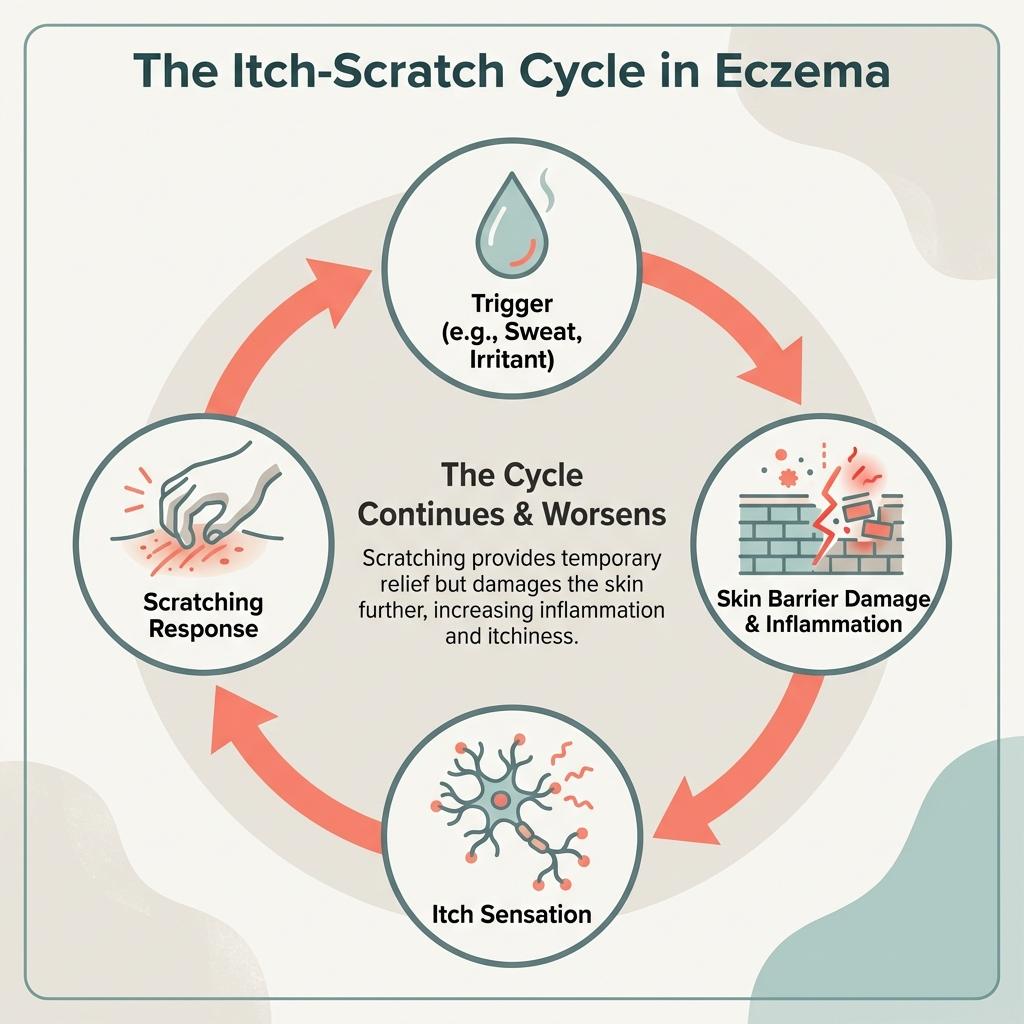
The itch associated with eczema is not just a simple annoyance; it is a relentless, consuming sensation that can severely impact quality of life. This itch leads to scratching, which provides momentary relief but ultimately damages the skin barrier further. This damage causes more inflammation and releases more itch-mediating chemicals, creating a vicious cycle. Breaking this cycle is paramount. Practical strategies include keeping fingernails trimmed short to minimize damage from scratching. Applying cool compresses or a bag of frozen peas wrapped in a soft cloth to itchy areas can help numb the sensation. Simple distraction techniques can also be effective. For some, oral antihistamines may be prescribed, primarily for their sedative effect to help improve sleep, which is often disrupted by nocturnal itching. It is important to understand they do not treat the underlying eczema inflammation itself.
Medical Treatments Available in Singapore
For active eczema flares, the first-line medical treatment is typically topical corticosteroids. These are anti-inflammatory creams and ointments that come in various potencies. A doctor will prescribe the appropriate strength based on the severity and location of the eczema. When used correctly and for the prescribed duration, they are safe and highly effective. For sensitive areas like the face, eyelids, and skin folds, non-steroidal options called topical calcineurin inhibitors (TCIs), such as tacrolimus and pimecrolimus, are often preferred as they do not carry the risk of skin thinning associated with long-term steroid use. For more widespread or stubborn eczema, dermatologists may recommend phototherapy. This treatment involves controlled exposure to specific wavelengths of ultraviolet (UV) light, which helps to reduce inflammation in the skin. For the most severe and recalcitrant cases, systemic treatments may be required. These include traditional oral immunosuppressants and a newer class of advanced medications called biologics, which target specific parts of the immune pathway that cause eczema. These powerful treatments are reserved for severe cases and are managed by a specialist.
Living Well with Eczema: A Holistic Singaporean Lifestyle
Managing chronic eczema goes beyond just skincare and medication. It involves adapting your lifestyle to minimize triggers and support your overall wellbeing. This holistic approach addresses the practical challenges of living with a chronic condition in Singapore’s unique environment and acknowledges the significant impact eczema can have on mental health.
Navigating Work and Social Life
The modern Singaporean lifestyle presents specific challenges. Office buildings with powerful air conditioning can create very dry indoor environments, wicking moisture from your skin throughout the day. Keeping a bottle of your preferred moisturizer and a gentle hand cream at your desk for regular reapplication can be very helpful. Some people find a small, personal humidifier for their workspace beneficial. Navigating outdoor activities requires some planning. Try to schedule exercise or errands for cooler parts of the day, like the early morning or evening. When you are out, carrying a small, soft towel to gently dab away sweat can prevent it from sitting on your skin and causing irritation. Social situations, like enjoying a meal at a hawker centre, require mindfulness of your personal dietary and environmental triggers.
Stress Management and Mental Wellbeing
It is critically important to acknowledge that eczema is not just skin deep. The visible nature of the condition, coupled with the persistent itch and discomfort, can significantly affect self-esteem, confidence, and sleep. This can lead to a great deal of stress, anxiety, and frustration. Unfortunately, stress itself is a well-known trigger for eczema flares, as stress hormones like cortisol can increase inflammation throughout the body. This creates another difficult cycle to break. Therefore, incorporating stress management techniques into your routine is a vital part of holistic eczema care. Practices like mindfulness, meditation, or deep breathing exercises can be very effective. Gentle forms of exercise that do not induce excessive sweating, such as yoga or swimming in a well-maintained, chlorinated pool (remembering to rinse off thoroughly and moisturize immediately after), can also be beneficial for both mind and body. Do not hesitate to seek support. Talking to friends, family, or a mental health professional can provide an essential outlet and help you develop coping strategies.
Your Action Plan for Healthier Skin in Singapore
Living with chronic eczema in Singapore’s relentless humidity is a genuine challenge, but it is one that can be managed effectively with the right knowledge and a proactive approach. It requires a partnership between you and your skin, learning its signals and responding with consistent, gentle care.
To summarize the key takeaways: first, understand that the combination of humidity and sweat is a primary antagonist for eczema-prone skin. Second, your non-negotiable foundation is an adapted daily skincare routine of gentle cleansing and consistent moisturizing with products suited for our climate. Third, empower yourself by making conscious choices about your environment, from the clothes you wear to how you manage your time outdoors. Finally, remember that this information is intended to be educational and to support your health journey. It does not replace the personalized care and advice of a medical professional.
When should you seek medical attention? It is time to consult a doctor or a dermatologist if:
- Your eczema is not improving with over-the-counter products and consistent moisturizing.
- The itch is severe, persistent, and disrupts your sleep or daily activities.
- Your skin shows signs of infection, such as yellow or golden crusts, weeping fluid, or increased pain and redness.
- The condition is taking a significant toll on your mental and emotional wellbeing.
With a comprehensive management plan and professional medical guidance, you can gain control over your eczema, minimize the impact of the tropical climate, and live more comfortably and confidently in your skin.

Jeremy Lee is a seasoned digital marketing director and strategist with over two decades of experience in the industry. As the founder of Sotavento Medios, I manage a diverse portfolio of over 50 businesses, helping brands grow through advanced search strategies and digital innovation. My work focuses on bridging the gap between traditional search engine optimisation and the evolving world of AI-driven answer engines.