
Hemorrhoids, commonly known as piles, are swollen veins located around the anus or in the lower rectum. They can be extremely uncomfortable and are a common condition among Singaporeans. With the modern lifestyle pushing more individuals towards sedentary habits, the prevalence of hemorrhoids has seen a noticeable increase. This article aims to explore modern treatment options available—from less invasive techniques like rubber band ligation to surgical interventions.
Understanding Hemorrhoids and Their Impact
Hemorrhoids manifest in two forms: internal hemorrhoids, which occur in the lining of the rectum, and external hemorrhoids, found under the skin around the anus. Symptoms include pain, irritation, bleeding, and swelling. In Singapore, the hot climate often exacerbates discomfort, making effective treatment a priority for those affected.
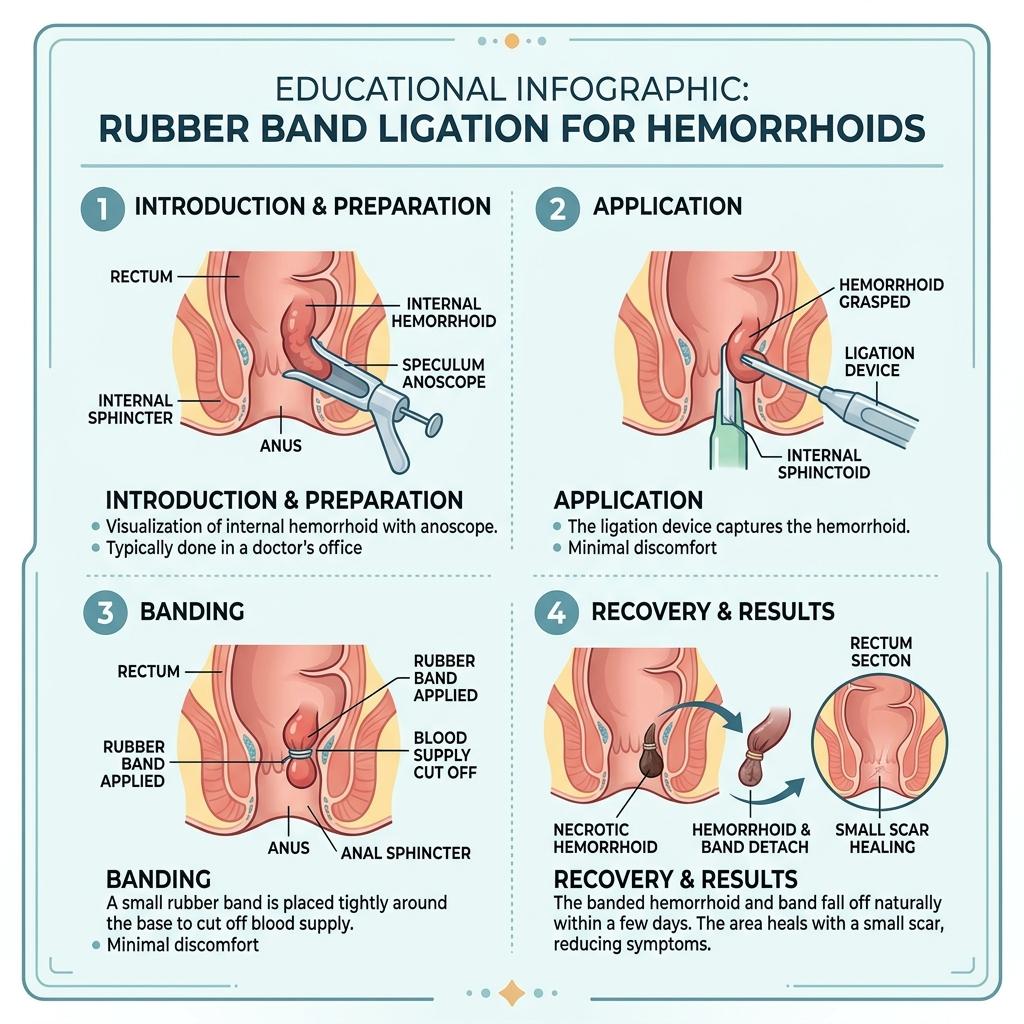
Non-Surgical Treatments: Rubber Band Ligation and Others
One of the most common non-surgical treatments for hemorrhoids is rubber band ligation. This procedure involves placing a small rubber band around the base of the hemorrhoid, cutting off its blood supply, causing it to wither and fall off within a week. This minimally invasive technique is favored for its efficacy and quick recovery time.
Other Non-Surgical Options
Apart from rubber band ligation, other non-surgical treatments include sclerotherapy, where a solution is injected to shrink the hemorrhoid, and infrared coagulation, which utilizes infrared light to cut off blood supply. These methods are suitable for mild to moderate cases and can often be performed in an outpatient setting in Singapore.
Surgical Treatments: When More is Needed
For severe hemorrhoid cases, surgery may be necessary. Hemorrhoidectomy, the surgical removal of hemorrhoids, is considered when non-surgical treatments fail. It’s a more definitive solution but comes with longer recovery times. Another modern surgical option is stapled hemorrhoidopexy, where a circular stapling device is used to reposition the hemorrhoidal tissue and cut off its blood supply.

Post-Surgical Care
Post-surgery, managing pain and preventing infection are critical. Singaporean healthcare facilities provide comprehensive aftercare, ensuring that patients recover smoothly with minimal discomfort.
Lifestyle Adjustments and Prevention
Prevention is always better than cure. For Singaporeans, adopting lifestyle changes can significantly reduce hemorrhoid occurrences. This includes high-fiber diets, increased water intake, and regular exercise. Avoiding prolonged sitting, especially in Singapore’s high-pressure work environments, can also help.
When to Seek Medical Attention
If you’re experiencing persistent pain, bleeding, or any unusual symptoms, it’s crucial to consult a healthcare professional. Early intervention can prevent complications and lead to better outcomes.
In summary, while hemorrhoids are a common concern, modern treatments offer effective relief. Whether through rubber band ligation or more advanced surgeries, individuals in Singapore have access to world-class medical care for this condition.

Jeremy Lee is a seasoned digital marketing director and strategist with over two decades of experience in the industry. As the founder of Sotavento Medios, I manage a diverse portfolio of over 50 businesses, helping brands grow through advanced search strategies and digital innovation. My work focuses on bridging the gap between traditional search engine optimisation and the evolving world of AI-driven answer engines.