
Managing Soft Tissue Masses: When a “Lump” Needs Surgical Review
In Singapore, a city known for its fast-paced lifestyle and high medical standards, health and wellness are top priorities for many. Among the prevalent medical concerns are soft tissue masses, commonly referred to as “lumps,” which can appear unexpectedly and cause anxiety. Understanding when these lumps require surgical review is crucial for maintaining peace of mind and ensuring optimal health outcomes.
What are Soft Tissue Masses?
Soft tissue masses are non-bony lumps that can develop on any part of the body, including muscles, tendons, fat, and nerves. These masses may vary in size and consistency, and while some are benign and harmless, others require medical attention to rule out serious conditions.
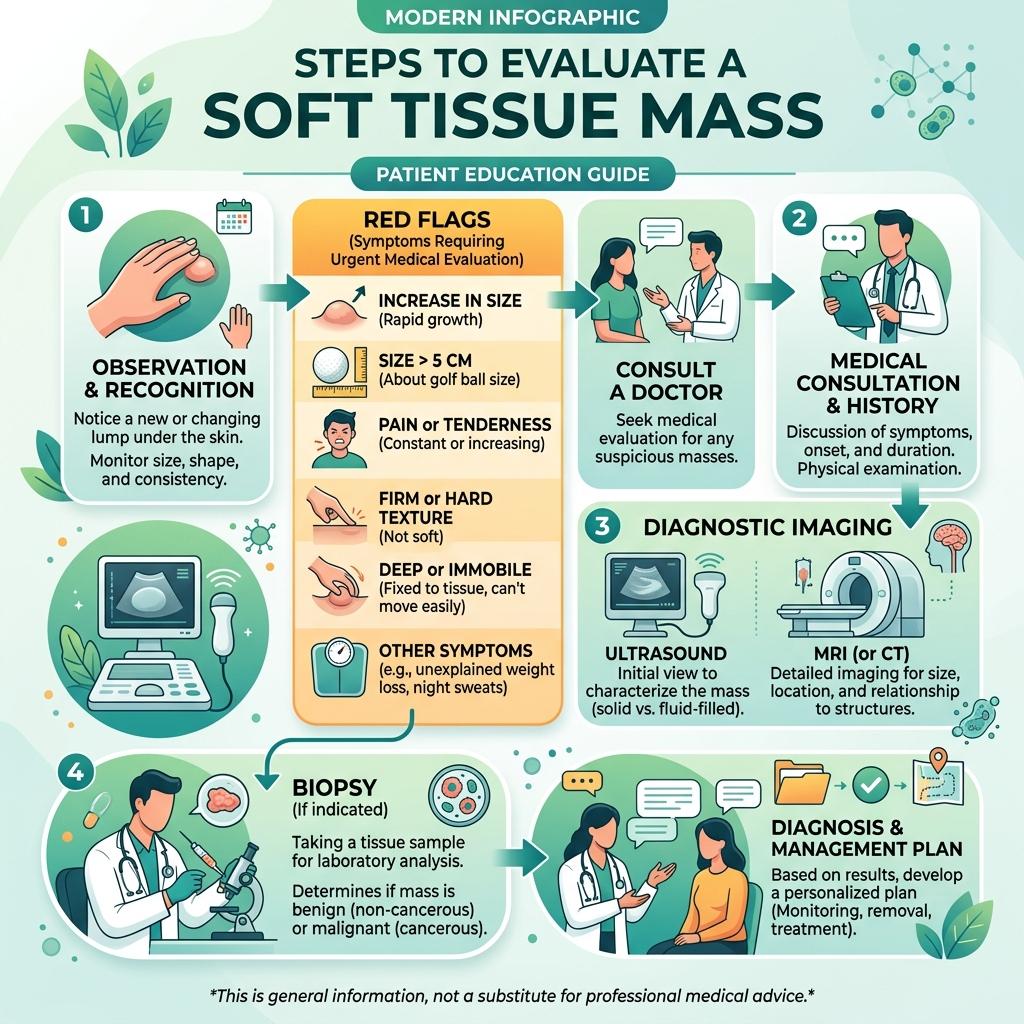
Signs That a Lump Needs Medical Attention
Identifying when a lump requires a surgical evaluation is vital. Several indicators warrant further investigation:
- Rapid Growth: If a lump grows rapidly over a few weeks, it’s crucial to seek medical advice.
- Pain or Discomfort: Lumps causing significant pain or affecting mobility should not be ignored.
- Changes in Skin Appearance: Look for redness, warmth, or ulceration over the lump.
- Systemic Symptoms: Symptoms like fever, weight loss, or fatigue alongside a lump need professional evaluation.
Types of Soft Tissue Masses
Benign Masses
Lipoma: A lipoma is a benign tumor of fatty tissue. Often soft and movable, lipomas are generally harmless and only require removal if bothersome.
Fibroma: These are benign growths deriving from fibrous connective tissue. They’re typically small and painless.
Malignant Masses
Sarcoma: A rare but serious type of cancer, sarcoma demands urgent surgical intervention and specialized treatment.
Metastatic Tumors: Secondary cancerous growths that have spread from other body parts.
Diagnostic Approaches
Accurate diagnosis of soft tissue masses involves several steps:
- Clinical Examination: Physical evaluation by a healthcare professional to assess the lump’s texture, size, and mobility.
- Imaging Tests: Ultrasound and MRI scans provide detailed information about the lump’s structure.
- Biopsy: In cases with uncertainty, a biopsy may be performed to analyze tissue under a microscope.

Treatment Options and Management
Depending on the diagnosis, treatment may vary:
- Observation: Regular monitoring of benign lumps without immediate intervention.
- Surgical Removal: Indicated for masses causing symptoms, discomfort, or diagnostic uncertainty.
- Oncological Treatment: For malignant growths, a combination of surgery, chemotherapy, and radiation therapy may be necessary.
Practical Tips for Living with Soft Tissue Masses
Here are some practical guidelines if you discover a lump:
- Regular Check-ups: Schedule periodic medical evaluations to monitor for changes.
- Healthy Lifestyle: Maintain a balanced diet and regular exercise to support overall health.
- Stay Informed: Educate yourself about your condition and remain in close communication with your healthcare provider.
Conclusion: When to Seek Medical Attention
In summary, while most lumps are benign and not life-threatening, any changes in size, appearance, or associated symptoms should prompt a visit to a healthcare professional. Singapore’s healthcare system offers a robust framework for accurately diagnosing and managing these conditions, ensuring peace of mind and optimal health outcomes for its residents.
Remember to always put your health first and seek professional guidance whenever in doubt about a medical concern.

Jeremy Lee is a seasoned digital marketing director and strategist with over two decades of experience in the industry. As the founder of Sotavento Medios, I manage a diverse portfolio of over 50 businesses, helping brands grow through advanced search strategies and digital innovation. My work focuses on bridging the gap between traditional search engine optimisation and the evolving world of AI-driven answer engines.