
Gallbladder Removal: Life After a Cholecystectomy
Cholecystectomy, the medical term for gallbladder removal, is a common surgical procedure in Singapore, addressing issues like gallstones that cause pain and complications. Understanding the life changes that follow this operation is crucial for patients and their families. In this article, we’ll explore life post-cholecystectomy, with insights tailored to Singaporean lifestyles and healthcare standards.
Understanding the Gallbladder and Cholecystectomy
The gallbladder is a small organ located beneath the liver, playing a role in digesting fatty foods. During digestion, it releases bile, which is crucial for breaking down fats. When gallstones form, they can block bile flow, causing pain or infection. A cholecystectomy is performed to remove this organ when it becomes problematic.
In Singapore, the procedure is commonly recommended due to dietary habits that include rich, flavorful foods which may contribute to gallstone formation.
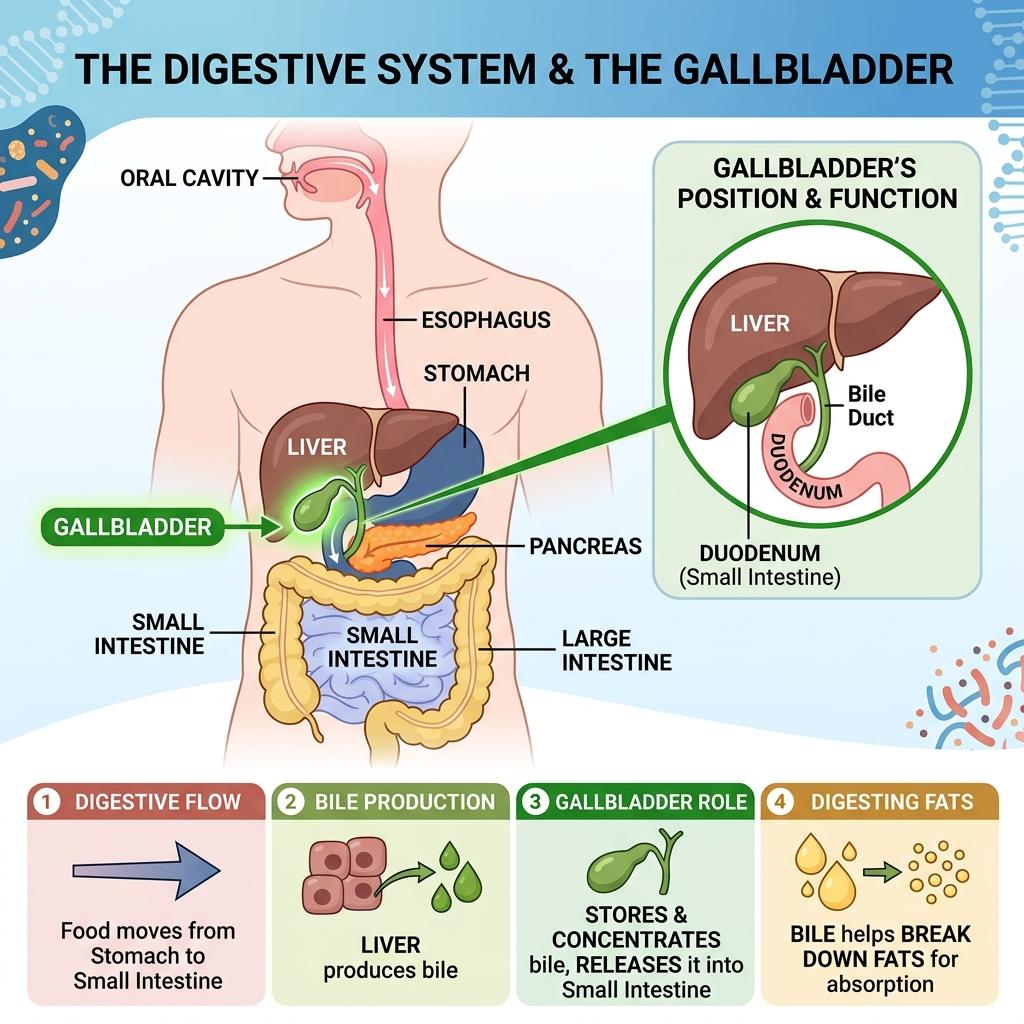
Types of Cholecystectomy
The surgical procedure can be performed in two main ways: laparoscopic or open surgery. Laparoscopic surgery involves smaller incisions and usually offers quicker recovery times, while open surgery might be necessary in complex cases.
Immediate Post-Surgery Life
Post-surgery, patients typically experience pain and discomfort, which are managed with medications. Daily activities are to be limited initially but gradually increase as recovery progresses. Singapore’s healthcare system provides comprehensive post-operative care, ensuring smooth transitions to normalcy.
Dietary Adjustments
Dietary changes post-cholecystectomy are vital. Without a gallbladder, the bile flow is continuous rather than regulated, which may affect the digestion of fats. It’s advisable to start with a bland diet and slowly reintroduce fibrous and fatty foods. Consulting with a dietitian experienced in post-cholecystectomy care in Singapore can be beneficial.
Long-Term Lifestyle Changes
Adapting to a life without a gallbladder involves understanding how your digestive system has changed. While many people can return to regular diets, some might experience diarrhea or bloating. Maintaining a balanced diet with manageable fat intake is recommended.
Regular monitoring through Singapore’s healthcare facilities ensures that any complications are promptly addressed. Annual check-ups and following a doctor’s dietary recommendations contribute to a healthy recovery.
Exercise and Physical Activity
Physical activity should resume slowly, with gradual increases in intensity. Walking is a good starting point, and as one recovers, incorporating more robust physical activities is possible.
Managing Potential Complications
While cholecystectomy is generally safe, there are potential complications like bile duct injuries or infections. Recognizing symptoms such as severe abdominal pain or persistent diarrhea early enables timely medical consultation in Singapore’s well-equipped hospitals and clinics.
When to Seek Medical Attention
If experiencing symptoms like jaundice, excessive pain, or unusual digestive issues, seeking immediate medical attention is crucial. Singapore provides excellent healthcare services, ensuring any post-operative complications are effectively managed.
Conclusion: Embracing Life After Gallbladder Removal
Life after a cholecystectomy can be fulfilling with the right knowledge and resources. Leveraging Singapore’s healthcare services, staying informed about dietary and lifestyle changes, and maintaining regular health check-ups contribute to a successful recovery and a healthy life beyond surgery.
Jeremy Lee is a seasoned digital marketing director and strategist with over two decades of experience in the industry. As the founder of Sotavento Medios, I manage a diverse portfolio of over 50 businesses, helping brands grow through advanced search strategies and digital innovation. My work focuses on bridging the gap between traditional search engine optimisation and the evolving world of AI-driven answer engines.