
Introduction
In Singapore, heart disease remains a leading cause of morbidity, affecting a significant portion of the population. Traditional heart surgery often involves long recovery times and visible scarring, concerns prevalent amongst many Singaporeans. However, the advent of minimally invasive heart surgery offers hope, significantly reducing recovery periods and minimizing scarring, fulfilling the priorities of many who prioritize a faster return to daily life.
What is Minimally Invasive Heart Surgery?
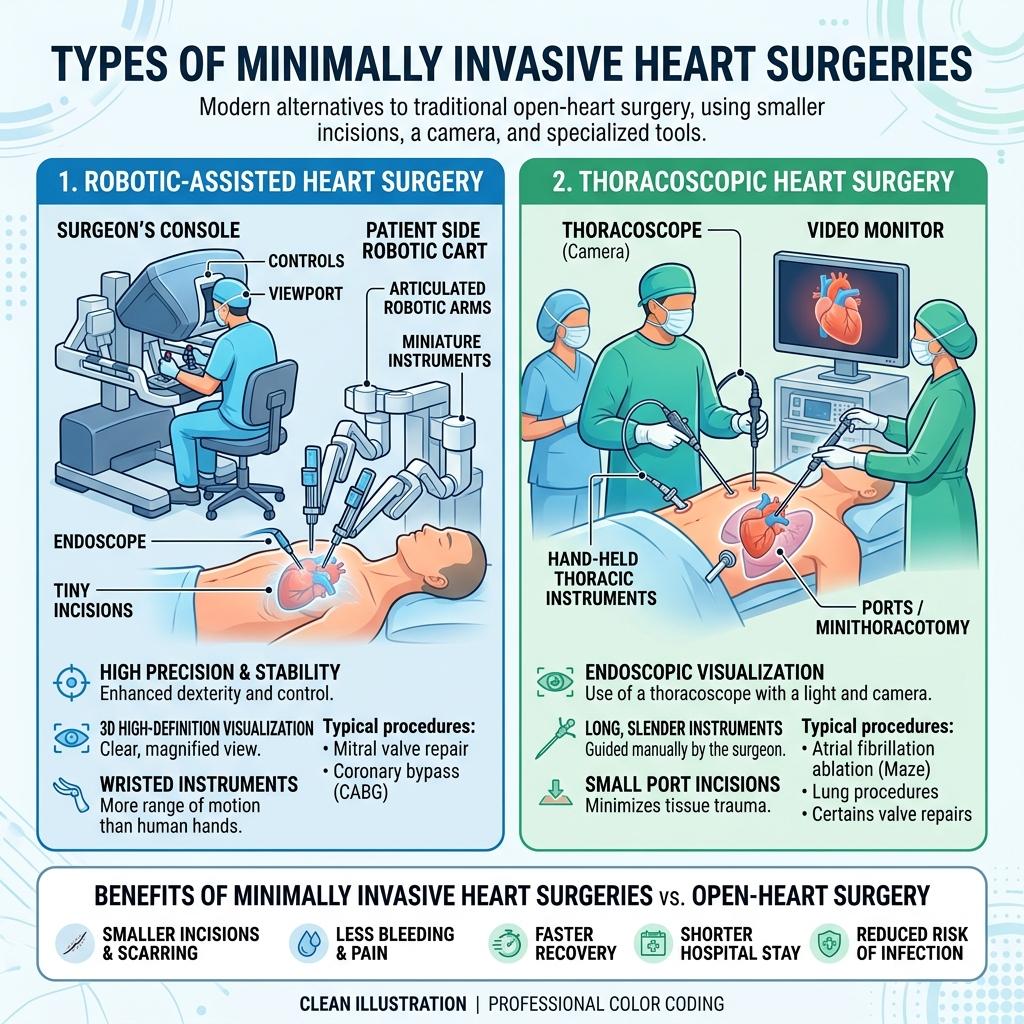
Minimally invasive heart surgery refers to a range of procedures that utilize small incisions to access the heart. These approaches often involve specialized instruments and equipment designed to facilitate surgery through smaller openings, thereby leading to less trauma to the body.
Types of Minimally Invasive Procedures
Common types include robotic-assisted heart surgery, thoracoscopic surgery, and mini-sternotomy. Each of these methods offers unique advantages by reducing incision size and facilitating precise intervention.
Advantages Over Traditional Surgery
Minimally invasive approaches offer numerous advantages, especially pertinent to the healthcare landscape in Singapore, a country known for its fast-paced lifestyle and efficient healthcare system.
Reduced Recovery Times
One of the main benefits is a considerably shorter recovery time. Patients can often return to their daily activities much quicker than with traditional surgery, which is a crucial consideration for working professionals in Singapore.
Less Scarring and Cosmetic Benefits
For many, especially women and younger patients, the reduction in visible scarring is a significant advantage. With smaller incisions, cosmetic concerns are minimized.
Risks and Considerations
While minimally invasive heart surgery presents numerous benefits, it’s not suitable for everyone. Factors such as the patient’s health status, the specific condition, and the skill of the medical facility are crucial considerations.
Who Should Consider This Type of Surgery?
Patients with isolated heart valve problems, specific congenital defects, or those requiring coronary artery bypass might consider this option. However, detailed discussions with medical professionals are essential to ensure suitability.
Singapore’s Healthcare System and Accessibility
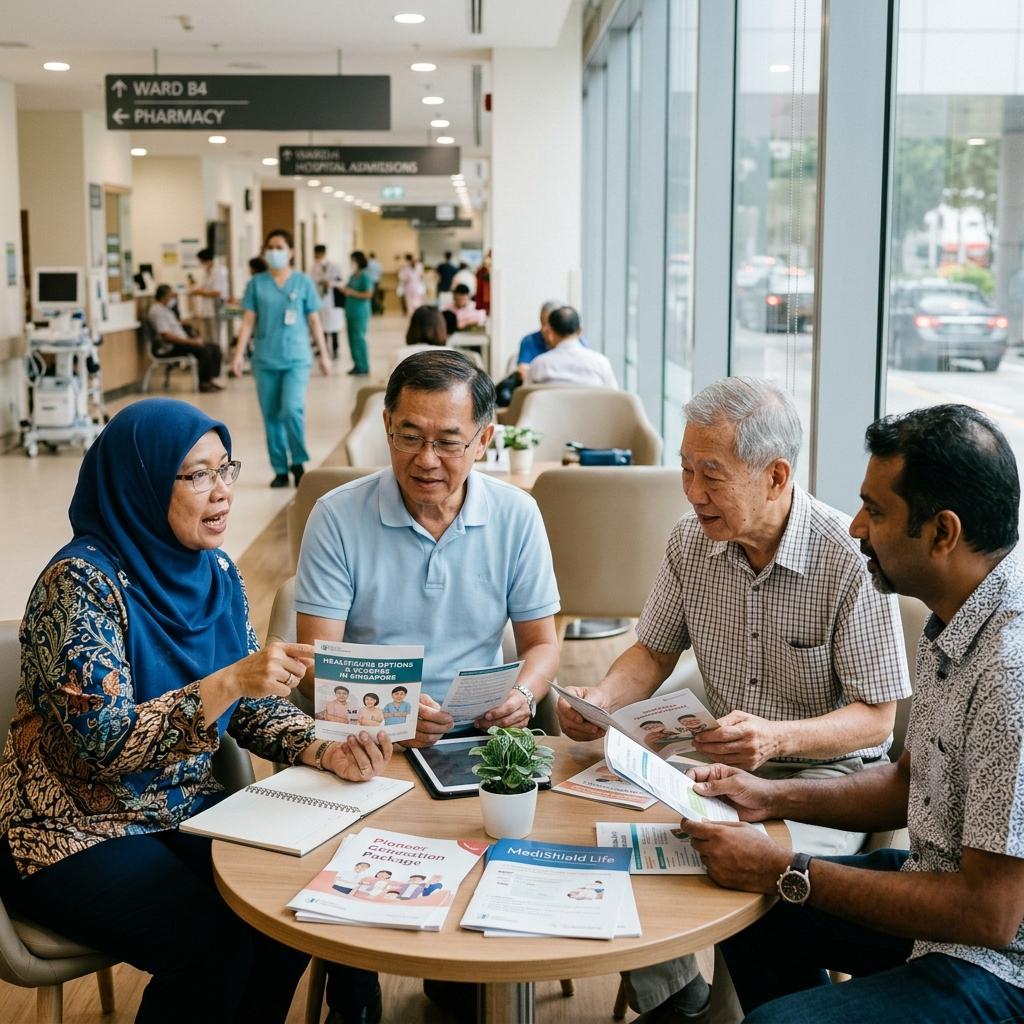
Recognized globally for its efficiency, Singapore’s healthcare system has increasingly adopted minimally invasive procedures. Most major hospitals offer these surgeries, supported by state-of-the-art technology and proficient specialists.
Costs and Insurance Coverage
Although more sophisticated, minimally invasive procedures are generally cost-effective in the long term due to quicker recovery times and reduced hospital stays. Many insurance plans in Singapore cover these types of surgeries, although it’s important to verify the specifics with individual providers.
Conclusion and Future Directions
Minimally invasive heart surgery represents a significant advancement in medical technology, aligning with Singapore’s commitment to accessible, efficient healthcare. For those considering this option, it’s vital to consult with healthcare professionals to determine suitability and understand all potential risks and benefits. The future of heart surgery lies increasingly in minimally invasive techniques, promising faster recovery while maintaining high standards of care.

Jeremy Lee is a seasoned digital marketing director and strategist with over two decades of experience in the industry. As the founder of Sotavento Medios, I manage a diverse portfolio of over 50 businesses, helping brands grow through advanced search strategies and digital innovation. My work focuses on bridging the gap between traditional search engine optimisation and the evolving world of AI-driven answer engines.