
Understanding Colorectal Cancer
Colorectal cancer is a malignant condition affecting the colon and rectum. It is a significant health concern globally, but particularly in Singapore, where the incidence rates are among the highest worldwide. Understanding why colorectal cancer is more prevalent in Singapore requires an exploration of various factors, including lifestyle, diet, and genetic predispositions.
Factors Contributing to High Rates in Singapore
Dietary Habits
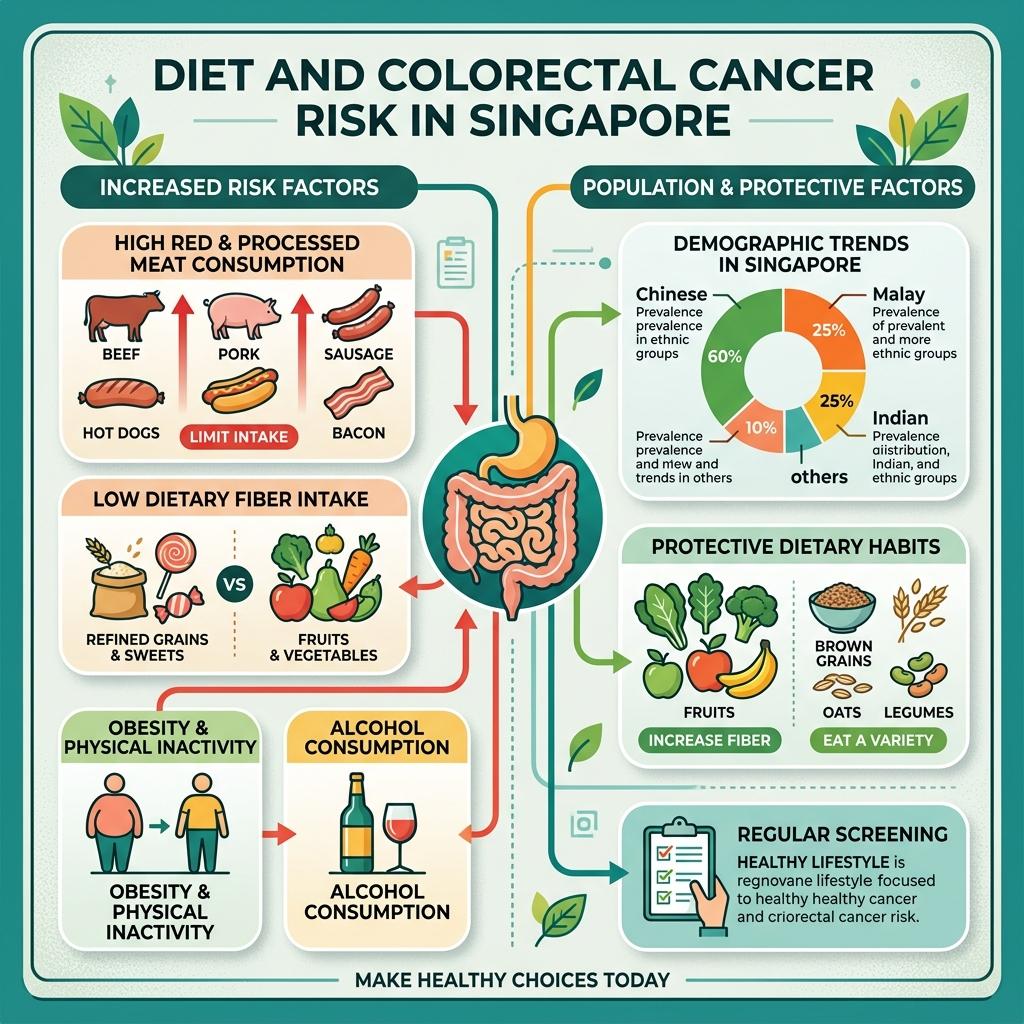
Saturated with a diverse food culture, Singaporean diets often include high intakes of red and processed meats, one of the known risk factors for colorectal cancer. Studies suggest that these dietary preferences contribute to the increasing incidence of this disease.
Lifestyle Factors
A sedentary lifestyle, coupled with high stress levels common among urban populations, contributes significantly to the risk of colorectal cancer. Regular physical activity is known to reduce this risk, yet busy schedules make it challenging for many Singaporeans to maintain an active lifestyle.
Genetic Predispositions
Genetic factors also play a role. Singapore’s diverse ethnic composition means a varied genetic risk profile, which influences the prevalence of colorectal cancer. Specific gene mutations common in certain ethnic groups may predispose individuals to this disease.
Medical Insights and Early Detection
Importance of Screening
Regular screening remains a cornerstone in the early detection and successful management of colorectal cancer. In Singapore, screening programs such as the Faecal Immunochemical Test (FIT) are readily available and can play a vital role in reducing mortality rates.
Treatment Options
Treatment for colorectal cancer often involves a combination of surgery, chemotherapy, and radiation therapy. Singapore’s healthcare system offers cutting-edge treatments tailored to individual patient needs, ensuring high standards of care.

Preventive Measures and Lifestyle Changes
Diet and Exercise
Adopting a diet rich in fruits, vegetables, and whole grains while reducing red meat intake can significantly lower the risk of colorectal cancer. Exercise also plays a crucial preventive role, with regular physical activity reducing risk.
Public Health Campaigns
Public health initiatives aimed at raising awareness and encouraging regular screening have been implemented in Singapore. These campaigns focus on educating the public about risk factors and the importance of early detection.
Conclusion: Navigating Health Choices
While Singapore faces high colorectal cancer rates, understanding and addressing the contributing factors can significantly impact these statistics. Through awareness, regular screening, and lifestyle changes, individuals can take proactive steps in managing their health. Consulting with a healthcare provider for personalized advice and regular check-ups remains essential for early diagnosis and successful treatment.

Jeremy Lee is a seasoned digital marketing director and strategist with over two decades of experience in the industry. As the founder of Sotavento Medios, I manage a diverse portfolio of over 50 businesses, helping brands grow through advanced search strategies and digital innovation. My work focuses on bridging the gap between traditional search engine optimisation and the evolving world of AI-driven answer engines.