
The Colonoscopy Guide: Debunking Fears About the ‘Gold Standard’ Test
Colonoscopy is a crucial screening tool for detecting colorectal cancer, often referred to as the “gold standard” test. Yet, many Singaporeans harbor fears and misconceptions about the procedure, preventing them from undergoing this potentially life-saving exam. This guide aims to debunk common myths and provide comprehensive insights to help you make informed decisions about your health.
Understanding Colonoscopy: What Exactly is It?
A colonoscopy is a medical procedure that allows doctors to examine the inner lining of your large intestine (colon and rectum). It is commonly used to detect changes or abnormalities, such as polyps or cancer, and has become an essential tool in preventive healthcare, especially for those aged 50 and above. In Singapore, where the population is aging, regular screenings are particularly emphasized.
How is a Colonoscopy Performed?
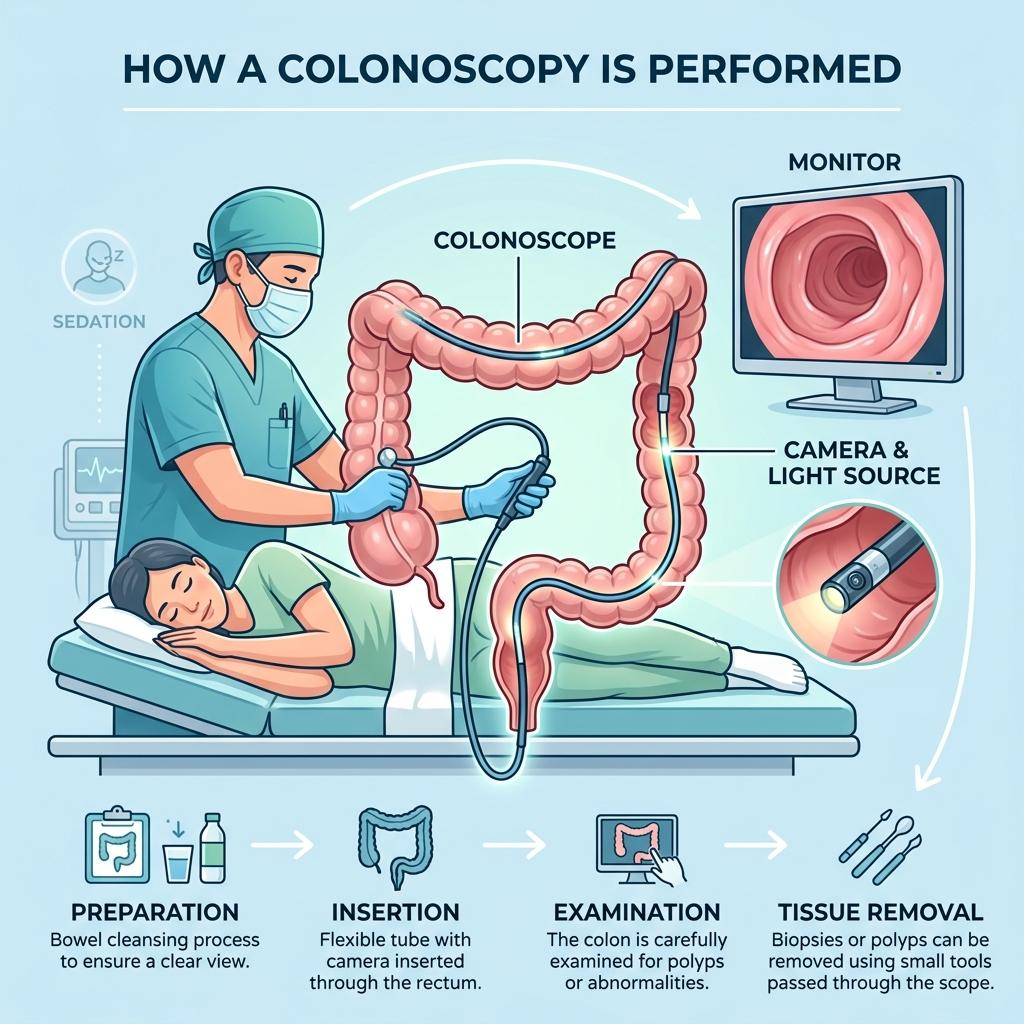
The procedure involves the insertion of a long, flexible tube called a colonoscope into the rectum. This tube is equipped with a small camera, allowing the doctor to view the entire colon. Sedation is typically administered to ensure your comfort. The process usually takes about 30 minutes to an hour.
Common Fears and Misconceptions
Despite its benefits, colonoscopy is often associated with various fears. Let’s address some of the most common misconceptions:
Fear of Pain or Discomfort
Many individuals worry about pain during the procedure. In reality, the sedation used in Singaporean medical practices minimizes discomfort, and most patients report feeling little to no pain.
Concerns About Privacy
Privacy is a paramount concern for many. Rest assured, the medical staff at Singaporean facilities are highly trained to maintain patient dignity and confidentiality throughout the process.
Benefits of Colonoscopy: Why It’s Worth It
Understanding the advantages of colonoscopy can alleviate concerns and encourage participation in regular screenings:
Early Detection Saves Lives
Colonoscopy enables the early detection of colorectal cancer, significantly improving survival rates. In Singapore, colorectal cancer is one of the most common cancers, making early screening vital.
Removing Polyps Reduces Cancer Risk
During the procedure, doctors can identify and remove polyps—small growths that can potentially turn cancerous. This proactive measure is a powerful way to reduce cancer risk.
Preparing for Your Colonoscopy
Preparation is essential to ensure the accuracy and effectiveness of your colonoscopy:
Dietary Adjustments
A few days before the procedure, you’ll need to follow a specific diet. Typically, clear fluids and low-fiber foods are recommended to ensure the bowel is adequately cleared.
Understanding the Bowel Prep
The bowel preparation process involves consuming a prescribed laxative to cleanse the colon. Though this step is often dreaded, it ensures a clear view during the procedure and is a critical component of effective screening.
After the Procedure: What to Expect
Once the colonoscopy is complete, there are a few things to keep in mind:
Recovery Time
You may feel drowsy due to sedation, so arranging post-procedure transportation is wise. Most people can resume normal activities the following day.
Understanding Your Results
Your doctor will discuss any findings with you. If polyps or other abnormalities are detected, further tests or checkups may be necessary.
By understanding the realities of colonoscopy and preparing adequately, you can embrace this essential tool for preventive healthcare confidently. Remember to consult healthcare professionals for personalized advice tailored to your specific health needs.
For Singaporeans, obtaining regular colonoscopies can lead to early detection and significantly reduce the risks of colorectal cancer. If you have concerns or symptoms, seeking medical advice promptly is key.
Jeremy Lee is a seasoned digital marketing director and strategist with over two decades of experience in the industry. As the founder of Sotavento Medios, I manage a diverse portfolio of over 50 businesses, helping brands grow through advanced search strategies and digital innovation. My work focuses on bridging the gap between traditional search engine optimisation and the evolving world of AI-driven answer engines.