
Diabetes Mellitus, commonly known as diabetes, is a chronic health condition that affects millions globally, and Singapore is certainly not immune. In fact, our nation faces a significant challenge with rising diabetes rates, prompting a concerted national effort to combat what has been termed an “epidemic.” This isn’t merely a health statistic; it represents a profound impact on individuals, families, and the healthcare system. Understanding why Singapore is waging a war on sugar is crucial for every resident, as lifestyle choices play a pivotal role in both the development and management of this complex disease. This article will delve into the intricacies of diabetes, its prevalence in Singapore, the critical role sugar plays, and the national strategies being deployed to safeguard the health of our population.
Understanding the Diabetes Epidemic in Singapore
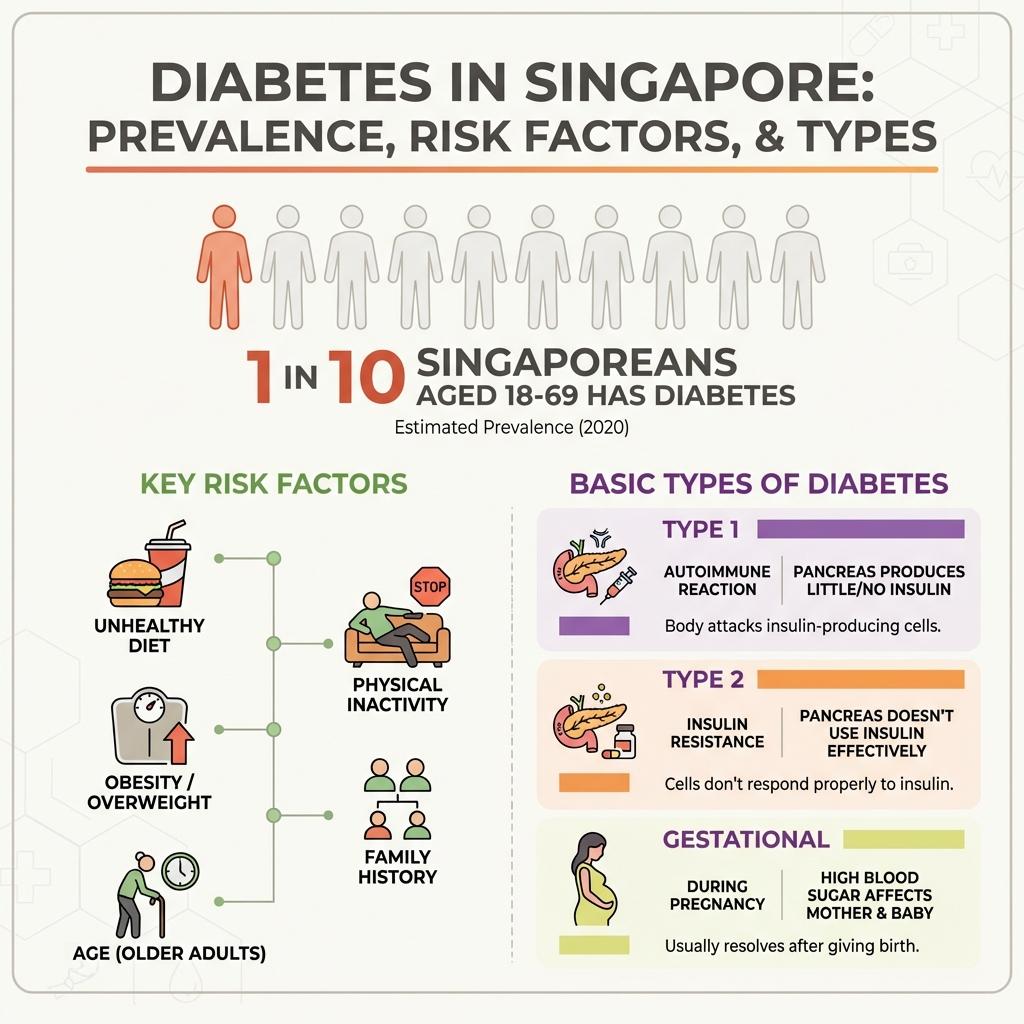
Singapore’s battle against diabetes is a pressing public health concern. According to the Ministry of Health (MOH), about 1 in 10 Singaporeans aged 18-69 has diabetes. This prevalence is particularly concerning given the potential for severe health complications if the condition is left unmanaged. Diabetes is characterized by high blood glucose (sugar) levels, which over time, can lead to serious damage to the heart, blood vessels, kidneys, eyes, and nerves.
There are several types of diabetes, but Type 2 Diabetes is the most common, accounting for approximately 90% of all cases. Type 1 Diabetes, often diagnosed in children and young adults, is an autoimmune condition where the body does not produce insulin, a hormone essential for regulating blood sugar. Type 2 Diabetes occurs when the body either doesn’t produce enough insulin or doesn’t use insulin effectively, a condition known as insulin resistance. Gestational Diabetes is a temporary form that develops during pregnancy and usually resolves after childbirth, though it increases the mother’s risk of developing Type 2 Diabetes later in life.
The rise in Type 2 Diabetes in Singapore is closely linked to a combination of genetic predisposition and lifestyle factors. Our increasingly sedentary lifestyles, coupled with dietary habits that often include high consumption of refined carbohydrates and sugary beverages, contribute significantly to the problem. Obesity, a major risk factor for Type 2 Diabetes, is also on the rise among Singaporeans. The challenge is compounded by the fact that many individuals with Type 2 Diabetes remain undiagnosed for years, as the early symptoms can be subtle or non-existent, leading to complications before intervention.
Risk Factors and Early Detection
Identifying key risk factors is vital for prevention and early detection. These include:
- Age: The risk increases with age, particularly after 40.
- Family History: Having a close relative with diabetes increases susceptibility.
- Ethnicity: Certain ethnic groups, including Chinese, Malay, and Indian populations common in Singapore, have a higher genetic predisposition to Type 2 Diabetes.
- Obesity and Overweight: Excess body fat, particularly around the abdomen, is a significant risk factor.
- Physical Inactivity: Lack of regular exercise contributes to insulin resistance.
- Unhealthy Diet: High intake of sugary drinks, processed foods, and refined carbohydrates.
- High Blood Pressure or High Cholesterol: These conditions often coexist with diabetes and are part of metabolic syndrome.
- History of Gestational Diabetes: Women who had gestational diabetes are at higher risk.
Regular health screenings, such as blood glucose tests, are crucial for early detection, especially for individuals with one or more risk factors. The Ministry of Health advocates for regular screening as part of proactive health management.
The Silent Threat: How Sugar Contributes to Diabetes
Sugar, in its various forms, is a central player in the development of Type 2 Diabetes, particularly when consumed in excess. While the body needs glucose for energy, chronically high intake, especially of added sugars, can overwhelm the body’s regulatory systems.
When we consume carbohydrates, they are broken down into glucose, which enters the bloodstream. In response, the pancreas releases insulin, a hormone that acts like a key, allowing glucose to enter cells for energy or storage. With constant high sugar intake, the pancreas works overtime to produce more and more insulin to keep blood sugar levels in check. Over time, cells can become less responsive to insulin’s effects, a condition called insulin resistance. This means that even with plenty of insulin, glucose struggles to enter the cells, leading to elevated blood sugar levels. Eventually, the pancreas may become exhausted and unable to produce enough insulin to compensate, leading to Type 2 Diabetes.
Hidden Sugars in Singaporean Cuisine
The “war on sugar” in Singapore addresses the pervasive nature of sugar in our diets. Beyond obvious sweet treats, sugar is often “hidden” in everyday foods and beverages that are staples in Singaporean households and hawker centres. Examples include:
- Sweetened Beverages: Local favourites like kopi siew dai (coffee with less sugar) and teh bing (iced milk tea) can still contain significant amounts of sugar. Fruit juices, often perceived as healthy, can also be loaded with natural and added sugars.
- Processed Foods: Many packaged foods, from breakfast cereals to sauces and condiments (e.g., chilli sauce, tomato ketchup), contain surprisingly high levels of added sugars.
- Local Delicacies: While delicious, many traditional snacks and desserts, such as kueh, cendol, and certain curries, are rich in sugar.
- Instant Noodles and Canned Goods: Even savoury items can have added sugars for flavour enhancement and preservation.
This widespread presence of sugar makes it challenging for individuals to reduce their intake without conscious effort and awareness. The cumulative effect of these seemingly small amounts of sugar throughout the day significantly contributes to the risk of insulin resistance and Type 2 Diabetes.
Singapore’s Multi-Front War on Sugar
Recognizing the urgency of the diabetes epidemic, the Singapore government, through the Ministry of Health, launched a comprehensive “War on Diabetes” in 2016. This multi-pronged strategy aims to prevent, screen, and manage diabetes effectively across the population. Key initiatives include:
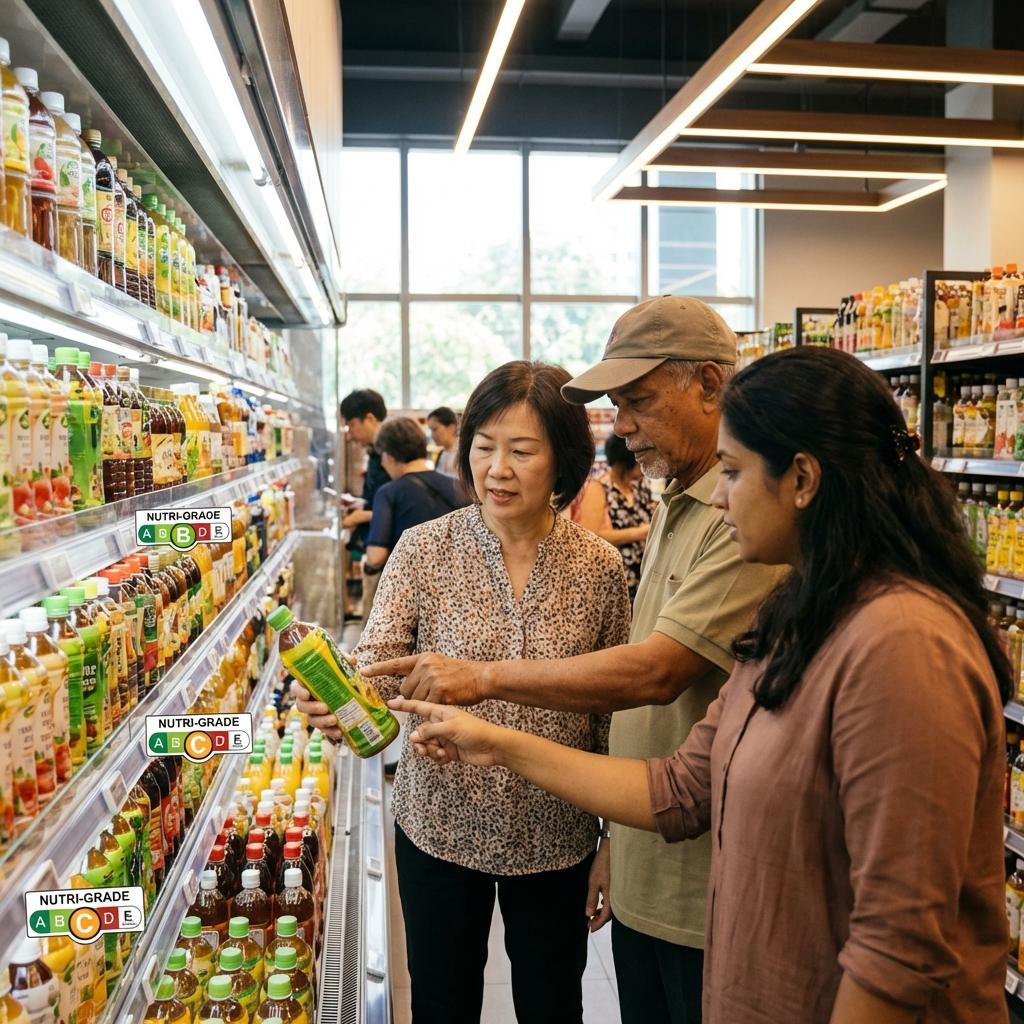
- Nutri-Grade Labeling System: Introduced in December 2022 for pre-packaged beverages and extended to freshly prepared beverages from December 2023, this system grades drinks based on their sugar and saturated fat content. Grades range from ‘A’ (lowest sugar) to ‘D’ (highest sugar), with ‘D’ graded drinks being prohibited from advertising. This empowers consumers to make informed choices easily.
- Healthier SG: This national strategy shifts the focus from treating sickness to preventing illness, encouraging residents to enroll with a family doctor who will guide them on personalized health plans, including diabetes prevention and management.
- Promotion of Healthier Food Choices: The Health Promotion Board (HPB) actively promotes healthier options in hawker centres, food courts, and supermarkets through initiatives like the Healthier Choice Symbol. This encourages food operators to offer lower-sugar, lower-sodium, and whole-grain options.
- Public Education and Awareness: Extensive campaigns raise awareness about the risks of diabetes, the importance of healthy eating, and regular physical activity. These campaigns often highlight practical tips for reducing sugar intake in local contexts.
- Physical Activity Promotion: Initiatives like the National Steps Challenge encourage Singaporeans to be more active, recognizing that regular exercise improves insulin sensitivity and helps manage weight.
These initiatives reflect a holistic approach, addressing both individual behaviour and the wider food environment to foster a healthier Singapore.
Collaborative Efforts and Community Engagement
The success of the “War on Diabetes” relies heavily on collaboration across various sectors, including healthcare providers, food manufacturers, educational institutions, and community organizations. Healthcare professionals are equipped with enhanced training to provide comprehensive diabetes care, from screening and diagnosis to ongoing management and education. Food manufacturers are encouraged to reformulate products to reduce sugar content, while schools integrate health education into their curriculum to instill healthy habits from a young age. Community-based programmes further support individuals in adopting and sustaining healthier lifestyles, making prevention a collective responsibility.
Empowering Singaporeans: Practical Steps for Diabetes Prevention and Management
While national efforts lay the groundwork, individual action is paramount in the fight against diabetes. Empowering oneself with knowledge and making conscious lifestyle changes can significantly reduce the risk of developing Type 2 Diabetes or effectively manage it if already diagnosed.
Dietary Changes: Making Smarter Food Choices
- Read Labels: Pay attention to the Nutri-Grade labels on beverages and the nutrition information panel on packaged foods. Look for lower sugar and higher fiber options.
- Reduce Sugary Drinks: Opt for plain water, unsweetened tea, or coffee. If you must have sweetened drinks, choose those with a ‘A’ or ‘B’ Nutri-Grade.
- Embrace Whole Grains: Choose brown rice, wholemeal bread, and whole wheat pasta over refined grains. These provide more fiber, which helps regulate blood sugar.
- Increase Fruit and Vegetable Intake: These are rich in vitamins, minerals, and fiber, and naturally low in added sugars.
- Portion Control: Be mindful of serving sizes, especially for carbohydrate-rich foods.
- Cook at Home: Preparing meals at home gives you greater control over ingredients, allowing you to reduce sugar, salt, and unhealthy fats.
The Power of Physical Activity
Regular exercise is a cornerstone of diabetes prevention and management. Aim for at least 150 minutes of moderate-intensity aerobic activity per week, along with two days of muscle-strengthening activities. This could include brisk walking, swimming, cycling, or joining community exercise programmes. Physical activity helps improve insulin sensitivity, aids in weight management, and enhances overall cardiovascular health.
Regular Health Screenings and Professional Guidance
For individuals over 40, or those with risk factors, regular health screenings are non-negotiable. Early detection allows for timely intervention, which can prevent or delay the onset of complications. Consult your family doctor for advice on appropriate screening frequencies and personalized guidance on risk reduction. If you have been diagnosed with diabetes, work closely with your healthcare team, including doctors, dietitians, and diabetes educators, to develop a comprehensive management plan. Adherence to medication, regular monitoring of blood glucose levels, and consistent lifestyle adjustments are critical.
Conclusion
The diabetes epidemic is a serious challenge for Singapore, but it is not an insurmountable one. The nationwide “War on Diabetes” reflects a profound commitment to public health, empowering residents with the tools and knowledge to make healthier choices. By understanding the critical role of sugar in our diet, embracing a more active lifestyle, and prioritizing regular health screenings, every Singaporean can contribute to this collective effort. Remember, managing or preventing diabetes is a journey that involves informed decisions and consistent effort. If you have concerns about your risk for diabetes or are experiencing symptoms such as increased thirst, frequent urination, unexplained weight loss, or blurred vision, please consult a medical professional without delay. Early intervention is key to living a long, healthy life free from diabetes complications.

Jeremy Lee is a seasoned digital marketing director and strategist with over two decades of experience in the industry. As the founder of Sotavento Medios, I manage a diverse portfolio of over 50 businesses, helping brands grow through advanced search strategies and digital innovation. My work focuses on bridging the gap between traditional search engine optimisation and the evolving world of AI-driven answer engines.